
|
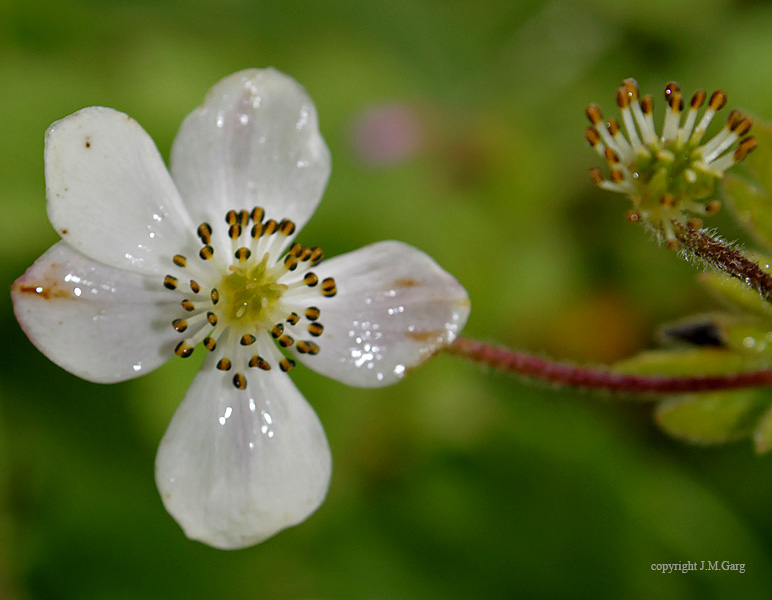
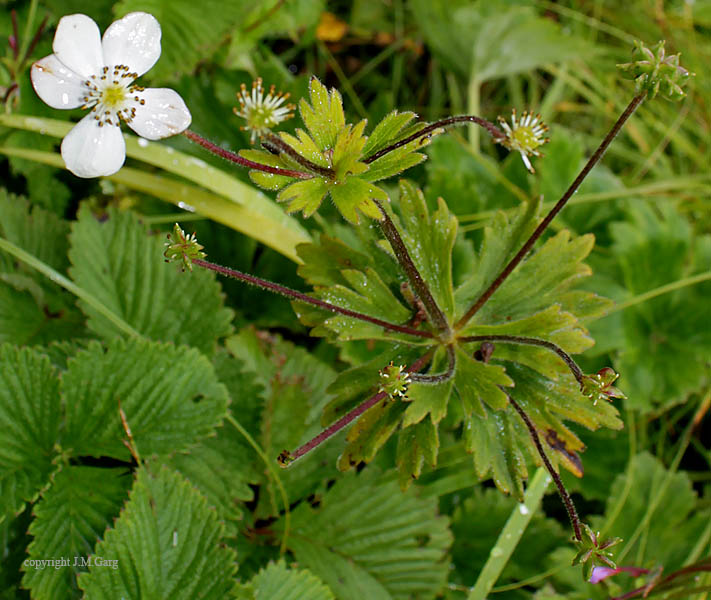
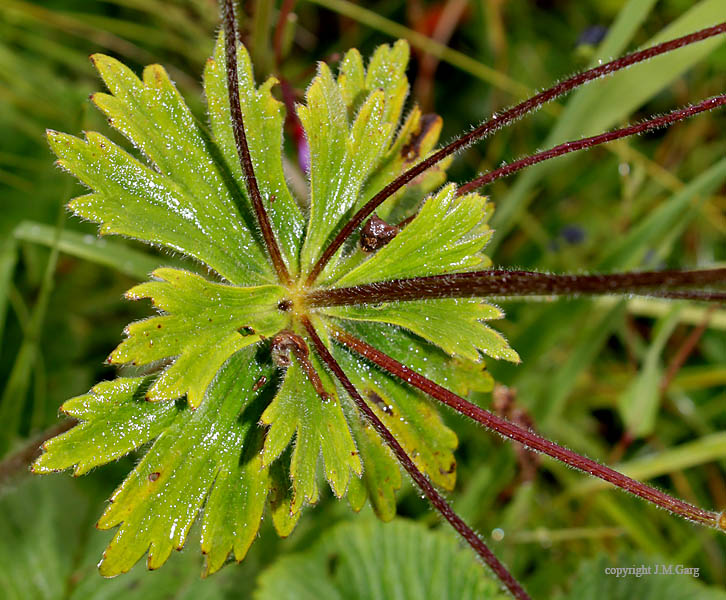
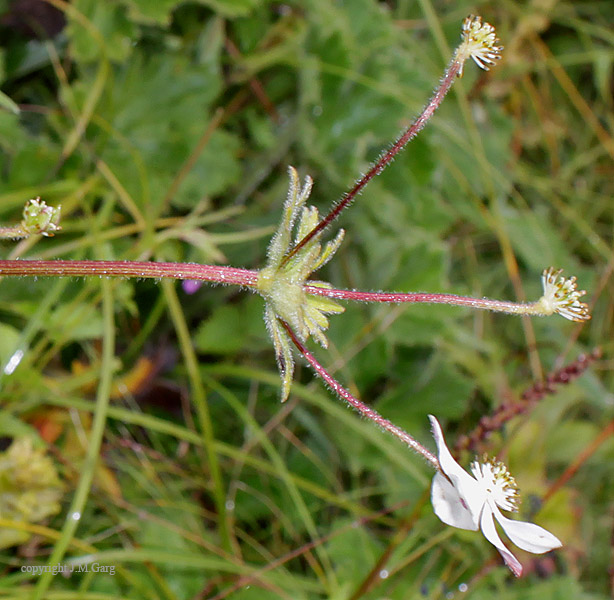
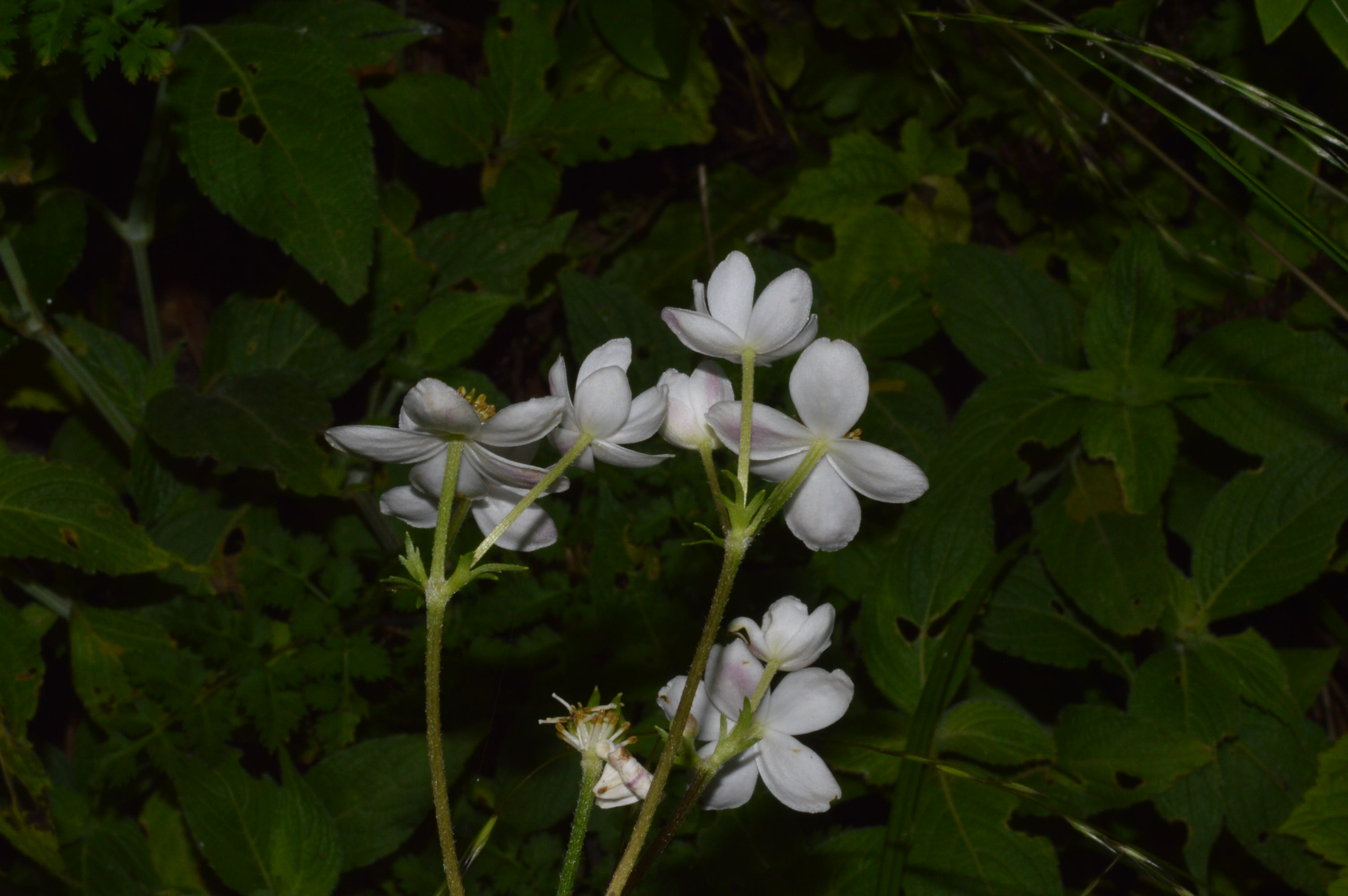
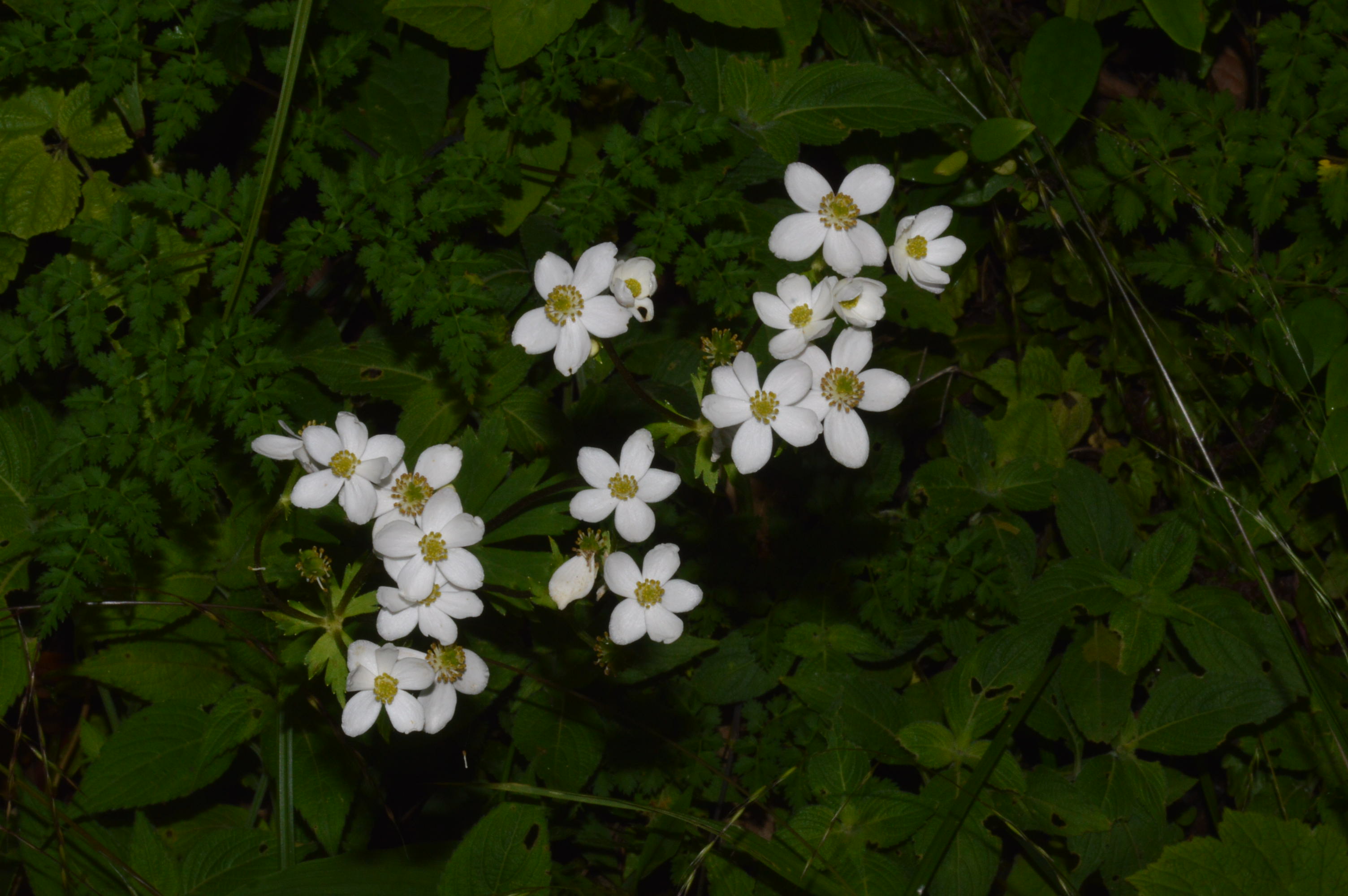
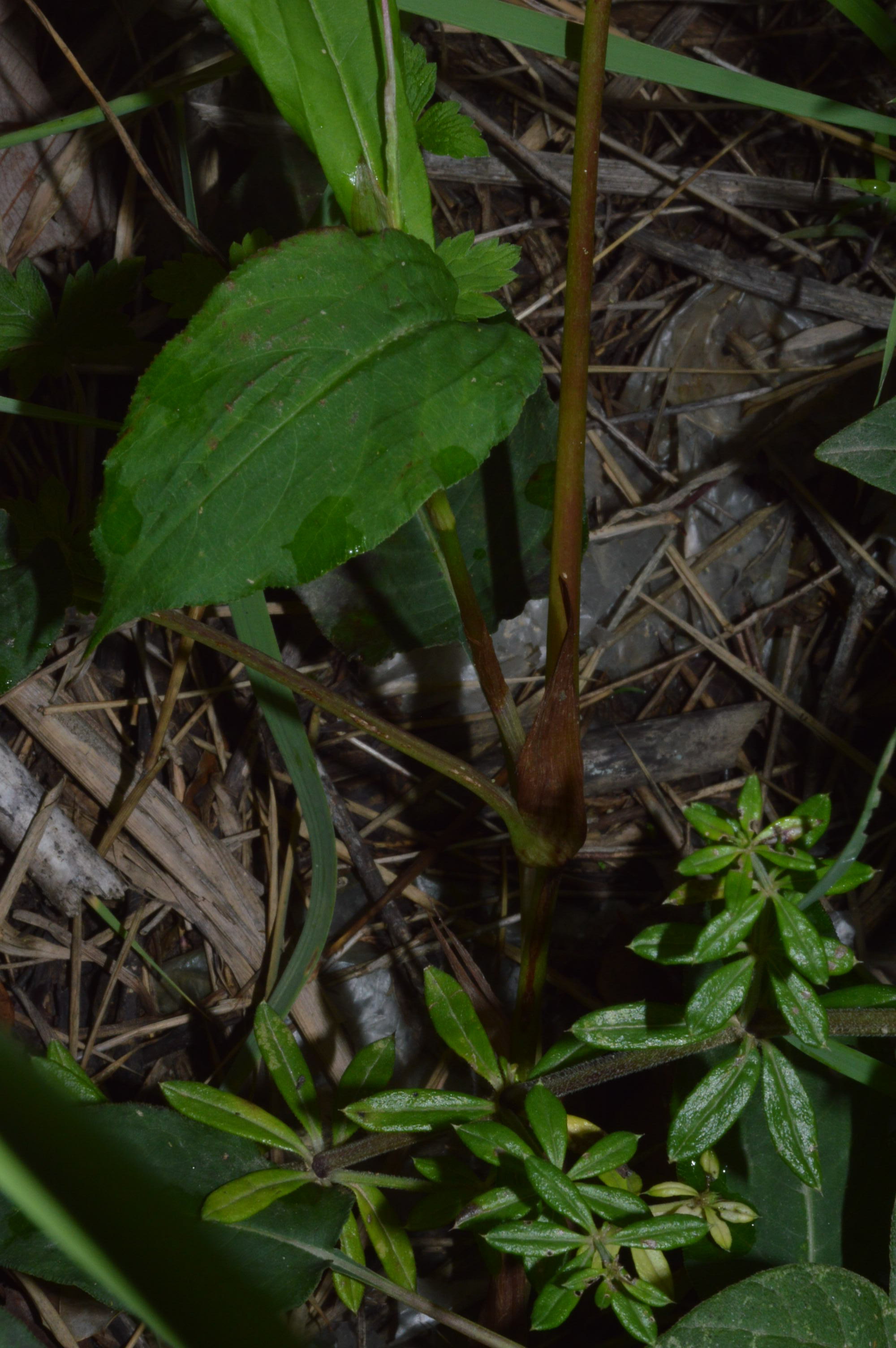
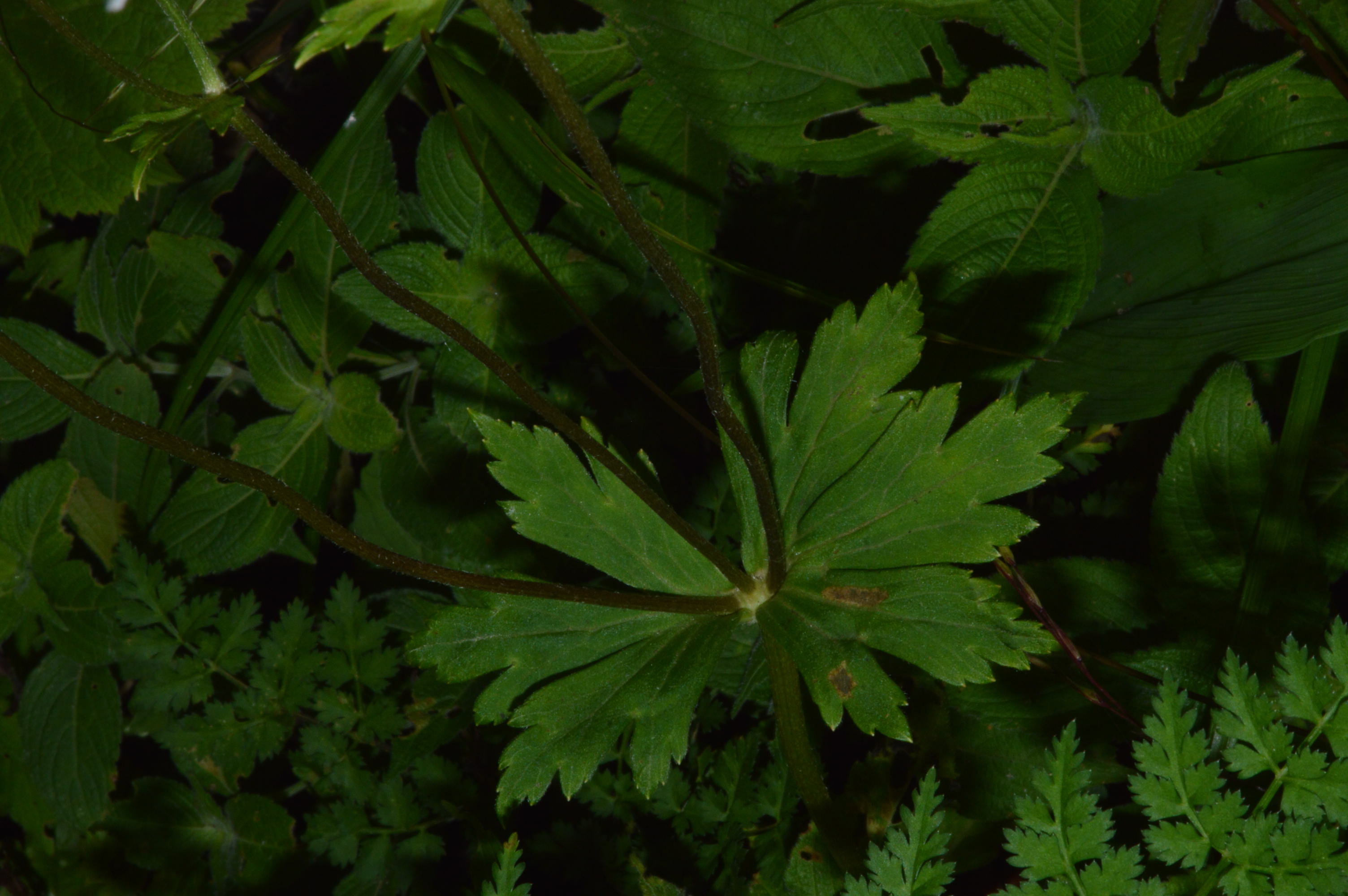
Anemonastrum elongatum (D. Don) Holub, Folia Geobot. Phytotax. 8: 165 1973. (syn: Anemone elongata D. Don; Anemone rivularis Wall. (ambiguous synonym));
Flora of Uttarakhand- Anemone obtusiloba ?: – Not A. obtusiloba atleast. It is much taller plant – More likely Anemone tetrasepala Nice pictures … Agree with Sir, matches well with Anemone tetrasepala as in Polunin & Stainton. Further to my posting about confusion between Anemone polyanthes and A.tetrasepala, have decided to look at Anemone postings.
These images do not fit what I understand to be Anemone obtusiloba.
I do NOT consider they are A.tetrasepala either. Furthermore, A.tetrasepala is only recorded from Afghanistan to H.P., so a record from Uttarakhand would be surprising.
Anemone tetrasepala is NOT mentioned in ‘The Valley of Flowers’ book – though it mentions both A.polyanthes and A.narcissiflora.
Next comes Anemone polyanthes – which is recorded from VoF but I cannot say it matches this well either.
At present then, I am unsure. Will need to look into this further. MOST of the images I see of A.tetrasepala on google are probably A. polyanthes! ANOTHER MUDDLE….. I think it is closer to Anemonastrum tetrasepalum (Royle) Holub (syn: Anemone tetrasepala Royle) as per details and references herein and as per keys in Flora of Pakistan & FOP illustration There are two closely related species in our area: Anemonastrum tetrasepalum (Royle) Holub (syn: Anemone tetrasepala Royle) (Distribution given in J&K only in our area) and Anemone elongata. Keys between them is given below from Flora of China:
Keys point out towards this plant being Anemone elongata. I further checked with GBIF & description in Flora of China and as per high resolution specimens as below: In view I think the posted plant should be of Anemone elongata.
High resolution specimens of Anemonastrum tetrasepalum (Royle) Holub (syn: Anemone tetrasepala Royle) look different in GBIF .
SK2063 20 July 2019 : 8 posts by 2 authors. 5 correct images except 1st image– around 600 kb each. Location: Phulchoki, Lalitpur
Date: 3 July 2019
Elevation: 2415 m.
Habit : Wild
Anemone rivularis Buch.-Ham. ex DC. ??
Please ignore image 1. May be as per Anemone rivularis. But typical purple colouration is missing.
Anemonastrum elongatum (D.Don) Holub ??
Syn : Anemone elongata D.Don
There are two closely related species in our area: Anemonastrum tetrasepalum (Royle) Holub (syn: Anemone tetrasepala Royle) (Distribution given in J&K only in our area) and Anemone elongata. Keys between them is given below from Flora of China:
Keys point out towards this plant being Anemone elongata. I further checked with GBIF & description in Flora of China and as per high resolution specimens as below: In view I think the posted plant should be of Anemone elongata.
I also find abstract of one paper:
Exclusion of Anemone tetrasepala (Ranunculaceae) from the flora of China (Abstract- We demonstrate that all the Xizang (Tibet) specimens previously identified as Anemone tetrasepala (Ranunculaceae) actually belong to A. elongata, a species distributed in east Himalaya. Anemone tetrasepala is not known to occur in China, but is confined to north-west Himalaya only). So we take it as Anemonastrum elongatum (D. Don) Holub ??
Nepali Name: धनेरो Dhanero/ रतन जोत Ratan Jot/ सेतो बिख Seto Bikh
Yes. I think so.
.
Anemonastrum elongatum- Amarnath Yatra: 9 images.
This herb was seen alongside the trek at around 11500 ft. elevation near Nagakoti, while trekking from Pissu Top (11,800 ft.) to Seshnag Camp (12,000 ft.). |
Anemonastrum elongatum


Updated on August 24, 2026