
|
Juncus effusus L., Sp. Pl. 326 1753. (syn: Juncus bogotensis Kunth; Juncus bogotensis var. compactus (Hoppe ex Mert. & W. D. J. Koch) Farw.; Juncus communis E. Mey.; Juncus communis subsp. effusus (L.) Celak.; Juncus communis var. parviflorus Rouy; Juncus conglomeratus var. effusus (L.) Kostel.; Juncus conglomeratus subsp. laxus G. Mey.; Juncus effusus subsp. atratus Asch. & Graebn.; Juncus effusus var. compactus (Hoppe ex Mert. & W. D. J. Koch) Lej. & Courtois; Juncus effusus subsp. compactus Cout.; Juncus effusus subsp. compactus Hoppe ex Mert. & W. D. J. Koch; Juncus effusus var. dasyanthelus K. Koch; Juncus effusus var. elatus (Asch. & Graebn.) I. Grint.; Juncus effusus subsp. elatus Asch. & Graebn.; Juncus effusus var. fistulosus (Guss.) Buch.; Juncus effusus subsp. fistulosus (Guss.) Richt.; Juncus effusus var. longibracteatus A. Fern. & R. Fern.; Juncus effusus var. macranthelus K. Koch; Juncus effusus subsp. pauciflorus (Lej. & Courtois) Asch. & Graebn.; Juncus effusus subsp. pauciflorus (Lej. & Courtois) Reichg.; Juncus effusus var. pauciflorus Lej. & Courtois; Juncus effusus f. prolifer (Sond.) Hegi; Juncus effusus var. subglomeratus DC.; Juncus effusus f. zebrinus (André) Hegi; Juncus fistulosus Guss.; Juncus laevis Wallr.; Juncus laevis var. diffusus Wallr.; Juncus laevis var. effusus (L.) Wallr.; Juncus lucens Burnham; Juncus luxurians Colenso; Juncus mauritianus Boj.; Juncus zebrinus Hort. Angl. ex Andre);
.
Albania, Austria, Belgium, England, Bulgaria, Corsica, Crete, Czech Republic, Slovakia, Denmark, Faeroe Isl., Finland, France, Germany, Greece, Ireland, Switzerland, Netherlands, Andorra, Spain, Hungary, Italy, Bosnia & Hercegovina, Serbia & Kosovo, Montenegro, Macedonia, Slovenia, Croatia, Portugal, Malta, Norway, Poland, Romania, Sardinia, Sicily, Sweden, Algeria, Morocco, Tunisia, Azores (Santa Maria Isl., Sao Miguel Isl., Terceira, Graciosa, Sao Jorge, Pico, Faial, Flores Isl., Corvo Isl.), Turkey (E-Anatolia, Inner Anatolia, N-Anatolia, NE-Anatolia, NW-Anatolia: Bithynia, S-Anatolia, SE-Anatolia, W-Anatolia, WN-Anatolia), East Aegaean Isl., European Turkey, Iran (N-Iran), Iraq (NE-Iraq), Lebanon (C-Lebanon, coastal W-Lebanon), Saudi Arabia (Asir), Sinai peninsula (S-Sinai), Syria (C-Syrian Desert), Afghanistan (Laghman), ?Ethiopia, Java, India, Indonesia, peninsular Malaysia, Nepal, Sikkim, Sri Lanka, Darjeeling, Thailand, Vietnam, Sumatra, Borneo, Philippines (Luzon, Mindanao), New Guinea, Crimea, Estonia, Latvia, Lithuania, C-, E-, N- & W-European Russia, Kazakhstan, Belarus, Ukraine, Northern Caucasus, Armenia, Azerbaijan, Georgia [Caucasus], Siberia (W-Siberia), China (Heilongjiang, Jilin, Liaoning, Hebei, Shanxi, Gansu, Shandong, Jiangxi, Anhui, Zhejiang, Jiangsu, Fujian, Henan, Hubei, Hunan, Guangdong, Guangxi, Sichuan,
Guizhou, Yunnan), Taiwan, Tibet, Peru, Ecuador, Lesser Antilles (Guadeloupe), Haiti, Argentina (Catamarca, Rio Negro, Salta, Tierra del Fuego, Tucuman), S-Brazil (Parana, Rio Grande do Sul, Santa Catarina), Chile (Maule, Bio Bio, Araucania, Los Lagos, Aisen), Uruguay (Cerro Largo), Venezuela (Aragua, Barinas, Distrito Federal, Lara, Merida, Miranda, Tachira, Trujillo, Zulia), Colombia (Antioquia, Boyac, Caldas, Cauca, Cundinamarca, Huila, La Guajira, Magdalena, Nario, Norte de Santander, Putumayo, Quindo, Risaralda, Santander, Tolima), Bolivia (Cochabamba, La Paz, Santa Cruz, Tarija), SE-Brazil, Costa Rica, Nicaragua, Mexico (Aguascalientes, Baja California Norte, Chiapas, Chihuahua, Colima, Ciudad de Mexico, Durango, Guanajuato, Guerrero, Hidalgo, Jalisco, Mexico State, Michoacan, Morelos, Oaxaca, Puebla, Queretaro, San Luis Potosi, Sinaloa, Tlaxcala, Veracruz, Zacatecas), Guatemala, Honduras, El Salvador, Marion Isl., Auckland Isl. (I), Falkland Isl. (I), Tristan da Cunha (I), Hawaii (I) (Molokai (I), Maui (I), Hawaii Isl. (I)), New Zealand (I), Australia (I) (South Australia (I), Queensland (I), New South Wales (I), Victoria (I), Tasmania (I)), Alaska, USA (Idaho, Maine, Michigan, Minnesota, Oregon, Washington State, Wisconsin), Canada (British Columbia, Manitoba, New Brunswick, Newfoundland, Nova Scotia, Ontario, Prince Edward Isl., Quebec), St. Pierre et Miquelon as per Catalogue of Life; .
Please help to identify : 10 posts by 3 authors. Attachments (1)- 4 mb. Scirpus sp. – Cyperaceae The quality of the picture is not good. It is some species of Juncus. I also feel closer to Juncus species. What are the species reported in your area ?
Mostly Juncus efusus and J. articulatus Out of the two species mentioned, superficially it appears more close to Juncus effusus as per
https://en.wikipedia.org/wiki/Juncus_effusus Looks different from Juncus articulatus as per
https://www.cabi.org/isc/datasheet/115024
Pl. check with other images as details are burnt in this image. Thanks .., i also think close to Juncus effusus. . 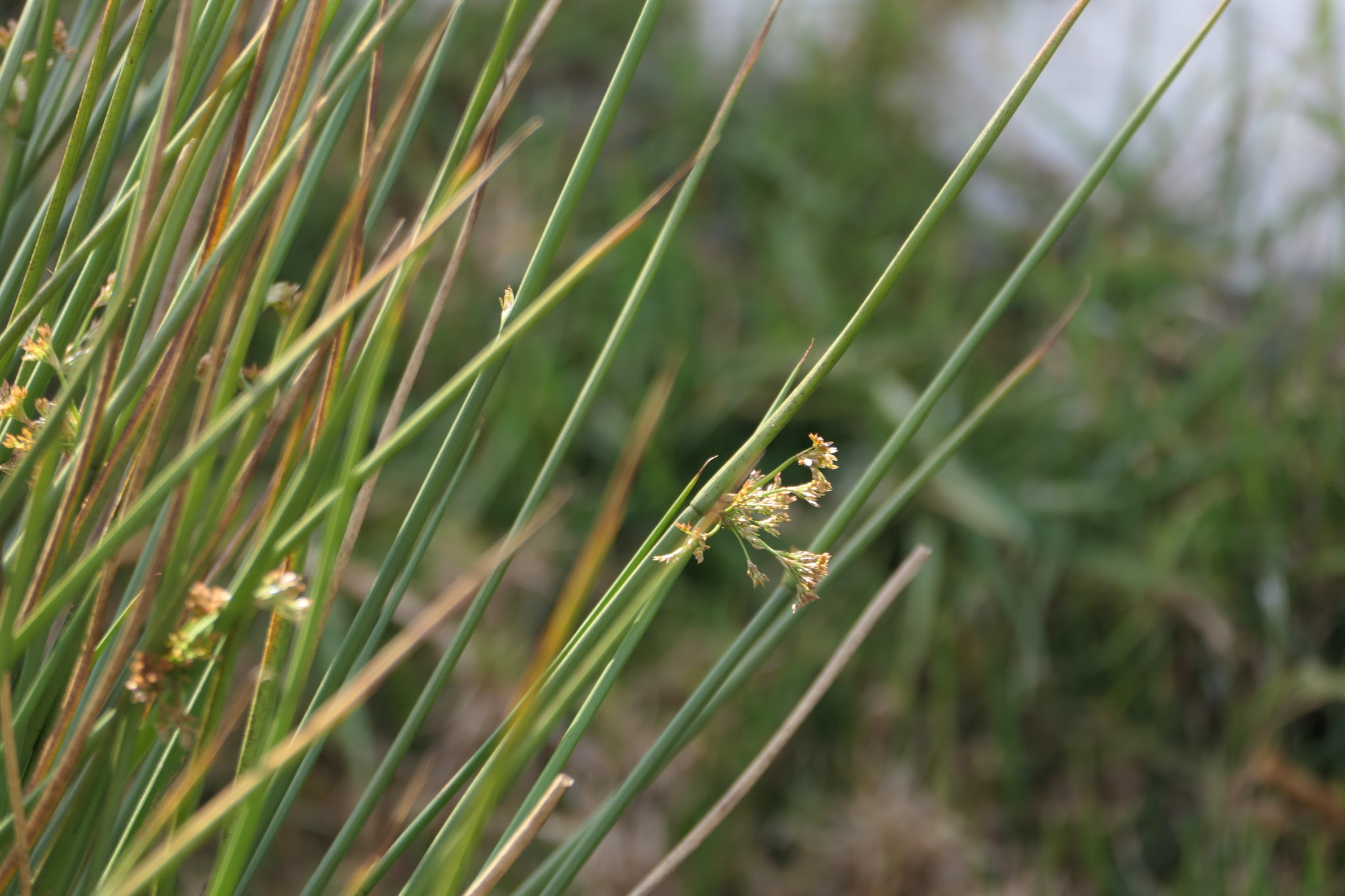 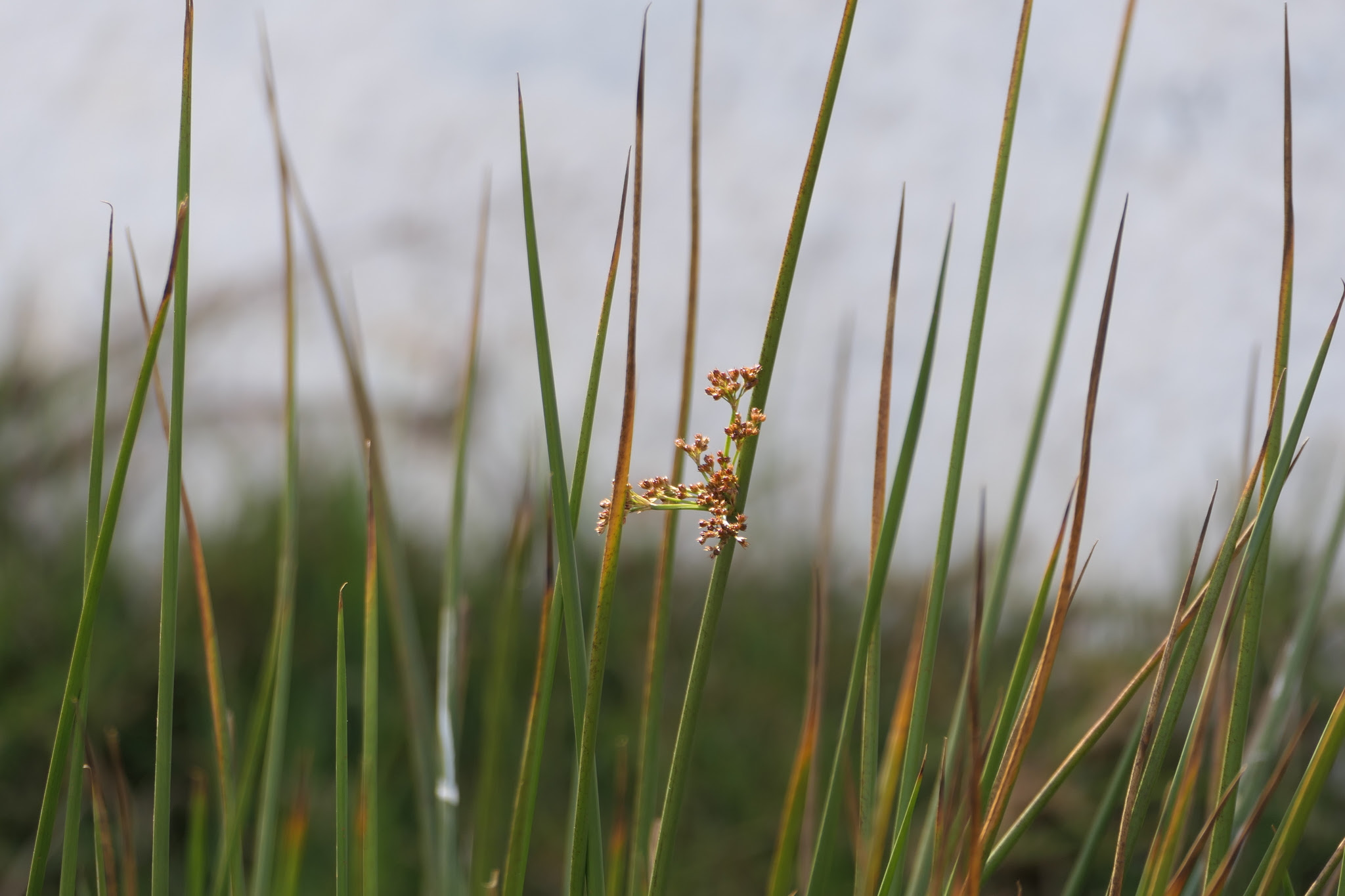 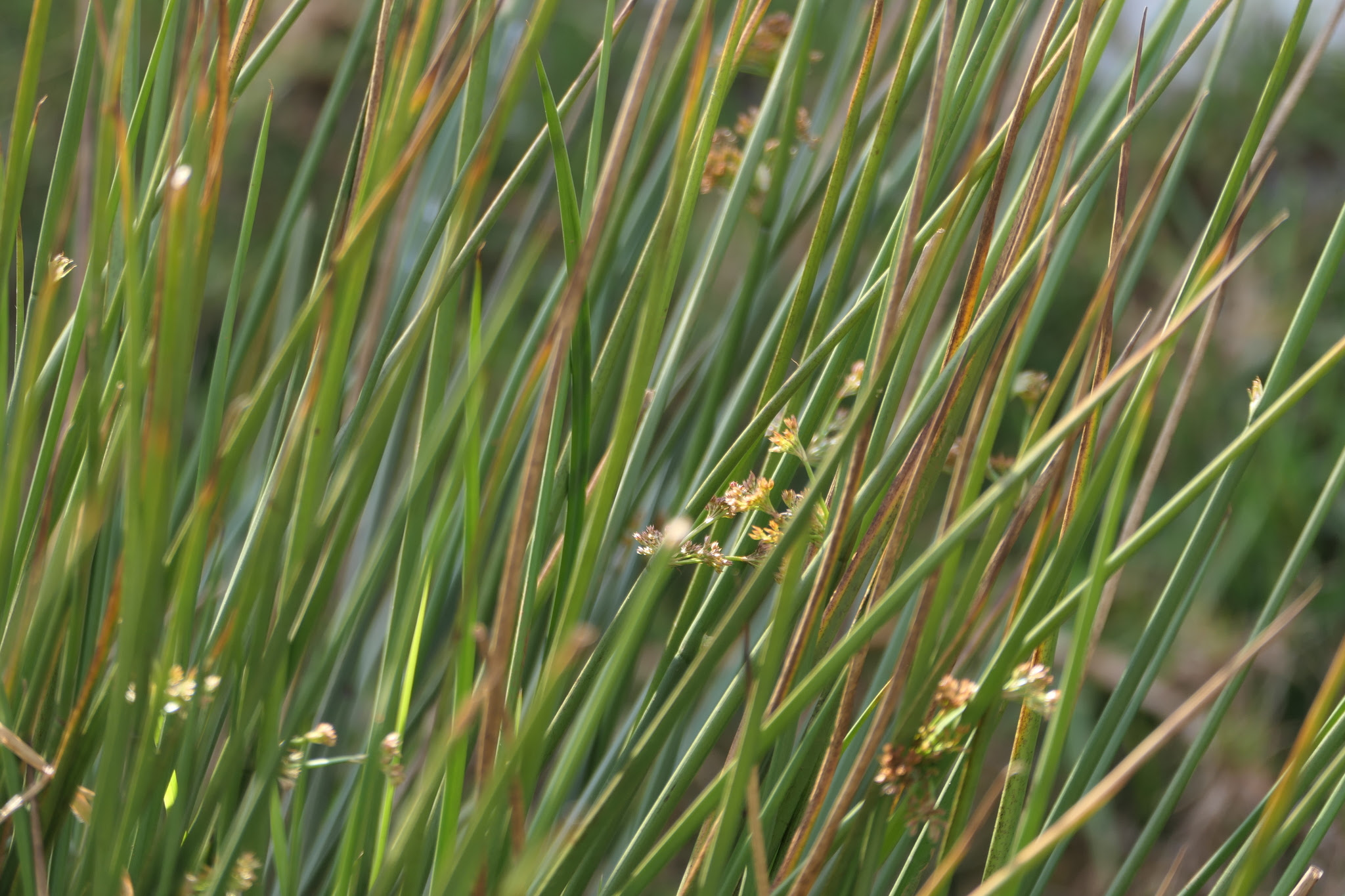 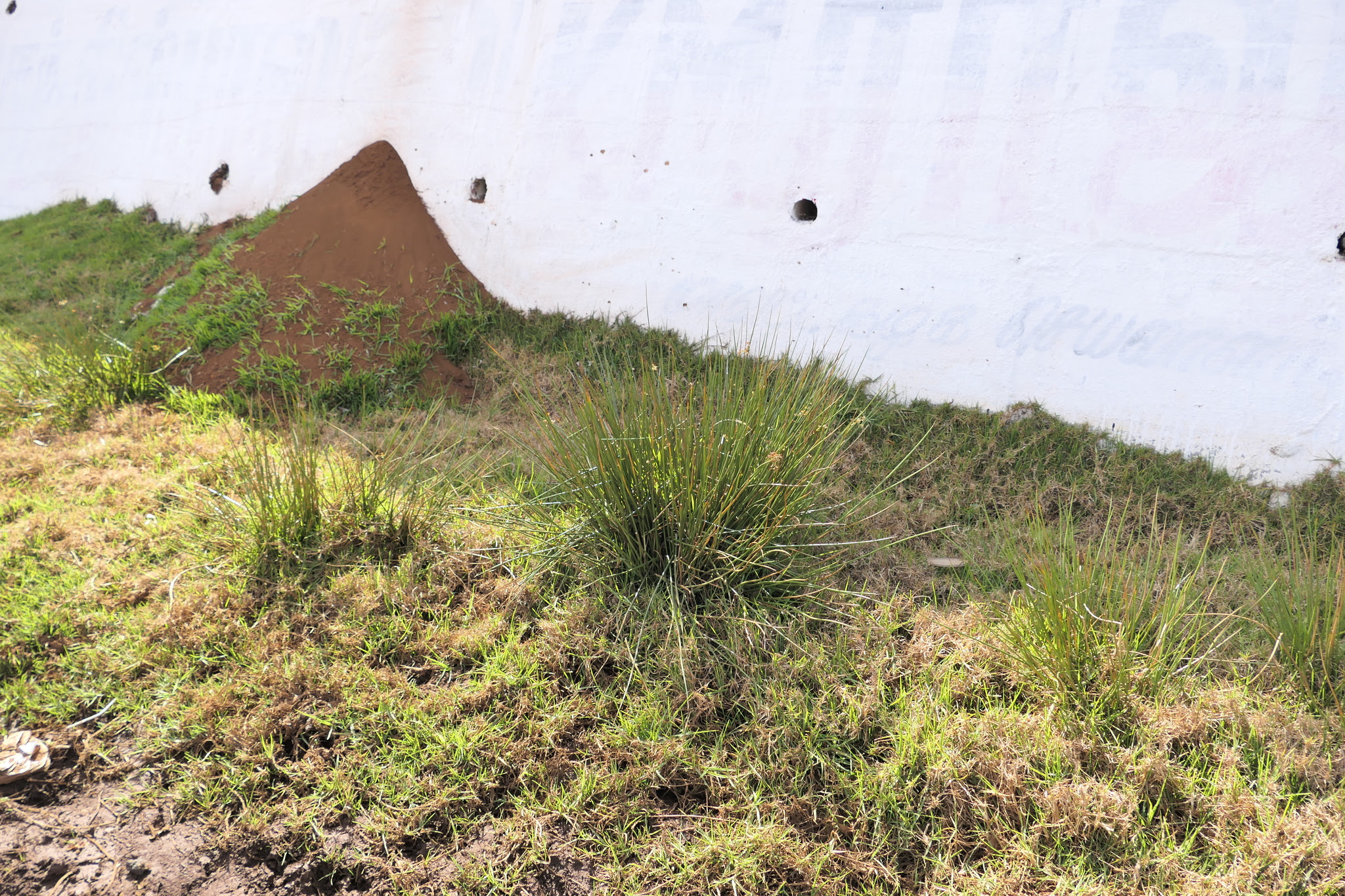 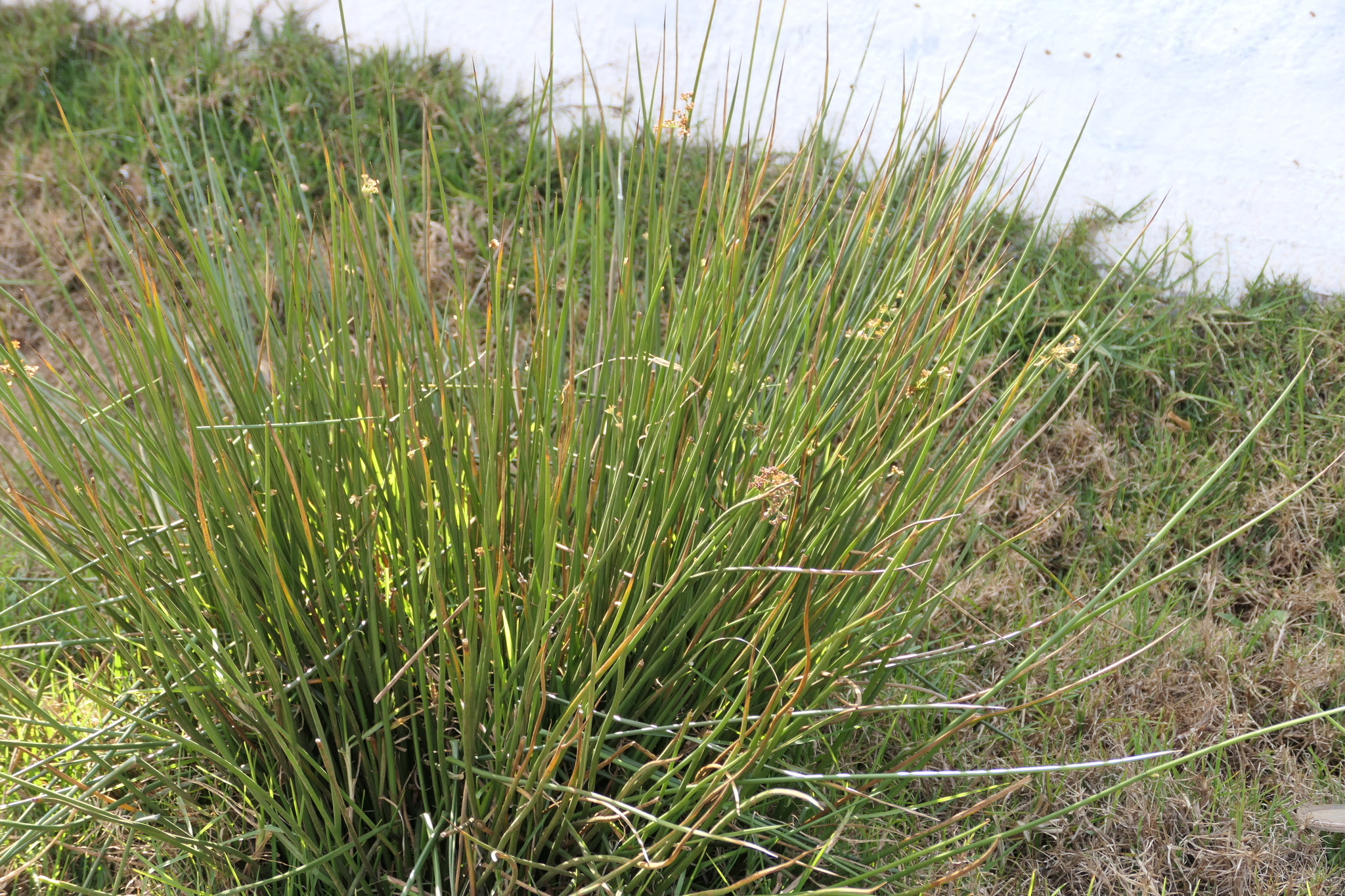 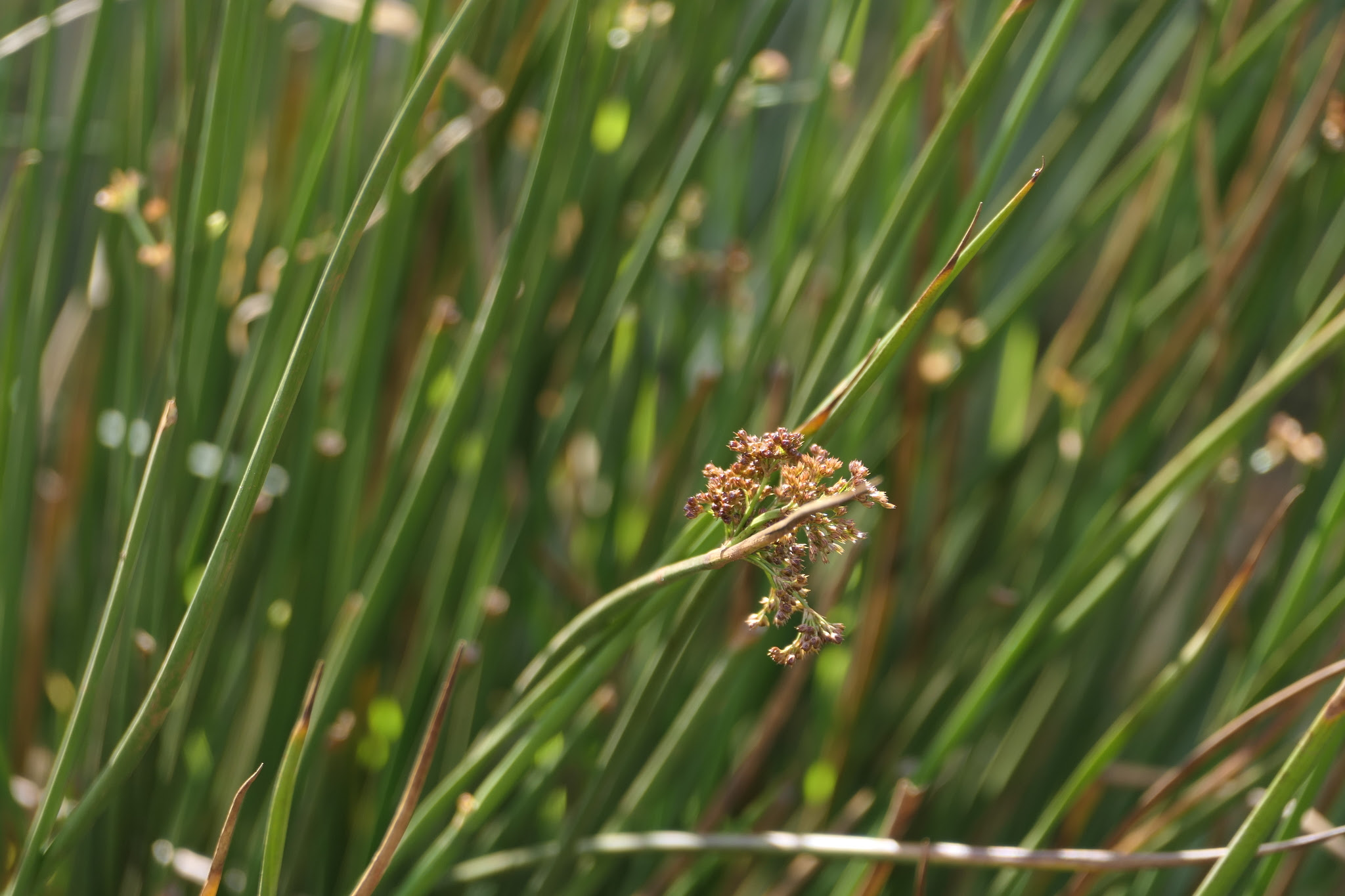 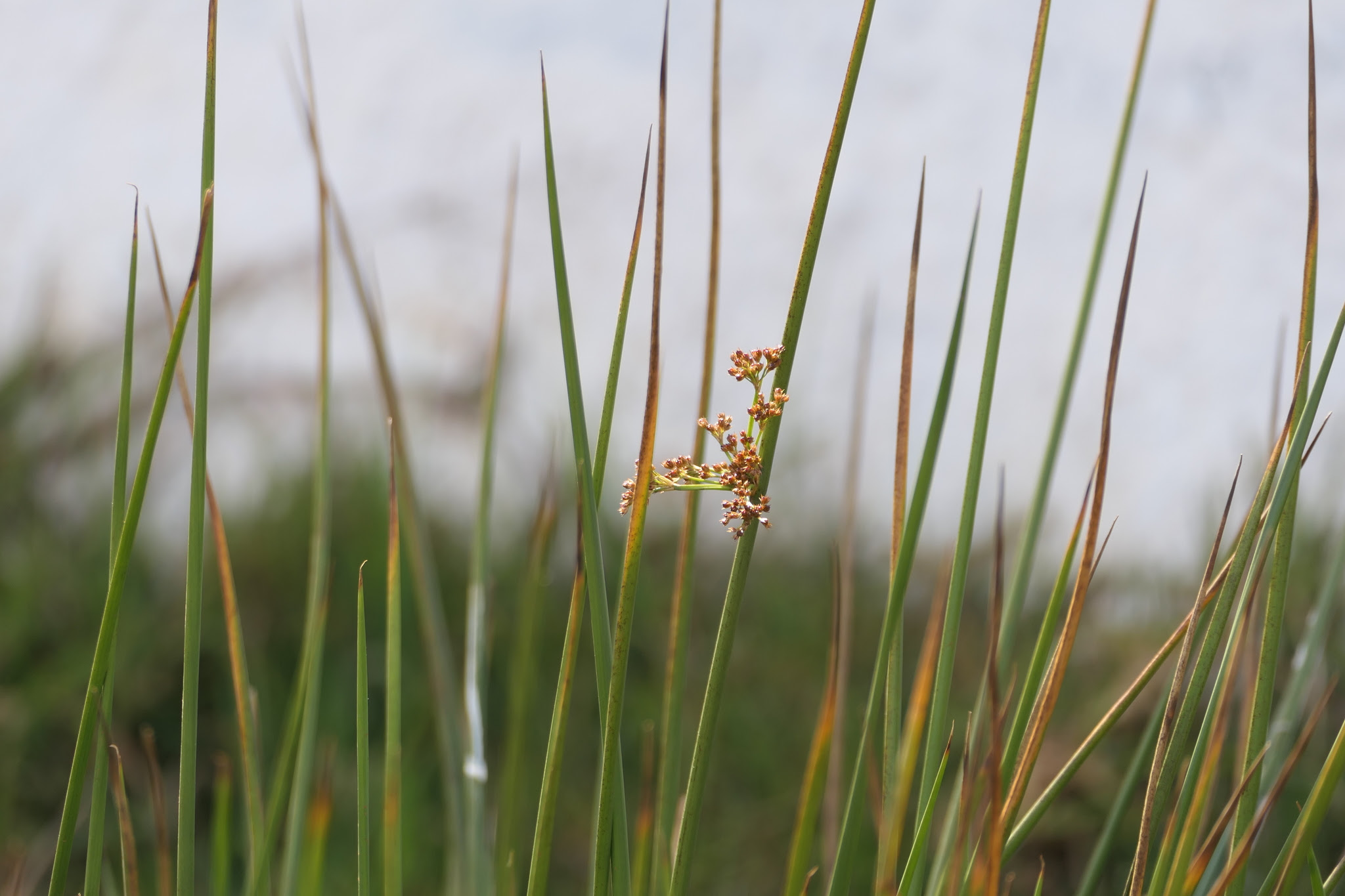 FOR ID :: Sedge :: The Nilgiris :: Jan 28, 2026 · 3:18 PM IST: 7 images. FOR ID ::
Sedge The Nilgiris :: Jan 28, 2026 · 3:18 PM IST
Kodapamund, about 2446 m asl Juncus effusus L. ??
Since I am not good with this family, let us wait for others to comment. I think there are only a few species reported in FoPI at higher elevation.
You may also check these.
Out of the 6 species mentioned in FoIP, the following three are shown distribution at higher elevations as per IFO (with corresponding links from POWO):
Juncus effusus L.: https://indiaflora-ces.iisc.ac.in/herbsheet.php?id=6702&cat=13 https://powo.science.kew.org/taxon/urn:lsid:ipni.org:names:442917-1 Juncus inflexus L.: Juncus prismatocarpus subsp. leschenaultii (J.Gay ex Laharpe) Kirschner Juncus effusus L. and Juncus inflexus L. both appear close.
I checked on the internet about the scope of these species.
Following was the response:
~~~~~~ Since it was a roadside damp patch and the flowers sprouted from the side, you likely saw
Juncus effusus (Common/Soft Rush). In the Nilgiris, this species often colonises the drainage ditches and seepages along roads where water accumulates. The “side-flowering” look is actually an optical illusion: the stem technically ends at the flower cluster, but a single, sharp bract continues upward, looking exactly like a continuation of the stem.
Another (though less likely) possibility for that specific “side-sprouting” look in the Nilgiris is Juncus inflexus (Hard Rush). You can tell them apart by the stem texture:
Given your “bouquet” description and the 2-foot height, Juncus effusus is the most frequent roadside resident in that area.
~~~~
If the stems look
smooth in your photo, that clinches the identification as Juncus effusus (Common or Soft Rush). The “side-sprouting” flowers you saw are its most famous identifying feature. While it looks like the flowers are popping out of the side of the stem, the part of the plant above the flower is actually a bract (a modified leaf) that mimics the stem perfectly to protect the developing seeds.
~~~~~~~ …, for now, I am labelling my posted plant as Juncus effusus L.
, References: Catalogue of Life WCSP The Plant List Ver.1.1 POWO IPNI GBIF (High resolution specimens) India Biodiversity Portal Kerala plants |
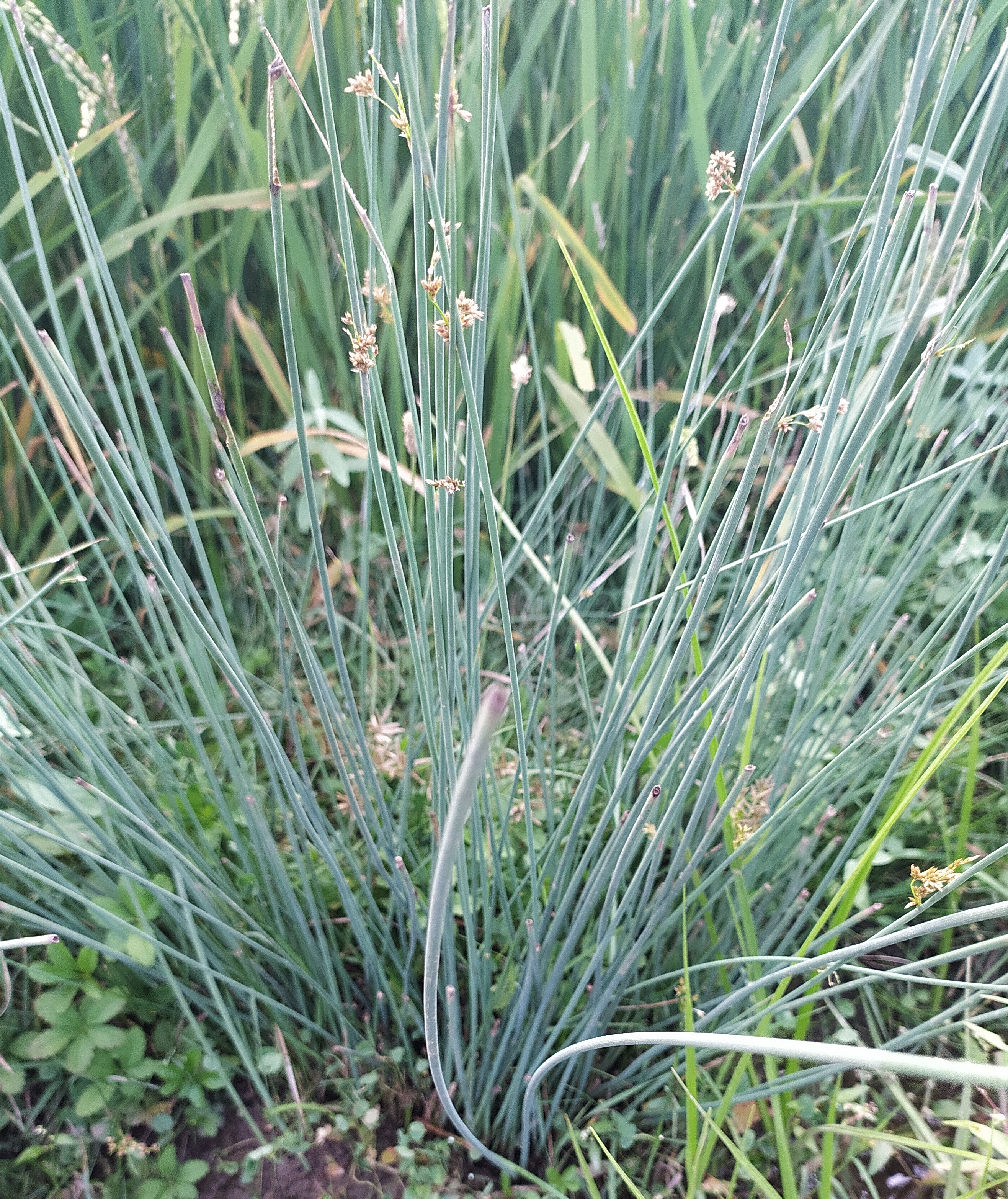
Juncus effusus
Updated on April 3, 2026