
|
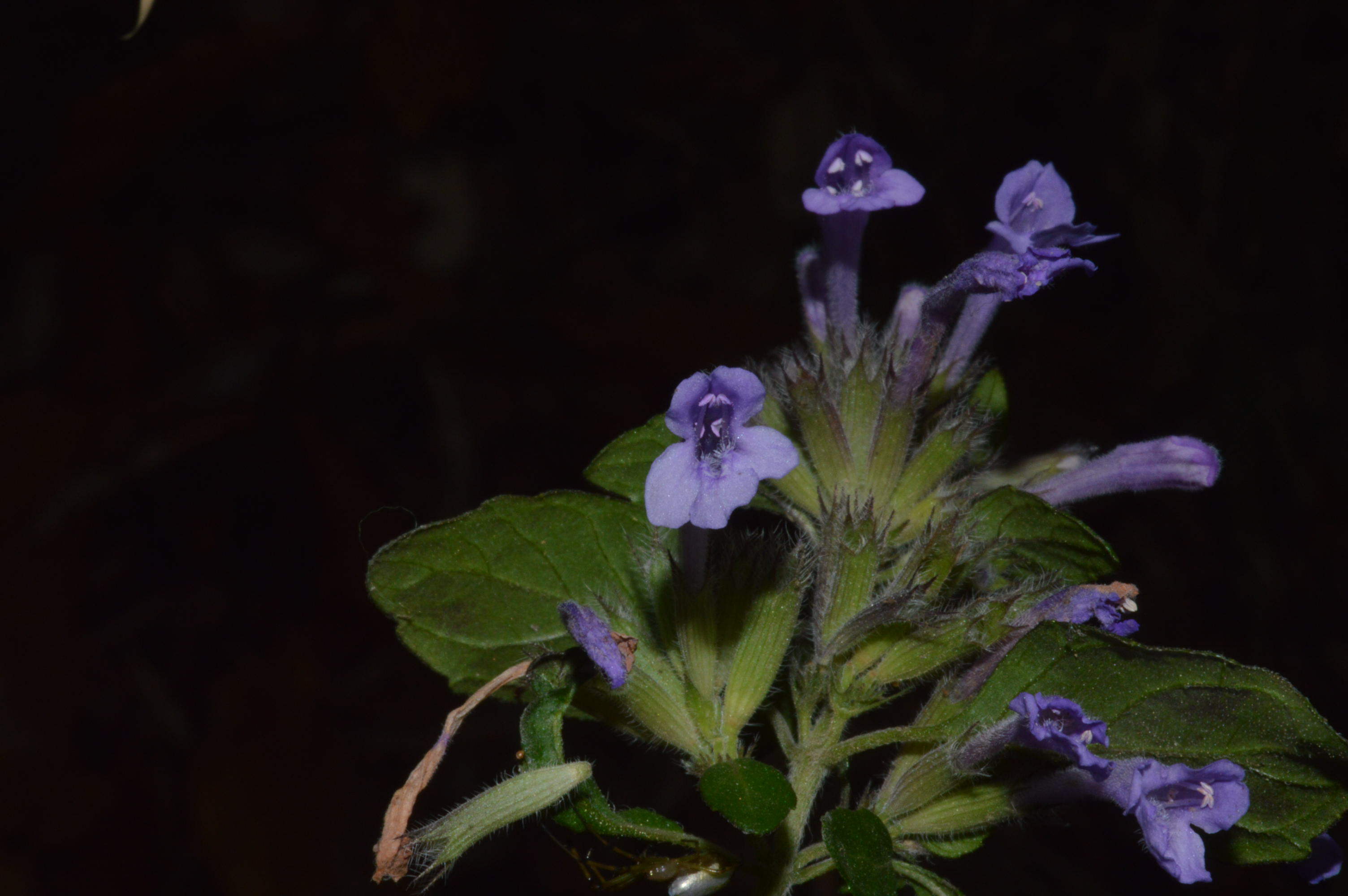
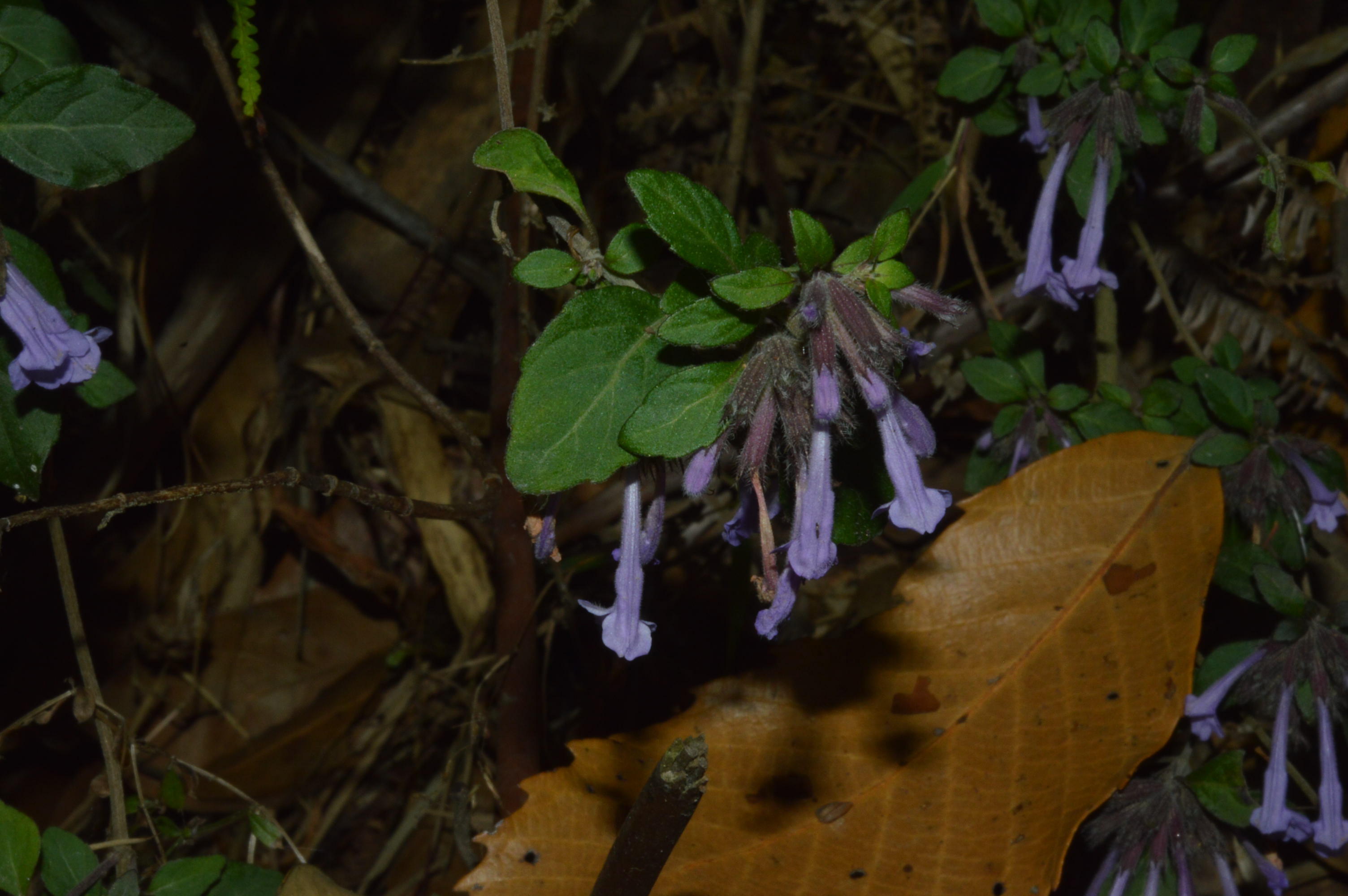
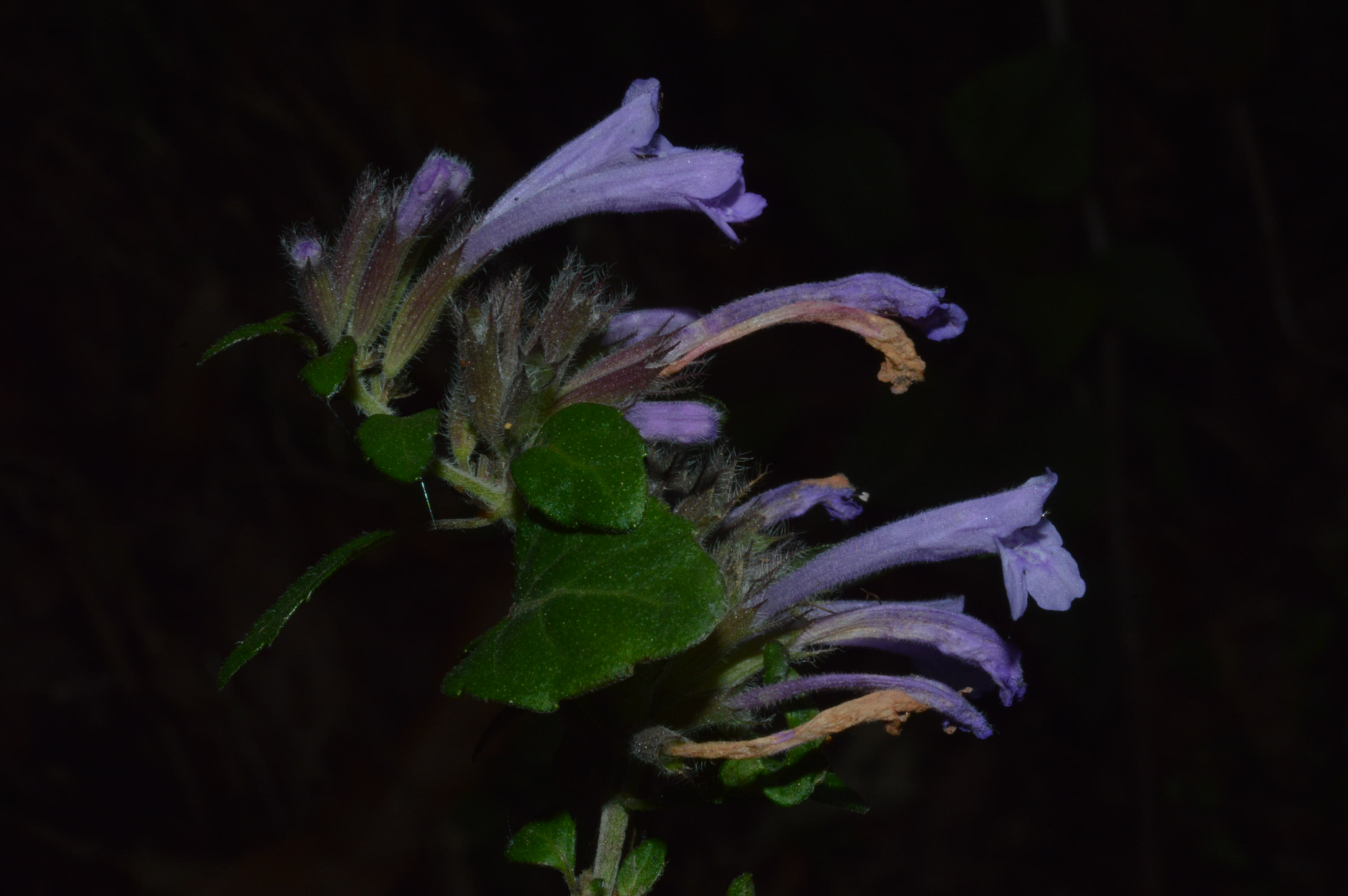
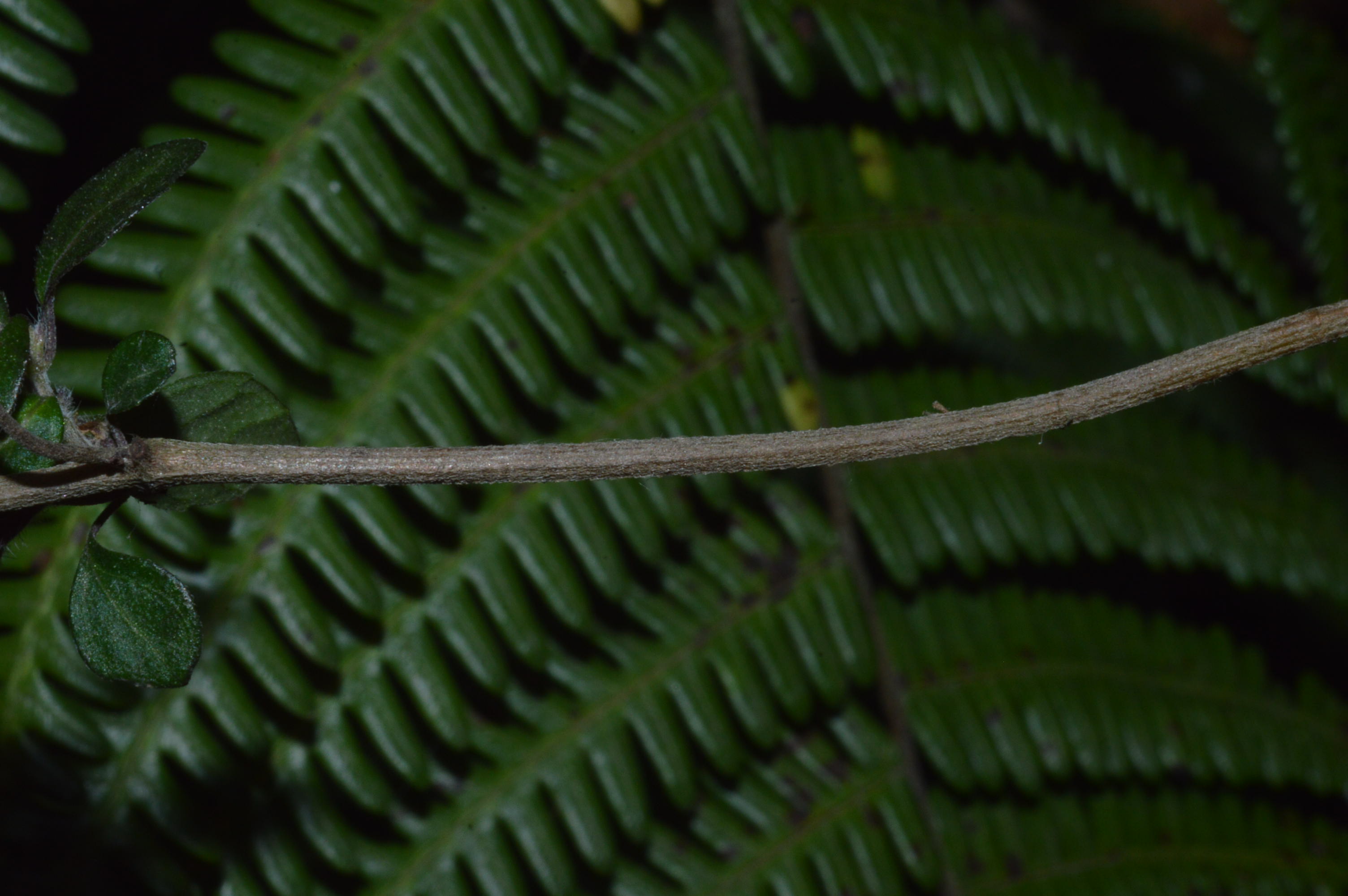
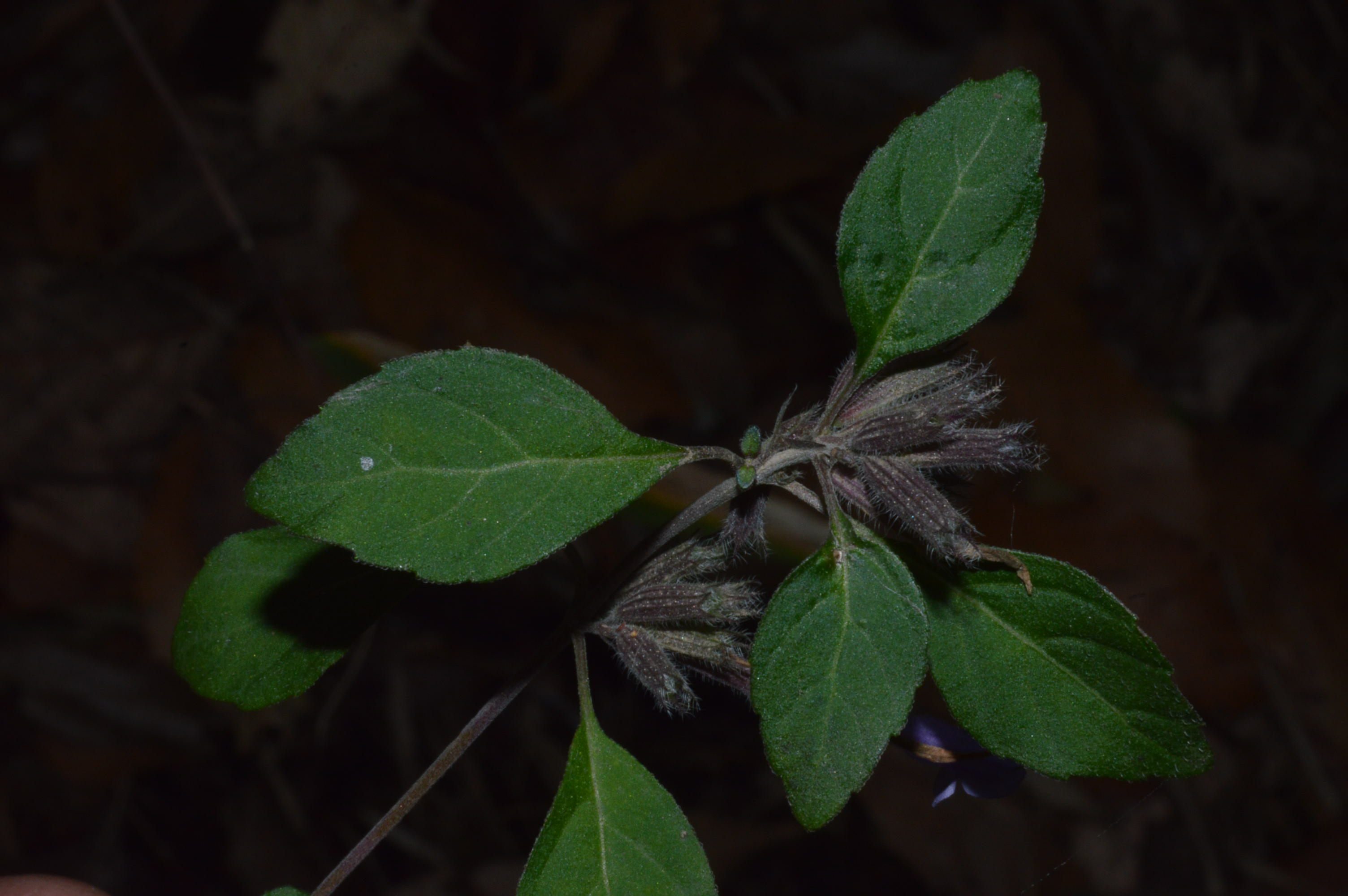
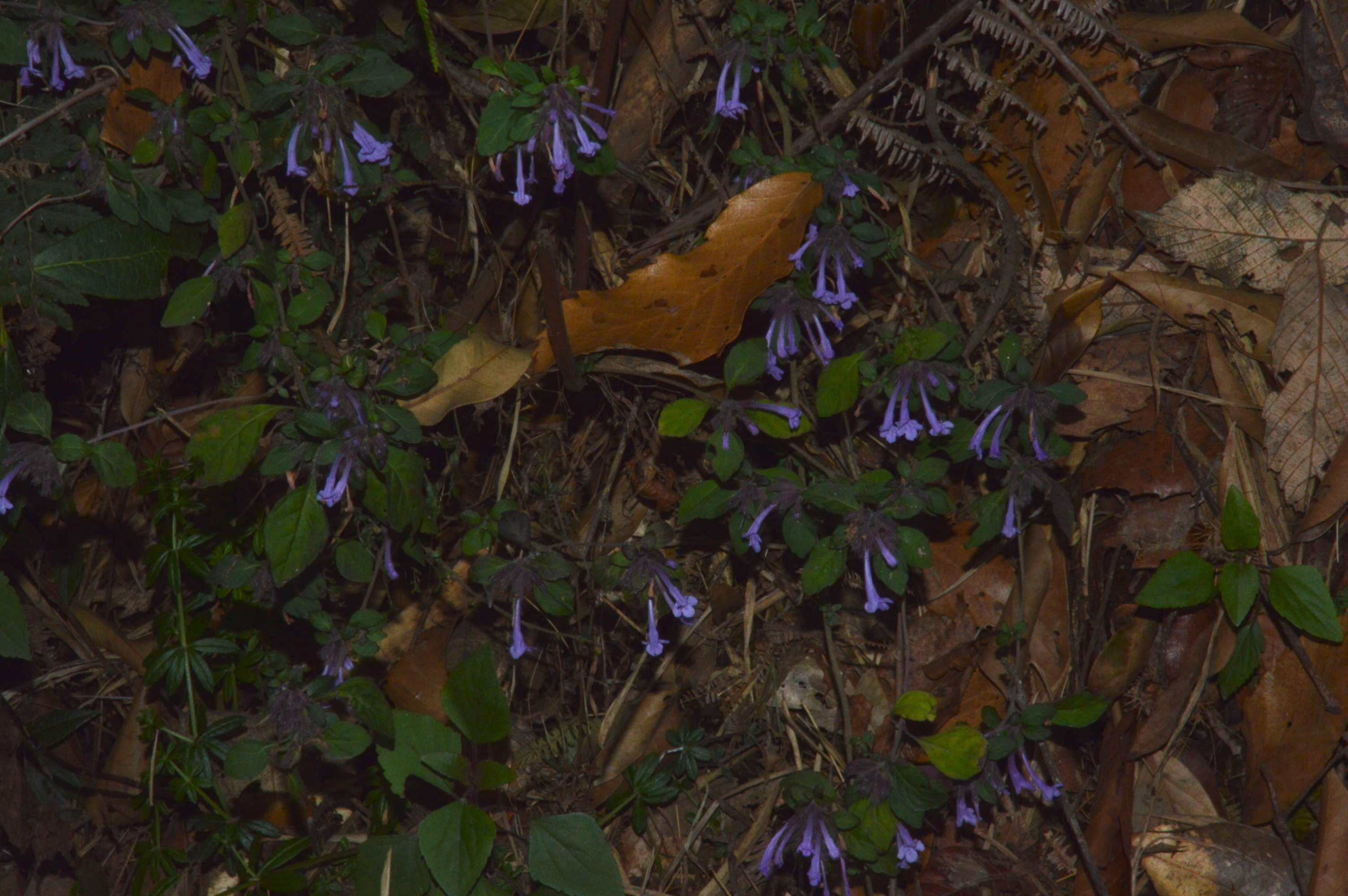
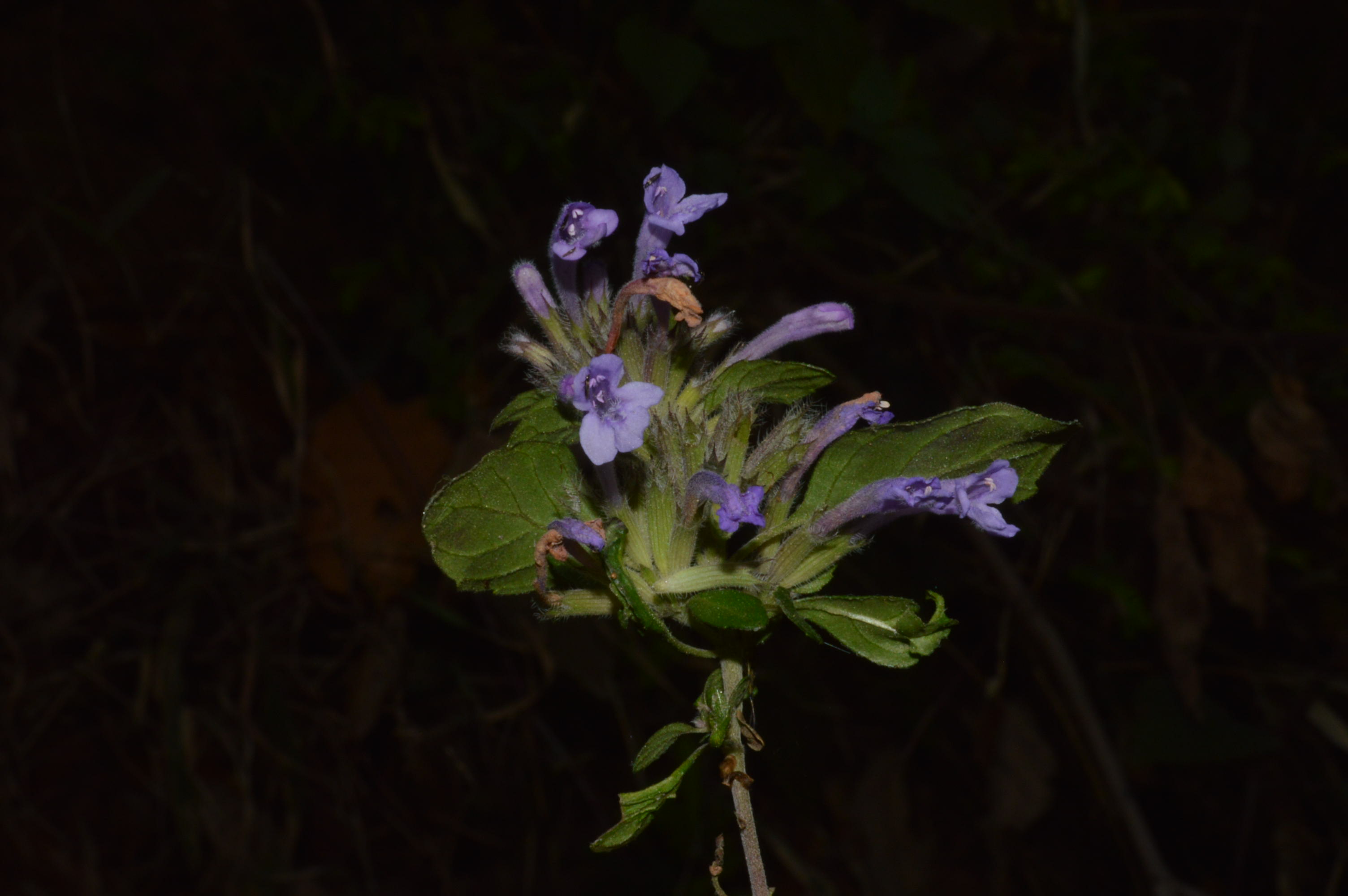
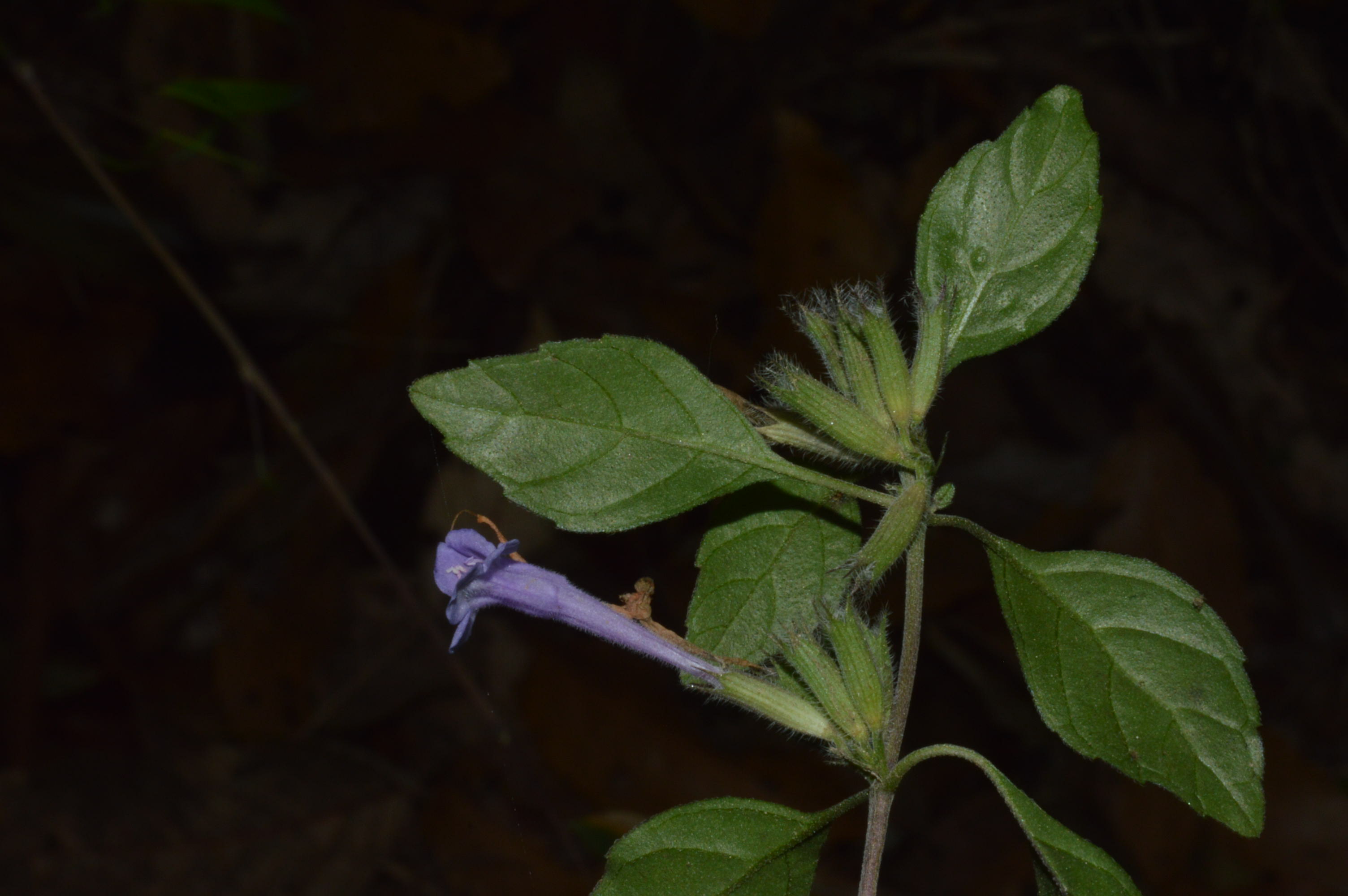
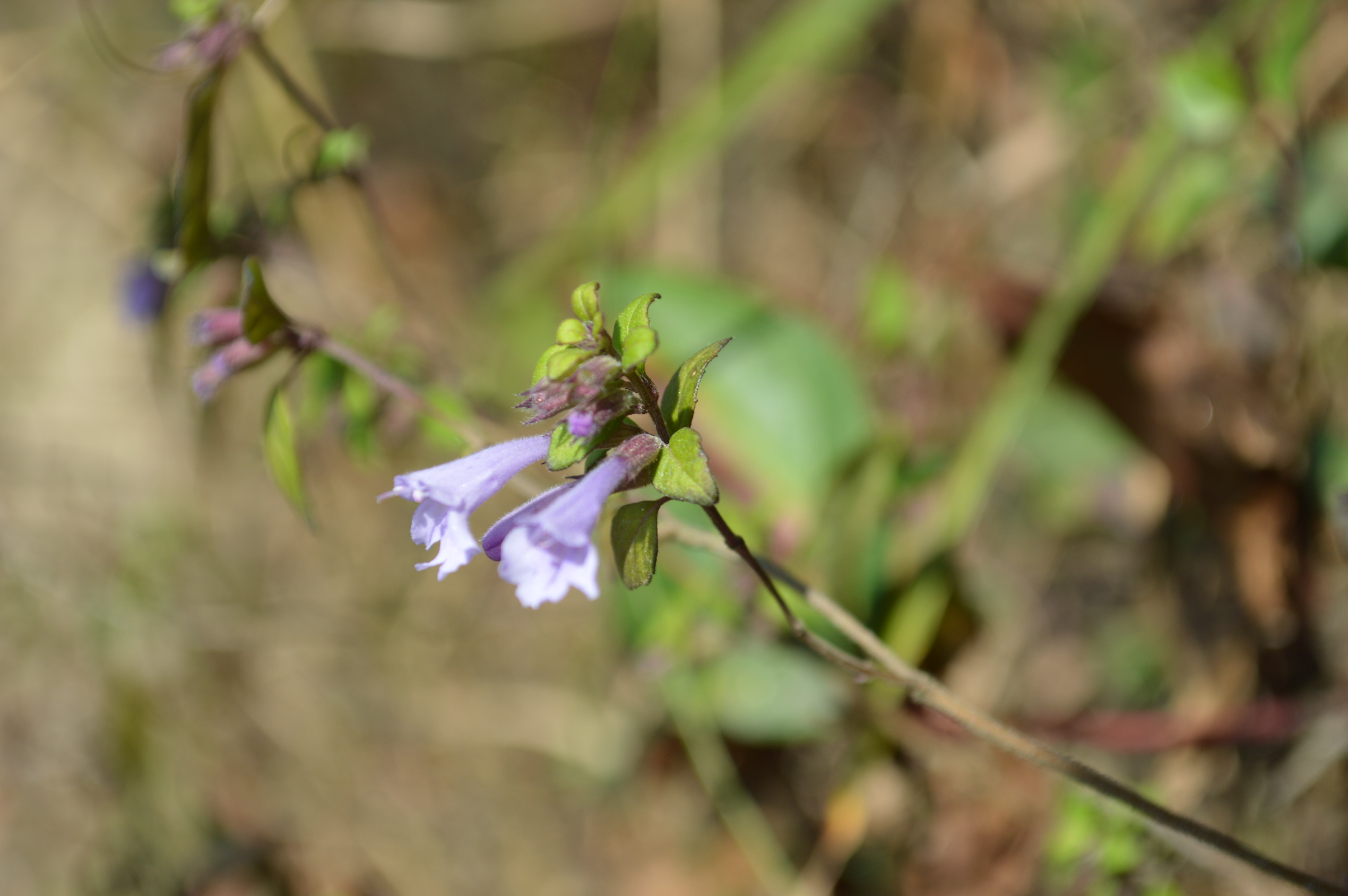
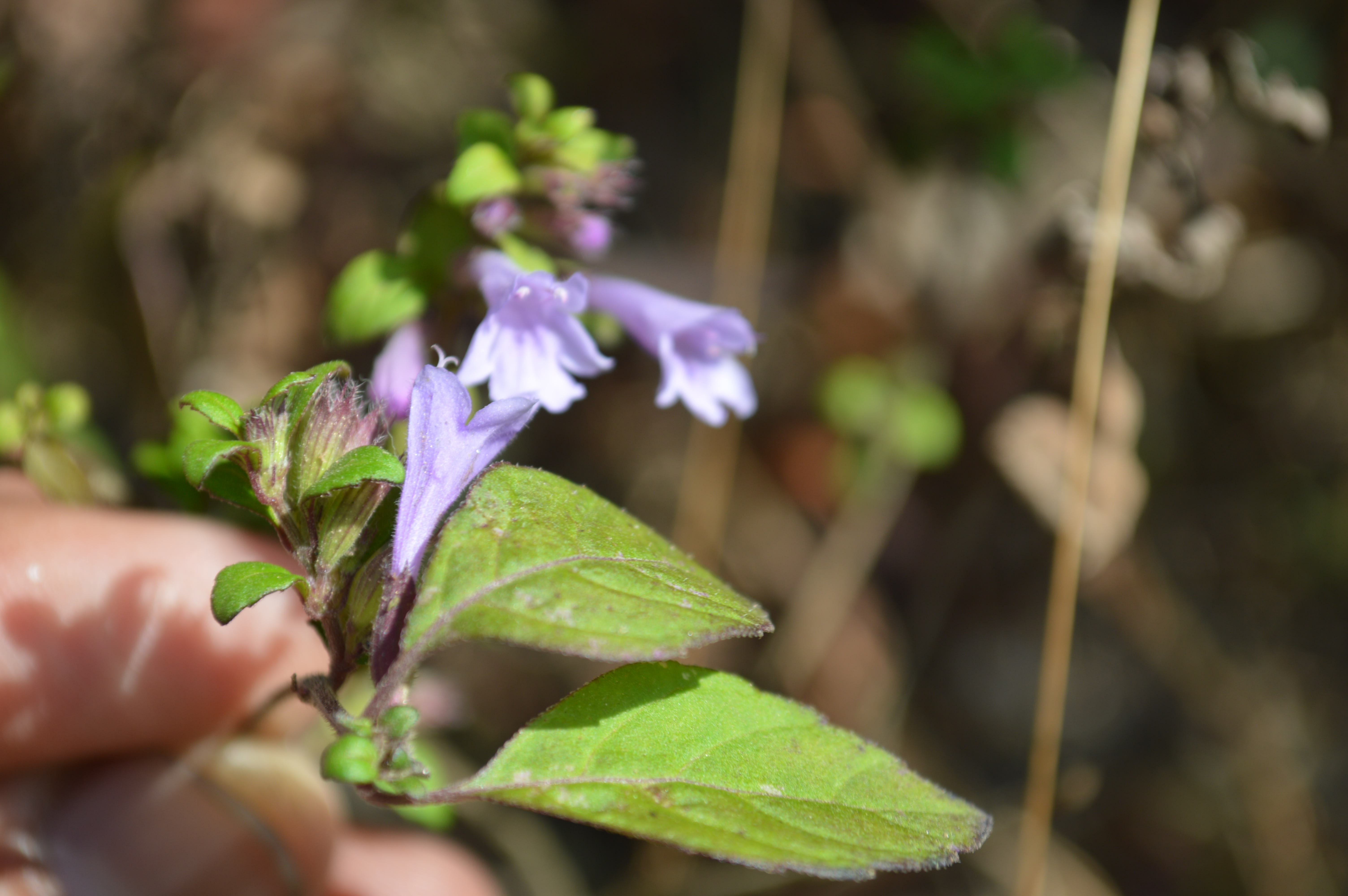
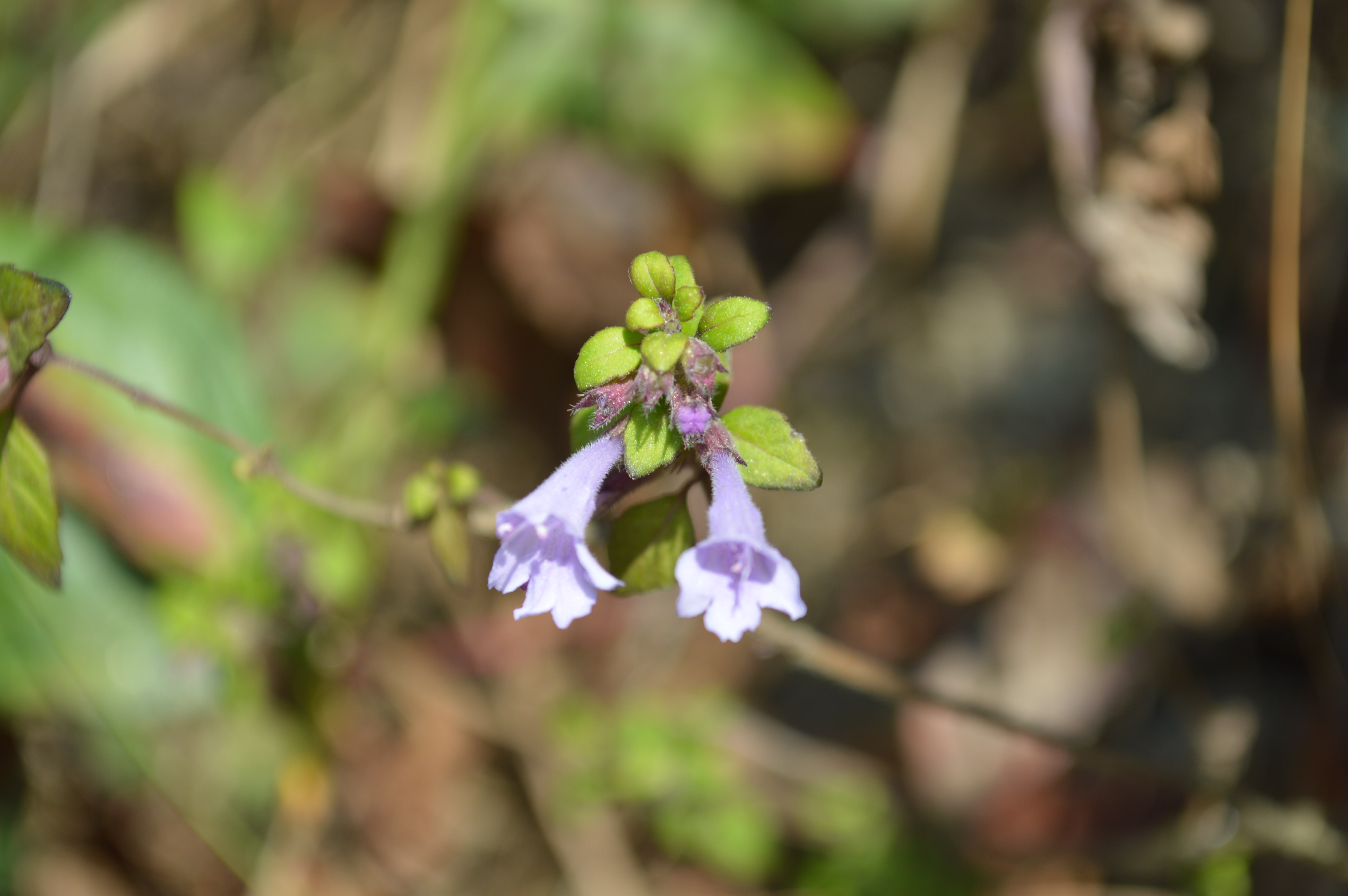
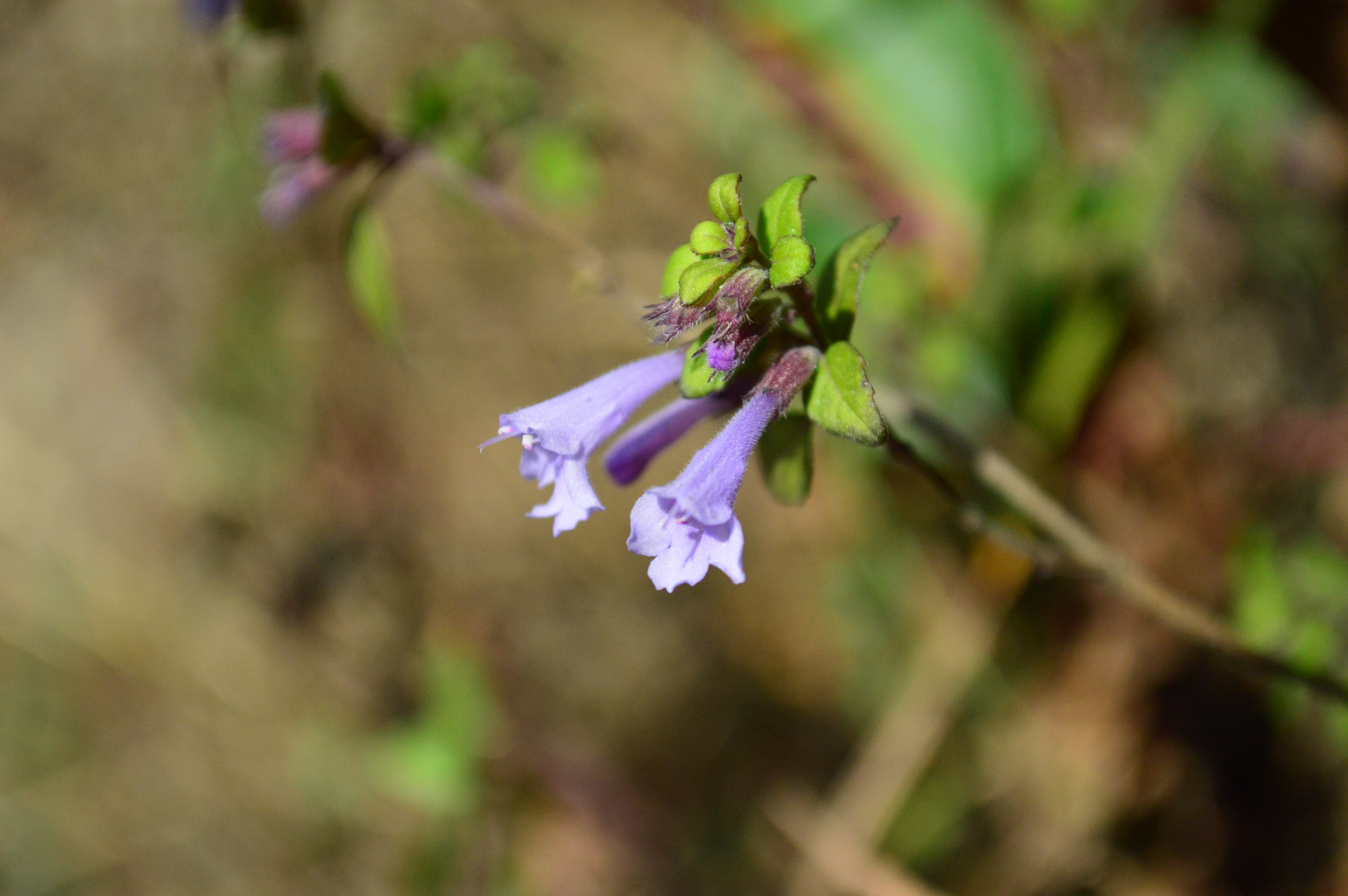
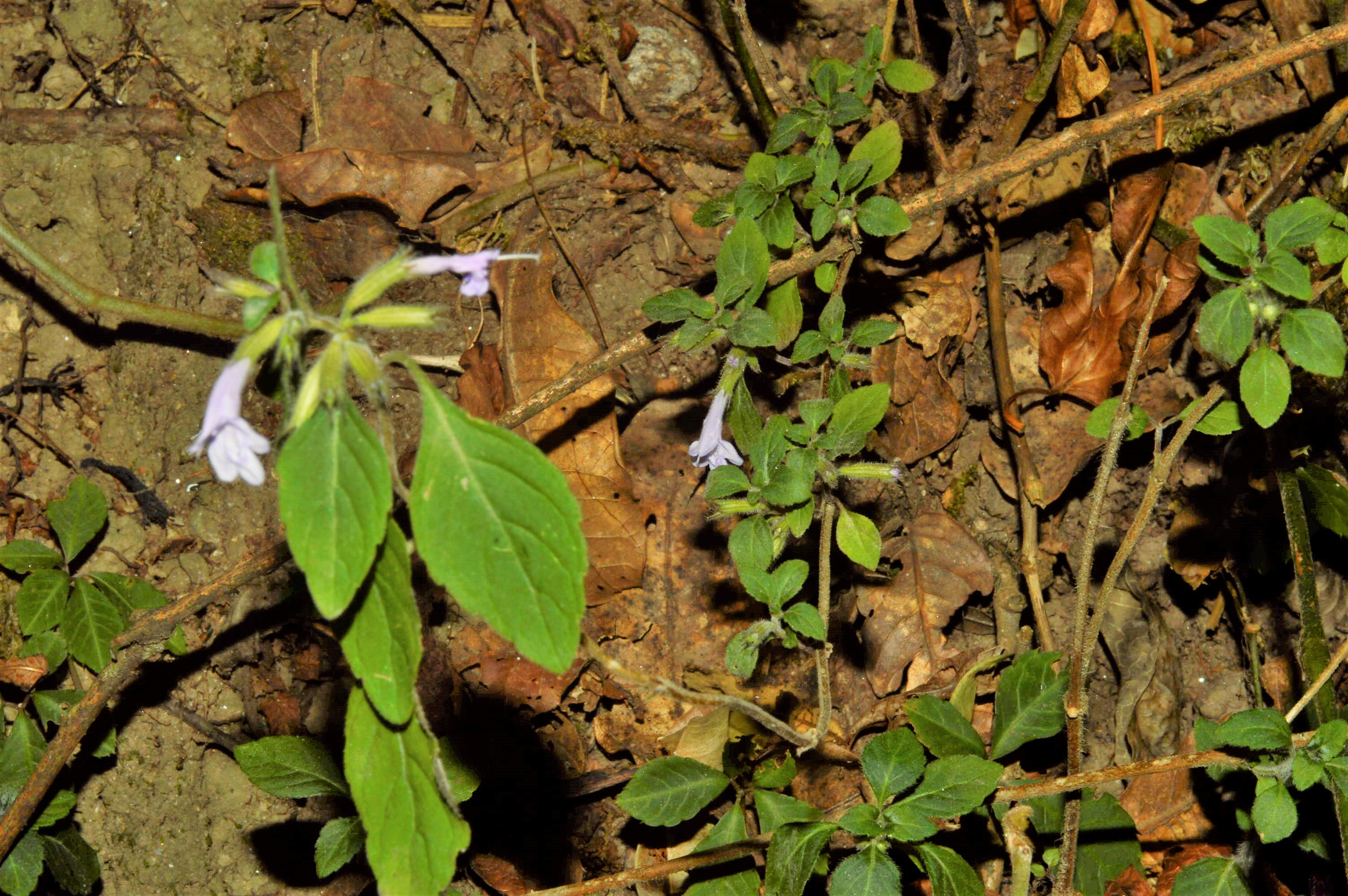
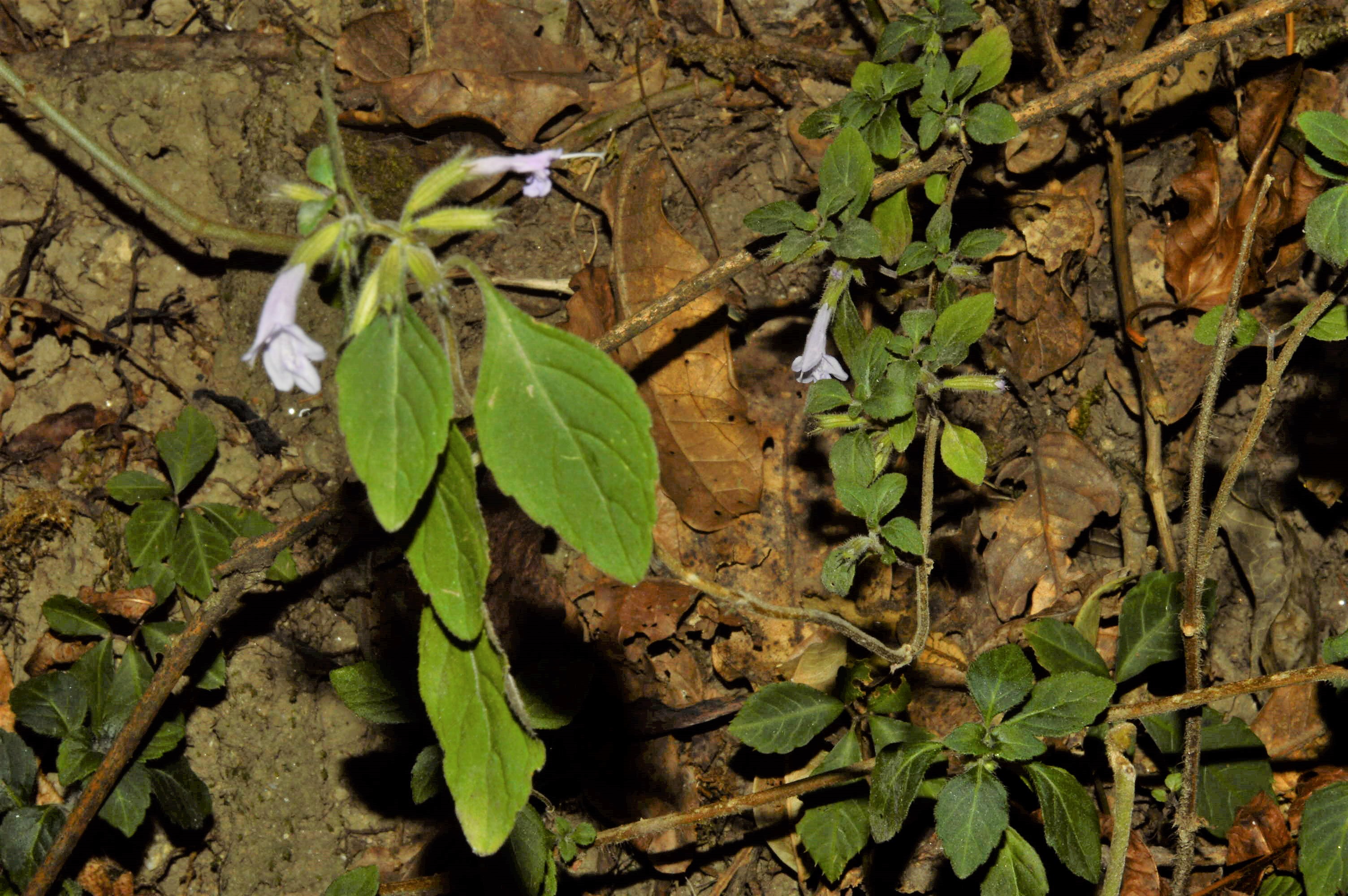
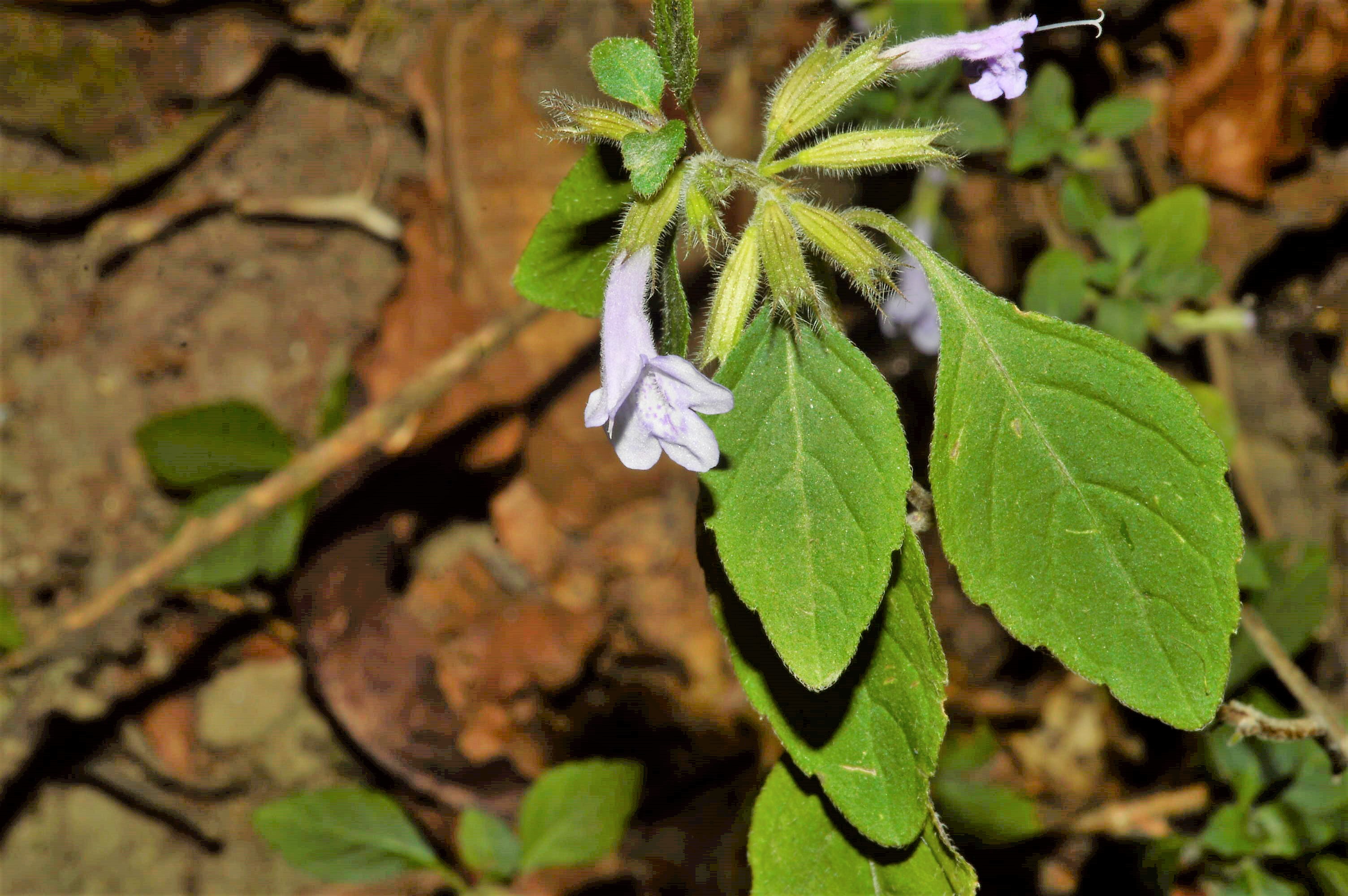
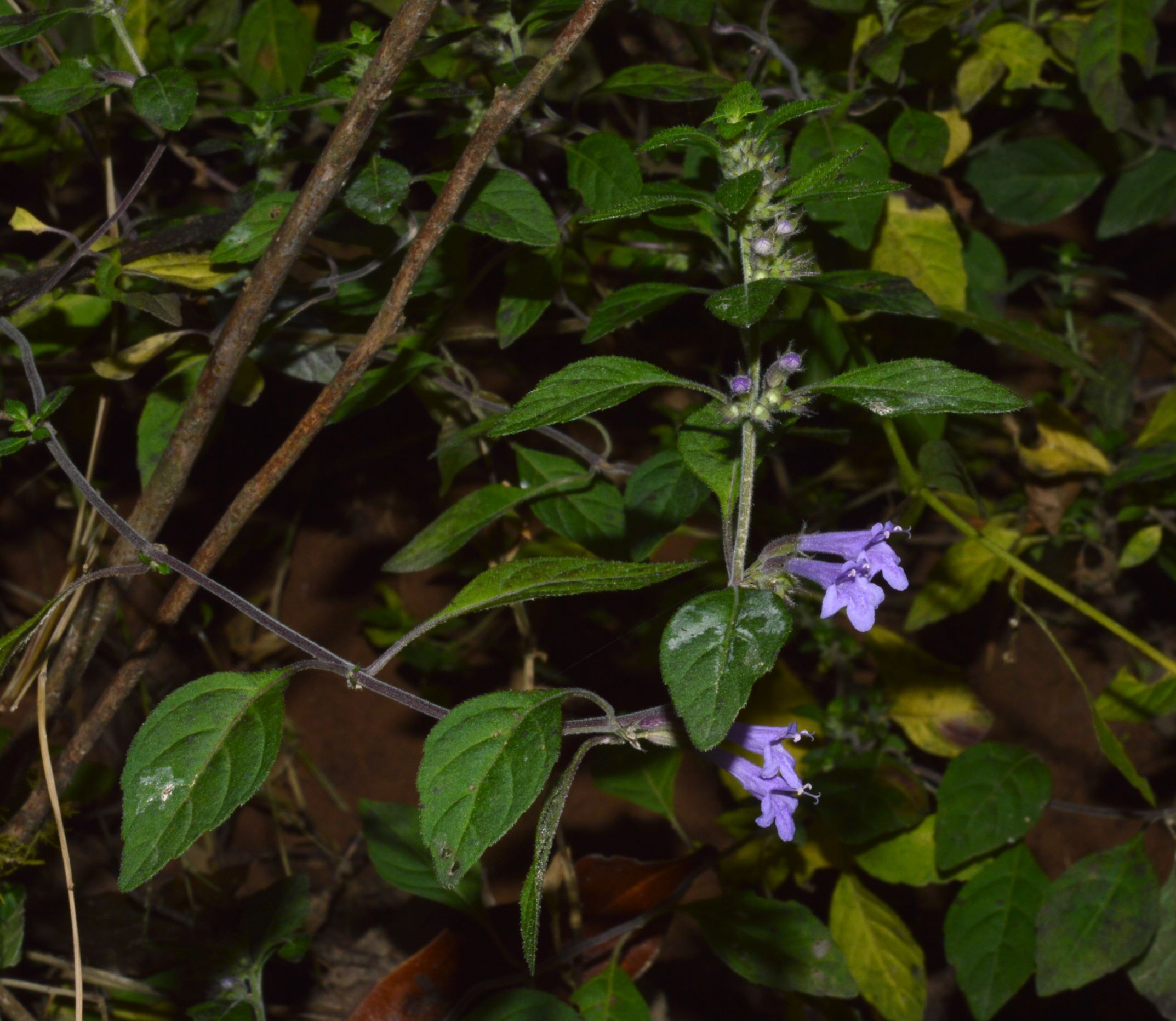
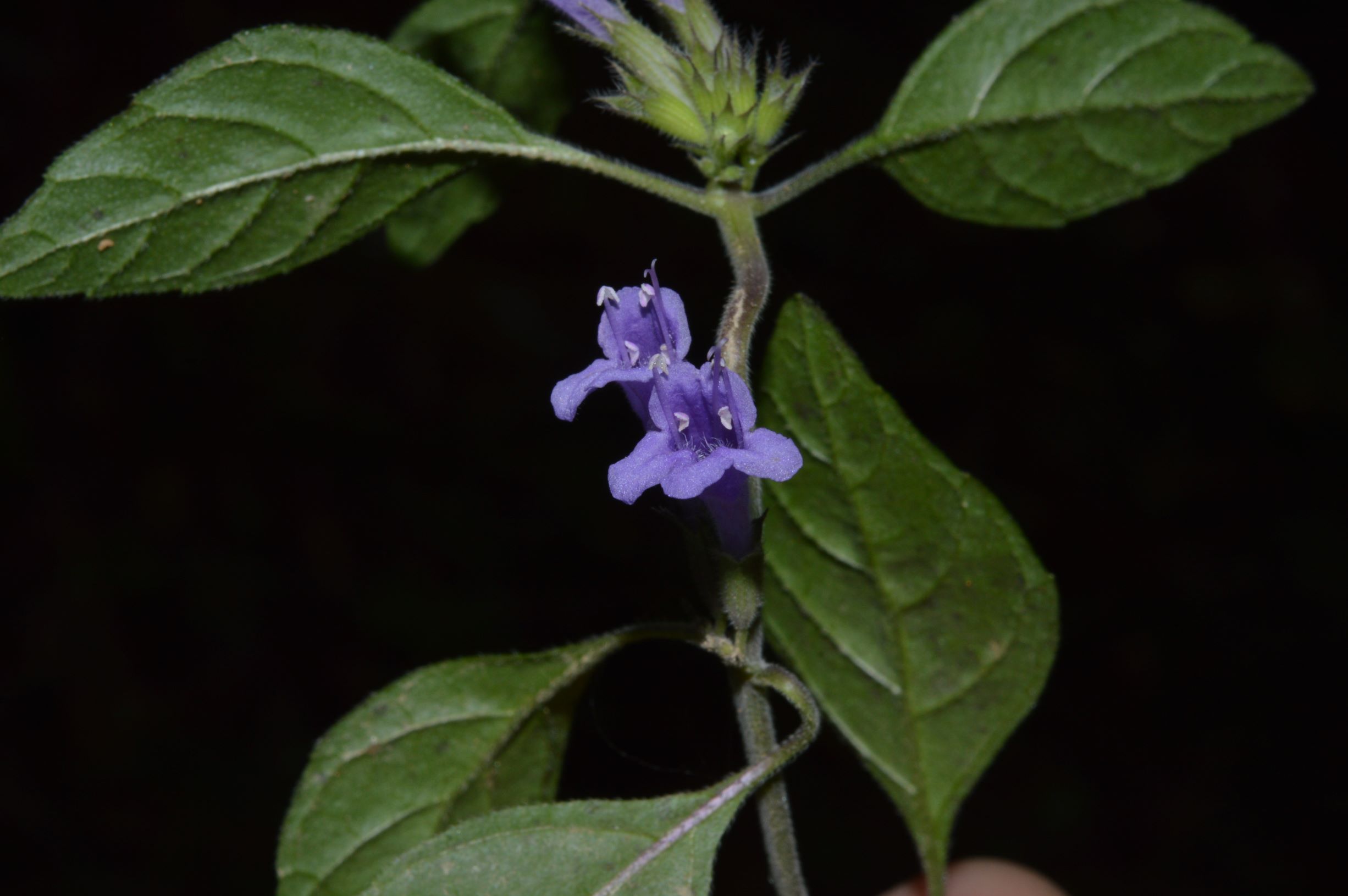
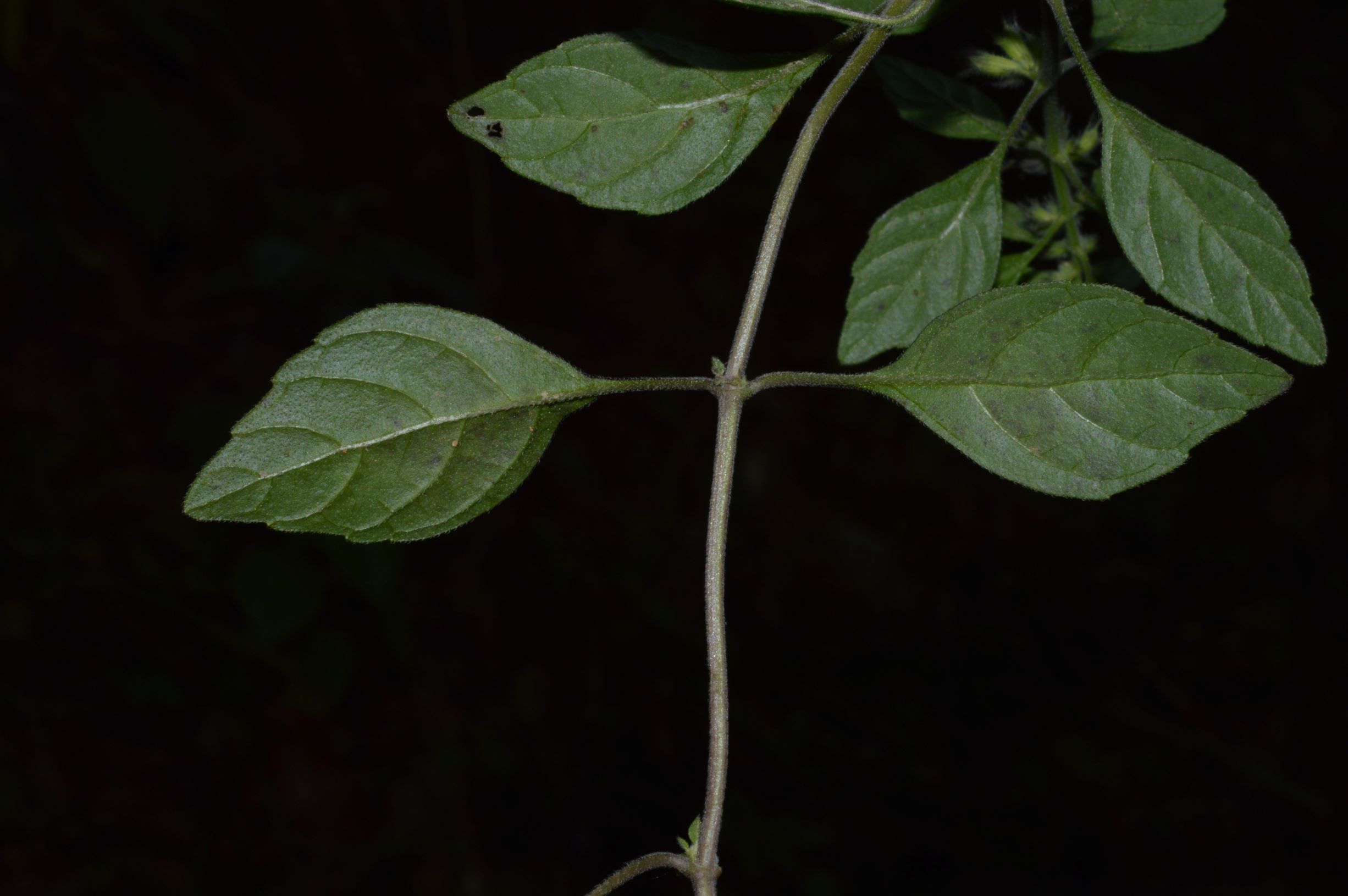
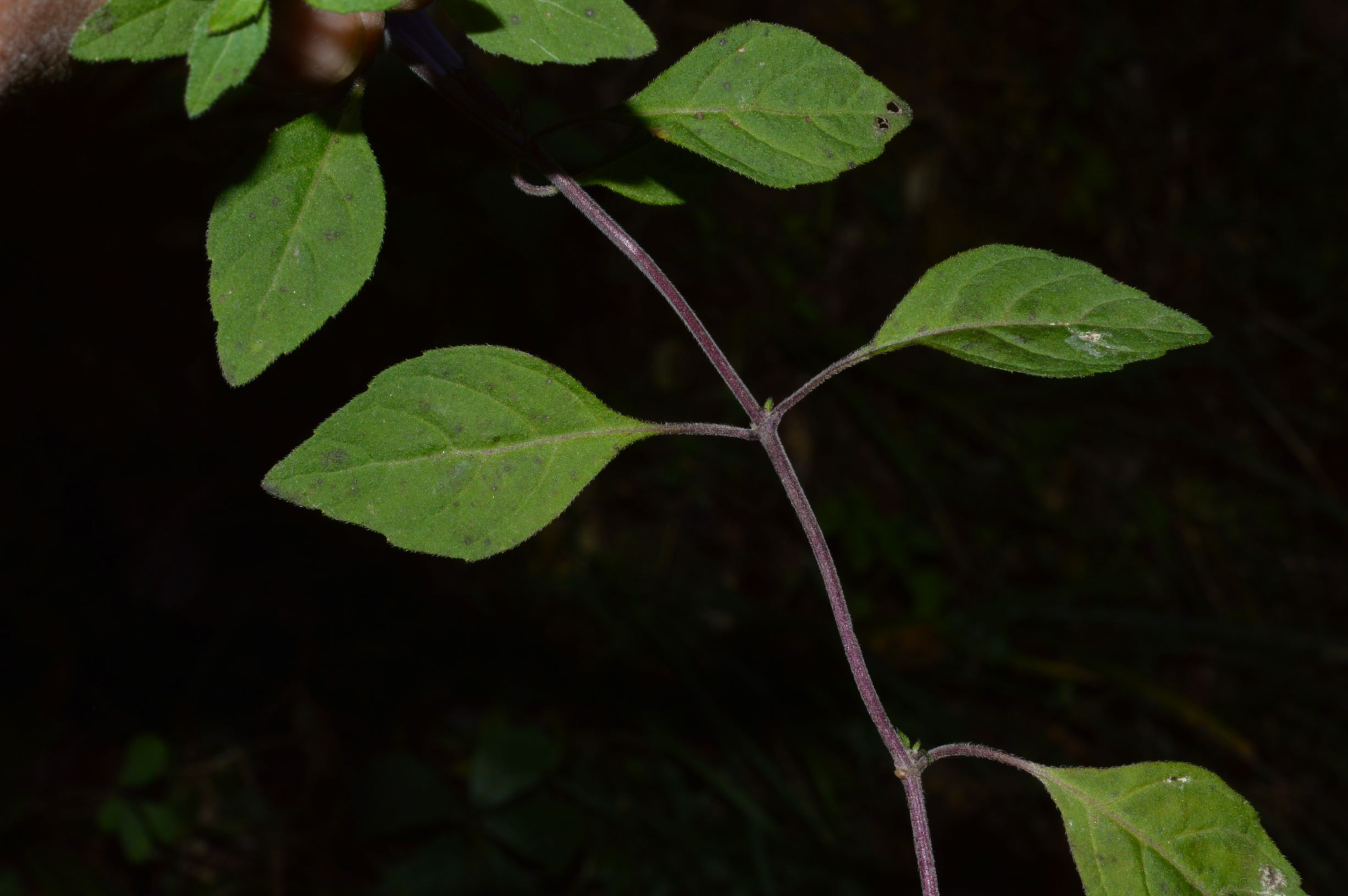
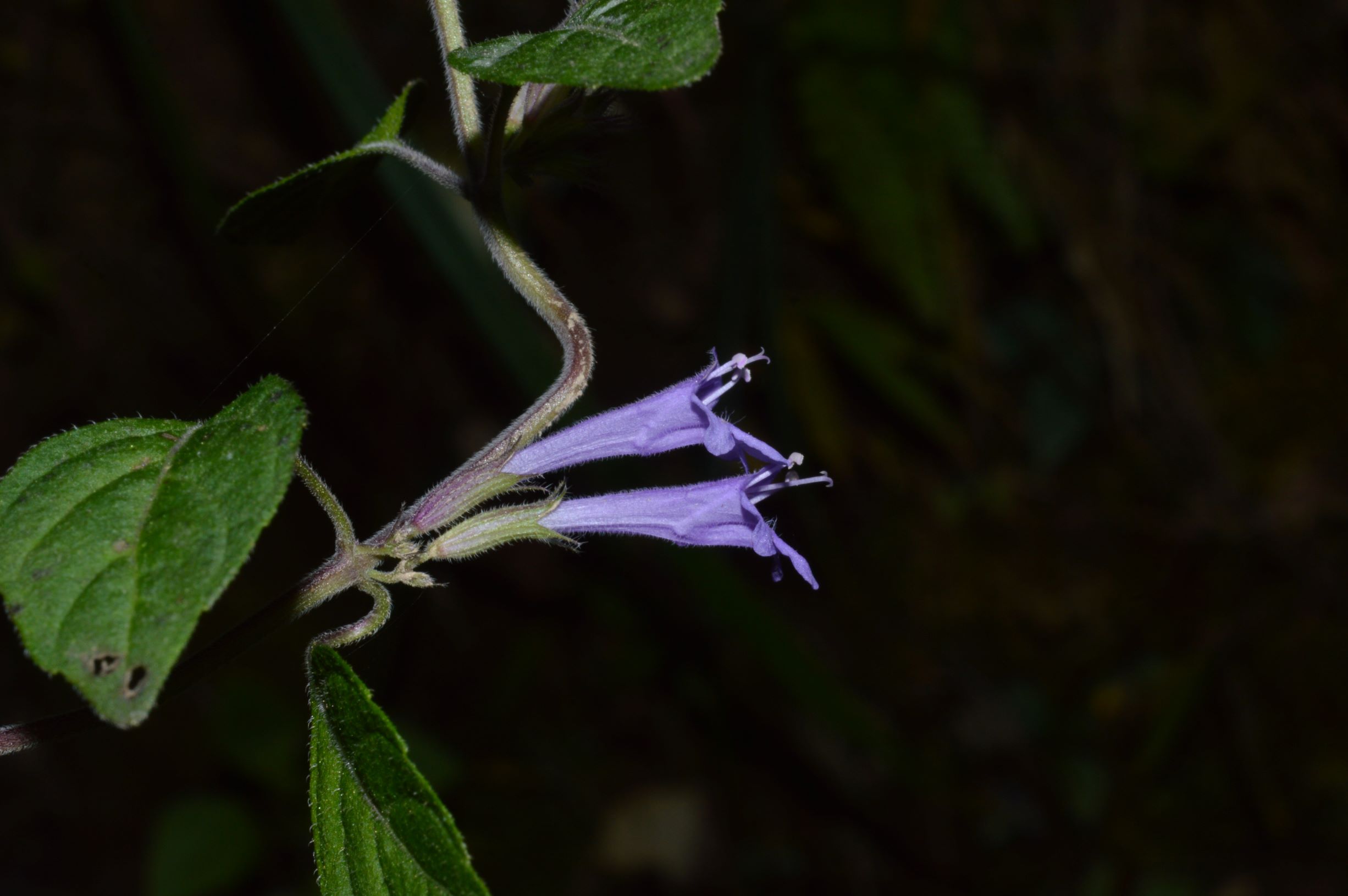
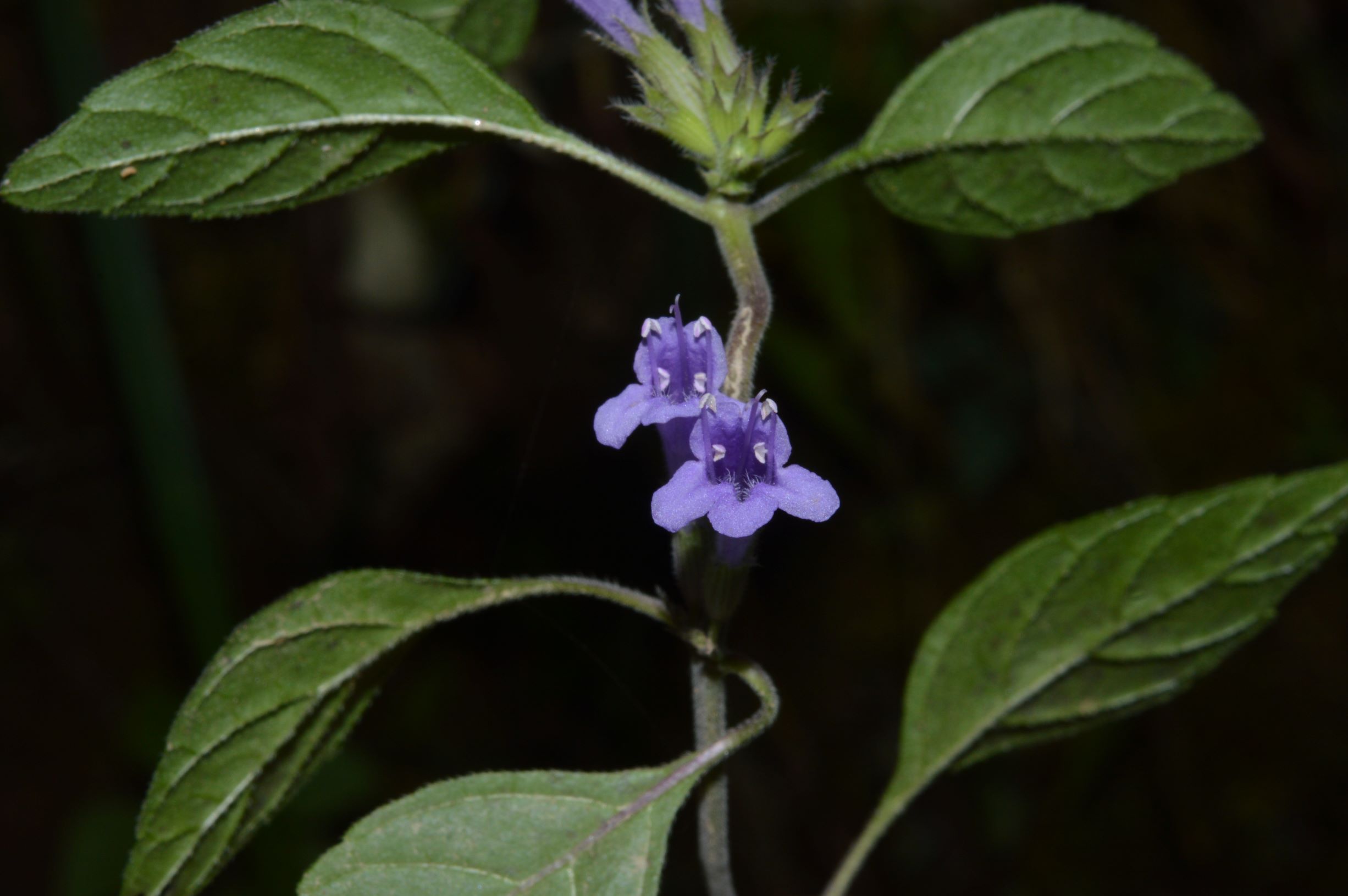
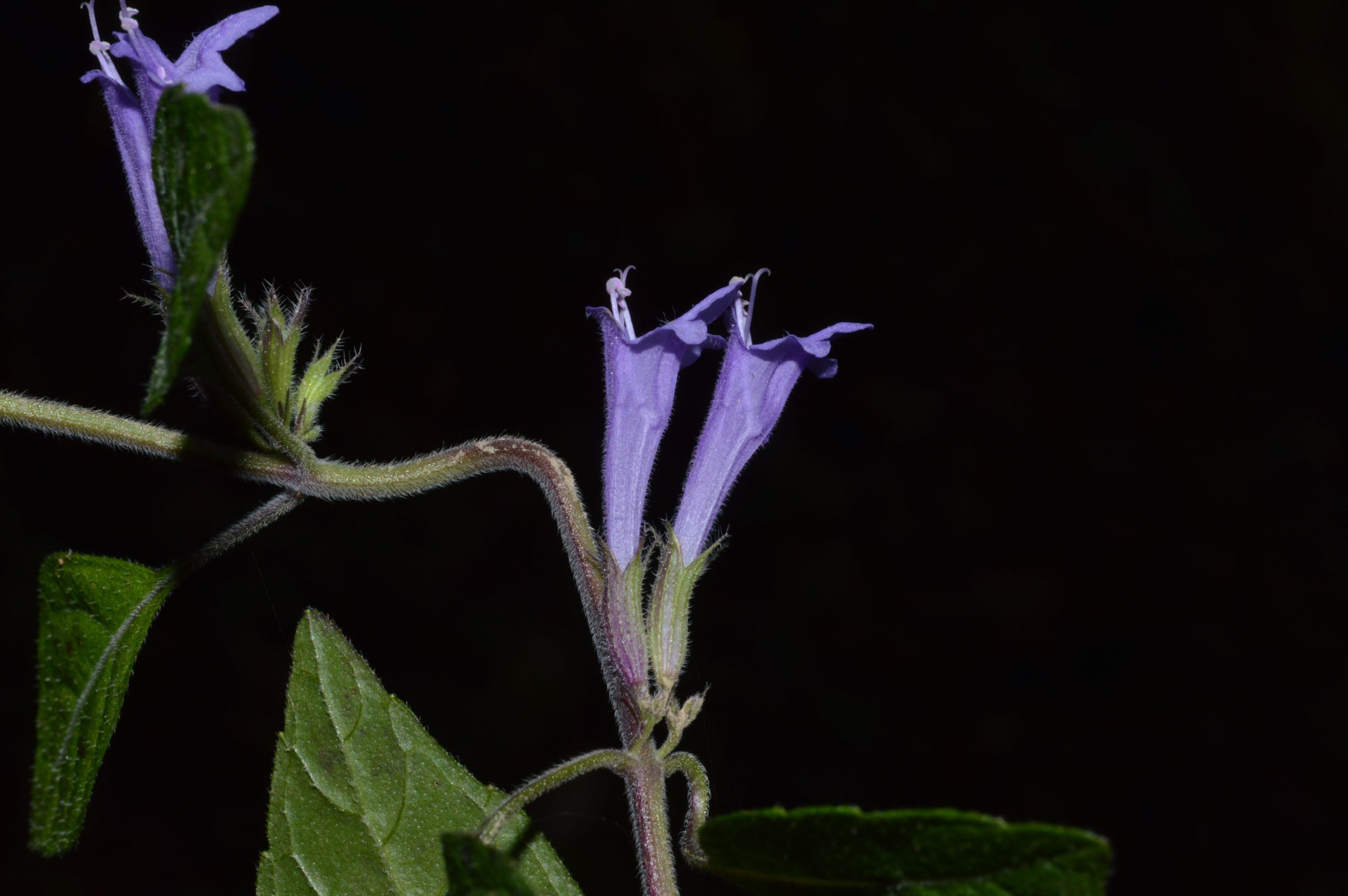
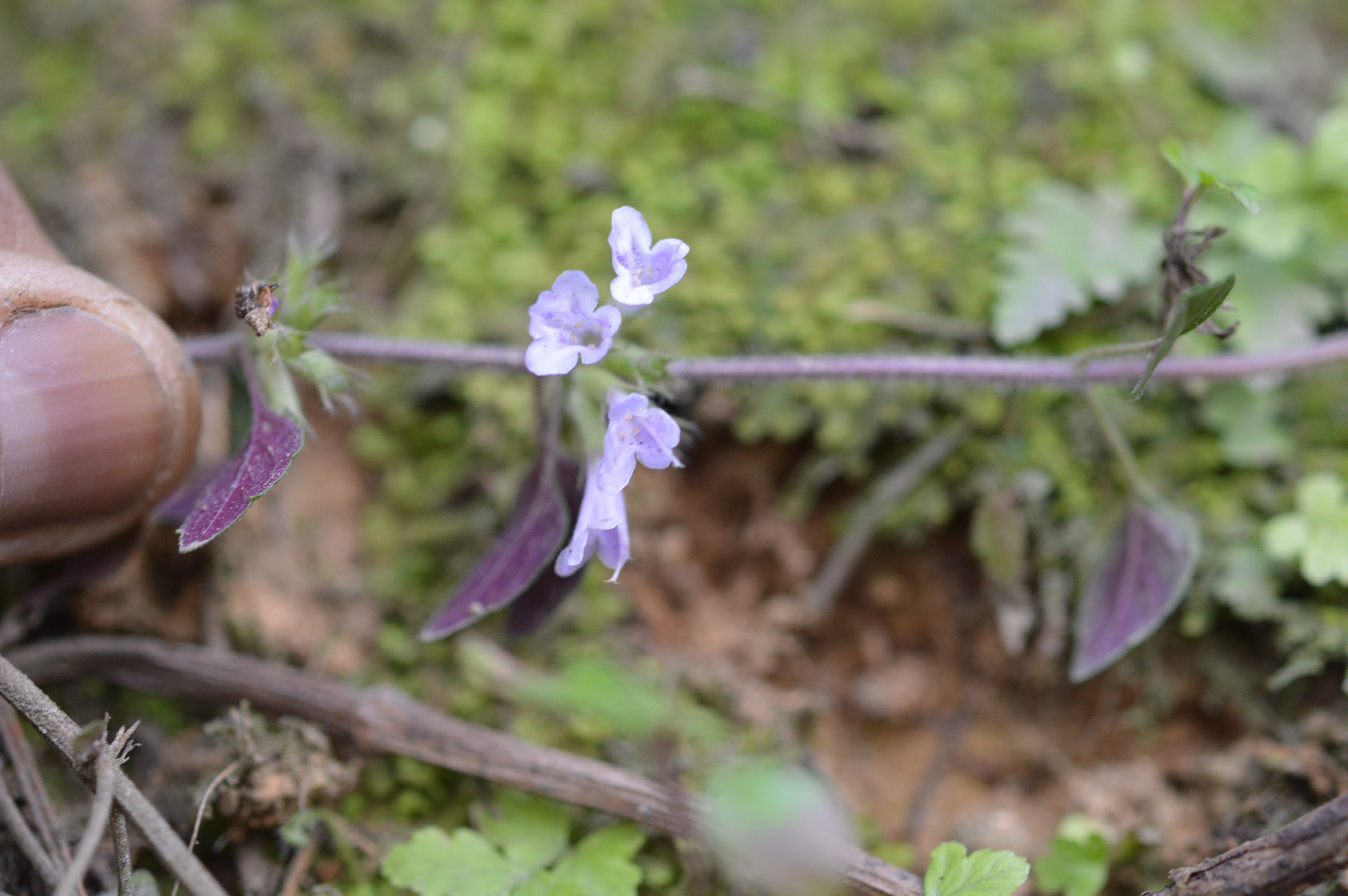
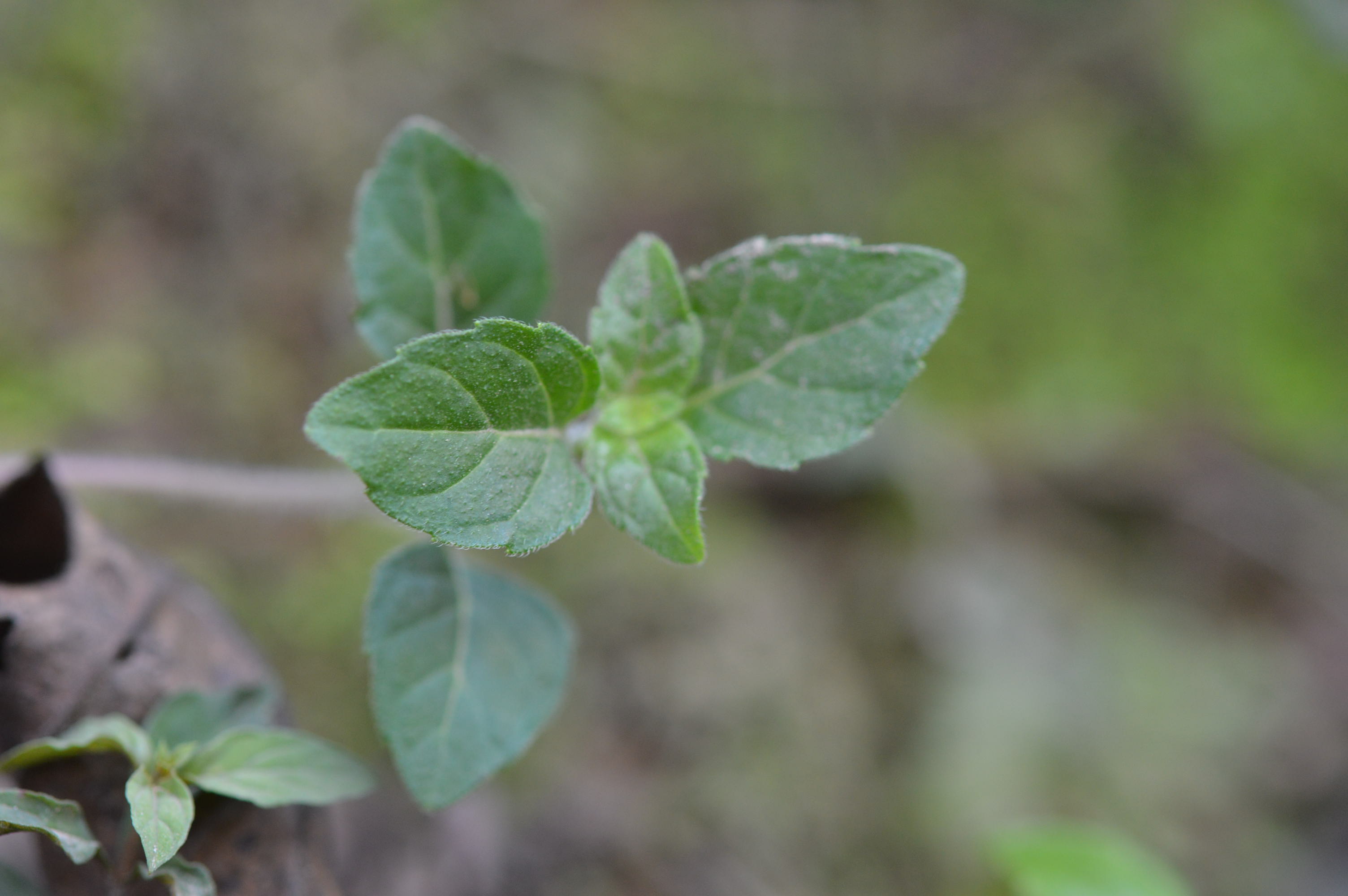
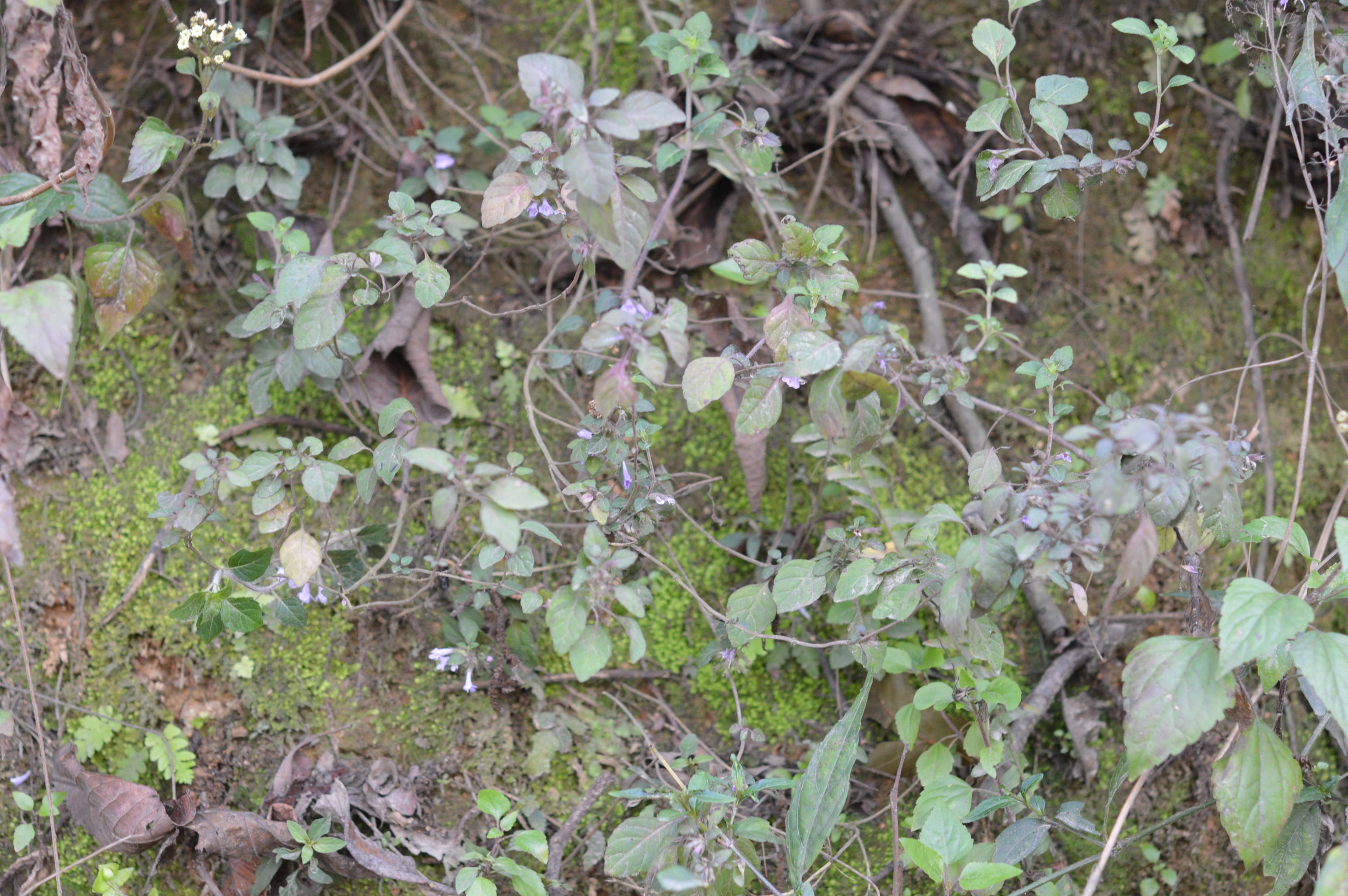
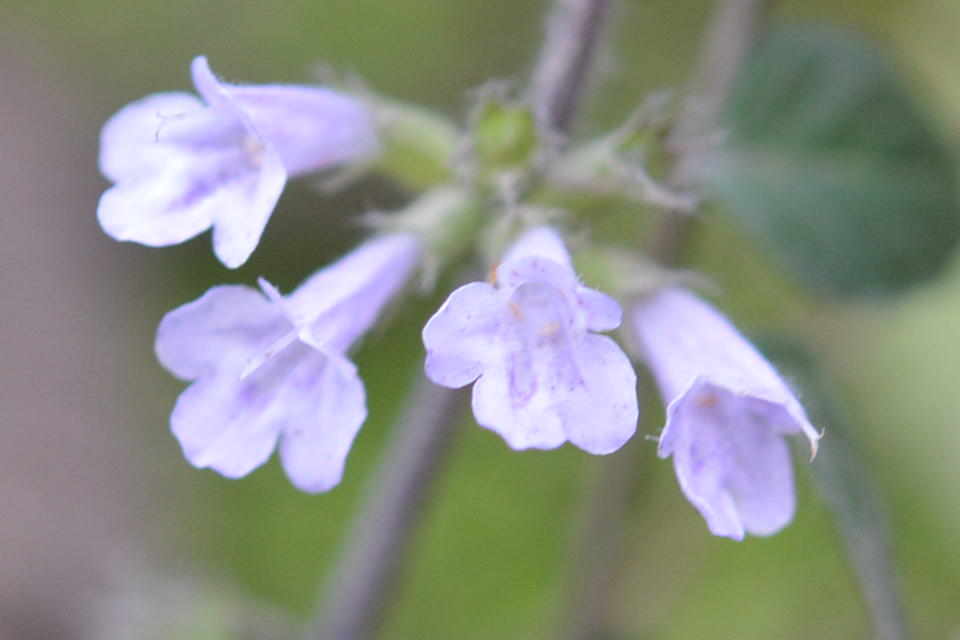
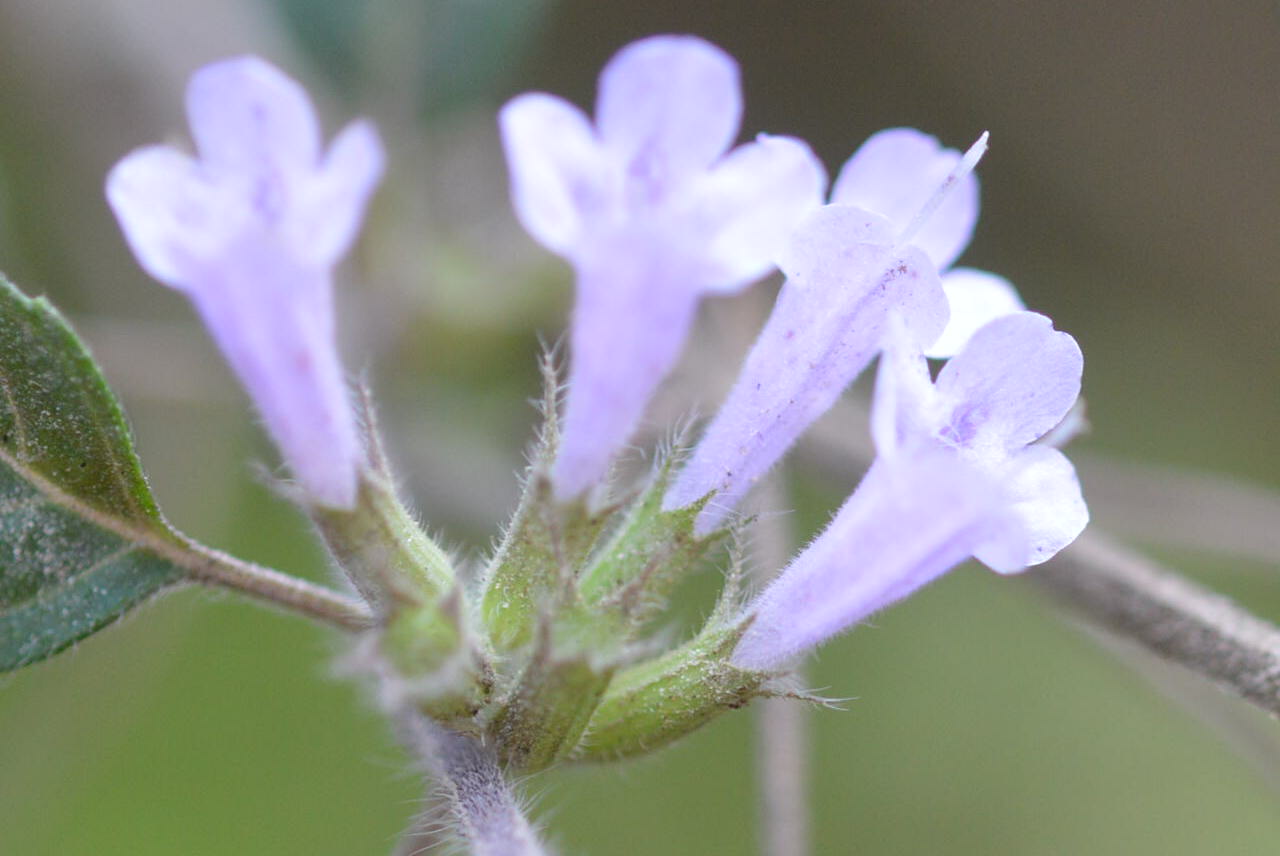
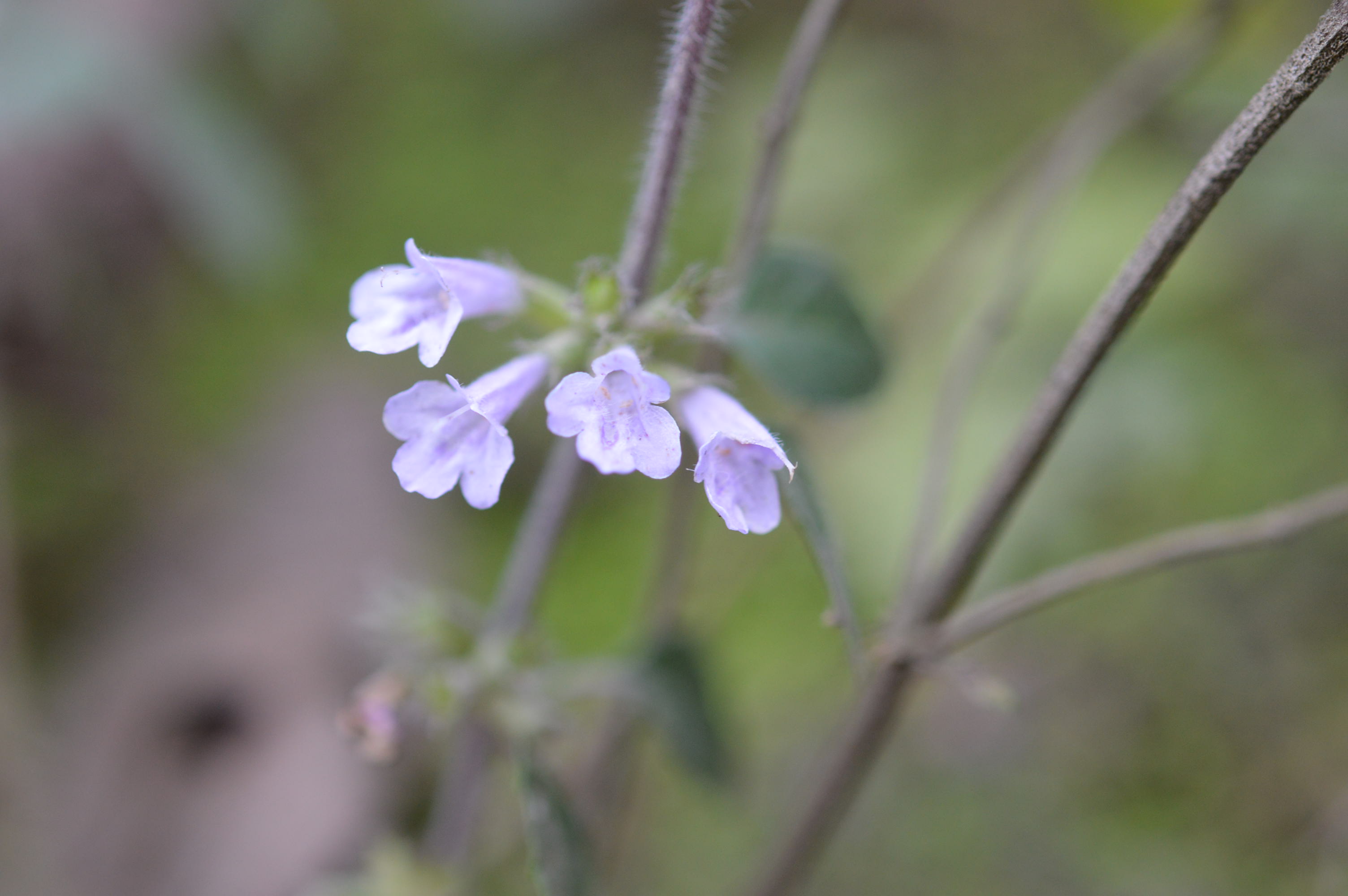
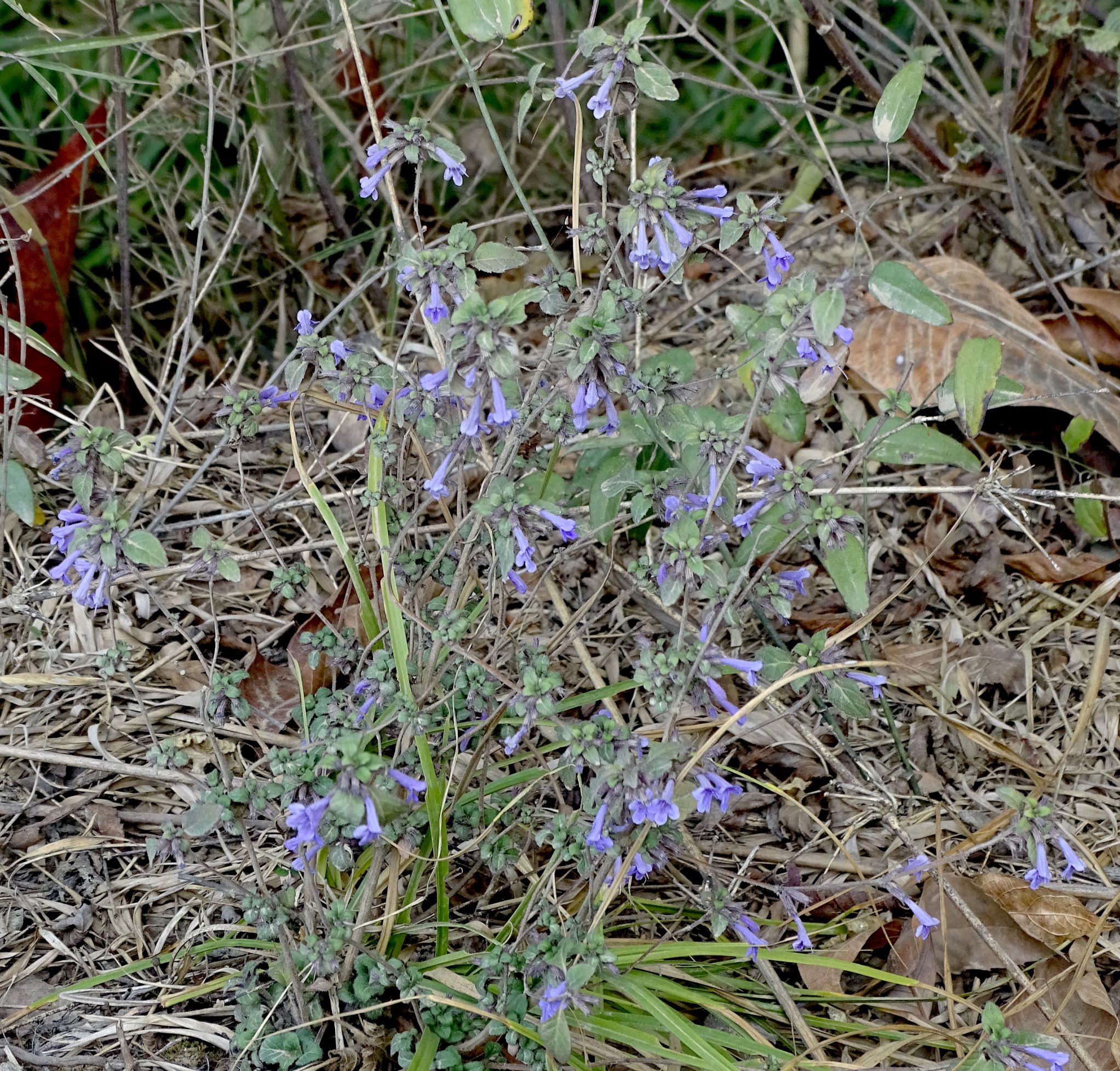
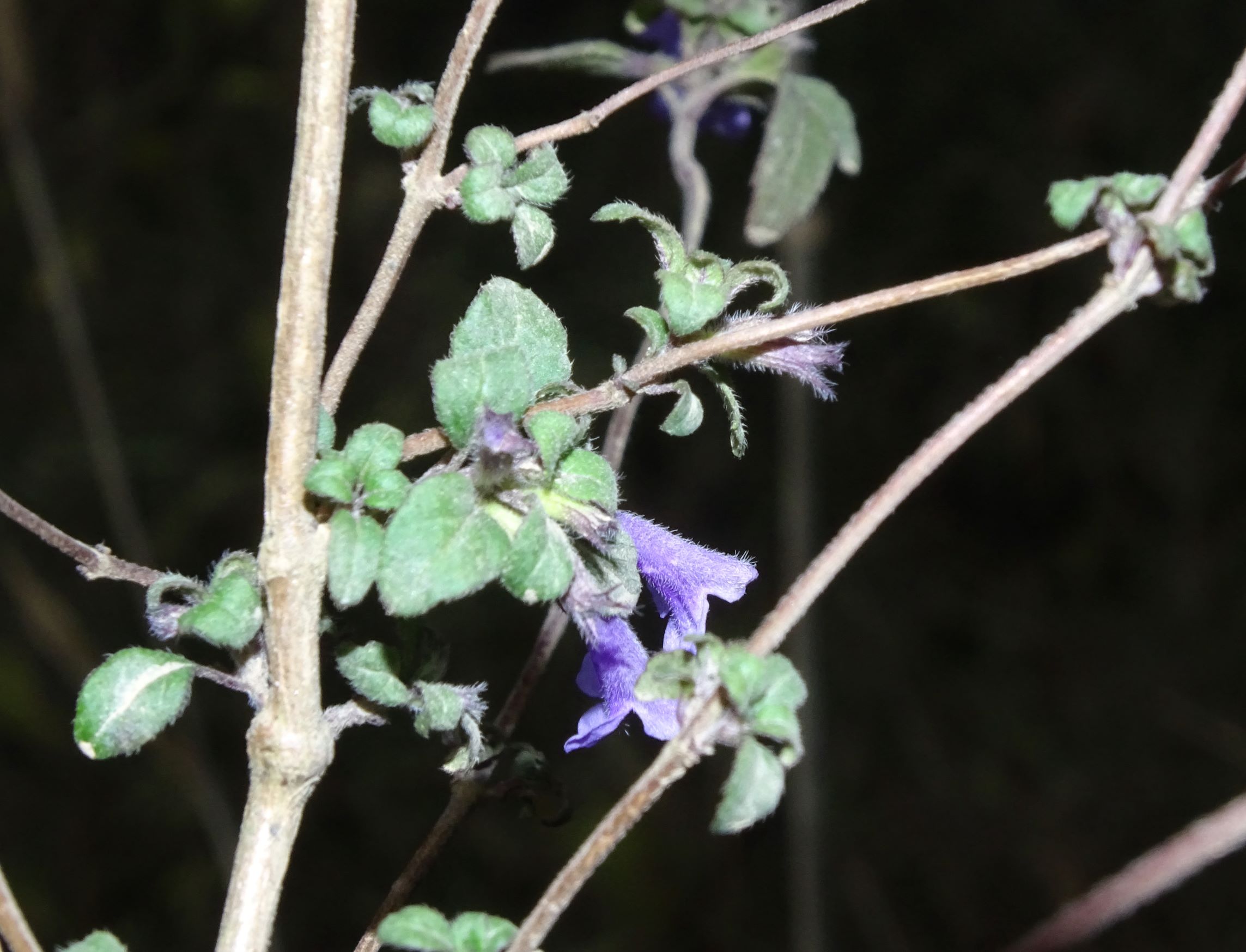
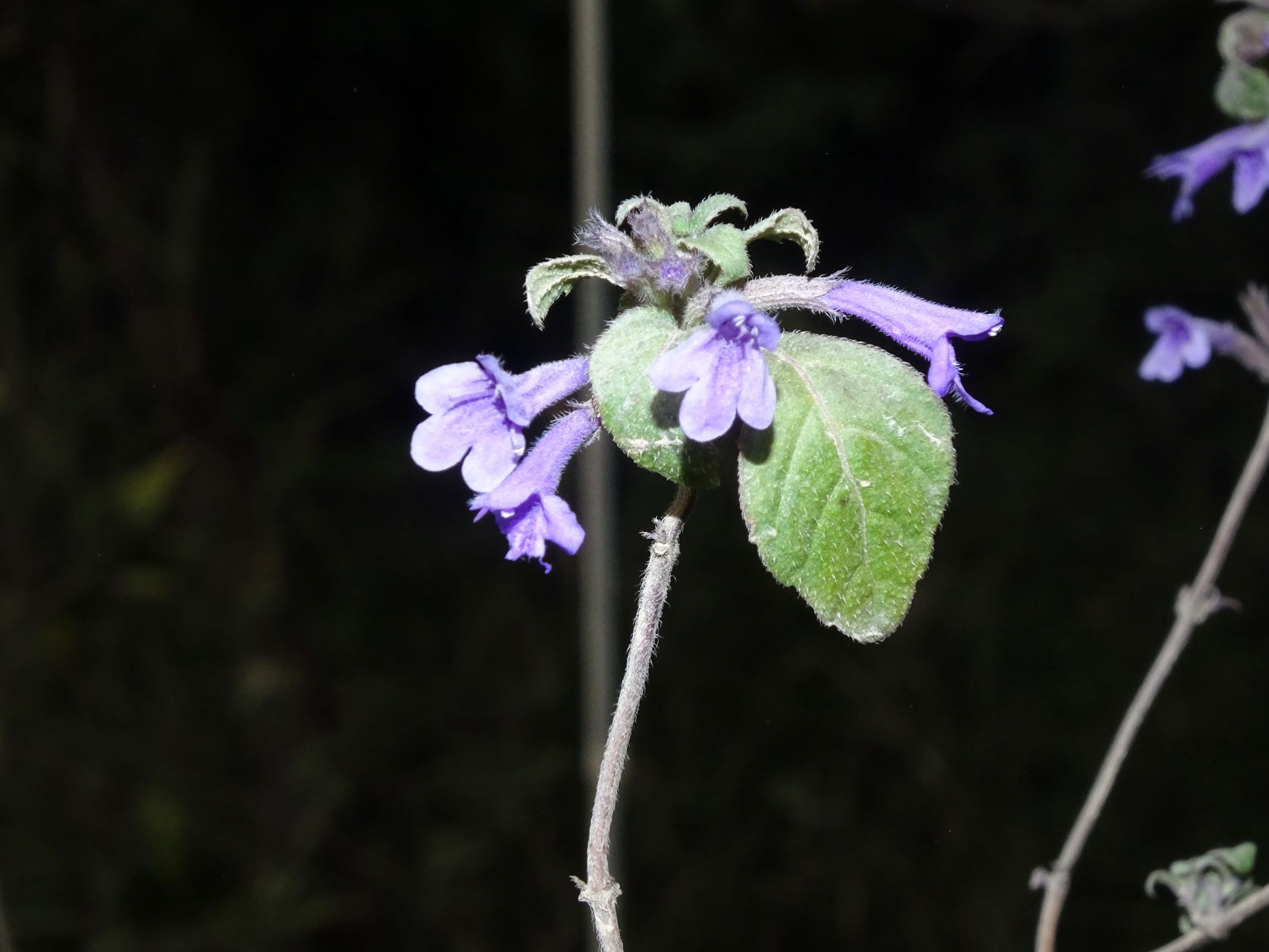
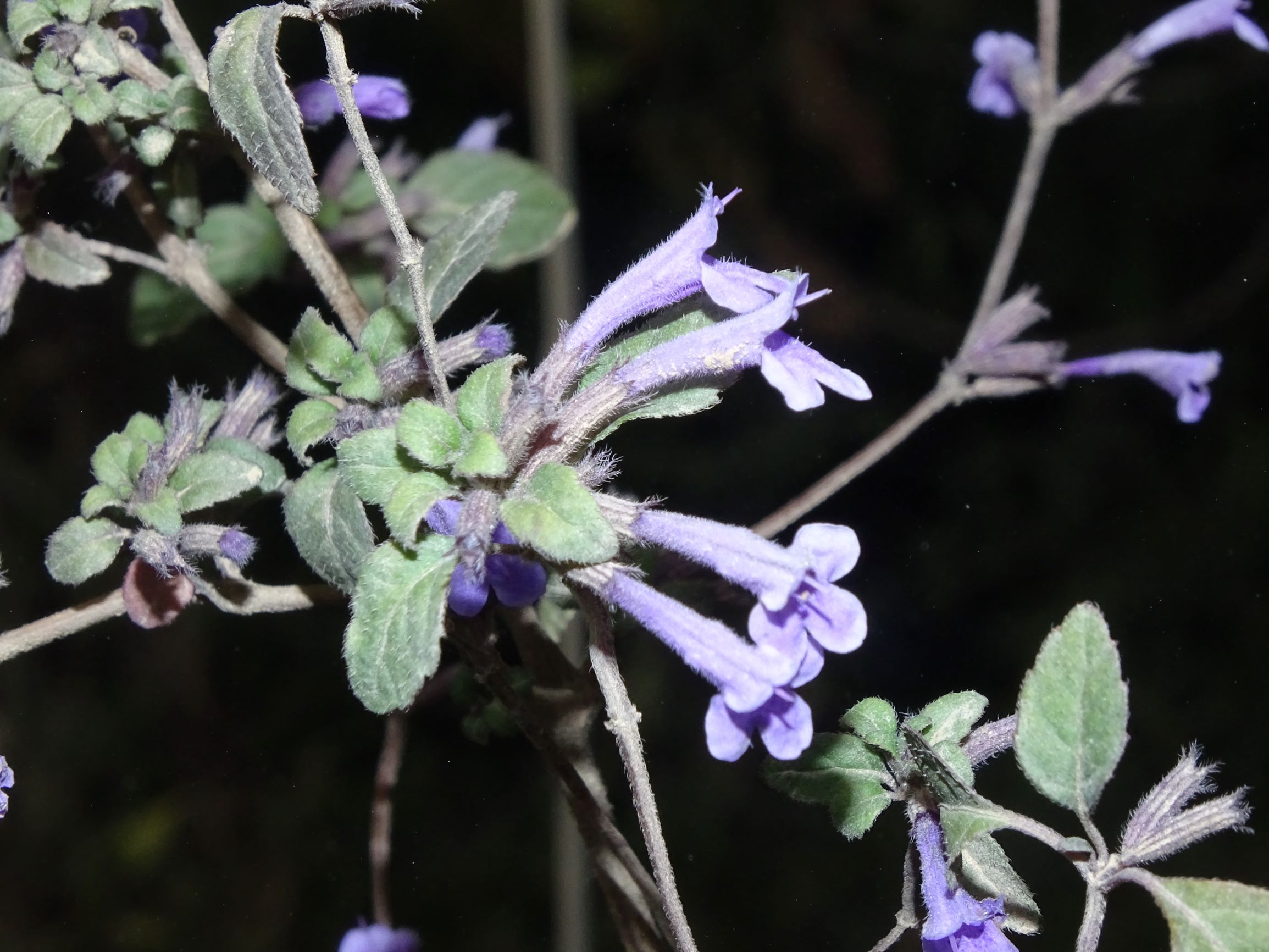
Clinopodium piperitum (D.Don) Murata (syn: Calamintha longicaulis (Wall. ex Benth.) Benth.; Clinopodium longicaule Wall. ex Benth.; Melissa longicaulis (Wall. ex Benth.) Wall. ex Benth.; Satureja piperita (D.Don) Briq.; Thymus origanifolius D.Don; Thymus piperitus D.Don);
.
Nepal as per efi thread;
.
SK1853 21 April 2019 : 10 posts by 4 authors. Attachments (9)- around 550 kb each. Location: Nagarjun Forest reserve, Kathmandu Which Labiateae ??
Same sp. as enclosed link ?
Yes, appears close to your other unidentified posts, as mentioned. Any idea about the genus? Calyx structure remind me of Clinopodium sp.
If it is Clinopodium it could be only Clinopodium piperitum (D. Don) Press.
But I could not find images and description in the net except for some herbarium.
Can you please help? Clinopodium piperitum (D. Don) Press,
What about Clinopodium nepeta or its subspp. ?
Compare different Clinopodium species at:
Thanks, …, To me it appears close to specimens of Clinopodium piperitum at GBIF. Pl. check.
I could not find a description of this species on net.
Pl. post detailed description, if you have.
Thanks for the mail. Please find the attached description. In Indian context I’ve excluded as it is endemic to Nepal. I’ve not seen the live plant and made description some 25 years back based on herbarium specimens. From photo I could not identify also. Please compare the description.
Attachments (1) – Calamintha_piperitum.doc
Finally, after 6 years !! Phew !
Clinopodium piperitum (D.Don) Murata
Nepali Name : पिपरमिण्ट Piparmint
Thanks, … I think your description perfectly matches with the … specimen.
Location: Kakani , Nepal
Altitude: 6000ft.
Date: 2 March 2013
Any idea about family? Lamiaceae ??
I think Lamiaceae…
Micromeria??
Lamiaceae member
A member of Lamiaceae
Thanks, …, for pointing towards the genus.
We have only one species of Micromeria biflora so far under this genus and images under threads look a bit different.
Check list of Nepal gives another species as Micromeria nepalensis Kitam. & Murata, but I could not find much details on net.
Difficult for me. Clinopodium piperitum (D.Don) Murata
Nepali Name : पिपरमिण्ट Piparmint Location: Shivapuri National Park, Nepal
Altitude: 7500 ft.
Date: 27 March 2018
Habit : Wild
Lamiaoceate ! Not Micromeria biflora, is it ?
Yes, you are right …, this is not Micromeria biflora..
Can anyone guide towards the genus of this Lamiaceae member?
Orthosiphon incurvus Benth. ???
Link ??
Inflorescence looks different to me.
Yes, I also think so.
Clinopodium piperitum (D.Don) Murata
Nepali Name : पिपरमिण्ट Piparmint
Location: Godawari
Date: 7 January 2020
Elevation: 1698m.
Habitat: Wild
Clinopodium piperitum (D.Don) Murata ??
Earlier posts were shot in March and April !
Thanks, …, for the superb images. Thank you …!
Only wondering for the flowering phenology ! Your earlier postings of March and April appear to be more woody. Location: Raniban, Balaju, Nepal
Altitude: 4900 ft.
Date: 30 March 2017
Micromeria biflora (Buch.-Ham. ex D.Don) Benth. ??
No, it is not Micromeria biflora.
No it is not Micromeria biflora, in that species, the leaves are small and round shape. I guess flower pattern is not matching. May be something different? Clinopodium piperitum (D.Don) Murata ! .
Location: Kathmandu Valley, Nepal
Date: 11 March 2023
Altitude: 2203m.
Habitat : Wild Yes, as per . New genus Himalamintha published for Clinopodium piperitum et al.:
It is to inform you that the description of the new genus Himalamintha to accomodate the Clinopodium nepalense group (amongst others containing Clinopodium piperitum, now Himalamintha piperita (the Pepper-Himalayamint) has just been pulished and the corresponding names are availbable from now on😊https://doi.org/10.2478/stapfia-2026-0002The corresponding paper cites all records appearing in eFloraofIndia and the webpage as source of information. also your extraordinarily productive group member Saroj Kasaju from Kathmandu was extremely helpful not only in posting the first records of Clinopodium piperitum available on the web, but also allowed me to use his superb images to illustrate the species in our open access publication. For me personally, it is a great relief finally seing this published after all these years and I am excited to deepen the studies on the group again and looking forward for future collaborations on these and other groups of Lamiaceae – to be continued. Abstract: |
Clinopodium piperitum




Updated on September 2, 2026