
|
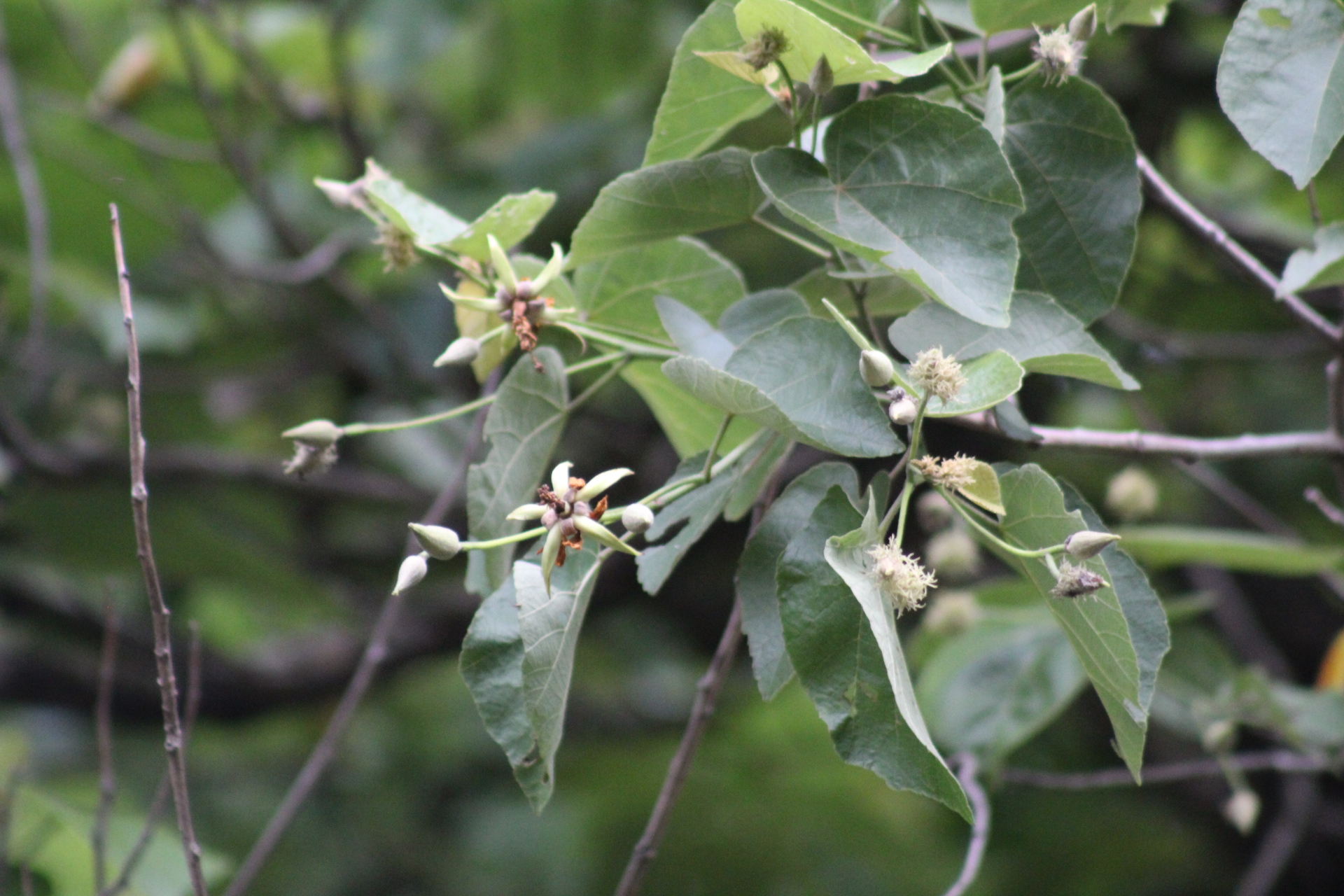
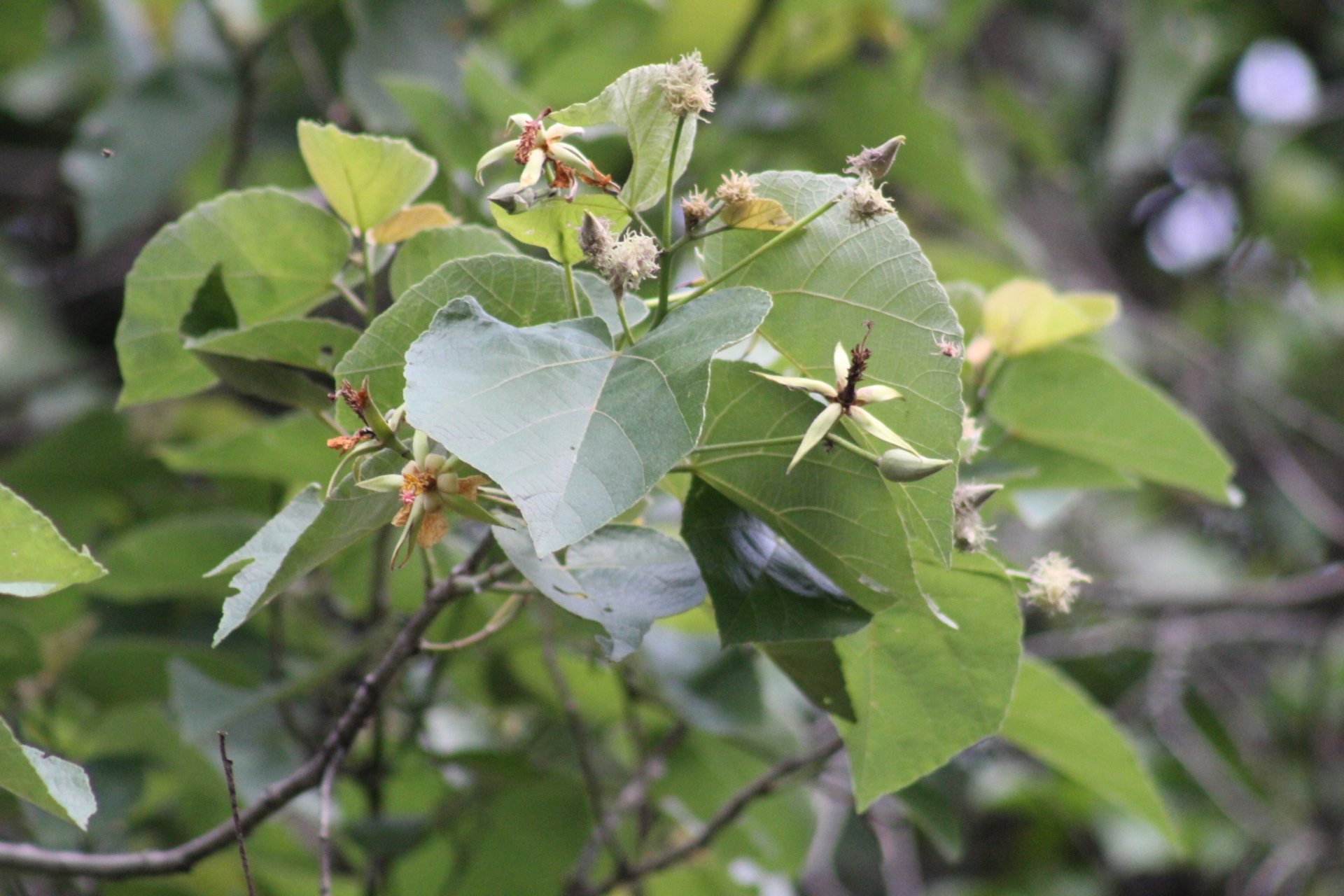
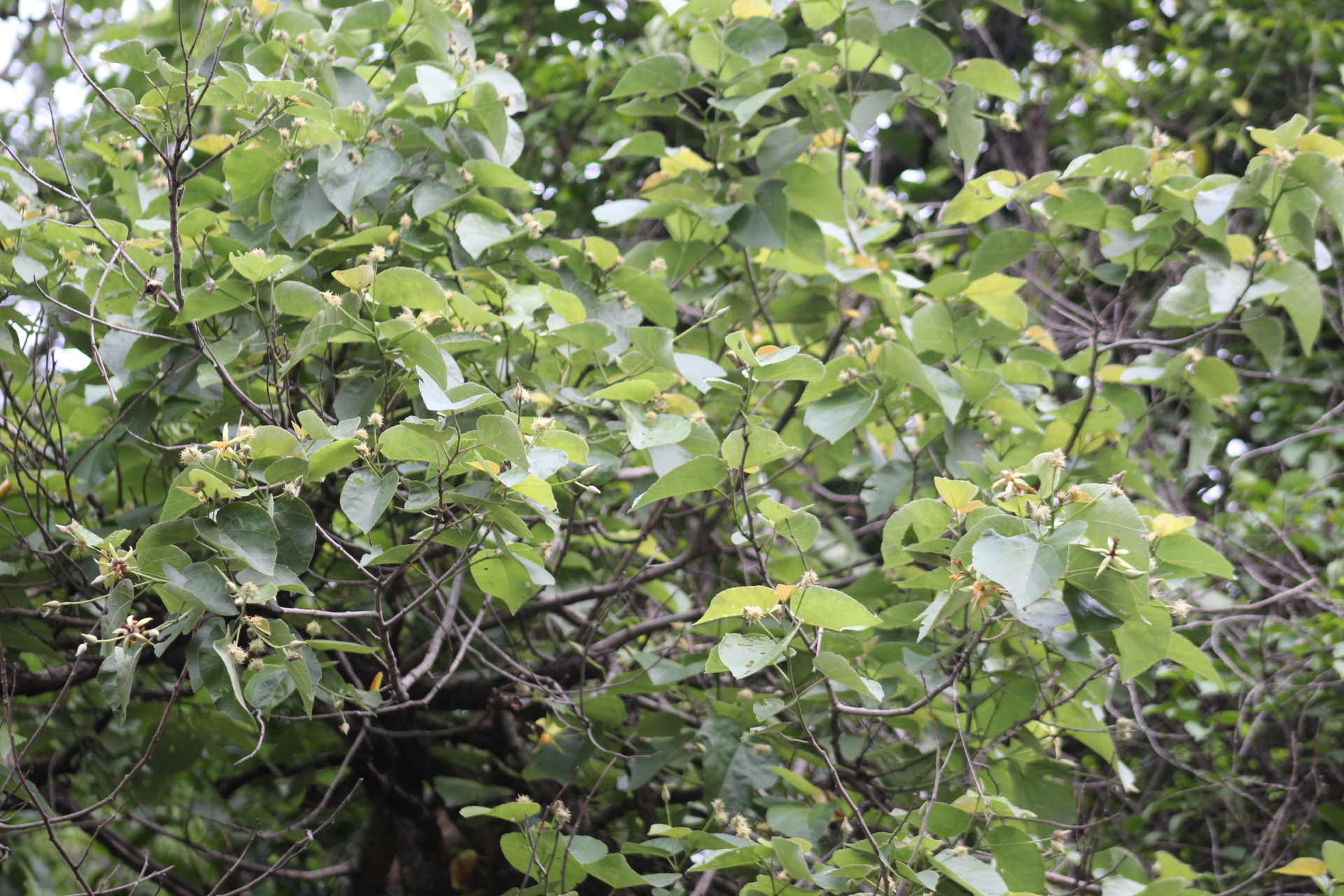
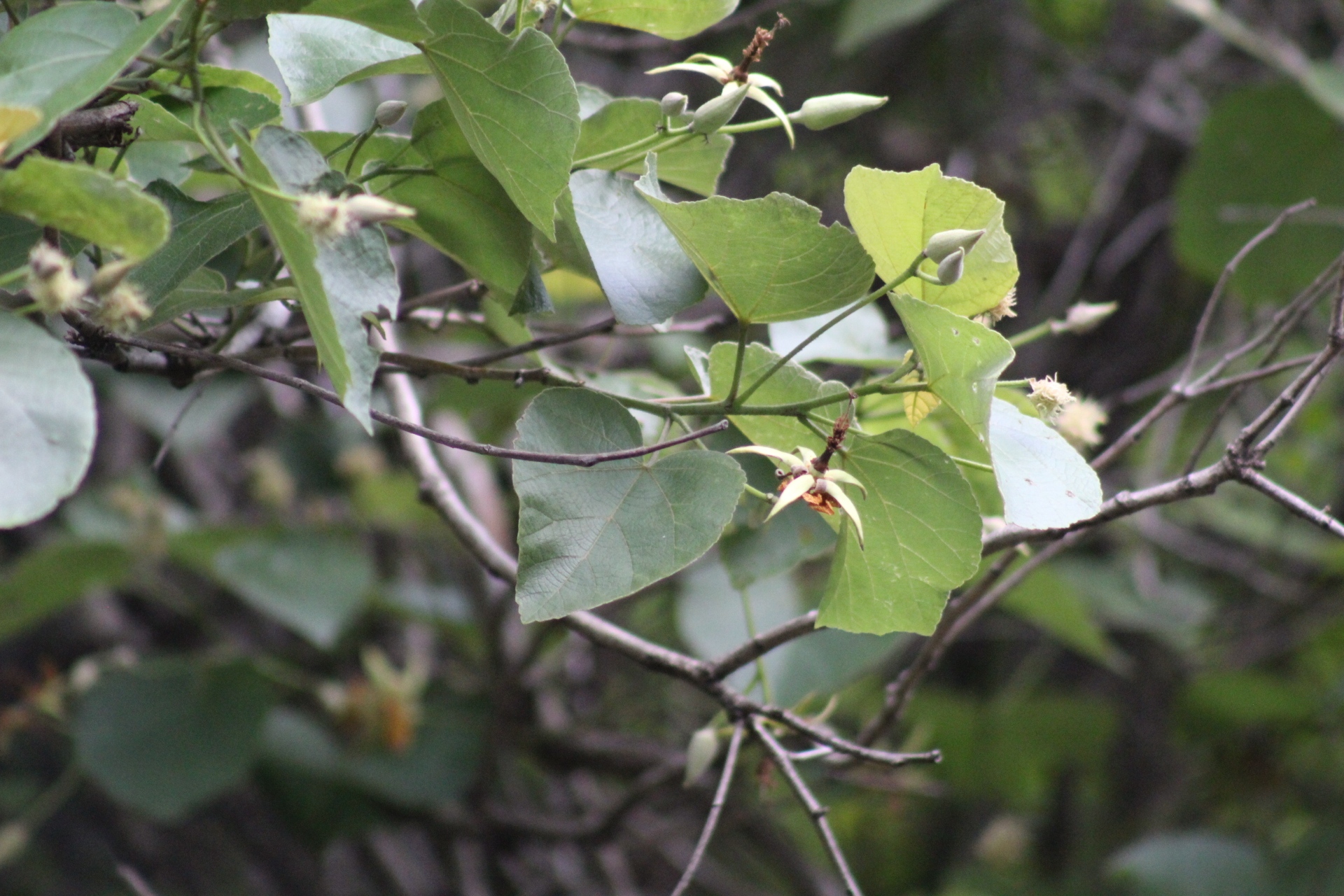
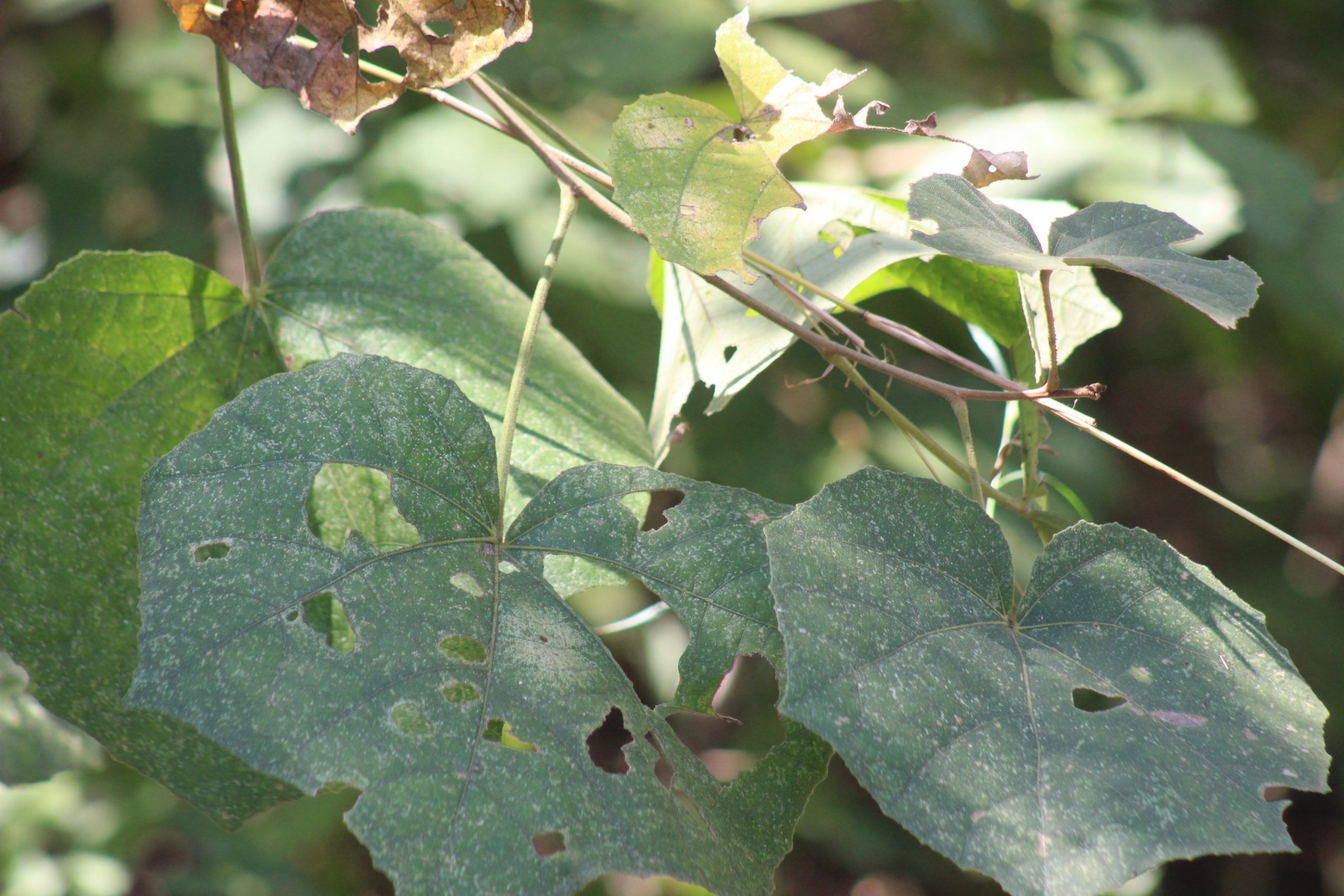
Eriolaena hookeriana Wight & Arn., Prodr. Fl. Ind. Orient. 70 1834.; Small trees; branchlets pubescent. Leaves to 8-13 x 8-12 cm, ovate, orbicular, acuminate or obtuse, cordate at base, 5-7 nerved, densely stellate pubescent below; petiole 3-6 cm. Cymes axillary, 3-7 flowered; bracteoles 5, laciniate, shorter than sepals; sepals 2 x 0.5 cm, linear-lanceolate; petals 2 cm long, obovate, clawed, yellow, pubescent; stamens many, filaments united at various length; ovary sessile, 7-celled, pubescent, style 1, stigmatic lobes 7. Flowering and fruiting: February-March
Degraded forests
India
(Attributions- Dr. N Sasidharan (Dr. B P Pal Fellow), Kerala Forest Research Institute, Peechi from India Bodiversity Portal).
.
Tree from Yelagiri : 16 posts by 6 authors. Attachments (4)- 1 Mb each. Eriolaena hookeriana Wight & Arn. ?? Flowers 2- 3 in racemes ……… E. lushingtonii So …, this is E. lushintonii?
Yes, ma’am, It is not E.lushingtonii because as per Gamble Flora of Presidency Madras, Buds constricted in middle, leaves membranous, bracteoles very small, distant (it is endemic to Nallamala hills) Research Gate Link on E. lushintonii I could not get this paper even though it says author uploaded pdf on researchgate.
do you have the pdf or can you please send me the pdf? Attachments (1) – 1 Mb- JoTTEriolaenalushingtonii.pdf Thanks, …
I also more closer to Eriolaena hookeriana as per
As per Flora of TamilNadu 1983 E lushingtoni is available in TN. So if the document is correct, It’s not strict endemic to Nallamala hills. I am sure no one must have planted there in Virudhunagar (Dry Evergreen to Dry deciduos forest) from Nallamala. We only plant Eucalyptus and Acacia auriculiformis, A mangium in our forests. Also, the people who have documented are in 1980s; must be trusted. Let me know your comments.
The document was from TNENVIS which was referred by efloraofIndia Google group. Thanks for sharing a complete checklist of Tamil Nadu, really grateful to you … thank you …
in case one wants to save as pdf
I think its possible from links within the page
also it gives info on, Biosphere, ENDEMICS, mangroves etc of Tamilnadu No.its not available as PDF.Only available as Excel file. Ok, thanks. . Tree from Yelagiri hills : 2 posts by 2 authors. Attachments (4)
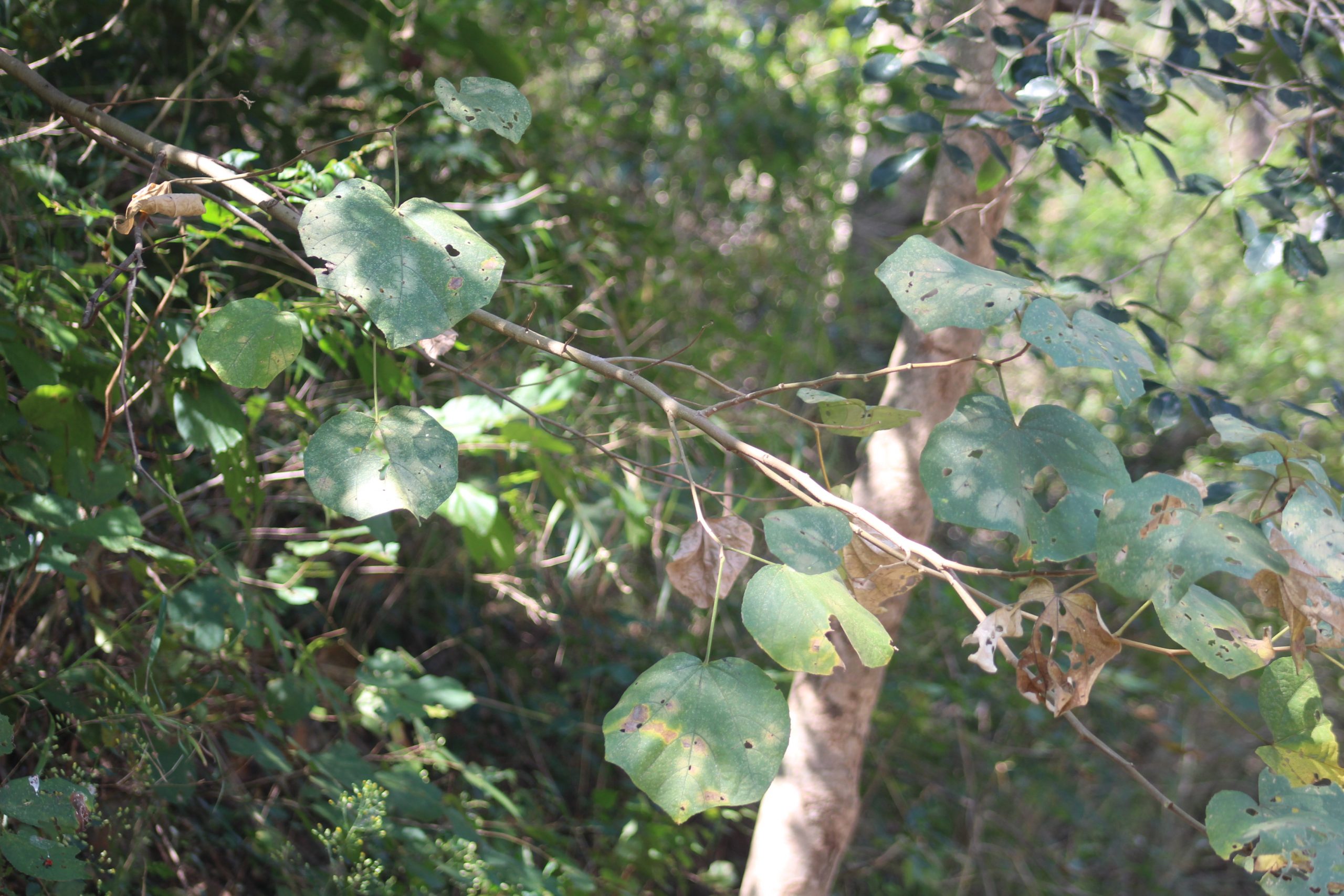
Found this tree in Yelagiri hills of Eastern ghats, Aug. Please help in ID!
Eriolaena hookeriana : 5 posts by 3 authors. Attachments (4)
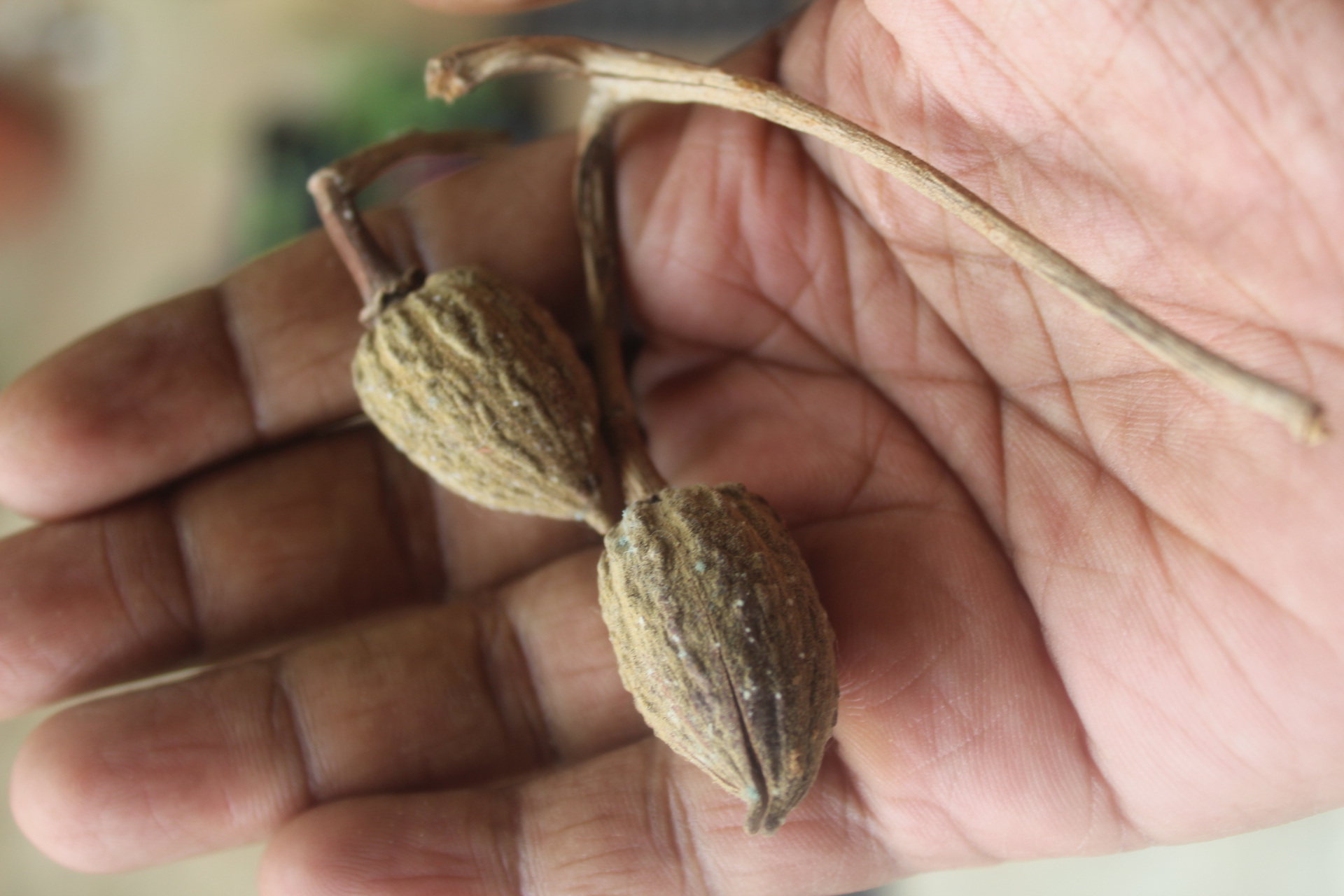
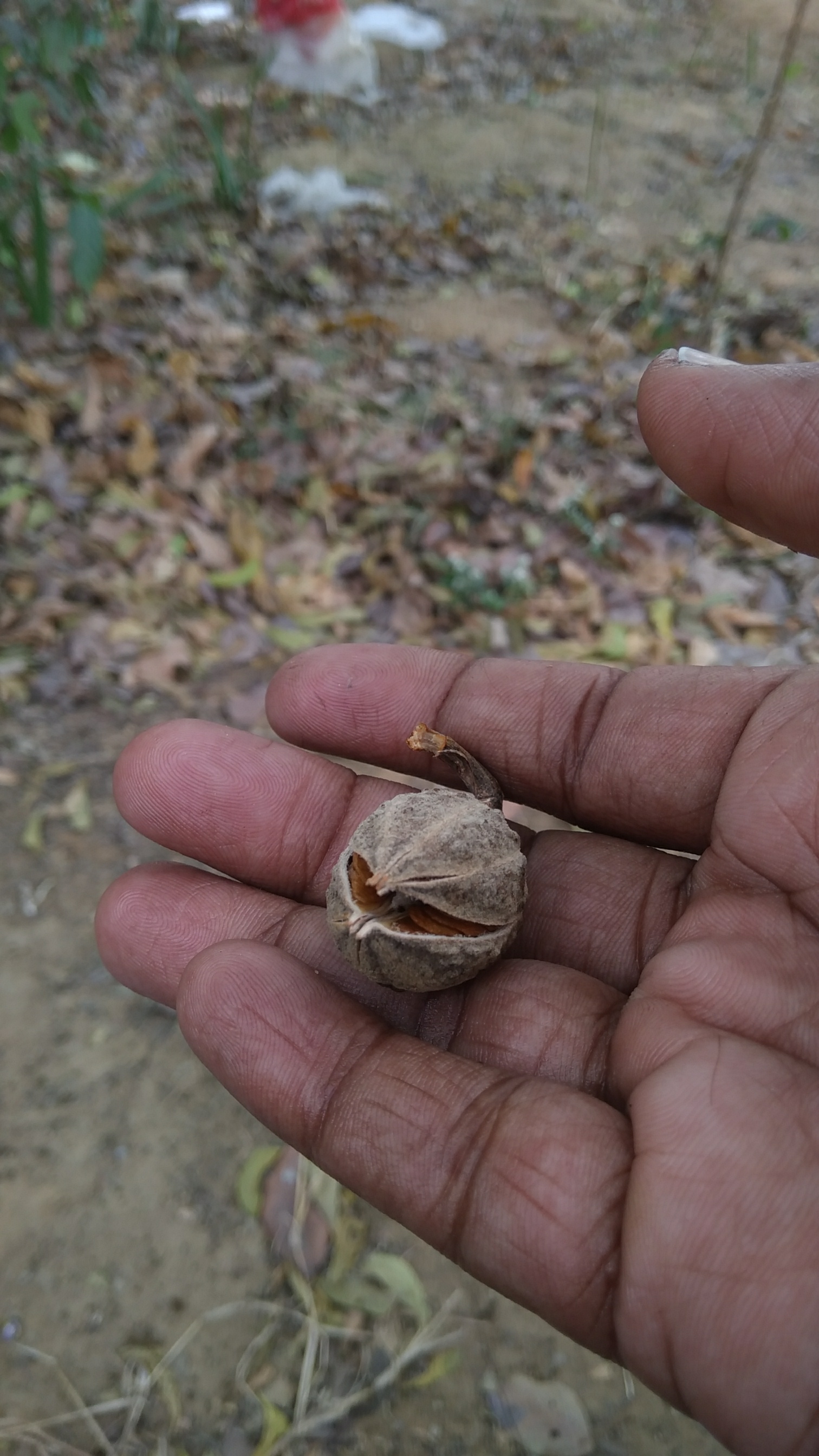
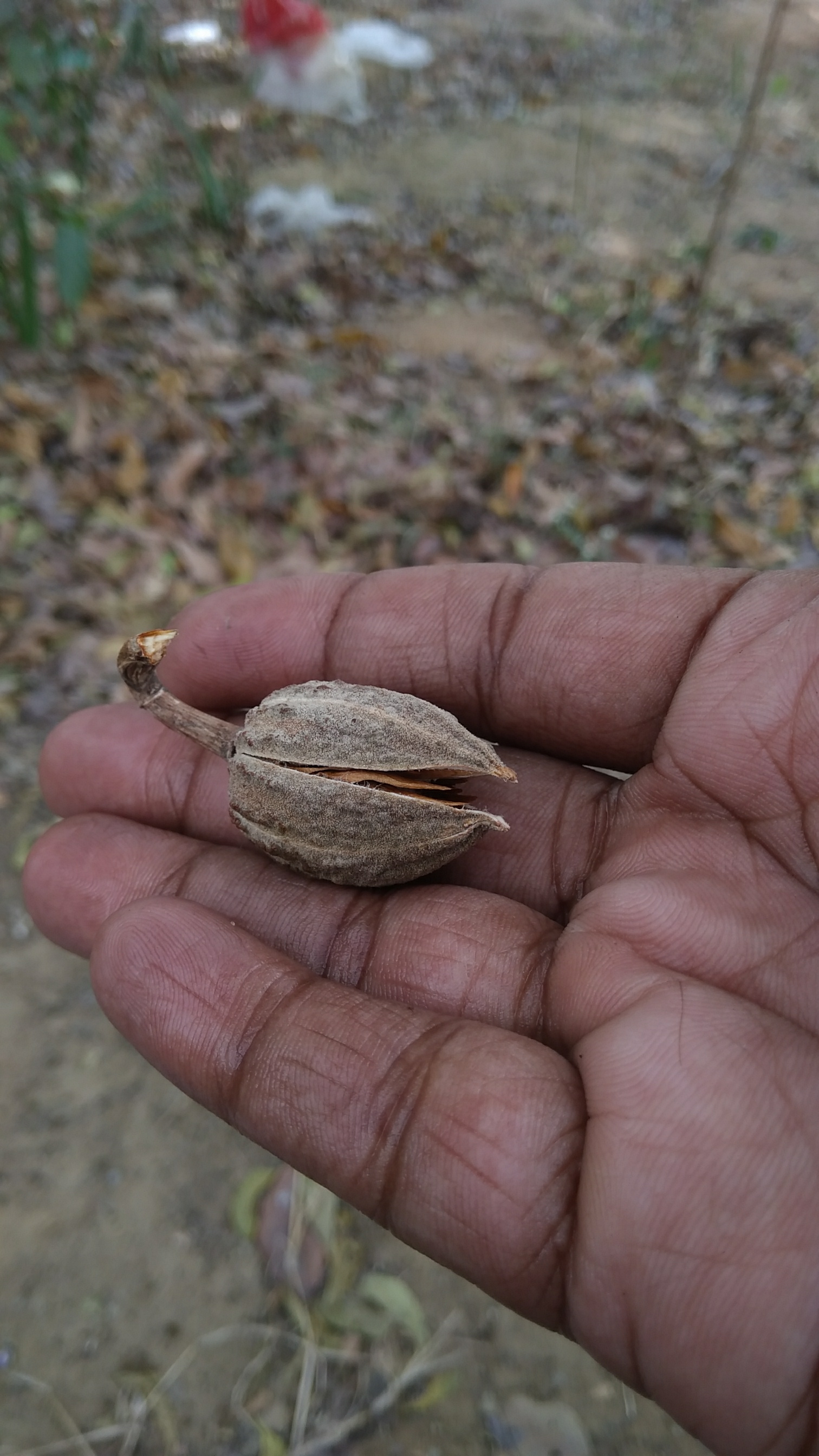
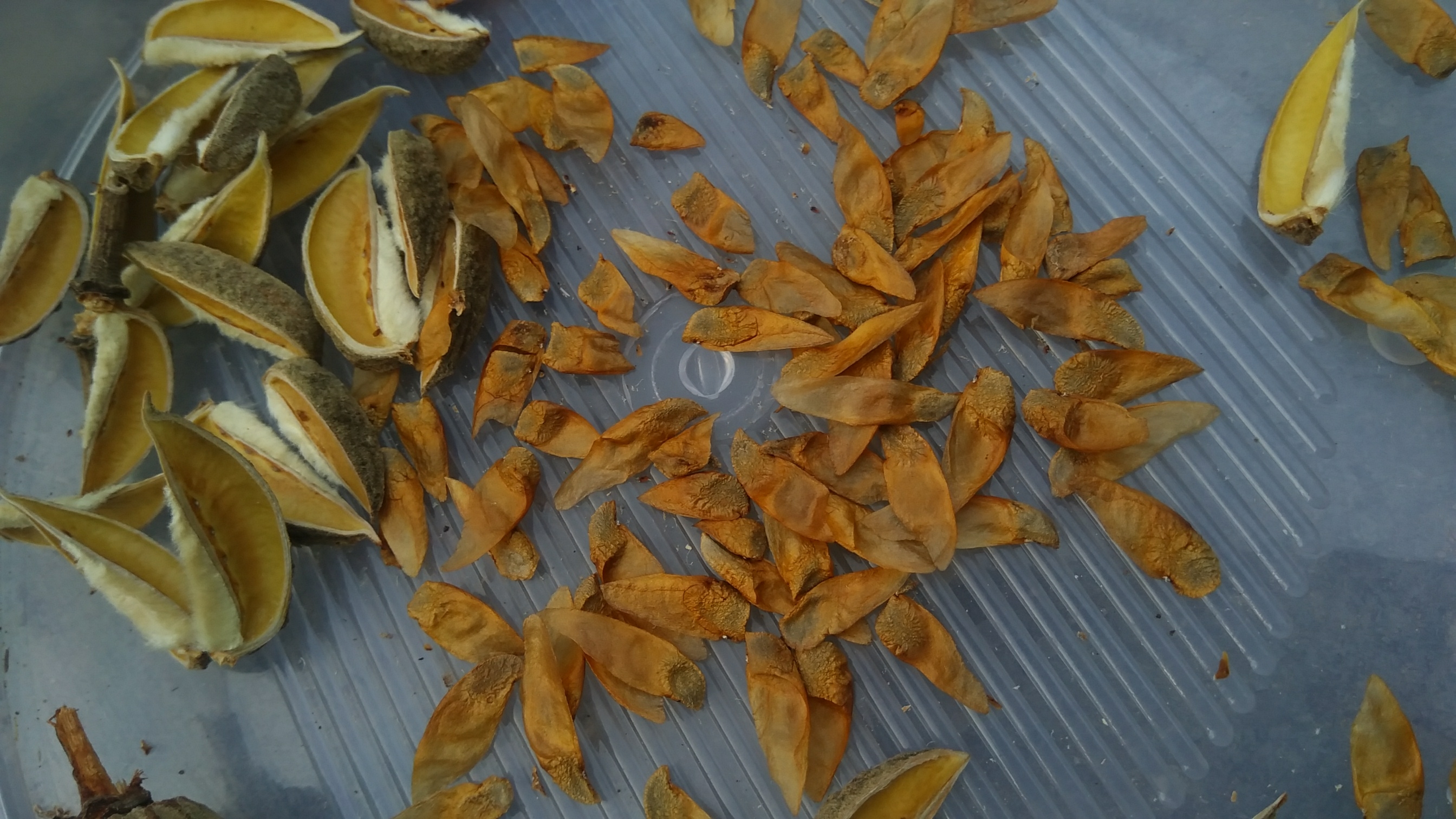
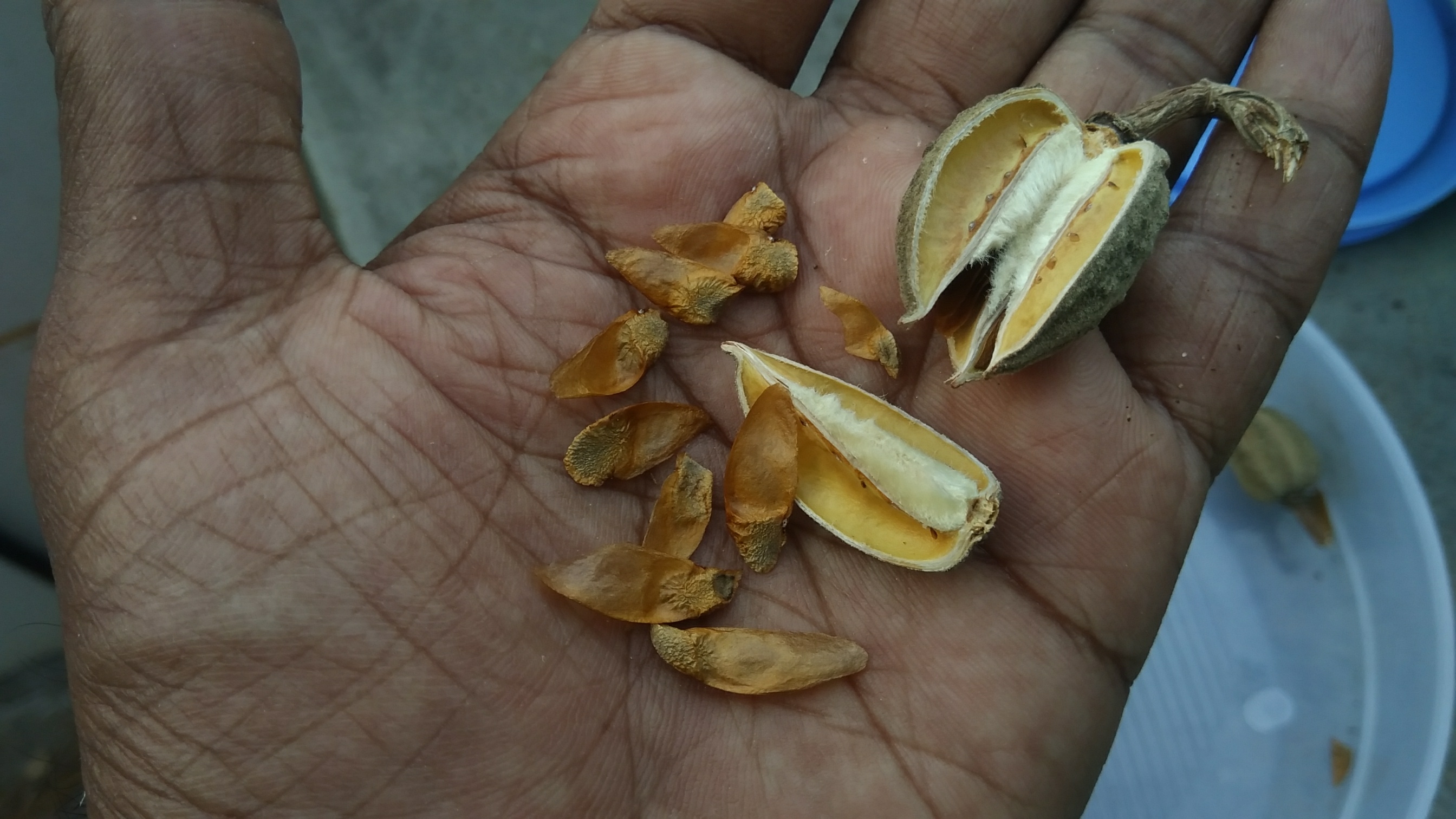
Seeds and pod. Found in Yelagiri hills of Eastern ghats.
yes it is Eriolaena hookeriana; wool filling in the gaps of dry loculicidal capsule is a characteristic feature of Eriolaena; seeds winged above; wing slightly longer in hookeriana than e.lushingtonii How common it is available? not so very common, but we find it in Nallamala and E.Godavari sporadically .
Germination in cocopeat.
First leaves.
.  Eriolaena hookeriana: 1 image. .
.
Please confirm id of small tree from Eriolaena sp.
Location Dholpur Rajasthan
September 2023 Between Eriolaena quinquelocularis (Wight & Arn.) Drury and Eriolaena hookeriana Wight & Arn. After going trough the descriptions from FoPI at https://indiaflora-ces.iisc.ac.in/FloraPeninsular/herbsheet.php?id=9223&cat=7, I think it is Eriolaena quinquelocularis.
Google AI view gives difference between the two as below: Eriolaena quinquelocularis and Eriolaena hookeriana are both small to medium-sized deciduous trees (Malvaceae family) found in India with similar yellow flowers and woody capsules. E. quinquelocularis (bothi) has smaller leaves (approx. 10 cm), and is found in regions like Maharashtra and Rajasthan. E. hookeriana often features on rocky slopes and is distinguished by its specific pollination biology.Key Differences and Details:
Both species produce fruits that are woody, 5-10 valved capsules, containing numerous winged seeds designed for wind dispersal. It is nothing but E.hookeriana.
. References: |
Eriolaena hookeriana



Updated on April 4, 2026