
Oldenlandiopsis callitrichoides (Griseb.) Terrell & W.H.Lewis, Brittonia 42: 185 (1990) (syn: Hedyotis callitrichoides (Griseb.) W.H.Lewis ; Oldenlandia callitrichoides Griseb. );
.
S. Mexico to Central America, Caribbean, NW. Argentina: Argentina Northwest, Bahamas, Cayman Is., Costa Rica, Cuba, Dominican Republic, Haiti, Jamaica, Leeward Is., Mexico Southeast, Mexico Southwest, Nicaragua, Panamá, Puerto Rico, Trinidad-Tobago, Windward Is.; Introduced into: Cook Is., Florida, Guyana, Hawaii, Taiwan, Tokelau-Manihiki as per POWO;
.
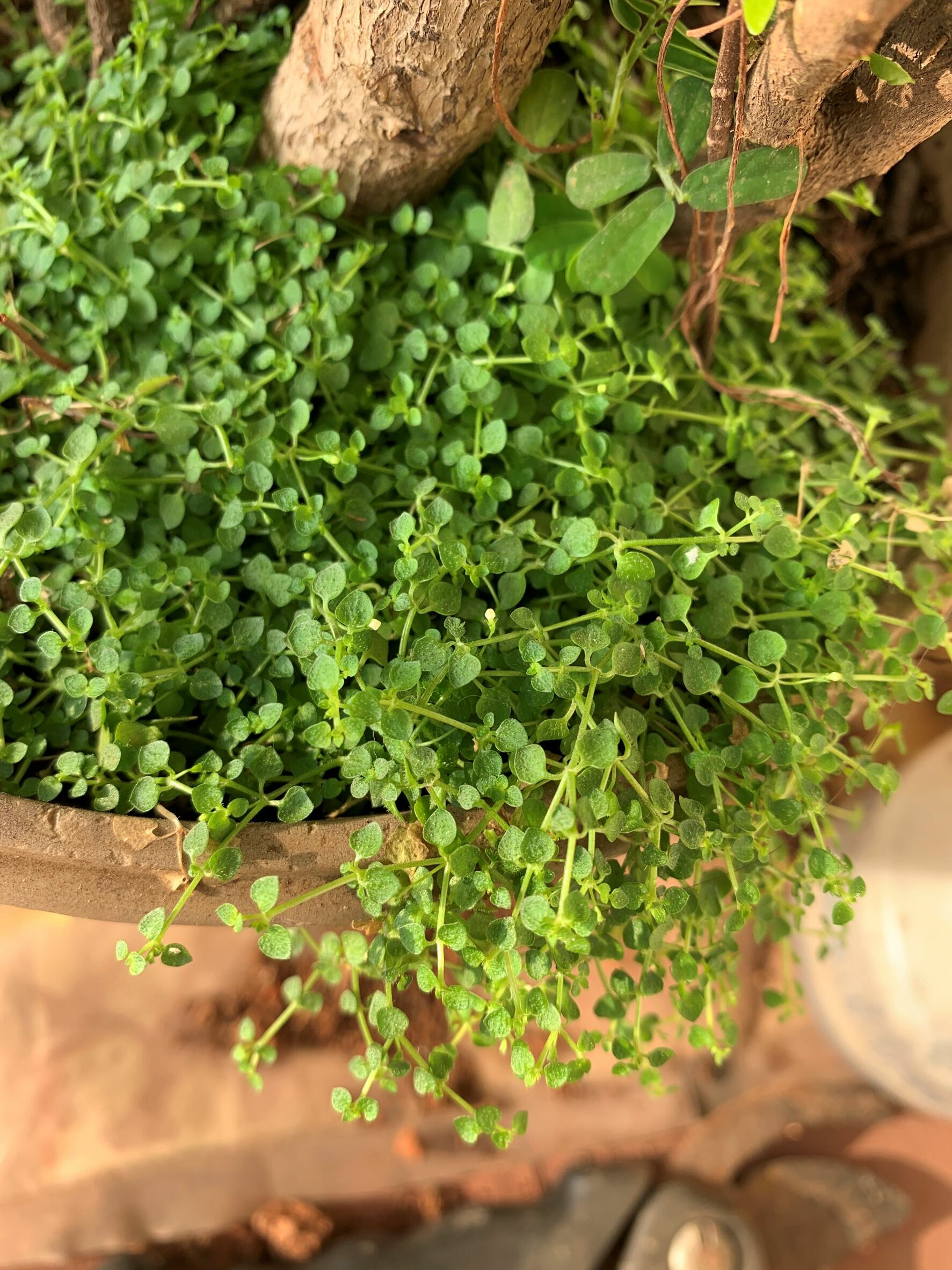

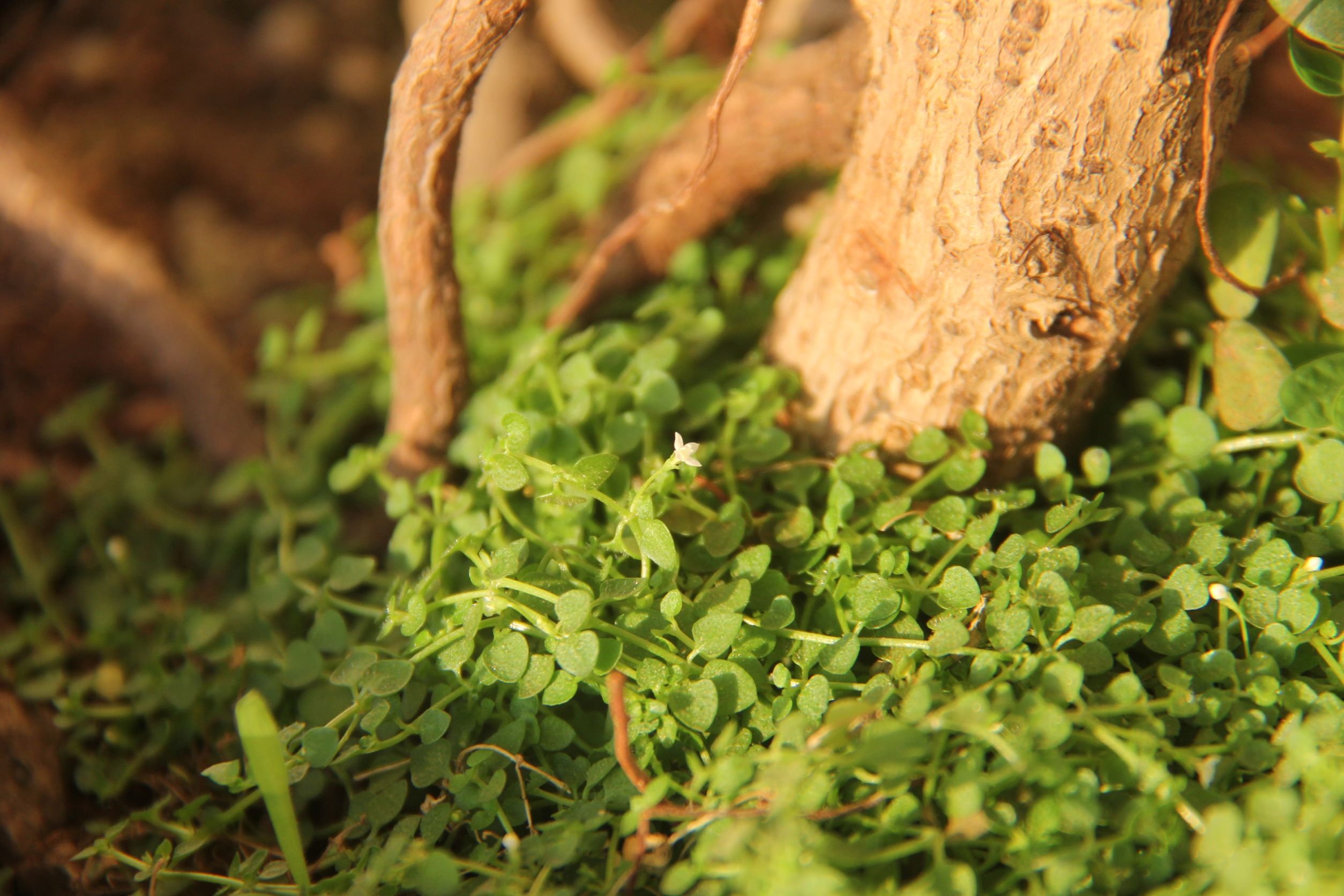
Mumbai, January 2020 :: Herb with white flowers for ID :: ARK2022-077: 3 high res. images.
This was growing in alongwith a potted plant. May have come in from the nursery.
Requested to please ID.
Looks somewhat close to Leptopetalum biflorum (L.) Neupane & N.Wikstr., but I think corla tube looks a bit different.
Oldenlandiopsis callitrichoides (Griseb.) Terrell & W.H.Lewis
https://powo.science.kew.org/taxon/urn:lsid:ipni.org:names:281564-2
https://www.inaturalist.org/taxa/165824-Oldenlandiopsis-callitrichoides
Oldenlandiopsis is a monospecific genus in the Rubiaceae family, containing only the species Oldenlandiopsis callitrichoides. While the genus is native to the Americas, it has a significant presence in India through naturalization and its close botanical relationship with the widely distributed Indian genus Oldenlandia.
Presence in India
Identification & Sighting: Specimens of Oldenlandiopsis callitrichoides (commonly known as creeping-bluet) have been documented in India, including sightings as recently as 2024 in regions like Madhya Pradesh.
Naturalization: Originally native to the West Indies, Mexico, and Central America, the plant is now naturalized in various tropical regions globally, including parts of Asia and Africa. Habitat: In India and similar tropical environments, it typically thrives in wet or moist disturbed urban areas, often appearing as a weed in shaded greenhouses or gardens.
The genus Oldenlandiopsis was established in 1990 to separate this specific species from the broader Oldenlandia genus based on distinct pollen structure, chromosome number, and capsule shape.
Oldenlandia in India: Unlike Oldenlandiopsis, the genus Oldenlandia is highly diverse in India. For example:
Oldenlandia umbellata (Chay root) is native to India and used in Siddha medicine and as a source of red dye.
Oldenlandia corymbosa is a common medicinal herb used for inflammatory conditions and fever.
Oldenlandia vasudevanii is a rare species endemic to the Kerala region of India
Habit: A small, creeping perennial herb that roots at the nodes, forming mats up to 50 cm wide.
Flowers: Produces solitary, tiny white flowers with four petals.
Leaves: Small, opposite leaves that are ovate or deltoid in shape.
.