
Passiflora tarminiana Coppens & V. E. Barney, Novon 11: 9 (2001) ;
.
S. Mexico to Venezuela and Peru: Colombia, Ecuador, Guatemala, Mexico Southeast, Mexico Southwest, Peru, Venezuela; Introduced into: Azores, Bolivia, California, Canary Is., Hawaii, Madeira, Mexico Central, Sri Lanka as per POWO;
.
As per link, P. tarminina is distinguished from P. tripartita var. mollissima by a number of features. P. tarminina has small deciduous stipules while P. tripartita var. mollissima has larger, persistent stipules. The sepals and petals in P. tarminina are perpendicular to the floral tube or are reflexed, whereas they are never so open in P. tripartita var. mollissima. They are also both much shorter in relation to the length of the floral tube in P. tripartita var. mollissima than in P. tarminina.
.
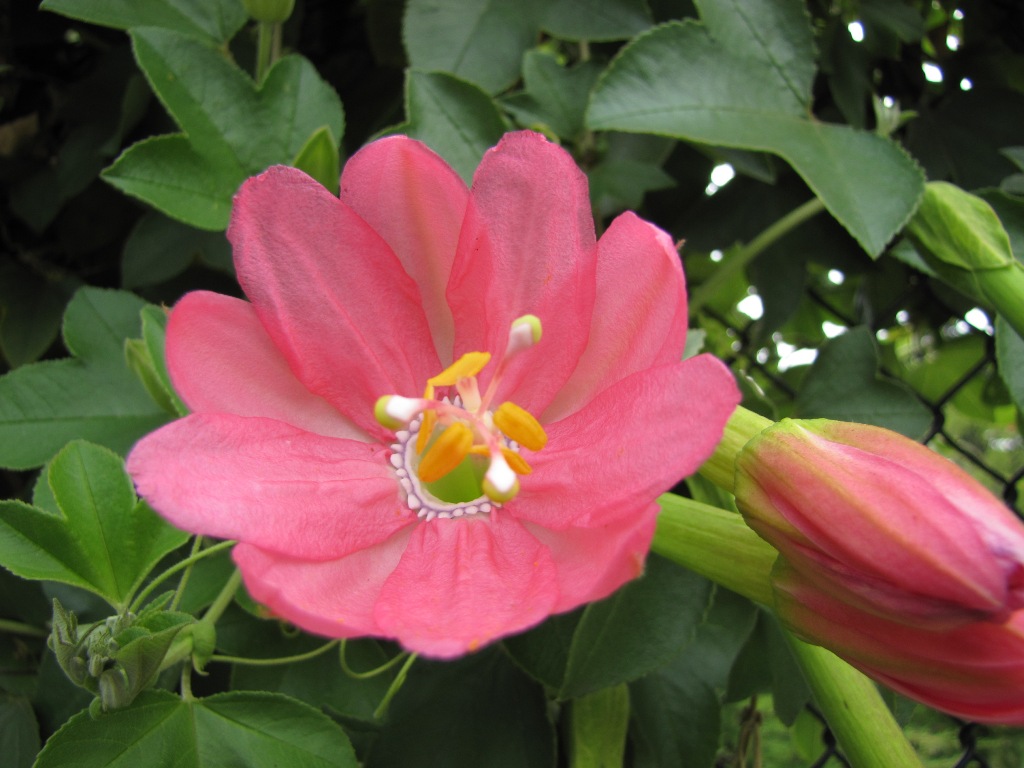
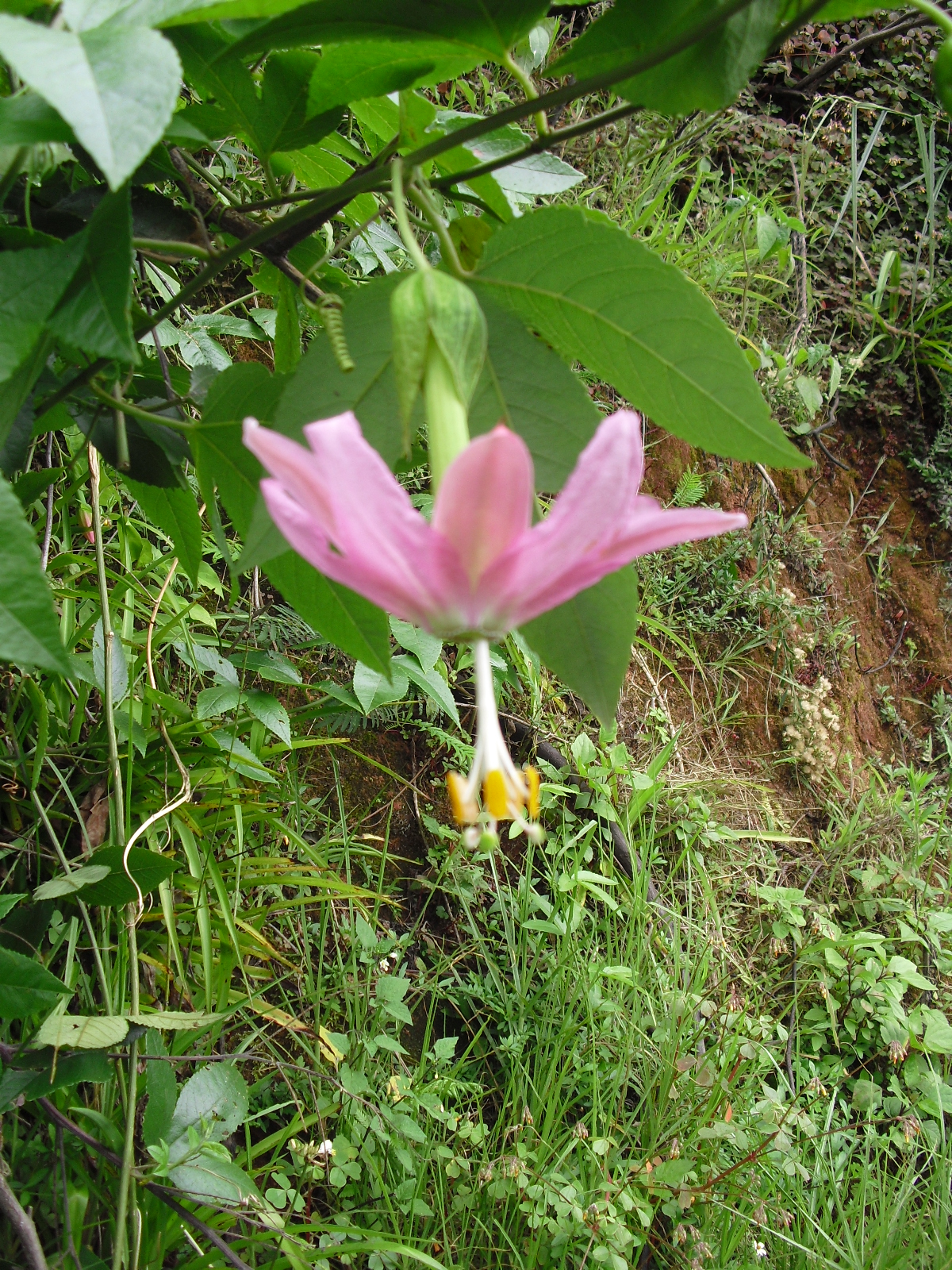
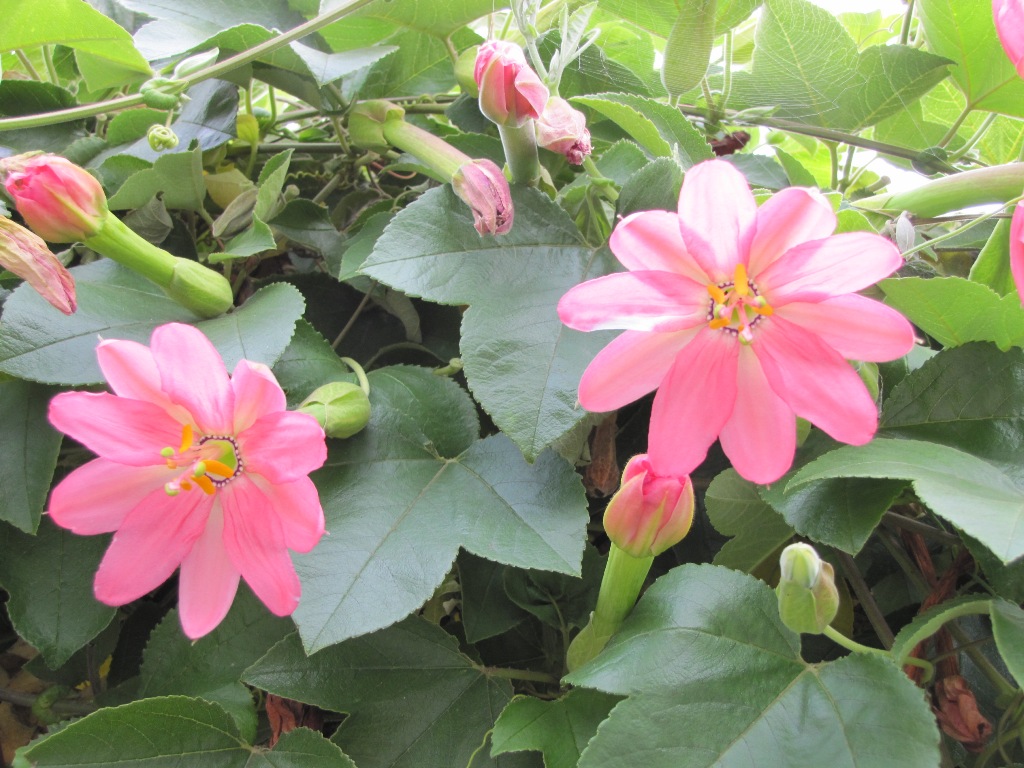
Passiflora species-2. – efloraofindia | Google Groups: Botanical gardens, Sanfrancisco, California– 10.10.09;
.
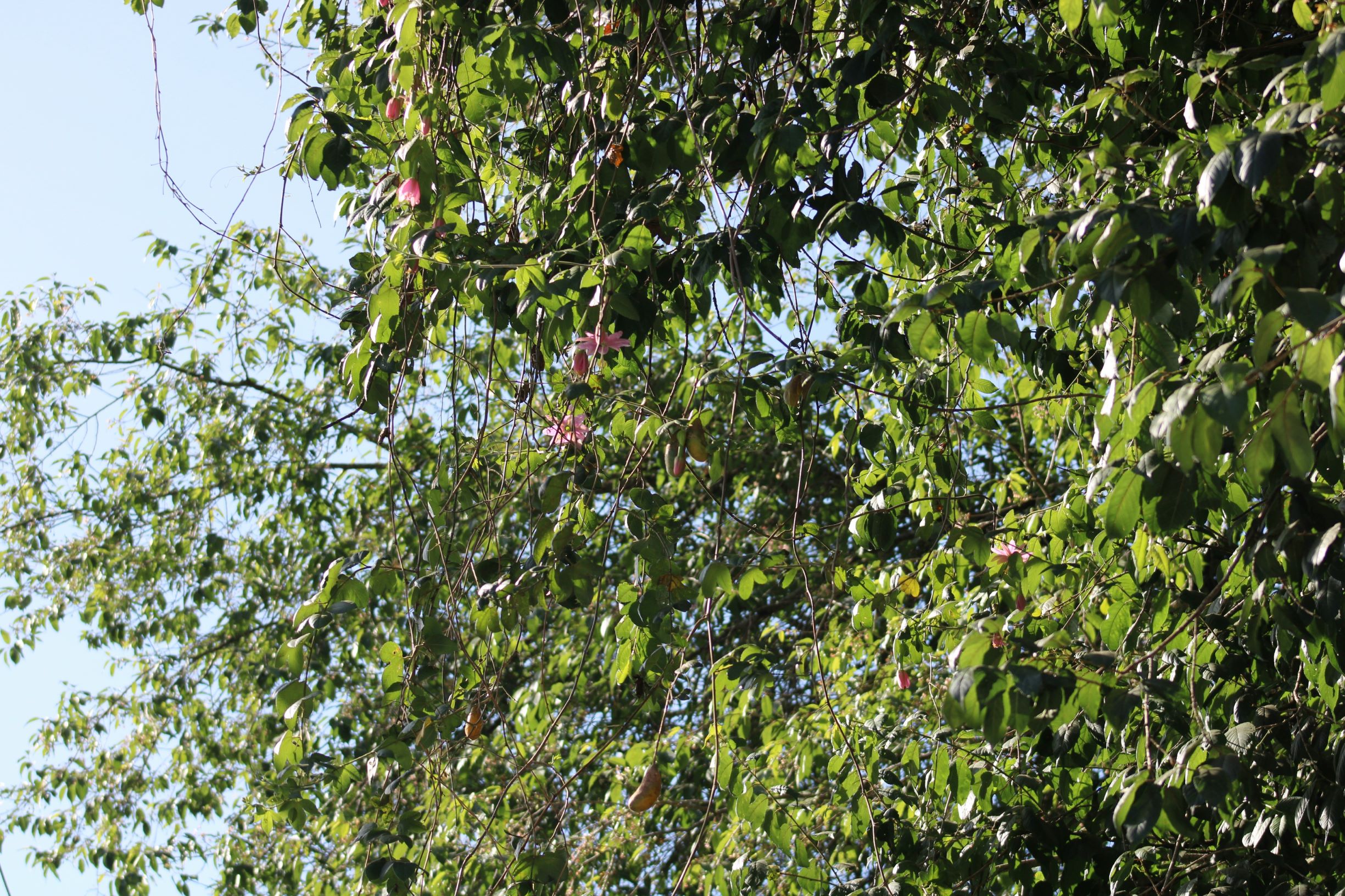
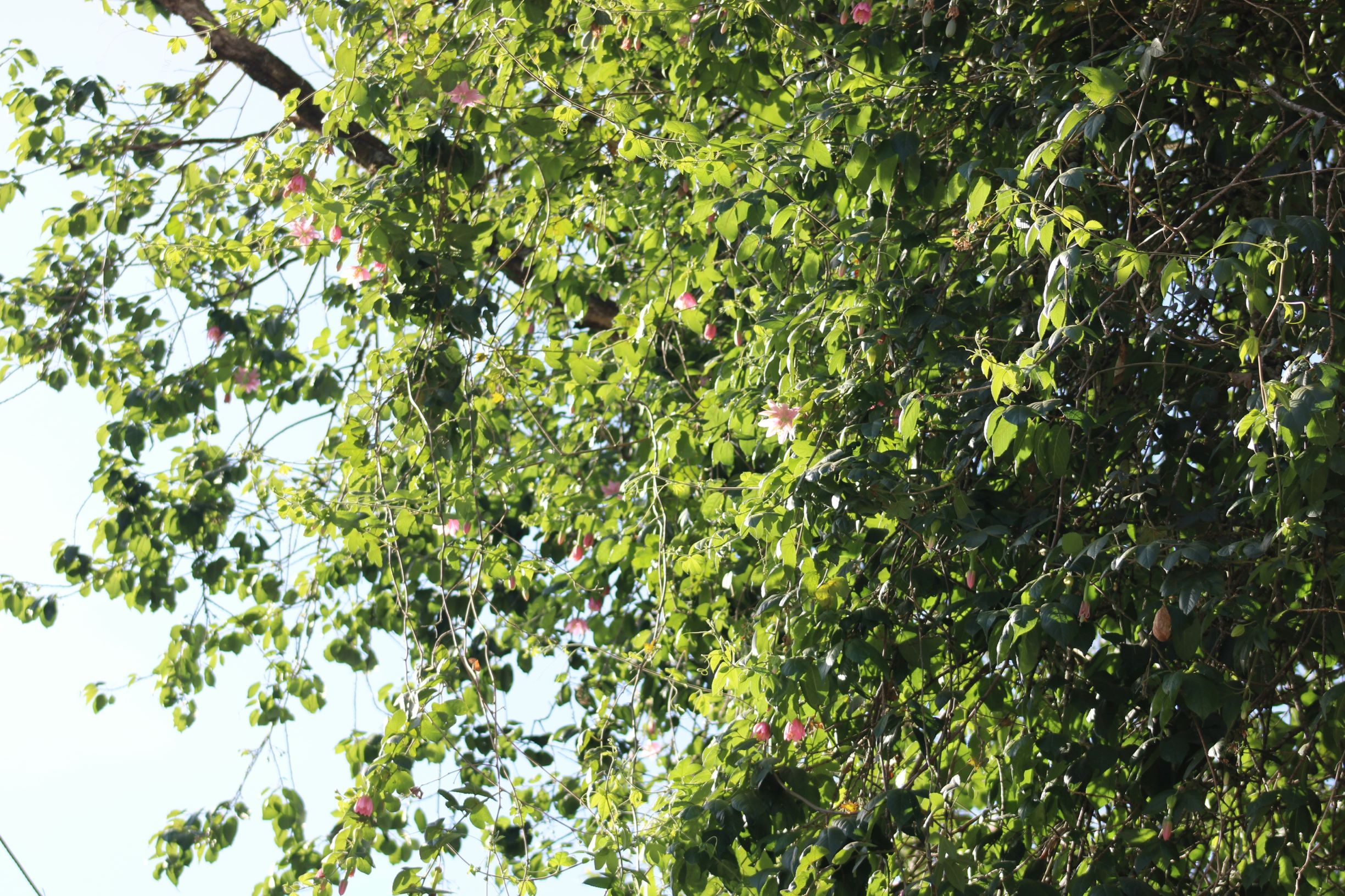
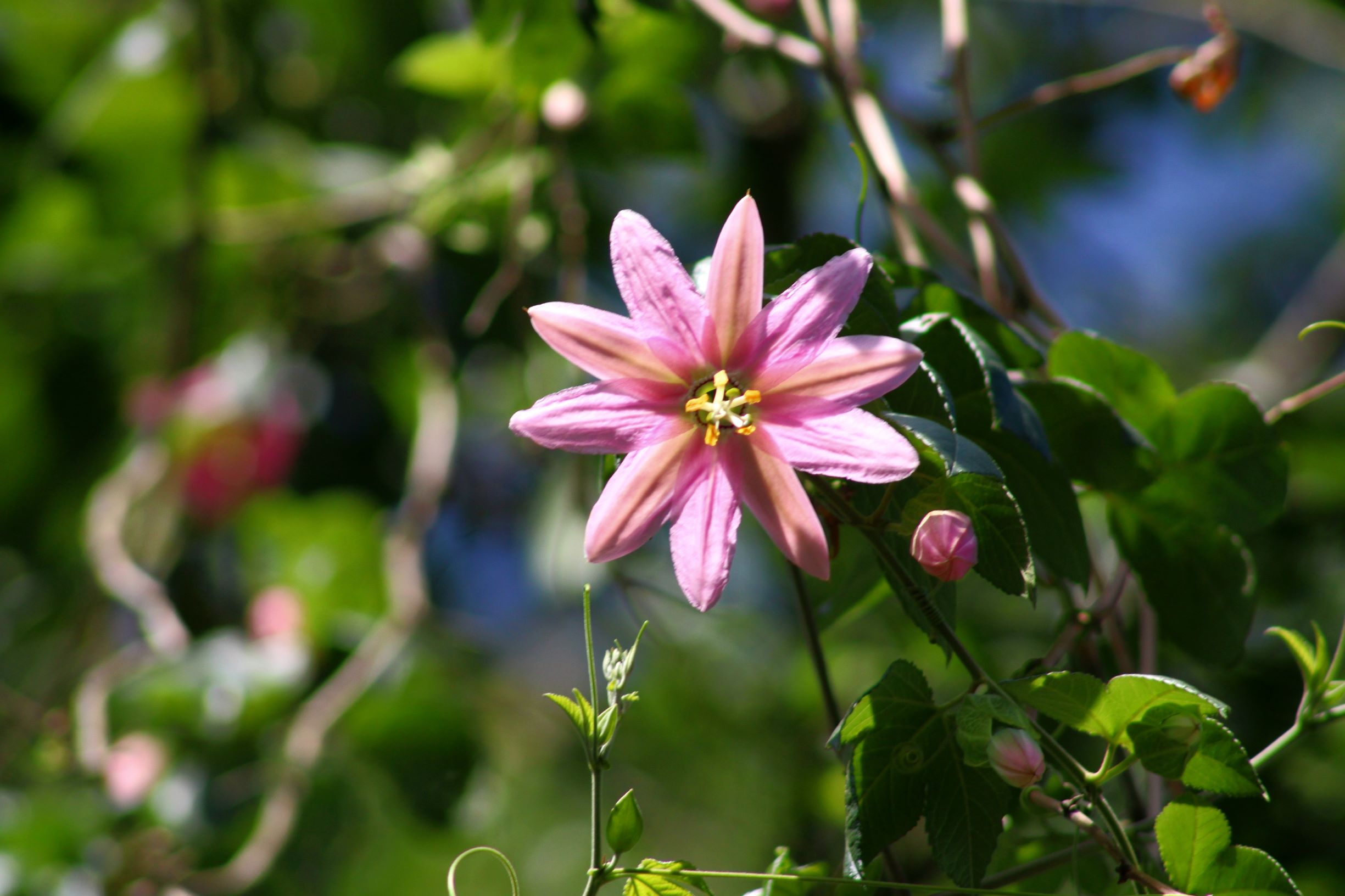
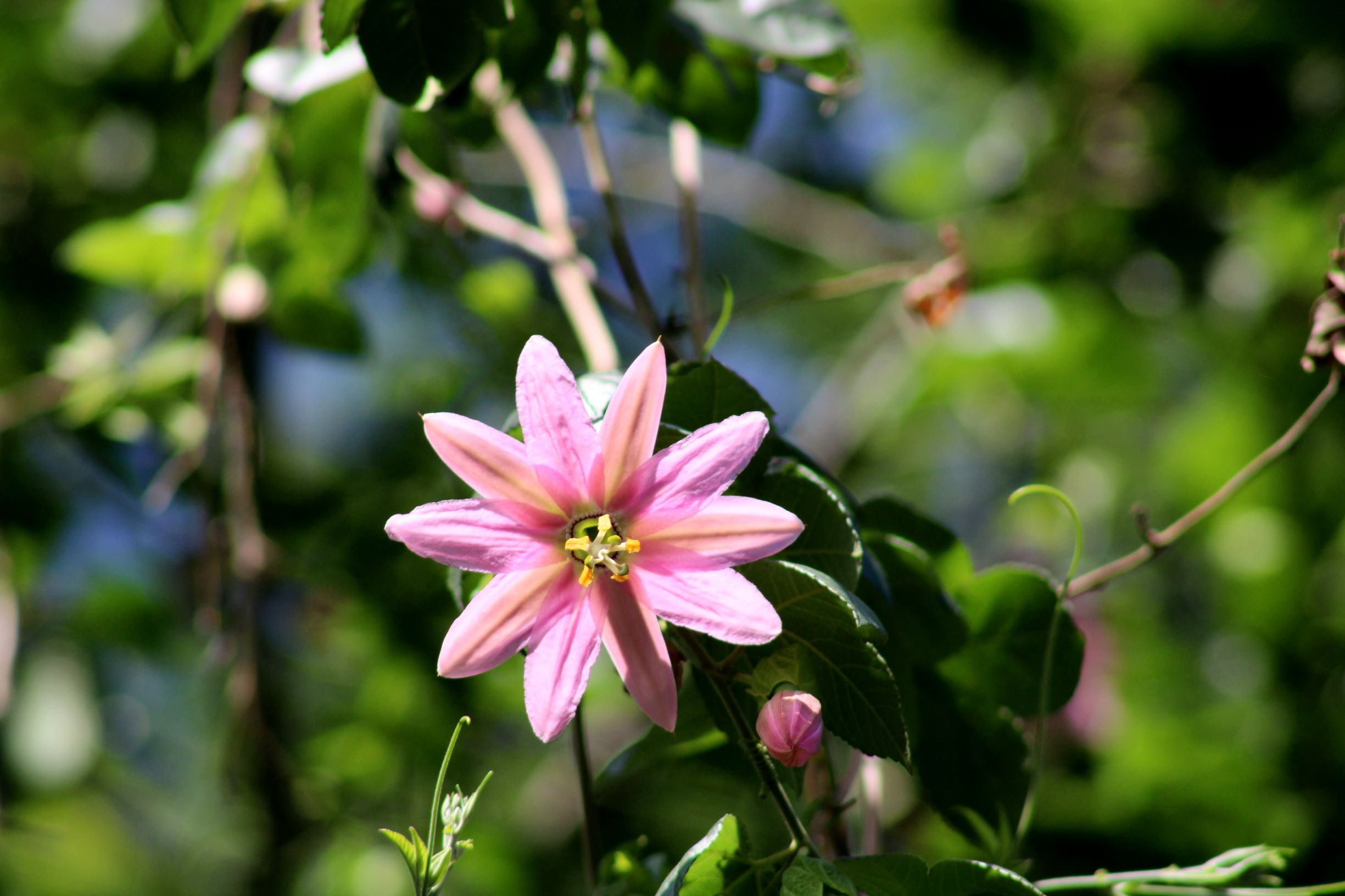
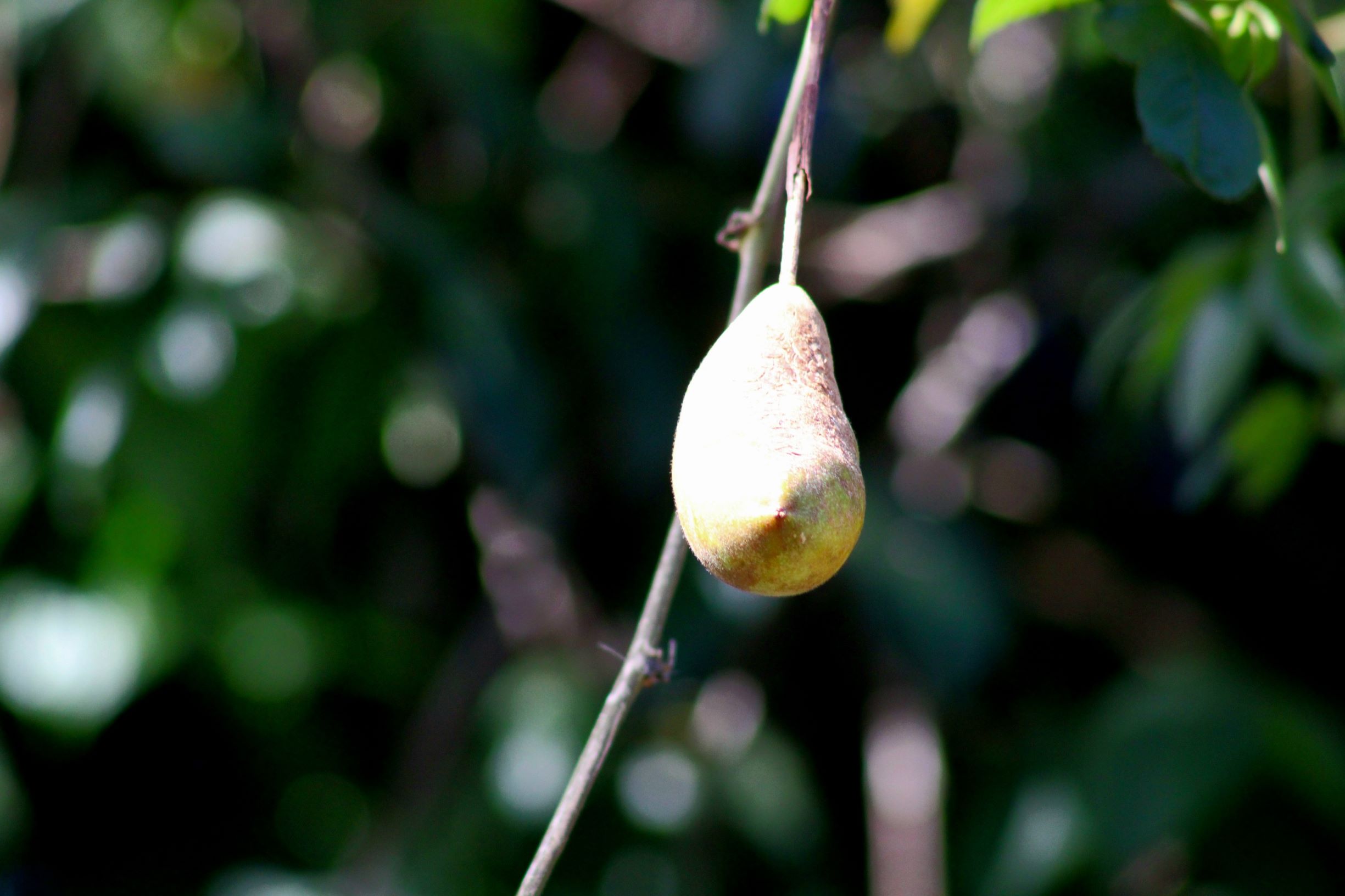
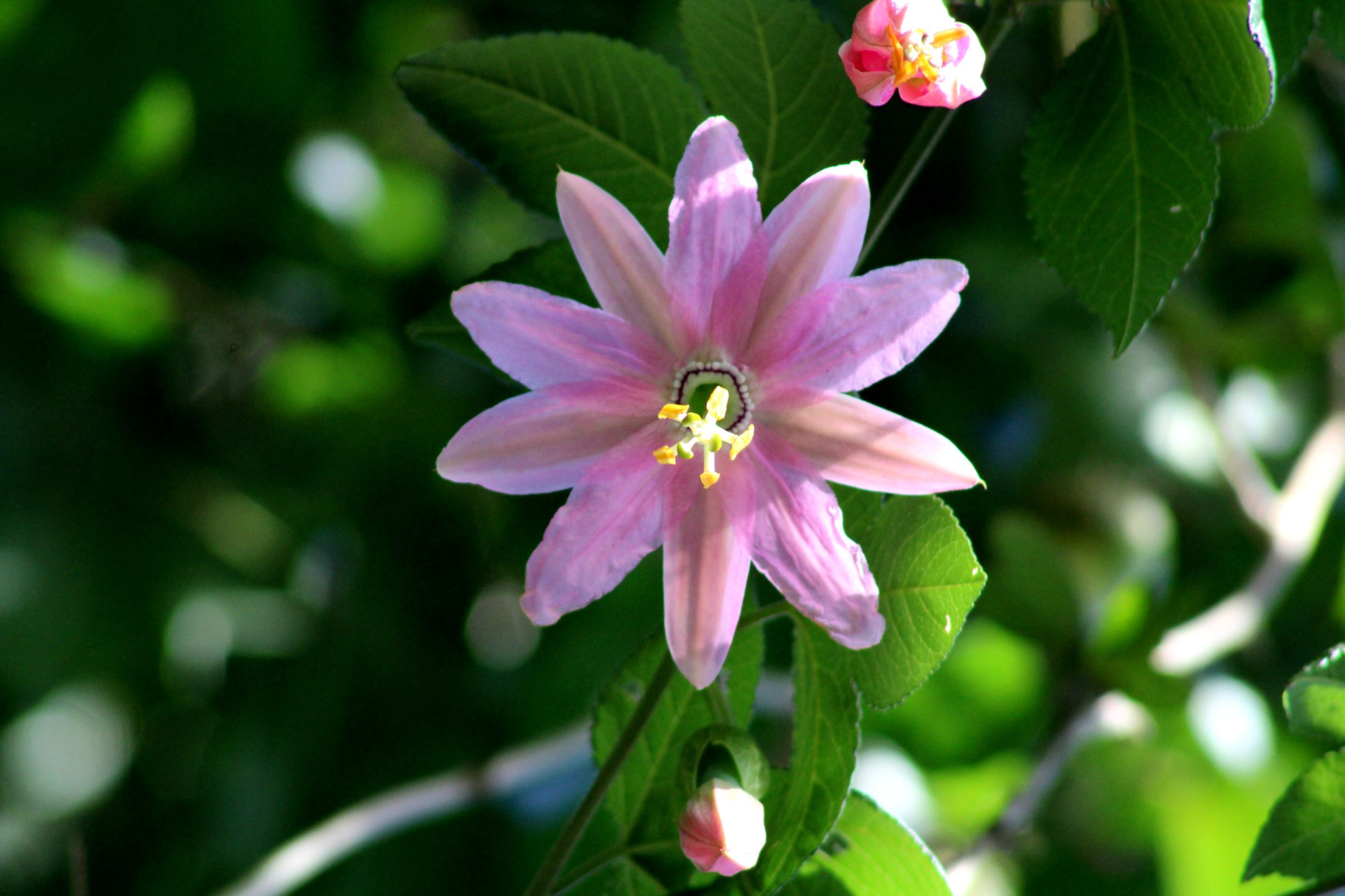
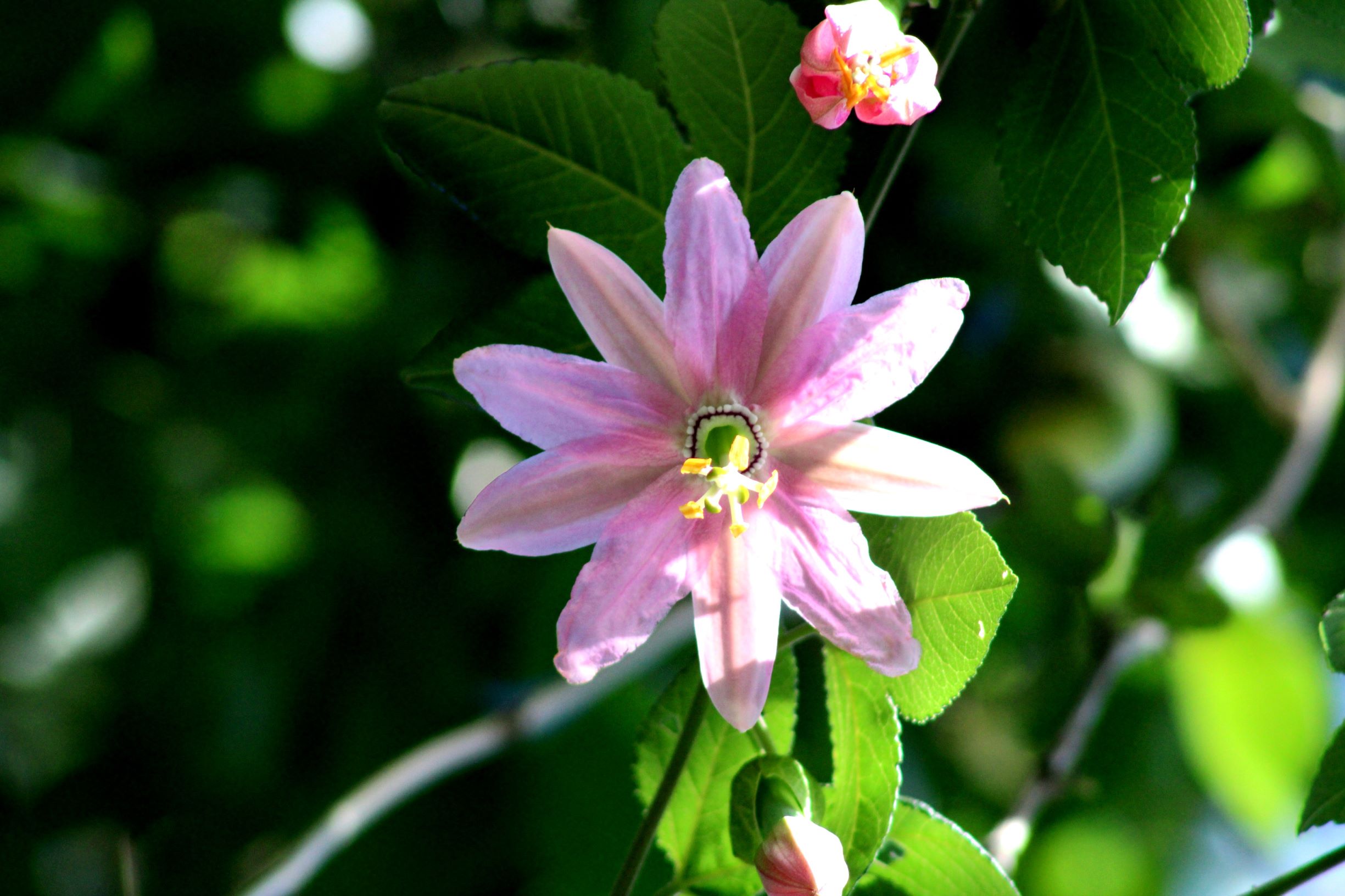
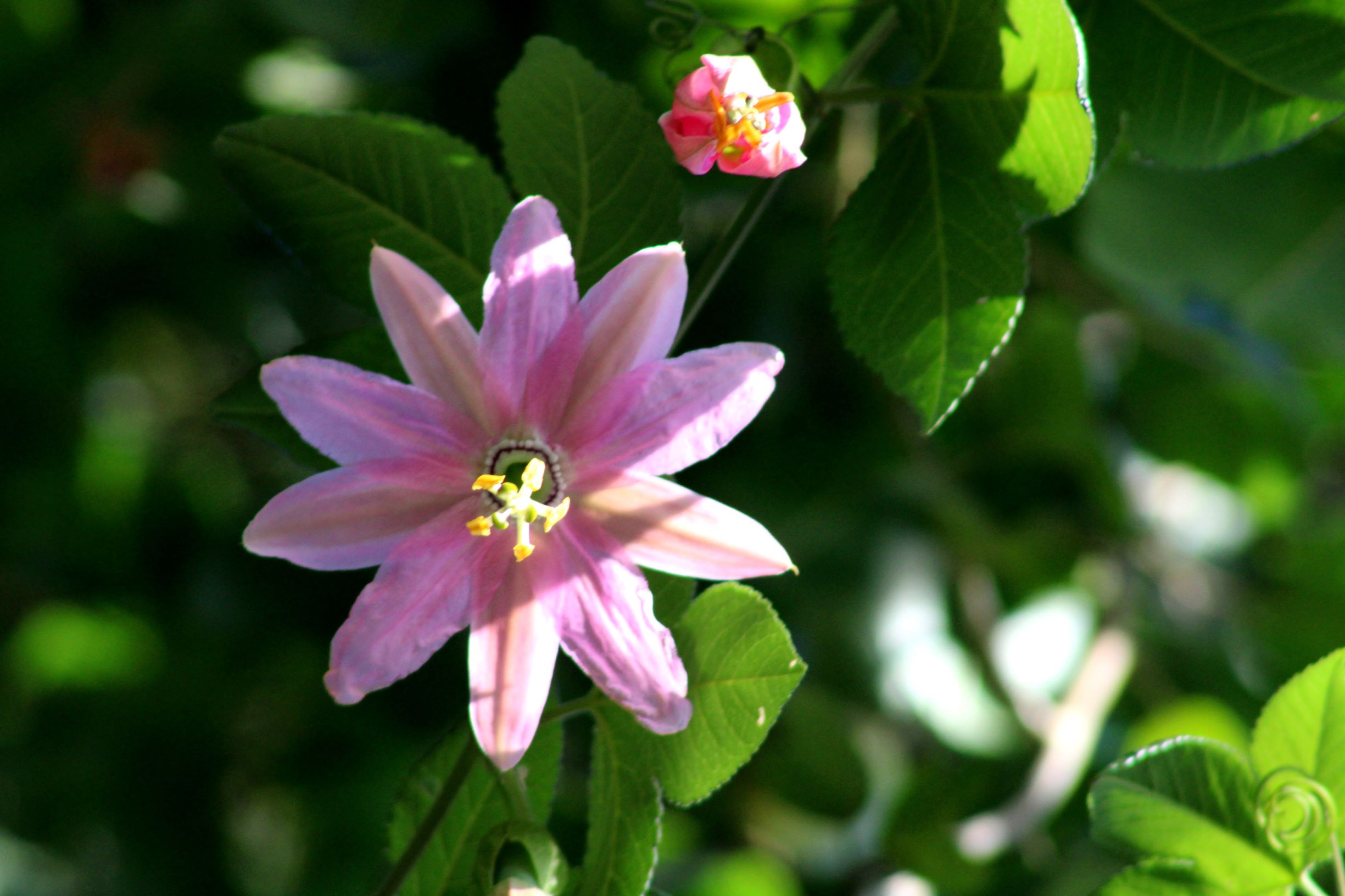
573 ID climber Passifloraceae: 8 high res. images.
Please ID wild climber,
Location: Kodaikanal Tamil Nadu INDIA
Altitude: 7200fsl
Flower date: 09APR2024, 12.30pm
Habitat: wild moisture misty sloppy canopied alpine
Plant habit: liana climber, branches, weak cylindrical fleshy stem, tendrils, perennial
Height: 12 meters
Host tree:
Leaves: alternate tripartite acute leathery smooth glossy serrated margins
Flower: axillary buds, diameter:08cm
Fruit: green into purplish obovoid size:15x06cm
Seed:
Camera: CANON EOS1500D +FL10x
Passiflora mollissima (Kunth) L.H.Bailey
Yes, it is Passiflora mollissima dear …, thank you very much for ID my plant
In view, Your posted plant should be P. tarminina
Thank you very for the well explained ID clarification of my plant with including plant’s relevant information link.
Passiflora mollissima ID#573:
Someone comment it as Passiflora tarminiama, the Google images are also confirming it, please check screenshot.
I guess so.
Some guys comments it as P. tarminiama. Please take a look.
In view, Your posted plant should be P. tarminina
Thank you very for the well explained ID clarification of my plant with including plant’s relevant information link.
.
Passiflora tarminiana Coppens & V.E.Barney :: The Nilgiris :: Jan 28, 2026 · 10:40 AM IST: 3 images.
along Ooty – Kotagiri Highway, about 2265 m asl
I think it is https://efloraofindia.com/efi/passiflora-tripartita-var-mollissima/ as per keys herein.
Ear-shaped stipules are not seen in the posted plant.
Upper surface of leaves in the posted plant are not seen hairy
What about
The sepals and petals in P. tarminina are perpendicular to the floral tube or are reflexed, whereas they are never so open in P. tripartita var. mollissima.
.
References:
POWO Catalogue of Life Flora of North America Flowers of India Wikipedia PFAF Useful Tropical Plants iNaturalist