
Pogostemon speciosus Benth., Pl. Asiat. Rar. 1: 31 (1830);
.
S. India as per POWO;
.
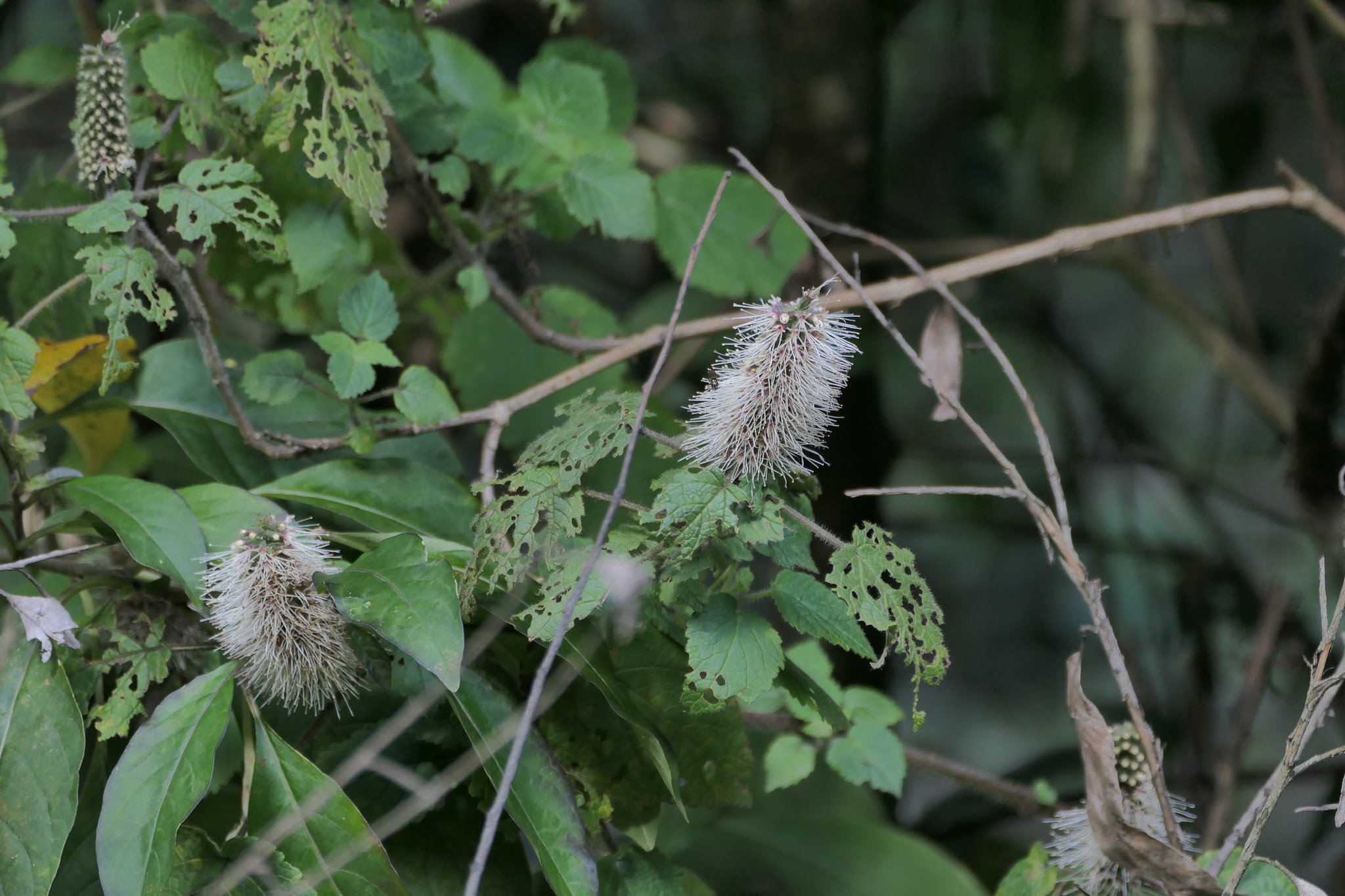
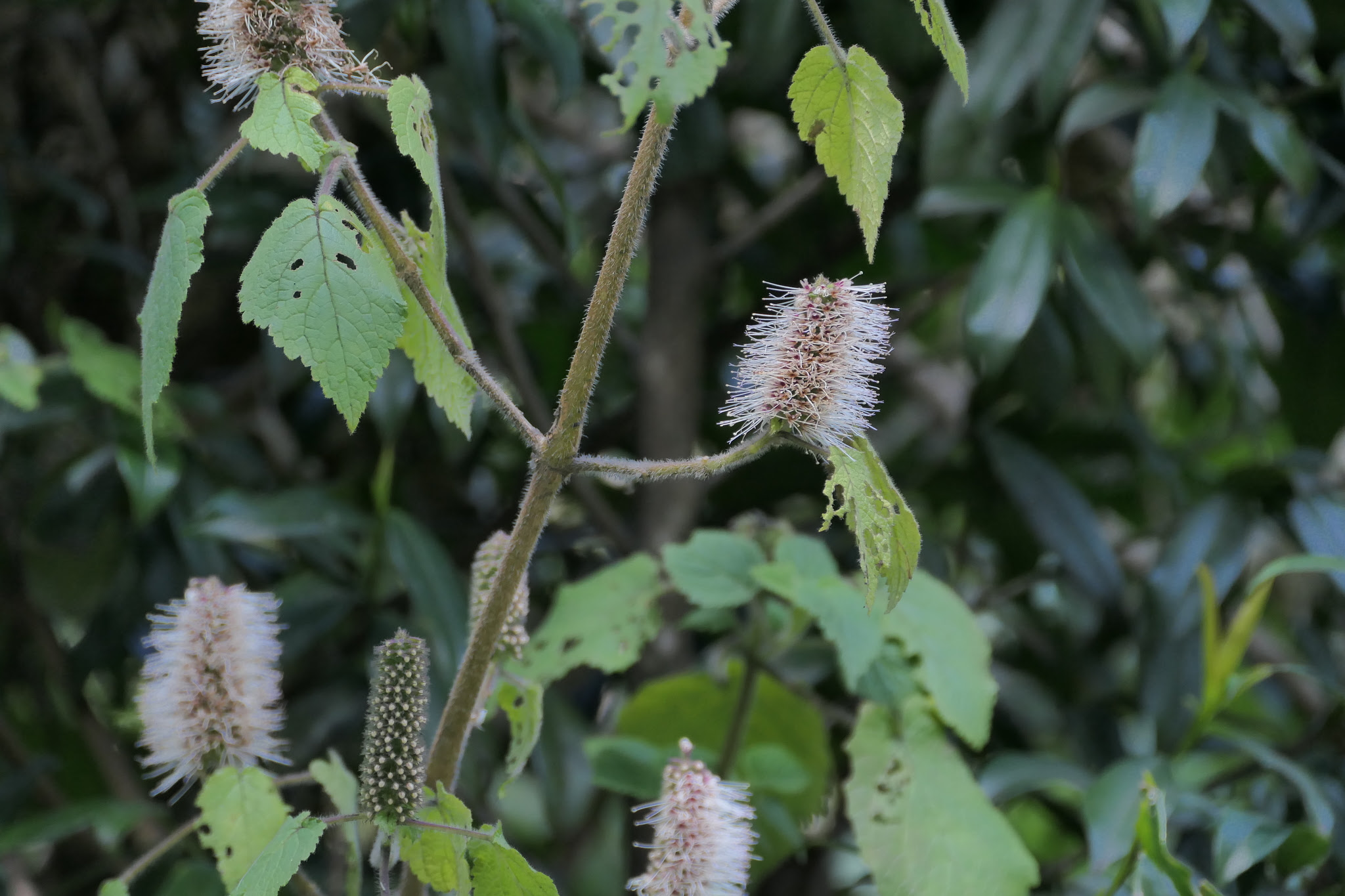
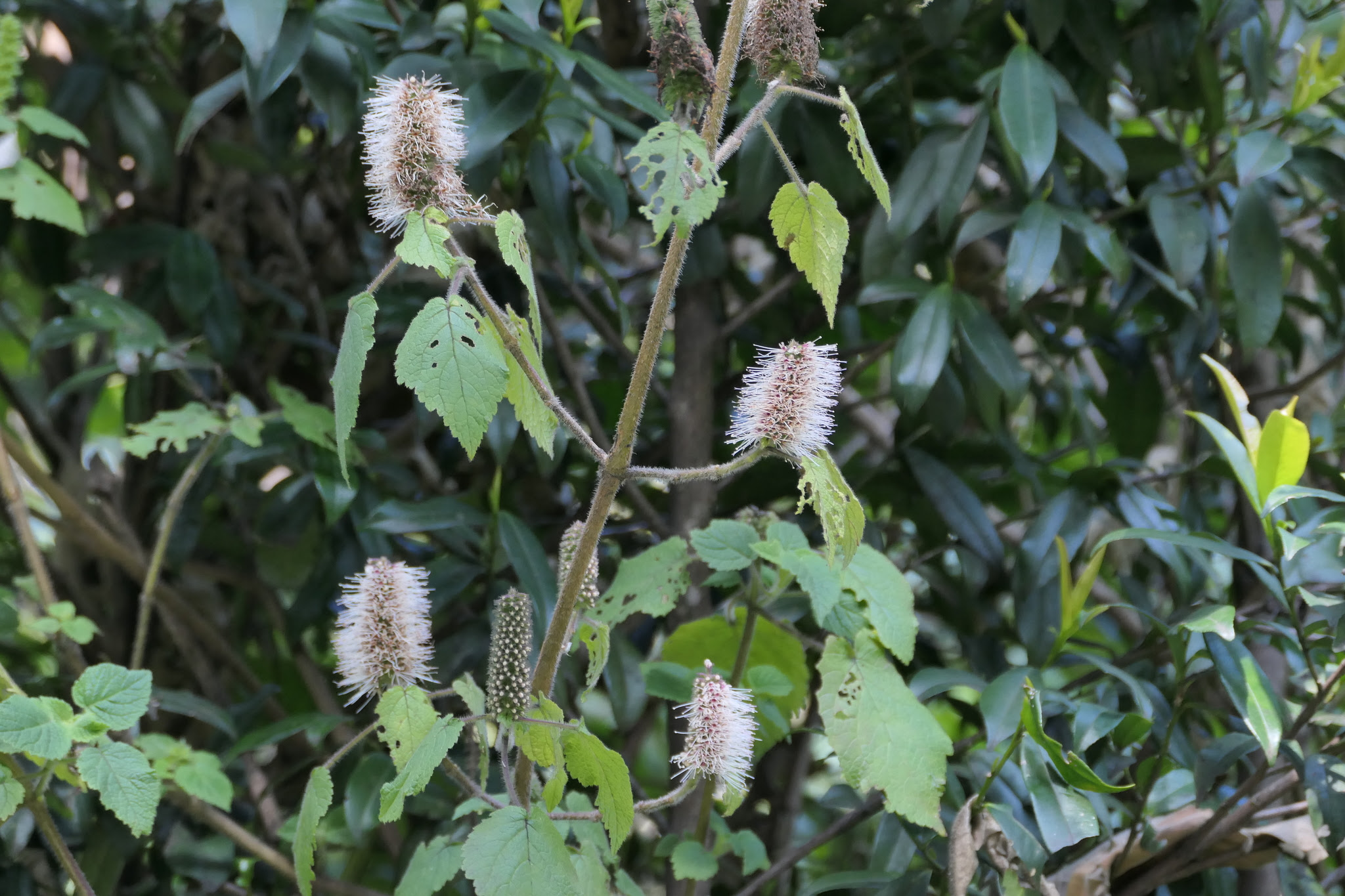
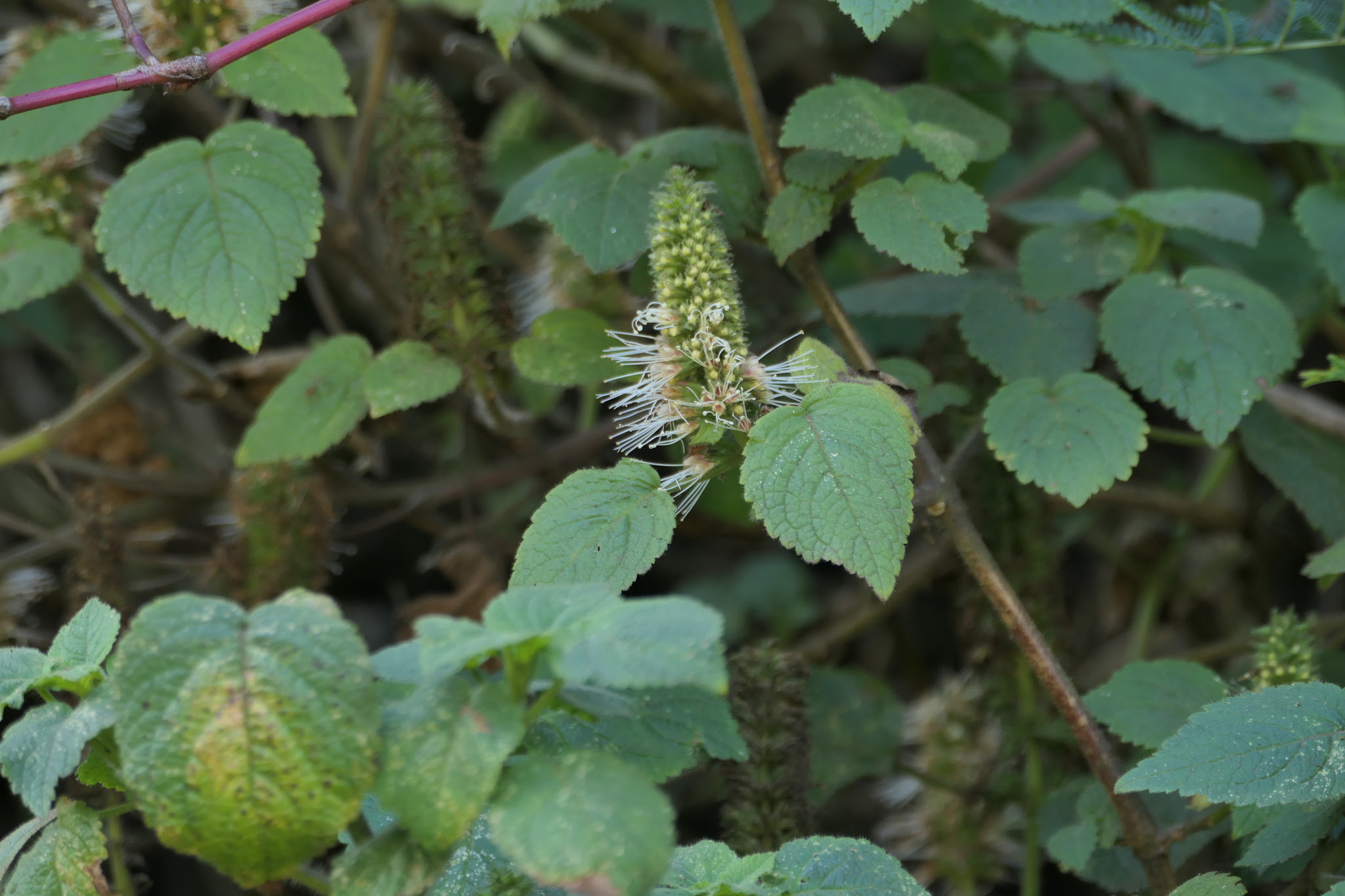
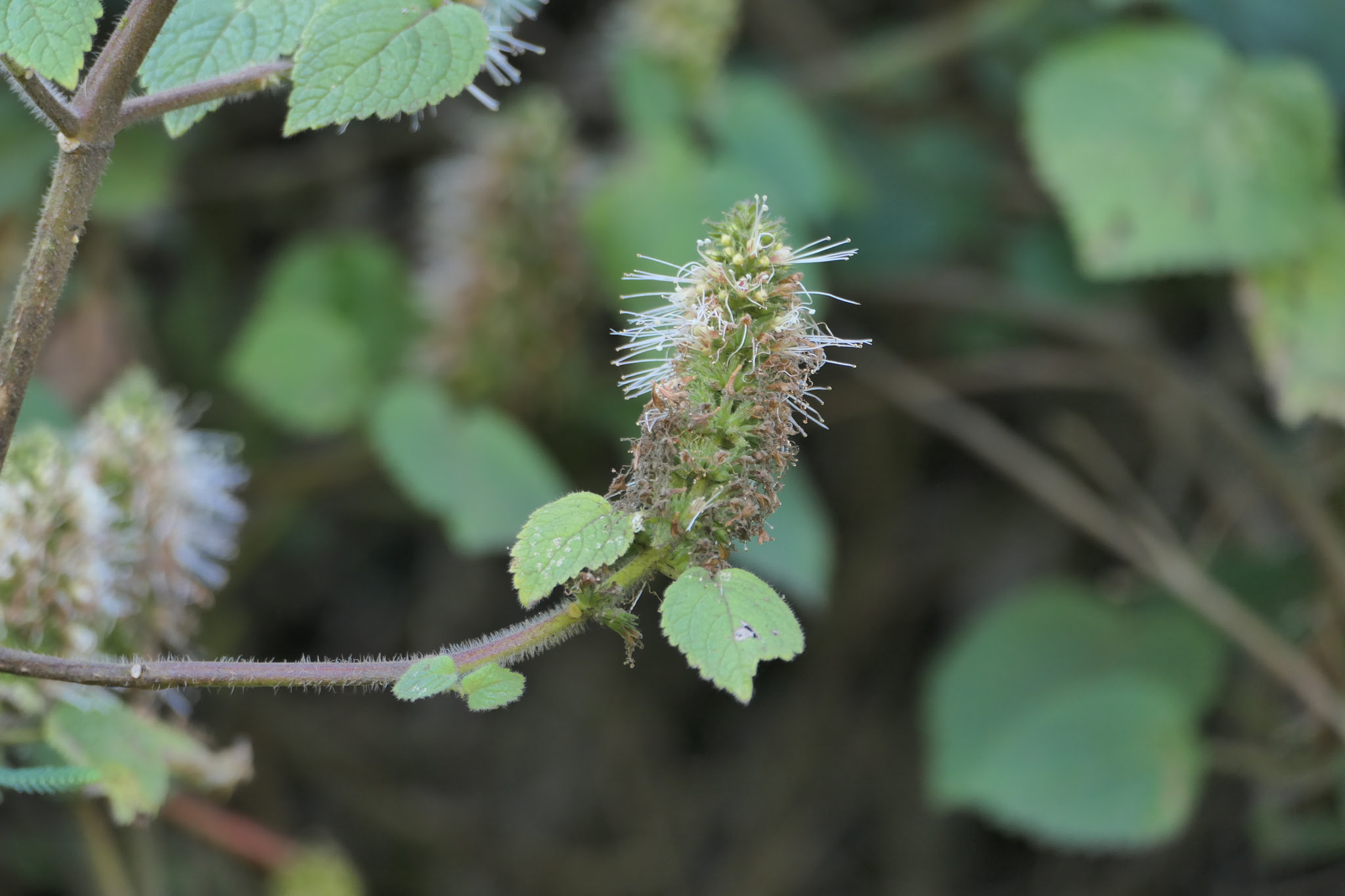
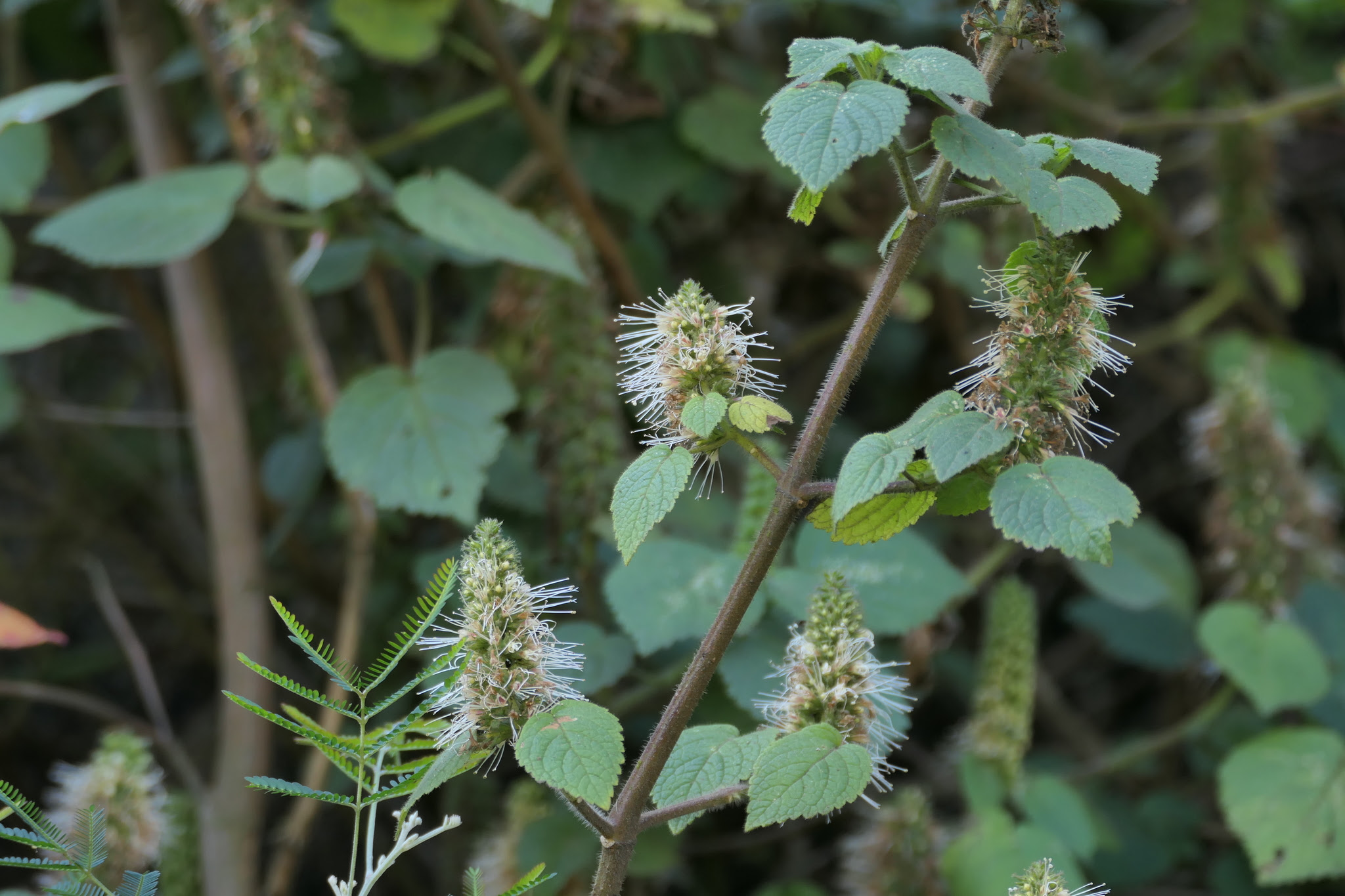
FOR VALIDATION :: ¿ Pogostemon speciosus Benth. ? :: The Nilgiris :: Jan 28, 2026 · 2:18 PM IST: 3 images.
¿ Pogostemon speciosus Benth. ?
Kodapamund, about 2415 m asl
Pogostemon wightii Benth. ??
Both are quite close.
…, may decide based on the following differences as per Google AI view:
Pogostemon wightii and Pogostemon speciosus are both aromatic, endemic species of the Lamiaceae family found in the Southern Western Ghats of India. They are similar in appearance and habitat, frequently found in high-altitude Shola forests (around 1,000–2,200m).
The key differences lie in their habit (size/growth form), specific floral characteristics, and leaf texture.
Key Differences at a Glance:
| Feature | Pogostemon wightii Benth. | Pogostemon speciosus Benth. |
|---|---|---|
| Growth Habit | Small shrub or herb (sometimes subshrub) | Shrub, up to 2 m tall |
| Stem/Branching | Quadrangular, strigose (stiff, appressed hairs) | Pilose-hispid (hairy) brown branches |
| Leaf Features | Densely strigose, 5-6 cm long, ovate | Hirsute, 3-8 cm long, ovate/orbicular, turn black when dry |
| Inflorescence | 4-8 cm long spikes, continuous | Often described as having “bottlebrush” appearance |
| Stamens | Bearded filaments | Lacks moniliform hairs on filaments |
| Nutlets | Biconvex to triangular, smooth, brown | Suborbicular, blackish, 1 mm long |
Detailed Breakdown:
- Pogostemon wightii:
- Description: A small, delicate shrub or herb, often found along stream sides or in marshy spots within Shola forests.
- Appearance: Leaves are smaller (5-6 x 3-4 cm) and intensely hairy (strigose).
- Flowering: Occurs in December-January.
- Distinctive Feature: Filaments (stamens) are bearded.
- Pogostemon speciosus:
- Description: A more robust shrub, growing up to 2 meters, common on rocky slopes and degraded areas of the Nilgiri and Anamalai hills.
- Appearance: Leaves are larger and hairy, with the unique characteristic of turning black when dry.
- Flowering: Occurs from January to February.
- Distinctive Feature: Leaves and stem turn blackish when dried, and the stamens are very long, giving a “bottlebrush” appearance
This posted plant is thus Pogostemon speciosus Benth. to me.
.
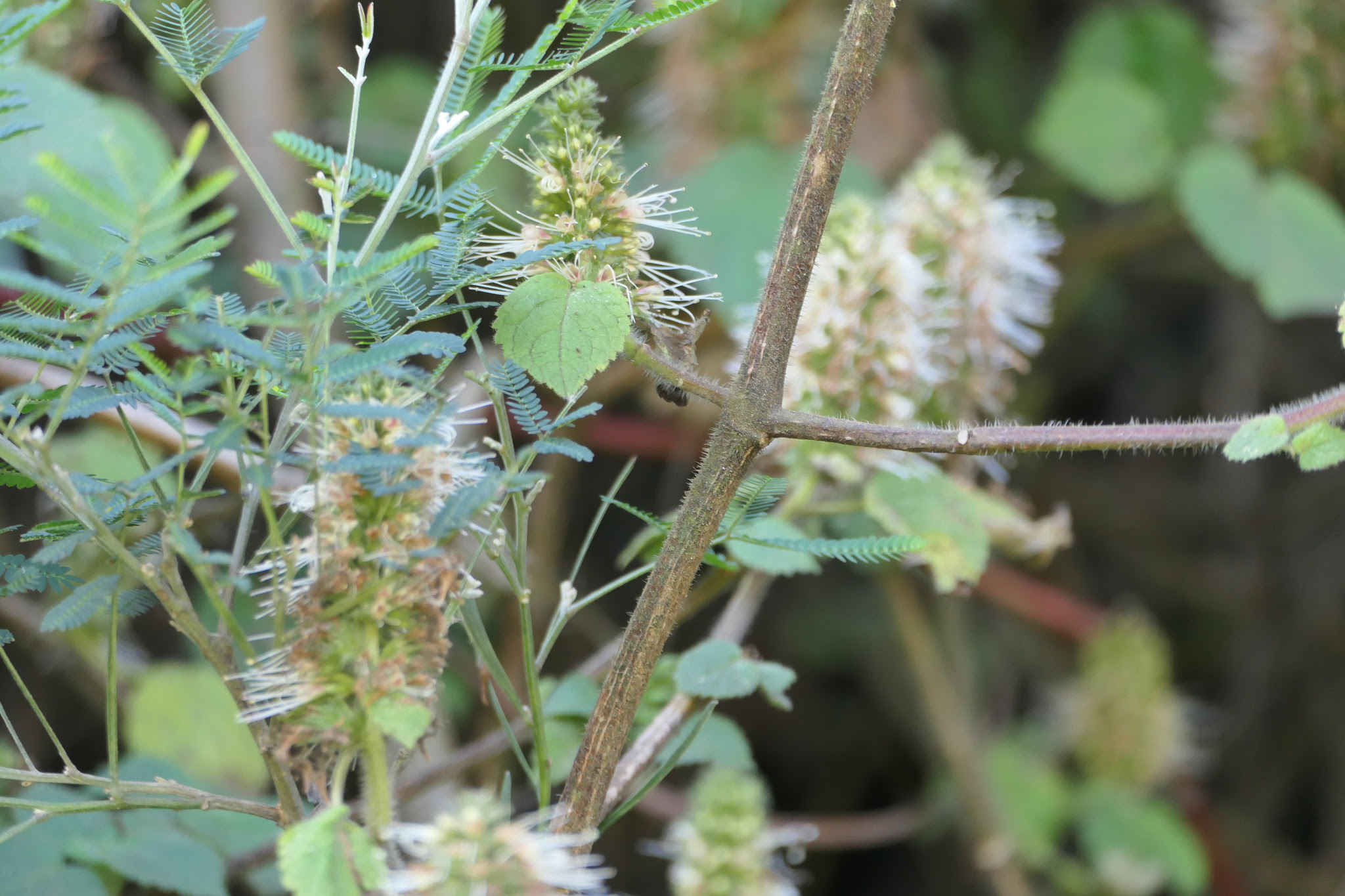
FOR VALIDATION :: ¿ Pogostemon wightii Benth. ? :: The Nilgiris :: Jan 29, 2026 · 10:11 AM IST: 4 images.
¿ Pogostemon wightii Benth. ?
Kudimalmund, about 2082 m asl
Both are quite close.
…, may decide based on the following differences as per Google AI view:
Pogostemon wightii and Pogostemon speciosus are both aromatic, endemic species of the Lamiaceae family found in the Southern Western Ghats of India. They are similar in appearance and habitat, frequently found in high-altitude Shola forests (around 1,000–2,200m).
The key differences lie in their habit (size/growth form), specific floral characteristics, and leaf texture.
Key Differences at a Glance:
| Feature | Pogostemon wightii Benth. | Pogostemon speciosus Benth. |
|---|---|---|
| Growth Habit | Small shrub or herb (sometimes subshrub) | Shrub, up to 2 m tall |
| Stem/Branching | Quadrangular, strigose (stiff, appressed hairs) | Pilose-hispid (hairy) brown branches |
| Leaf Features | Densely strigose, 5-6 cm long, ovate | Hirsute, 3-8 cm long, ovate/orbicular, turn black when dry |
| Inflorescence | 4-8 cm long spikes, continuous | Often described as having “bottlebrush” appearance |
| Stamens | Bearded filaments | Lacks moniliform hairs on filaments |
| Nutlets | Biconvex to triangular, smooth, brown | Suborbicular, blackish, 1 mm long |
Detailed Breakdown:
- Pogostemon wightii:
- Description: A small, delicate shrub or herb, often found along stream sides or in marshy spots within Shola forests.
- Appearance: Leaves are smaller (5-6 x 3-4 cm) and intensely hairy (strigose).
- Flowering: Occurs in December-January.
- Distinctive Feature: Filaments (stamens) are bearded.
- Pogostemon speciosus:
- Description: A more robust shrub, growing up to 2 meters, common on rocky slopes and degraded areas of the Nilgiri and Anamalai hills.
- Appearance: Leaves are larger and hairy, with the unique characteristic of turning black when dry.
- Flowering: Occurs from January to February.
- Distinctive Feature: Leaves and stem turn blackish when dried, and the stamens are very long, giving a “bottlebrush” appearance
When comparing the inflorescence of these two species, the visual density and the exposure of the rachis (the central stem of the flower cluster) are two of the most reliable ways to tell them apart in the field.The “Dense” Species: Pogostemon speciosus
- Appearance: This species is known for its thick, robust spikes.
- Density: The flowers are packed very tightly together. Because the individual flowers (corollas) are larger (~7 mm) and more voluminous, they overlap significantly.
- Rachis Visibility: The rachis is hidden. Because the whorls of flowers are so close together and the hairs on the calyx are long, you generally cannot see the central stem once the plant is in full bloom.
The “Exposed” Species: Pogostemon wightii
- Appearance: This species has more slender, elongated spikes.
- Density: The flower clusters (verticillasters) are often spaced out along the stem rather than being a continuous “wall” of petals.
- Rachis Visibility: The rachis is clearly visible, especially between the lower flower clusters. Because the flowers are smaller (~5 mm) and the hairs are appressed (lying flat), the central axis of the inflorescence is much easier to observe.
| Feature | Pogostemon speciosus | Pogostemon wightii |
|---|---|---|
| Spike Width | Stout and broad | Slender and narrow |
| Flower Packing | Very dense / Congested | Interrupted / Laxer |
| Rachis | Concealed by flowers | Visible between clusters |
…, I hope you agree.
Many thanks to Sobiyanaz for correcting the ID … iNaturalist.
.
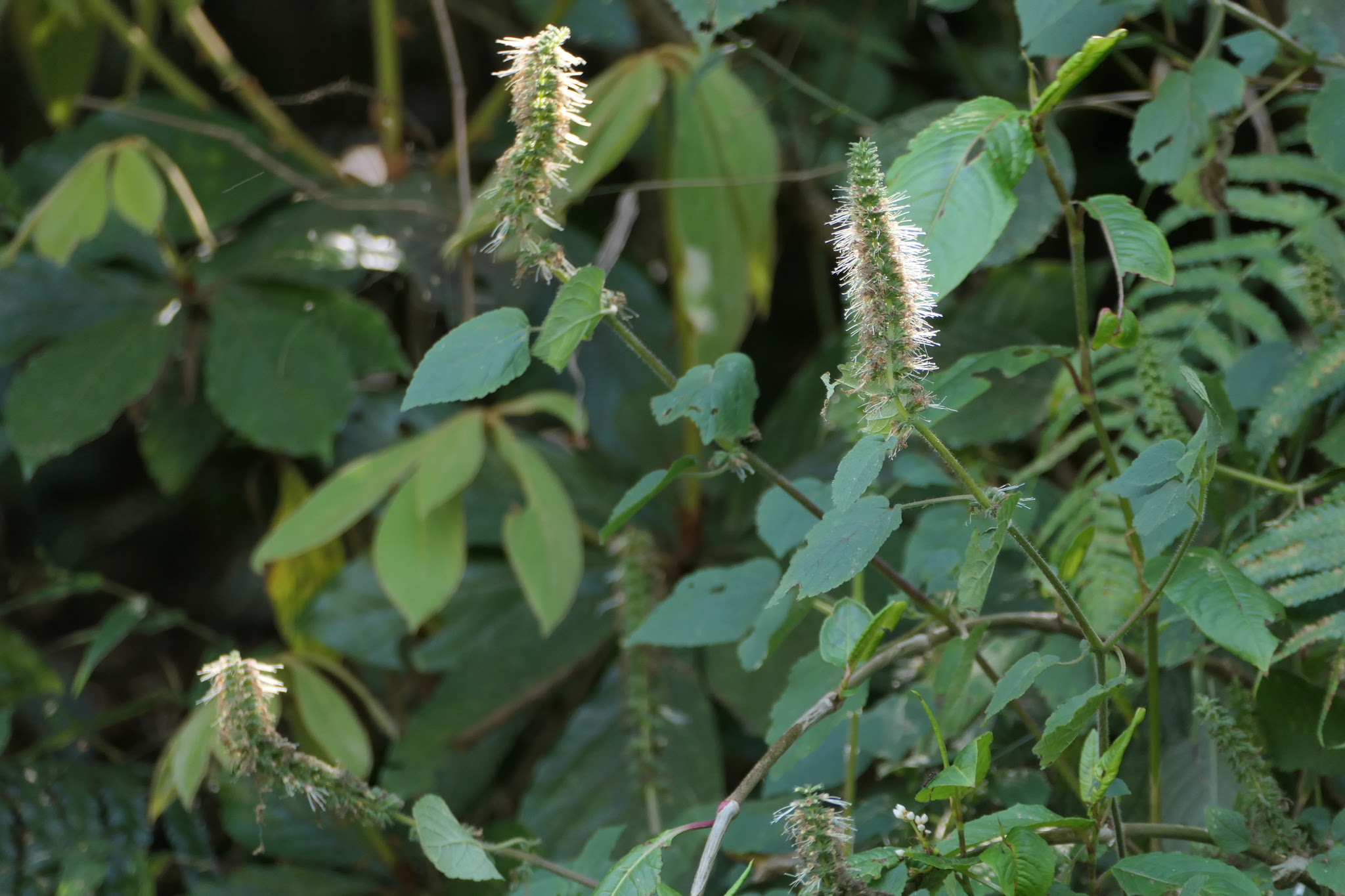
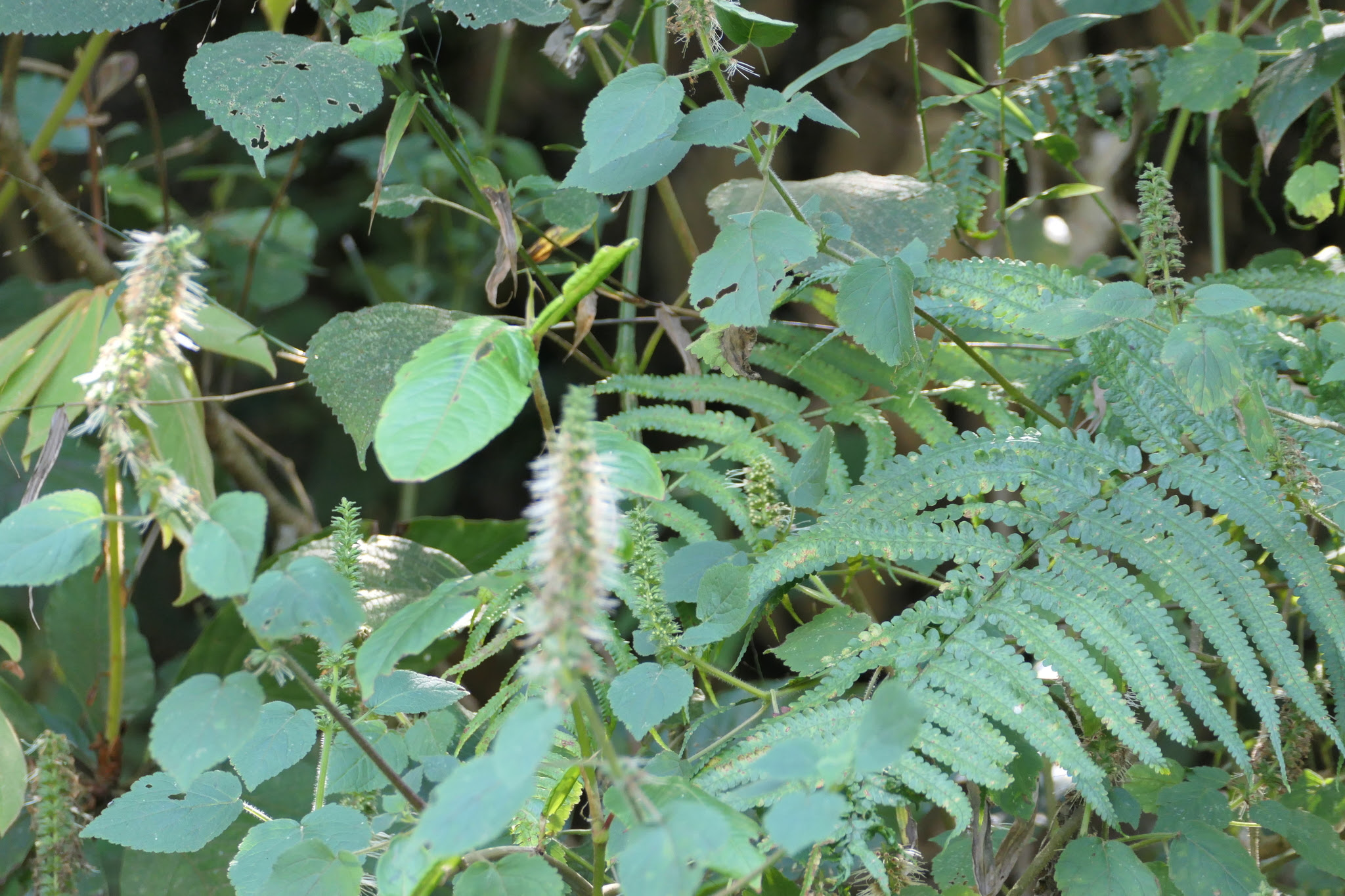
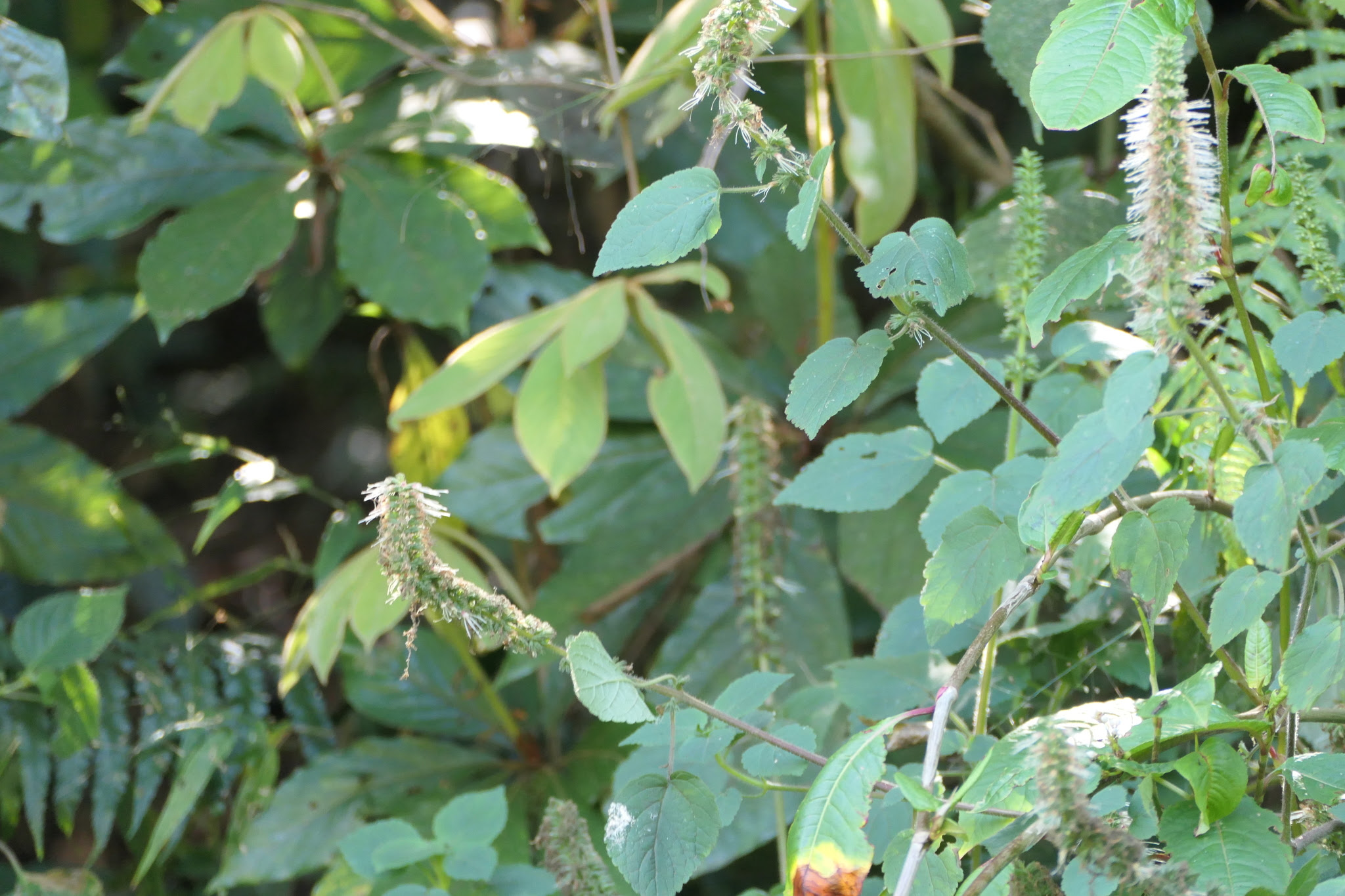
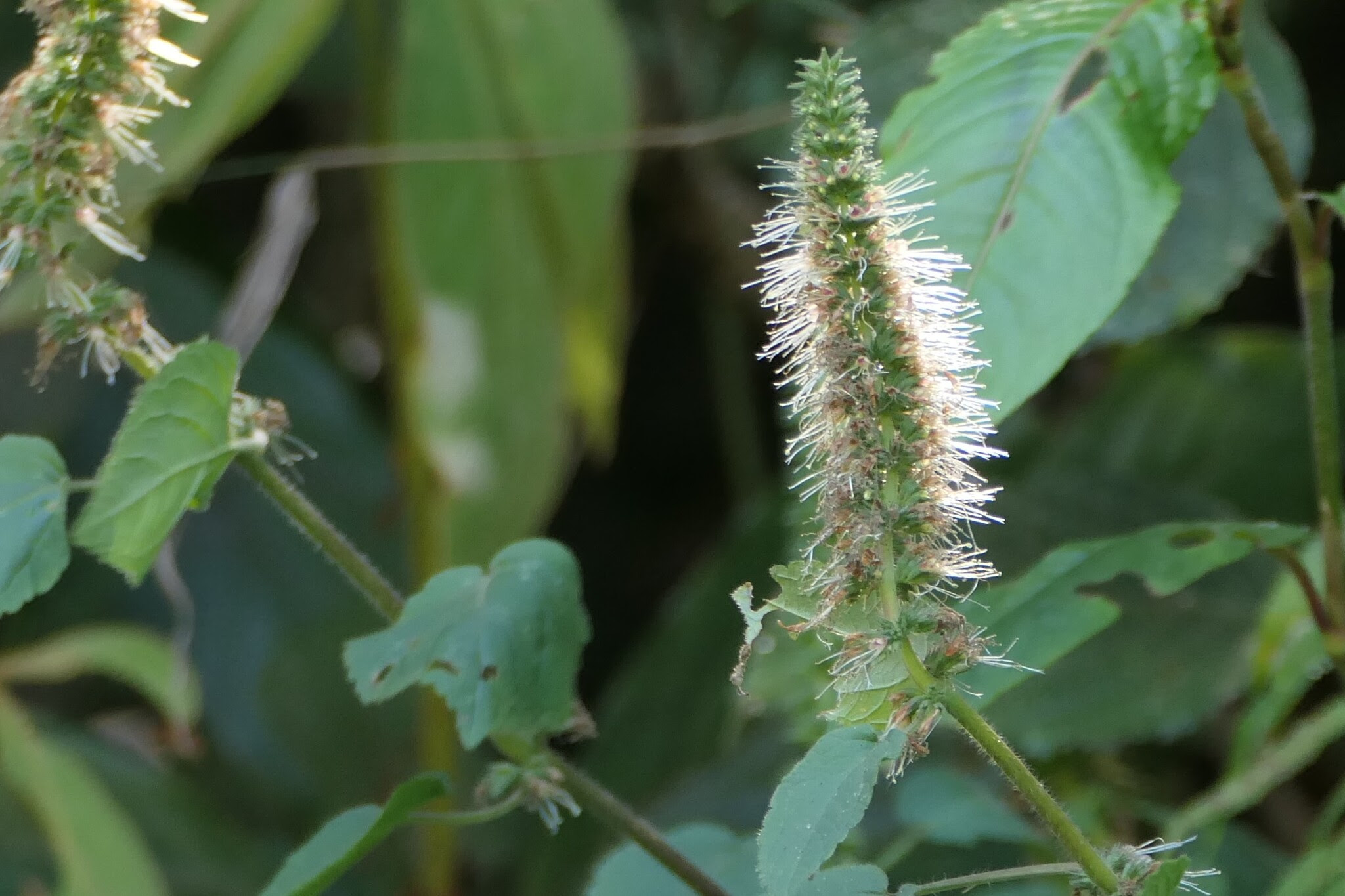
FOR VALIDATION :: ¿ Pogostemon wightii Benth. ? :: The Nilgiris :: Jan 29, 2026 · 11:39 AM IST: 4 images.
¿ Pogostemon wightii Benth. ?
Naduvattam, about 1855 m asl
Both are quite close.
…, may decide based on the following differences as per Google AI view:
Pogostemon wightii and Pogostemon speciosus are both aromatic, endemic species of the Lamiaceae family found in the Southern Western Ghats of India. They are similar in appearance and habitat, frequently found in high-altitude Shola forests (around 1,000–2,200m).
The key differences lie in their habit (size/growth form), specific floral characteristics, and leaf texture.
Key Differences at a Glance:
| Feature | Pogostemon wightii Benth. | Pogostemon speciosus Benth. |
|---|---|---|
| Growth Habit | Small shrub or herb (sometimes subshrub) | Shrub, up to 2 m tall |
| Stem/Branching | Quadrangular, strigose (stiff, appressed hairs) | Pilose-hispid (hairy) brown branches |
| Leaf Features | Densely strigose, 5-6 cm long, ovate | Hirsute, 3-8 cm long, ovate/orbicular, turn black when dry |
| Inflorescence | 4-8 cm long spikes, continuous | Often described as having “bottlebrush” appearance |
| Stamens | Bearded filaments | Lacks moniliform hairs on filaments |
| Nutlets | Biconvex to triangular, smooth, brown | Suborbicular, blackish, 1 mm long |
Detailed Breakdown:
- Pogostemon wightii:
- Description: A small, delicate shrub or herb, often found along stream sides or in marshy spots within Shola forests.
- Appearance: Leaves are smaller (5-6 x 3-4 cm) and intensely hairy (strigose).
- Flowering: Occurs in December-January.
- Distinctive Feature: Filaments (stamens) are bearded.
- Pogostemon speciosus:
- Description: A more robust shrub, growing up to 2 meters, common on rocky slopes and degraded areas of the Nilgiri and Anamalai hills.
- Appearance: Leaves are larger and hairy, with the unique characteristic of turning black when dry.
- Flowering: Occurs from January to February.
- Distinctive Feature: Leaves and stem turn blackish when dried, and the stamens are very long, giving a “bottlebrush” appearance
I have suggested my IDs for observations of Pogostemon speciosus and Pogostemon wightii, purely on the basis of their inflorescence.
I have put my thoughts here:
https://groups.google.com/g/indiantreepix/c/W8MhAa8LVZs/m/vaOd7YyxBgAJ
This posted plant is thus Pogostemon wightii Benth. to me.
The first photo clearly shows the inflorescence rachis.
Many thanks to Sobiyanaz for correcting the ID … iNaturalist.
.
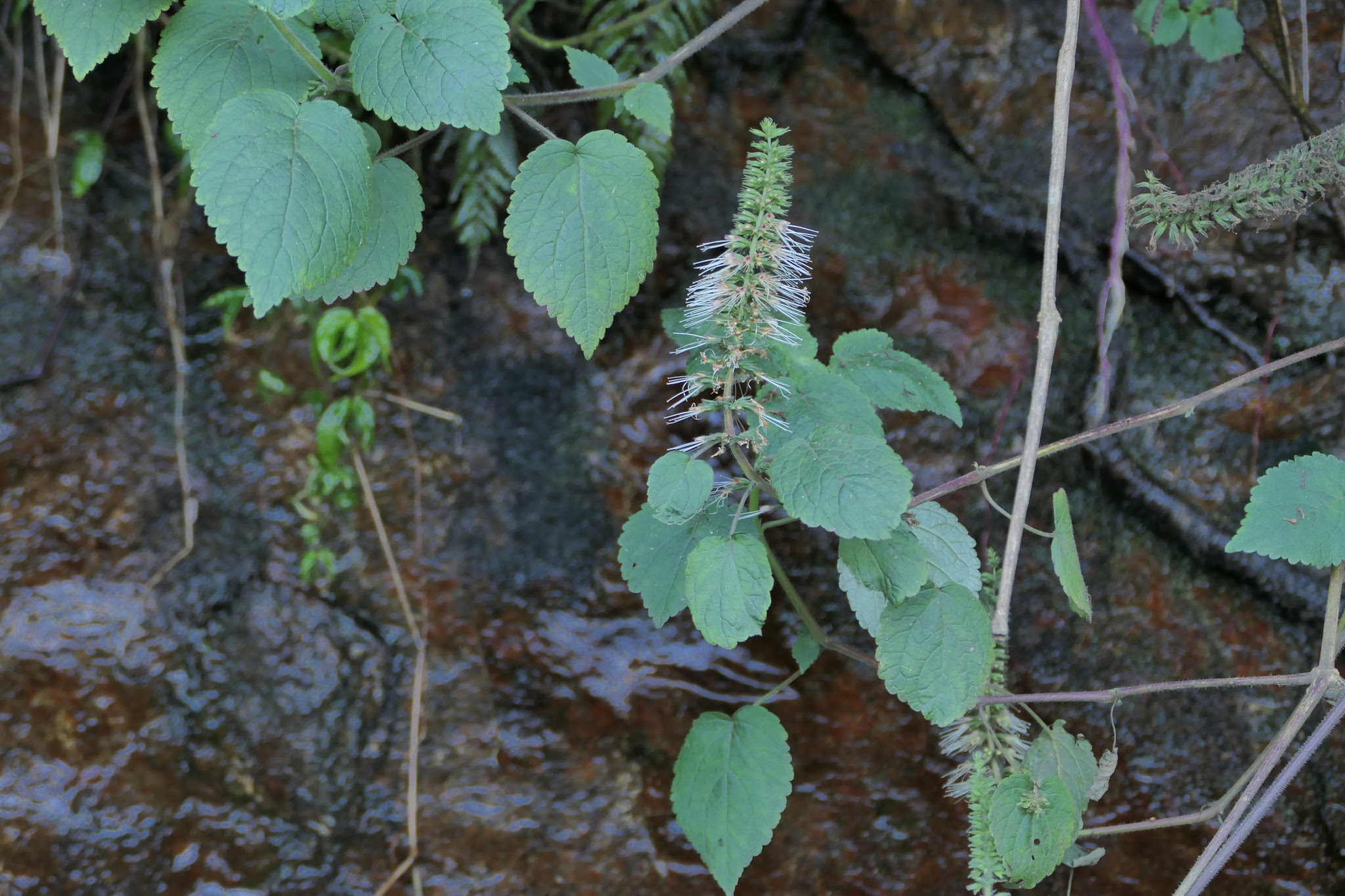
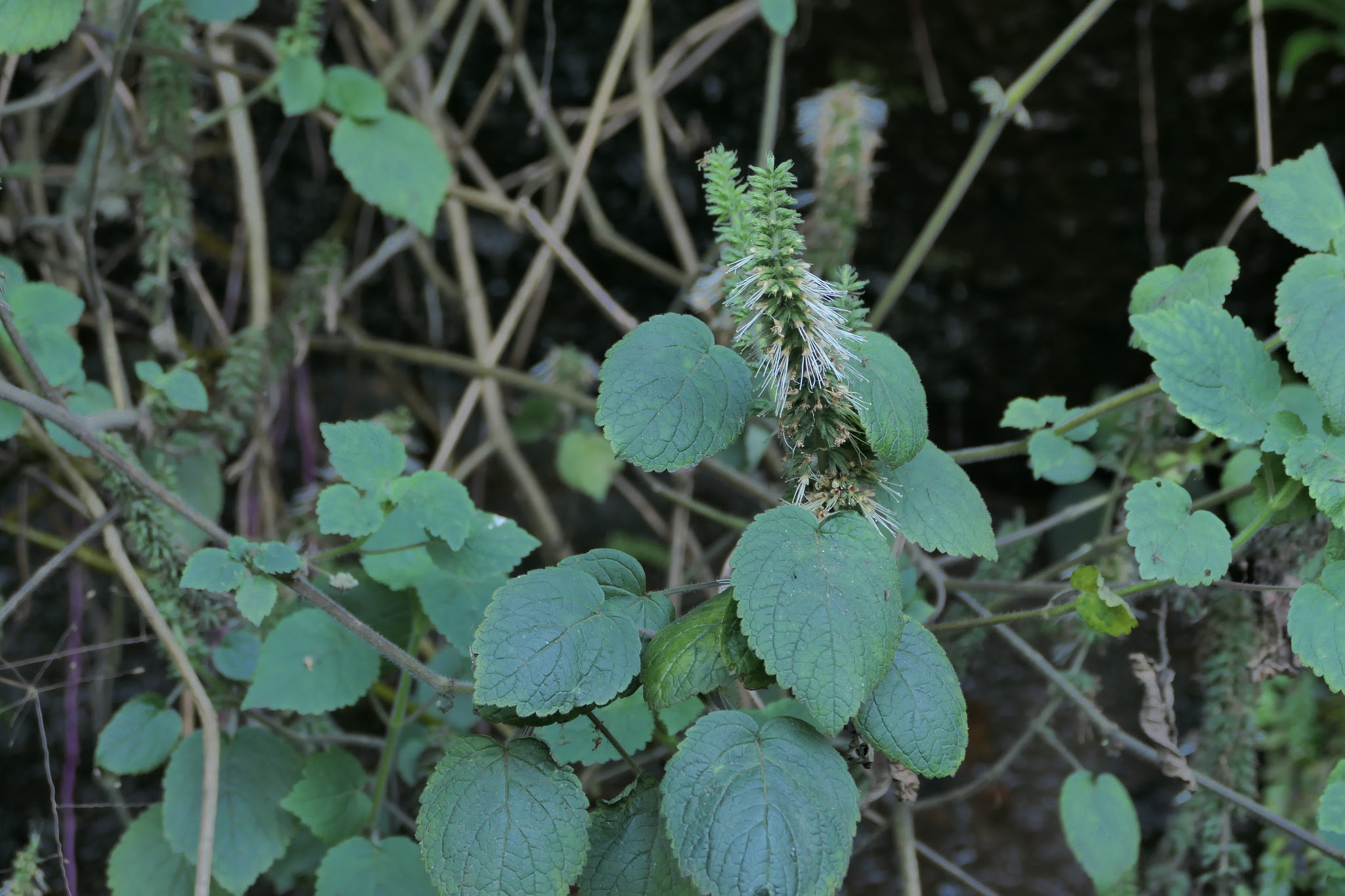
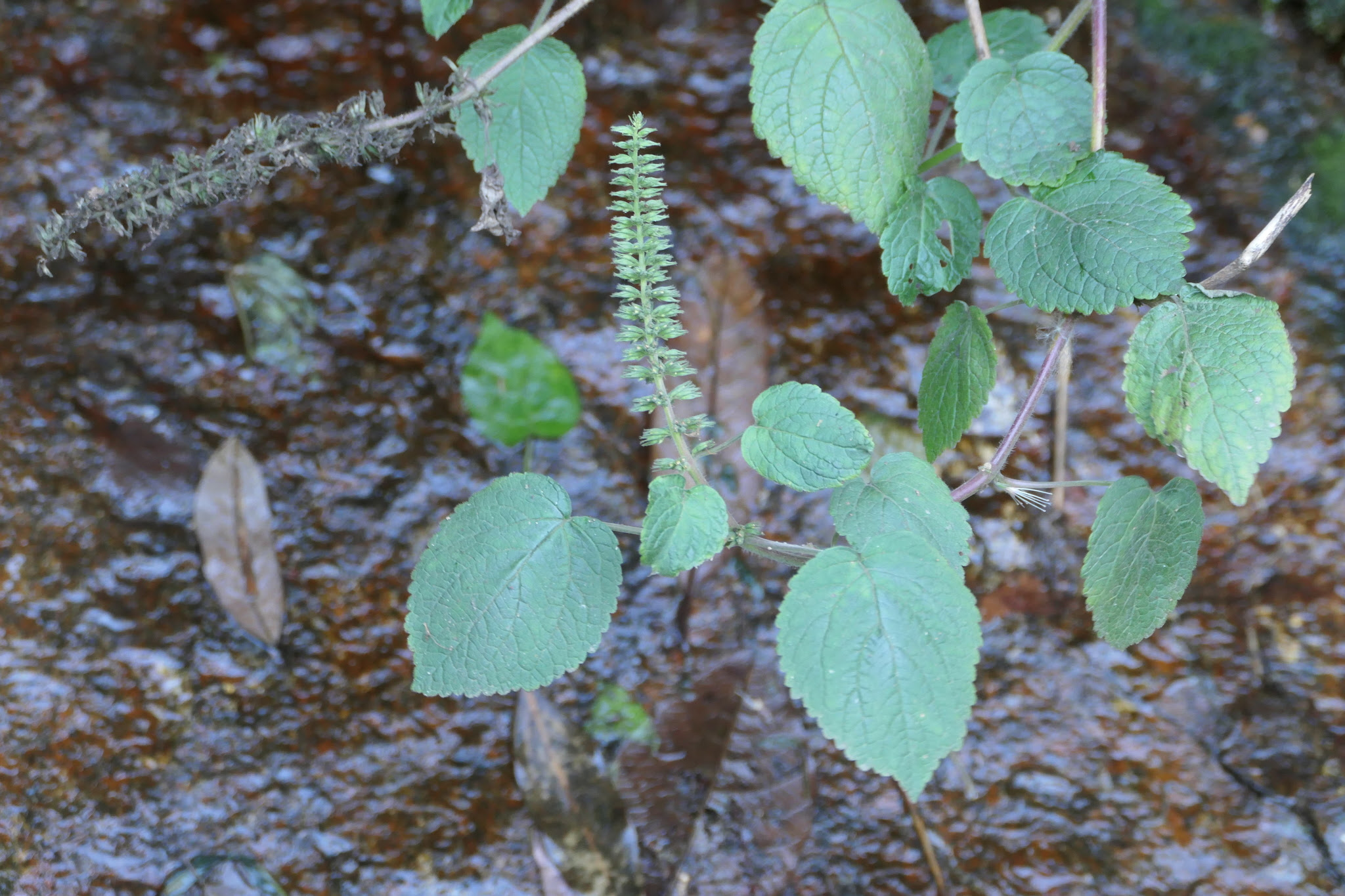
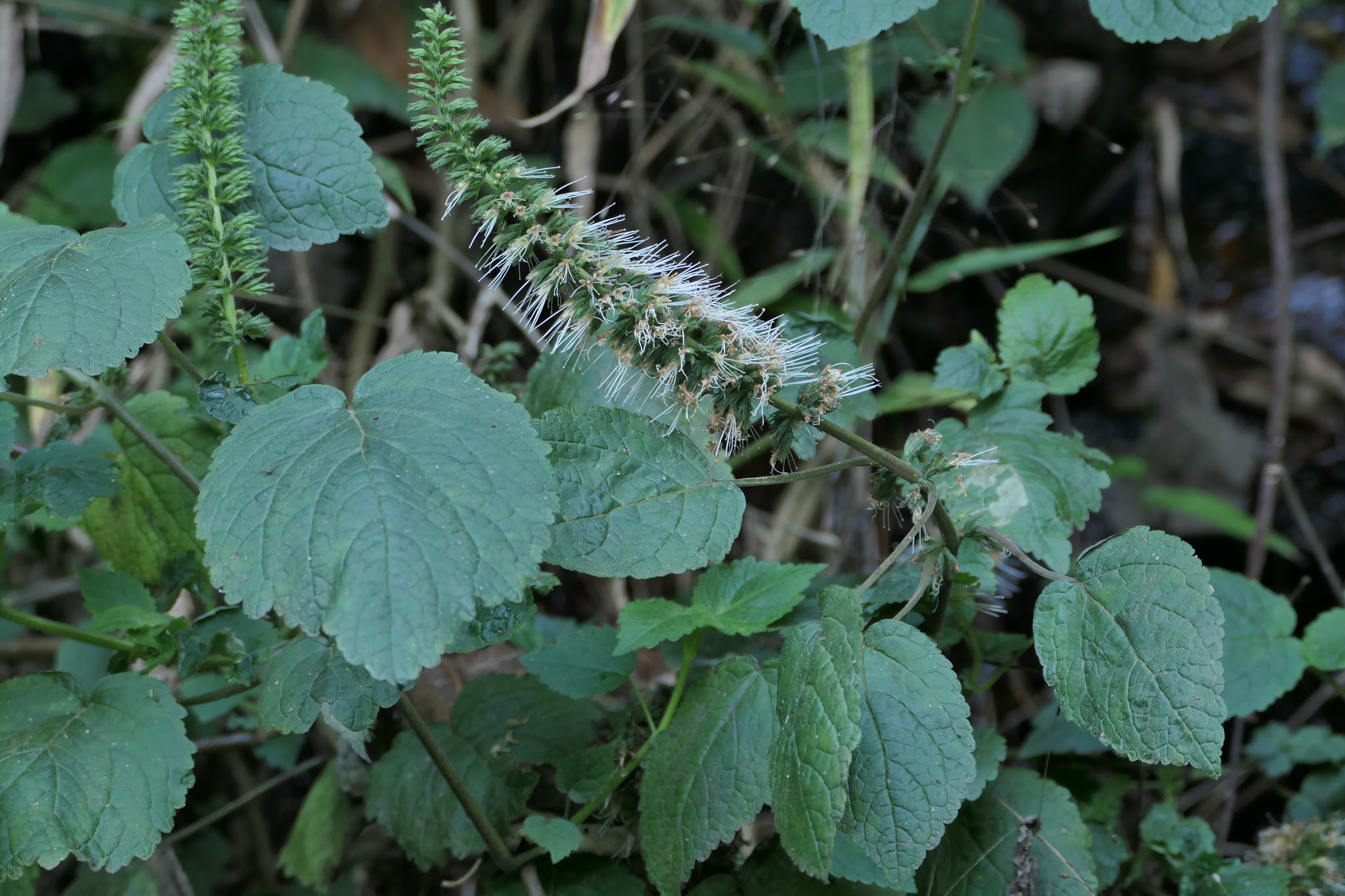
Naduvattam, about 1705 m asl
.
References:
POWO India Flora Online GBIF