
|
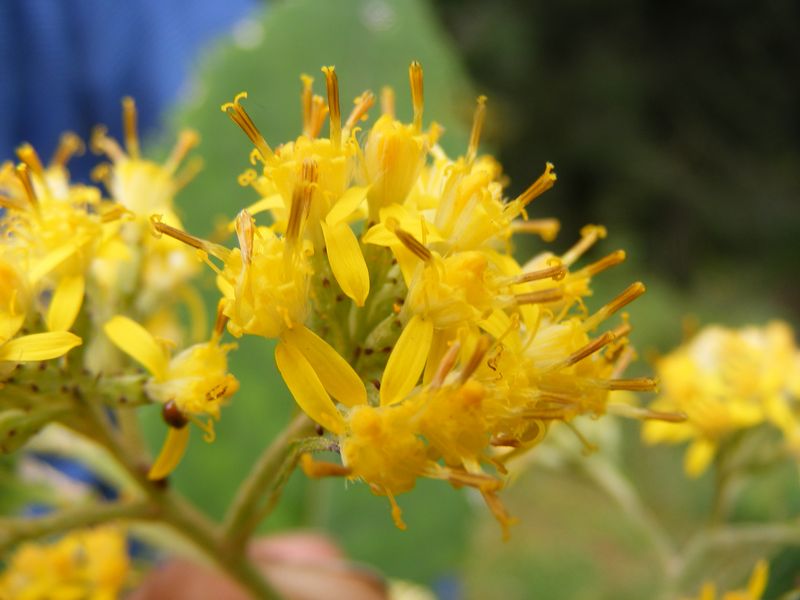
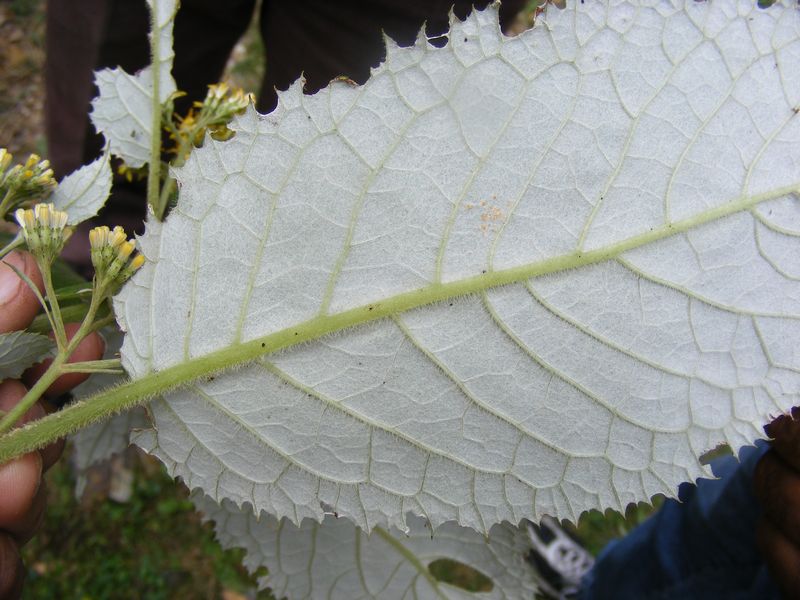
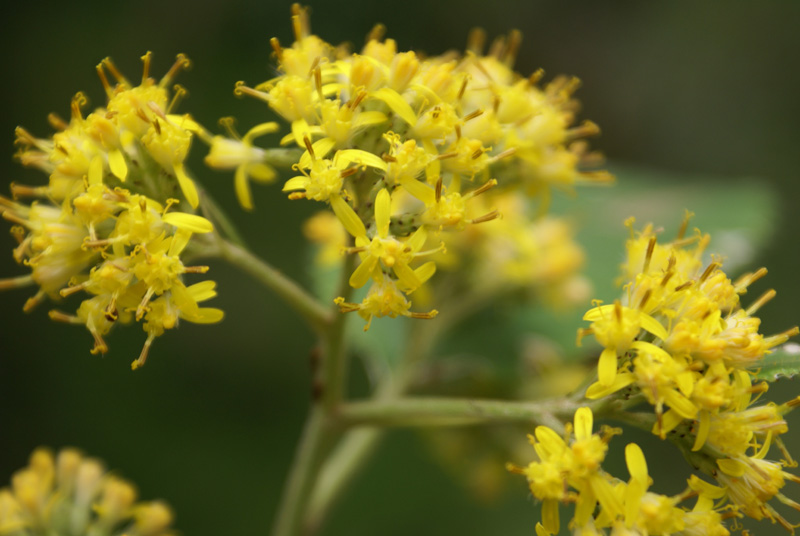
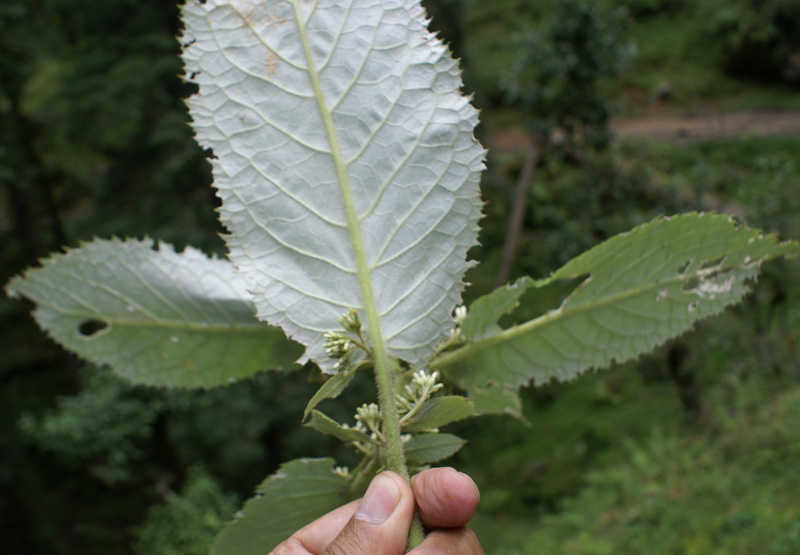
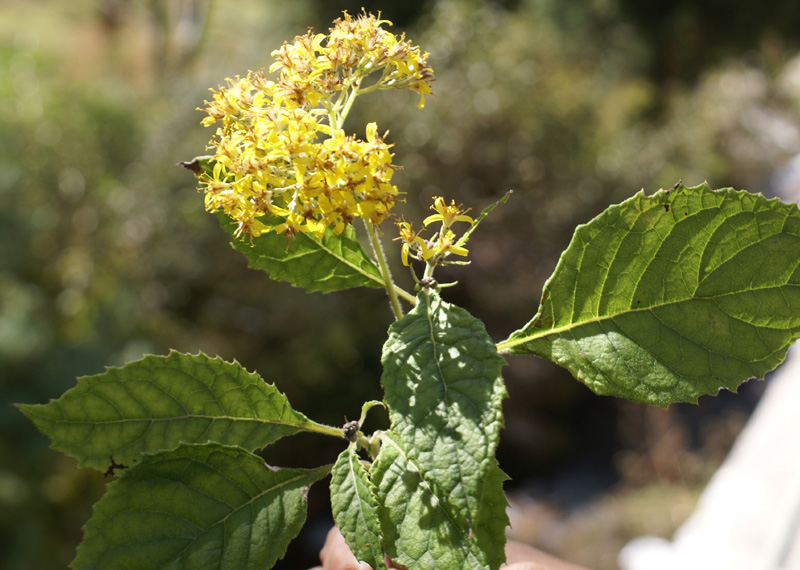
Synotis rufinervis (DC.) C.Jeffrey & Y.L.Chen (syn. Cineraria hypoleuca DC.; Senecio rufinervis DC.);
.
Red-Nerved Senecio;
.
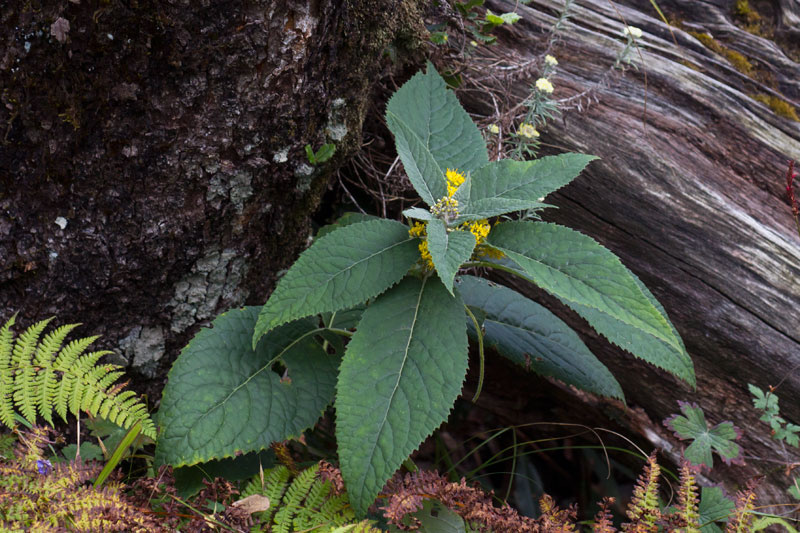
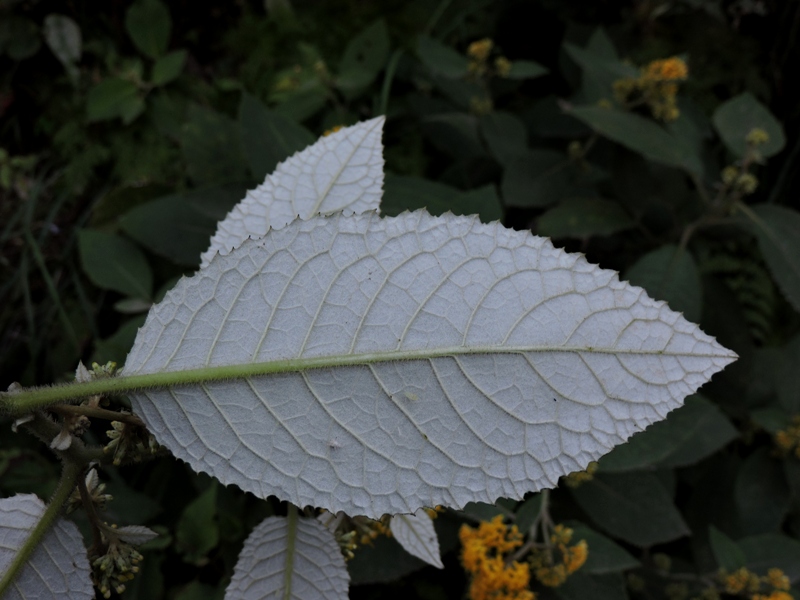
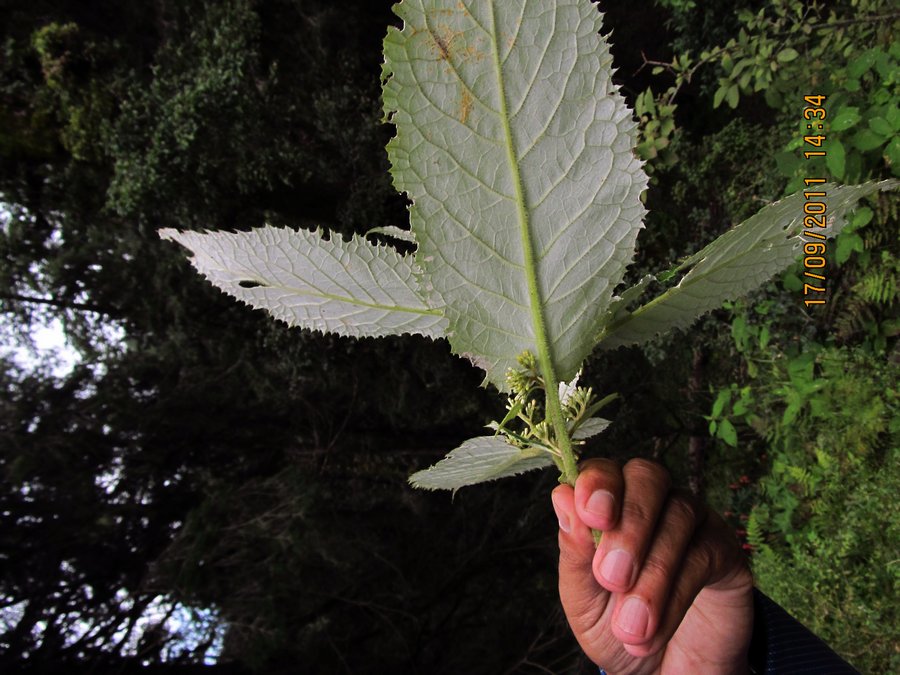  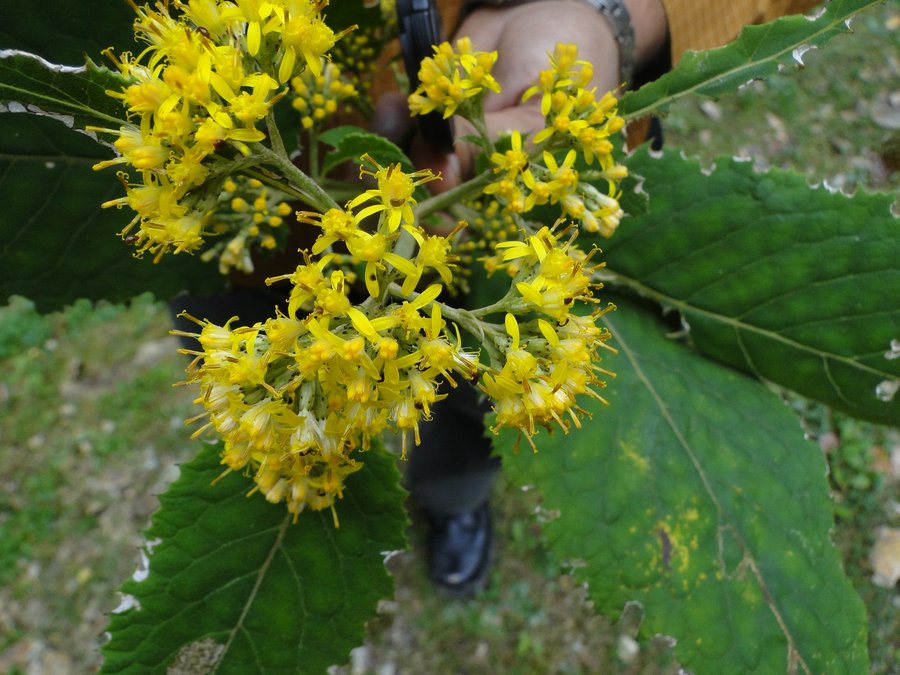 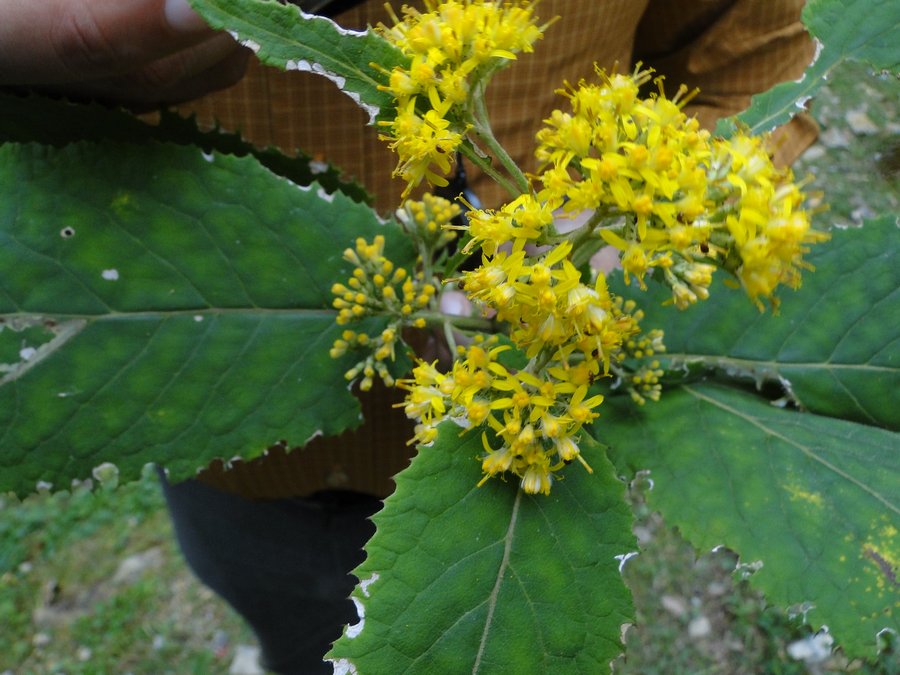 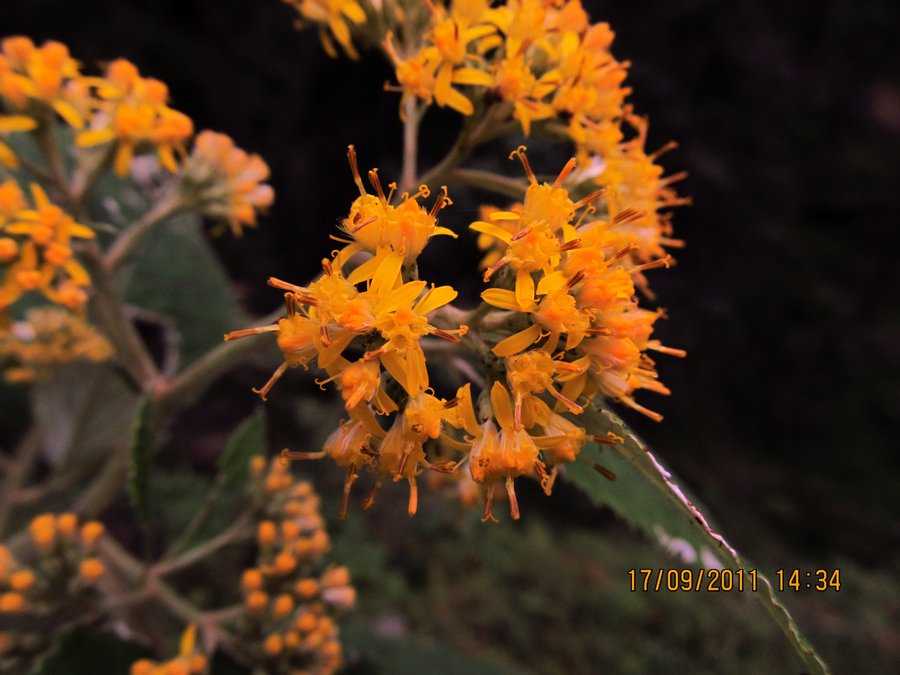 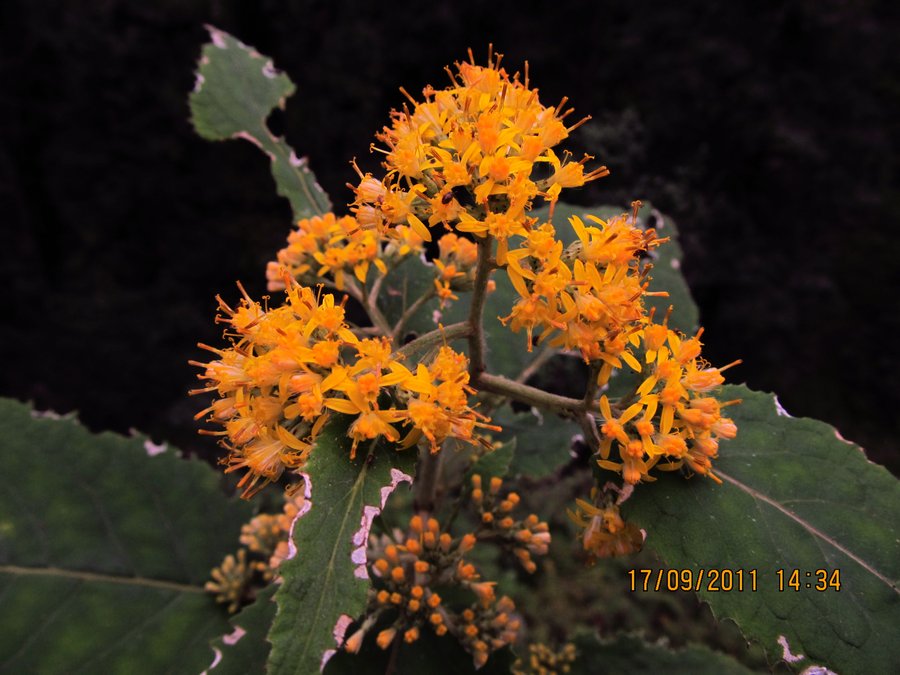 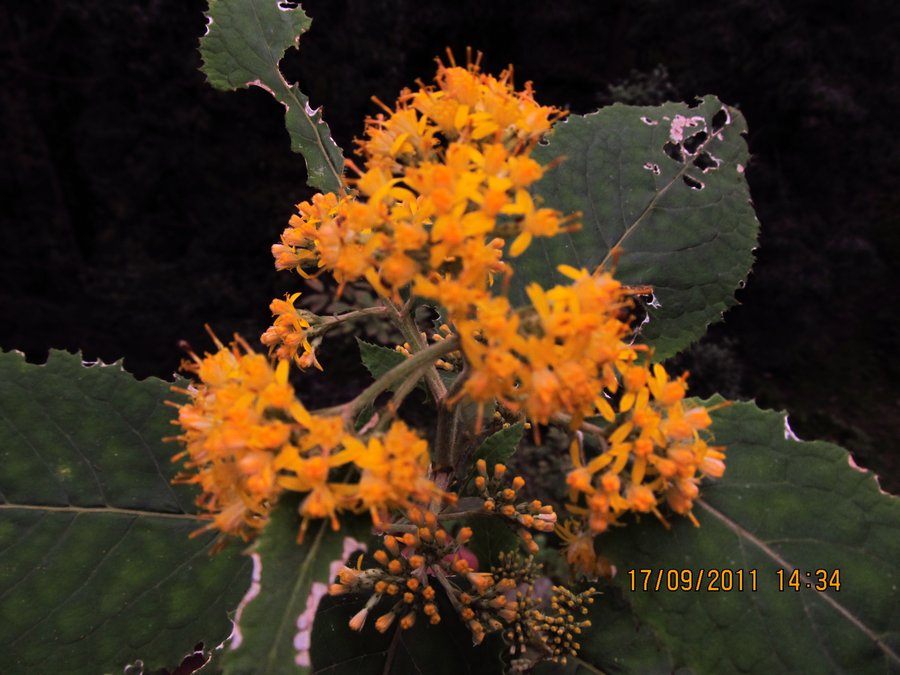 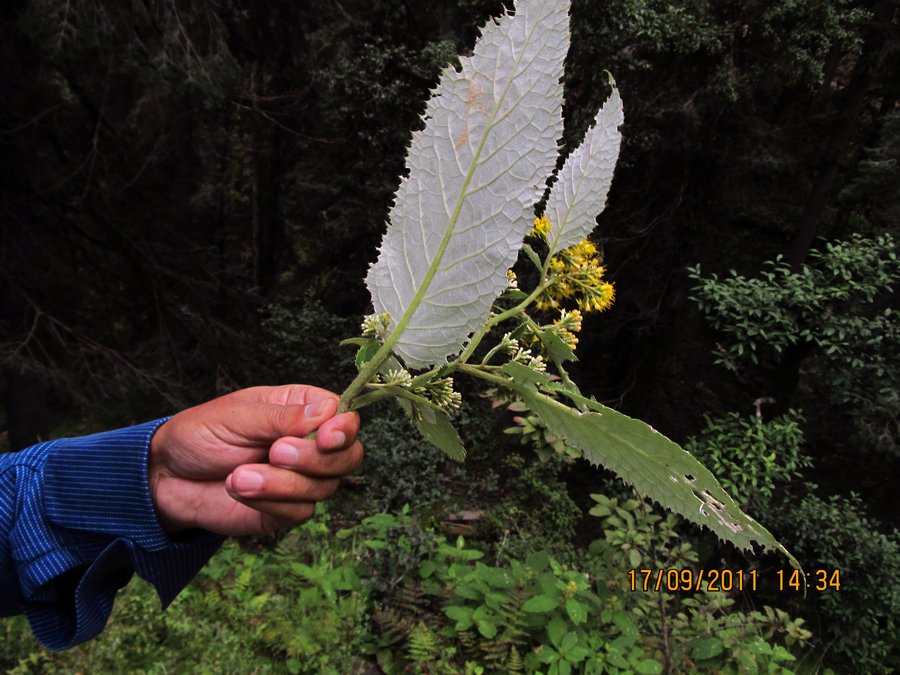 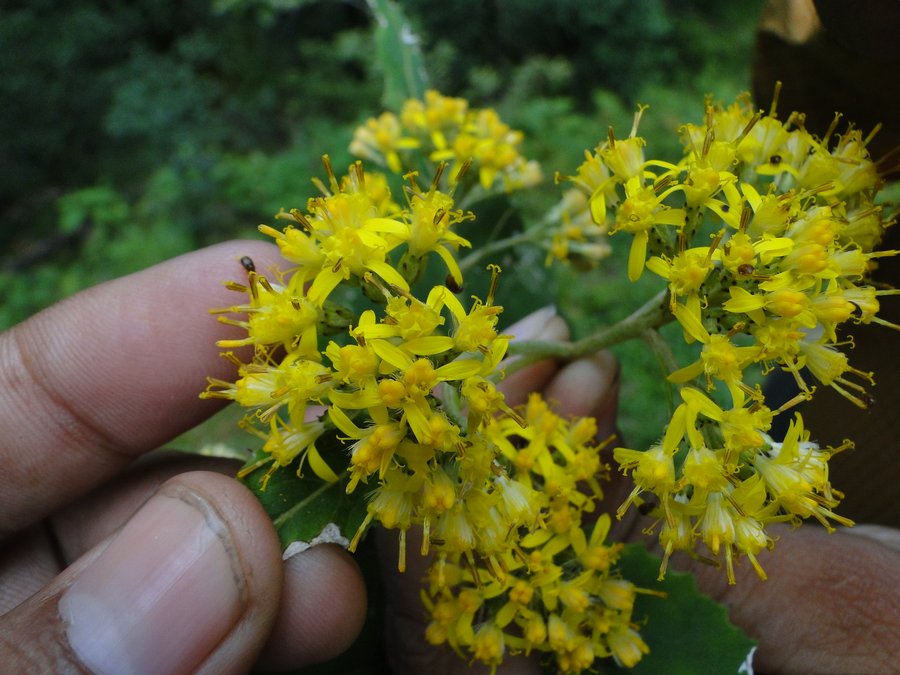 Flora of Chakrata: Senecio sp from Chakrata, deovan area with large leaves: Senecio sp from Chakrata, deovan area (2400 mts) with large leaves, about 12 to 15 inches long, silvery beneath. Height about 3-4 feet
a link related to this sp http://www.gardenology.org/wiki/Senecio_grandifolius Can it be S grandifolius or it may be any sp of Inula Pls help I hope Senecio rufinervis Sir, Senecio rufinervis is an accepted name as per theplantlist.org, with synonym Cineraria hypoleuca. After Search for this name any good information was not obtained. there are three hypoleuca, one Cineraria hypoleuca Sieber <http://www.theplantlist.org/tpl/record/gcc-1074>,
2nd Cineraria hypoleuca DC. <http://www.theplantlist.org/tpl/record/gcc-31741>,
3rd Cineraria hypoleuca Harv. & Sond.<http://www.theplantlist.org/tpl/record/gcc-78618>
out of these two 1st and 3rd are synonym of Senecio verbascifolius. When i searched google for S verbascifolius plant were total different from ours. and search for Cineraria hypoleuca DC was also not revealed any concrete Information. It is keyed and described in Flora Simlensis Today after that impatiens i opened flora simlensis also and indeed i should take help from this also . Help required………………: I needed help regarding the etymology of Genus “Synotis“. internet search did not yield any satisfactory result.
This one was recorded from in and around the valley of flowers, Uttrakhand… please help to identify.. leaves peculiar in being silvery beneath.. I hope Senecio rufinervis. Thanks Sir for the response..
Senecio rufinervis Dc. photographed from Chakrata and Manali. Thanks Sir, this confirms mine…  
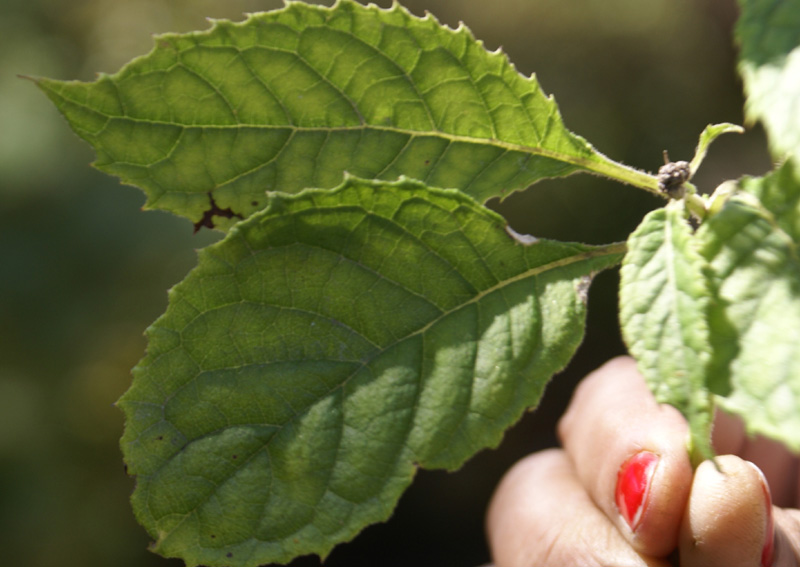
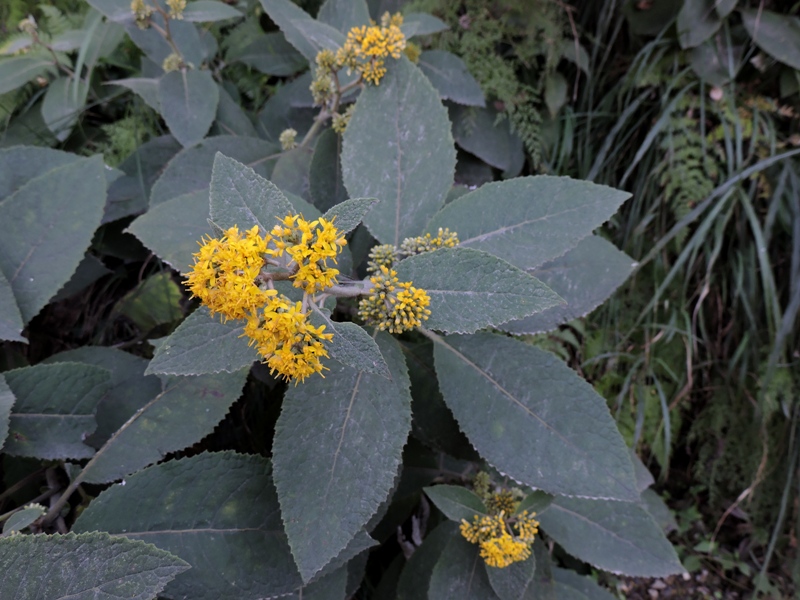
This has been lying in my Chakrata collection, this picture belongs to a small shrub... leaves silvery beneath, regularly serrate… I have tentatively placed this under Senecio… hopefully help will be received, as the tour was accompanied by … Senecio rufinervis I hope. Thanks sir for the feedback, I feel this is to be observed again.. the leaves are regularly lanceolate, almost equal, serration is quite well defined, and regular.. To me it is Senecio rufinervis (DC.) C.Jeffrey & Y.L. Chen, a shrub common inside forests.
Senecio rufinervis from Shimla
Pls validate Yes … Nice photographs.
Synotis rufinervis? ABOCT2016/01 : 3 posts by 2 authors. 7 images.
Not all leaves were white underneath but some were and I think these plants to be Synotis rufinervis. I photographed at least three different plants and if I have muddled different species together, please correct me. Please advise
Synotis rufinervis—Red-nerved Senecio
Mcleodganj-Triund, HP 2200m and above 01 October 2016 I think matches with images at Synotis rufinervis I have been collecting more photo evidence of Synotis rufinervis this year too and sharing it here. All photos are between 2400 and 3000m taken on 1st and 2nd October on my trek to Ilaqa and back. Very nice details, I hope you are absolutely right in its identification.. thanks … 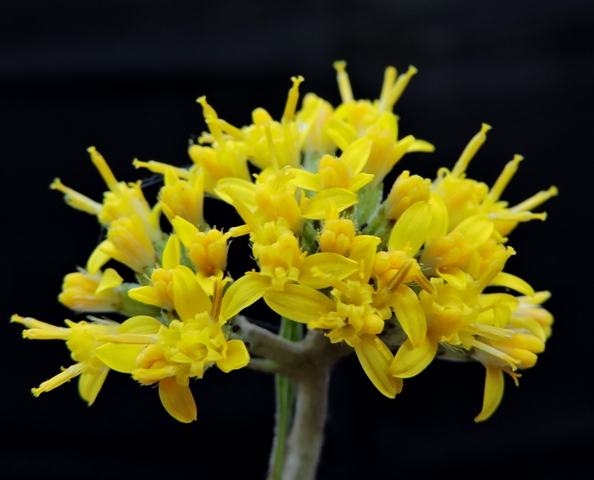 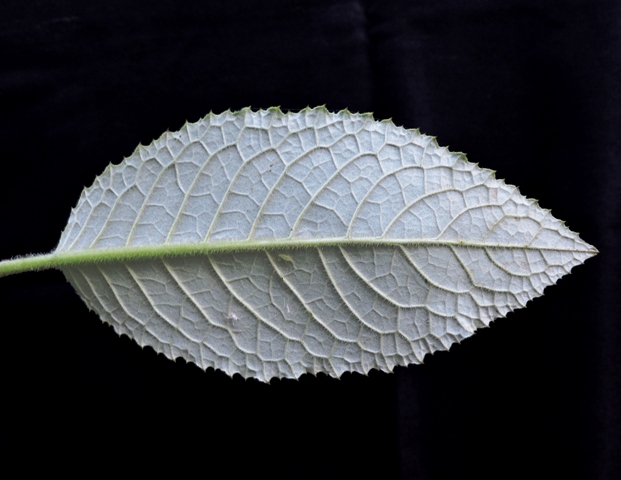 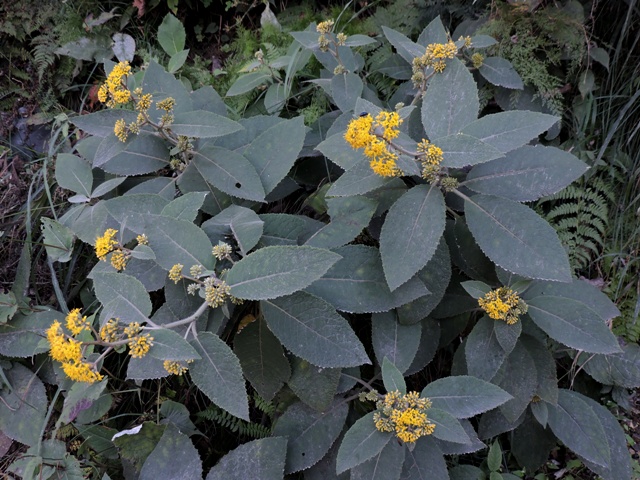 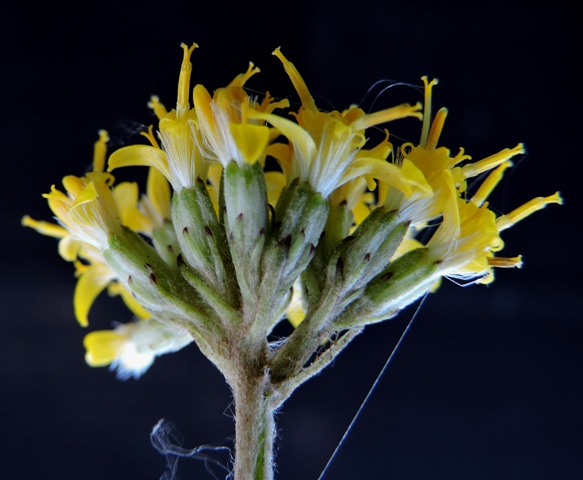 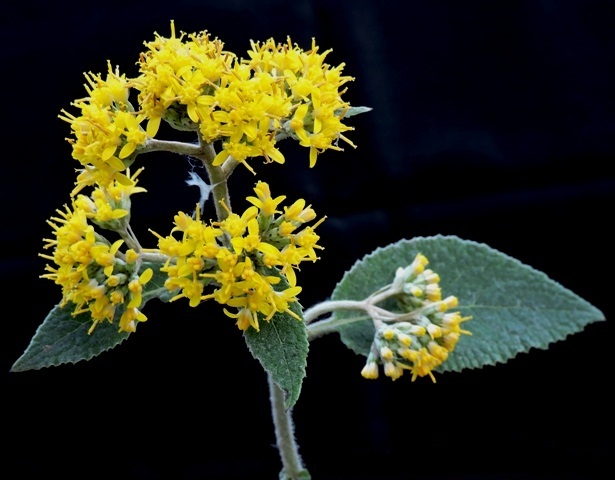 Red-Nerved Senecio
Botanical name: Synotis rufinervis Synonym: Senecio rufinervis Family: Asteraceae Shimla (H.P.) October 7, 2016
Synotis rufinervis AT AUG 2017/01 : 7 posts by 3 authors. Attachments (3)
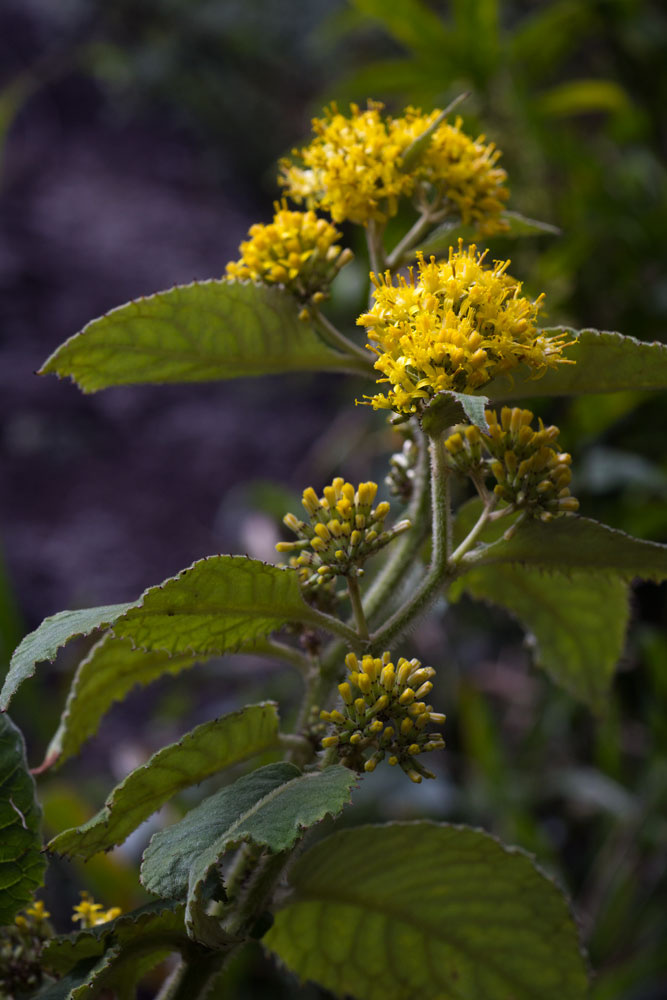
Synotis rufinervis (DC.) C.Jeffrey & Y.L.Chen
Synonym: Senecio rufinervis DC., Cineraria hypoleuca DC. Shimla July 2016 ONE MORE Attachments (1)
Did you check the elevation? IS it matching ? According to efloranepal there is vast difference.
Elevation 2200m Matching according to Flora Simlensis
and with specimen posted by … on Flowers of India.
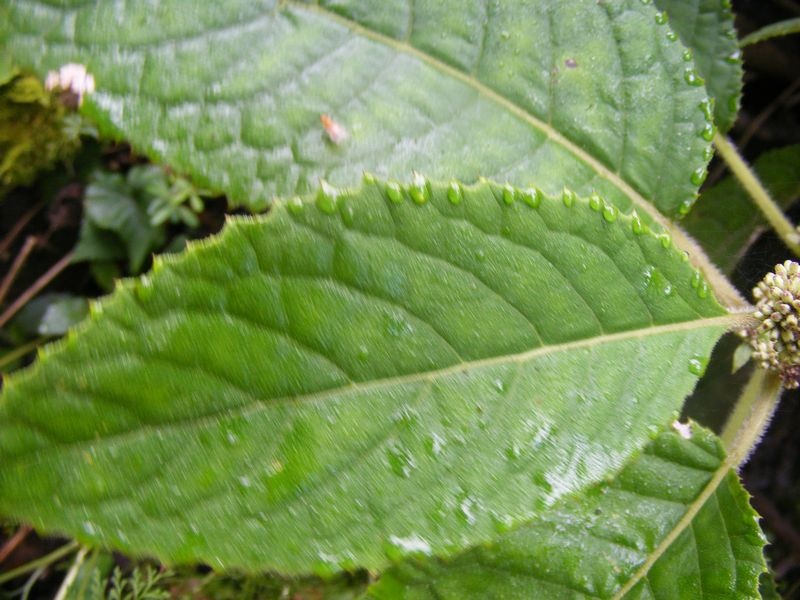
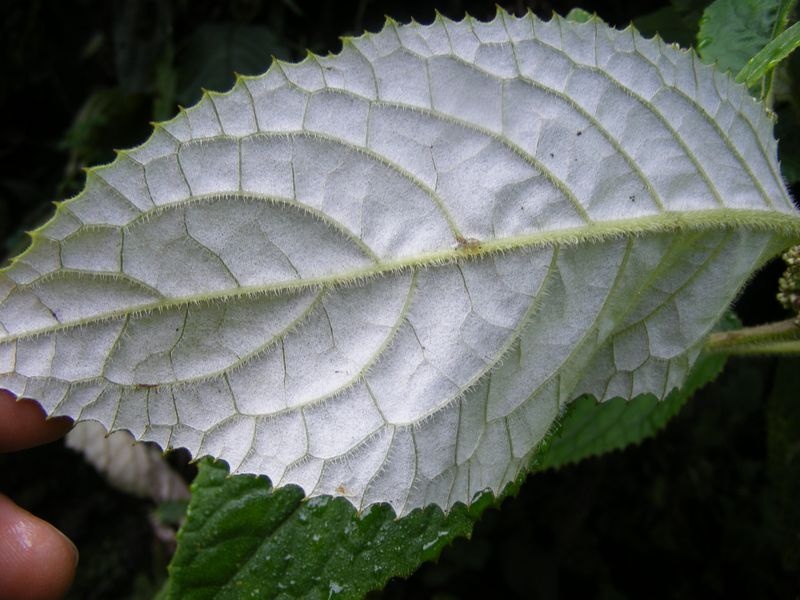
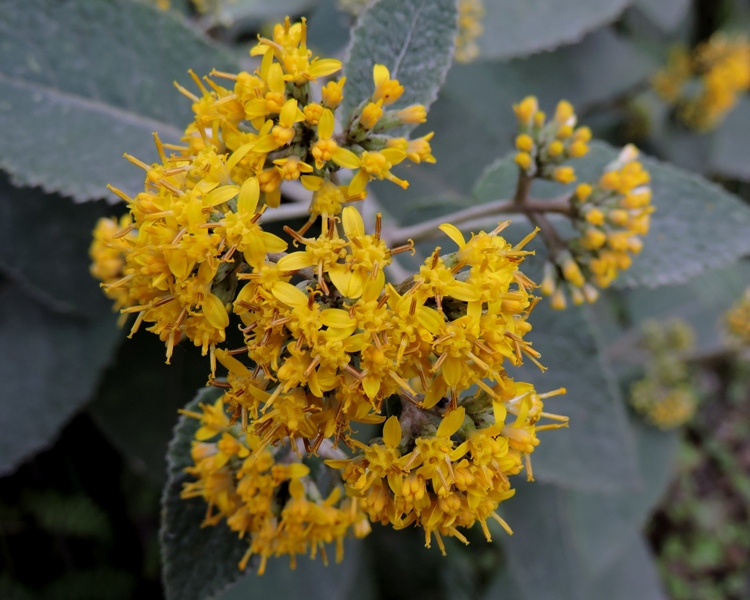
The name suggested by you is another plant and that too occurs in this areas. White lower surface and prominent veins on lower side of leaf are most peculiar characteristics of Synotis rufinervis. Thanks, … Beautiful images and details. I agree with you. 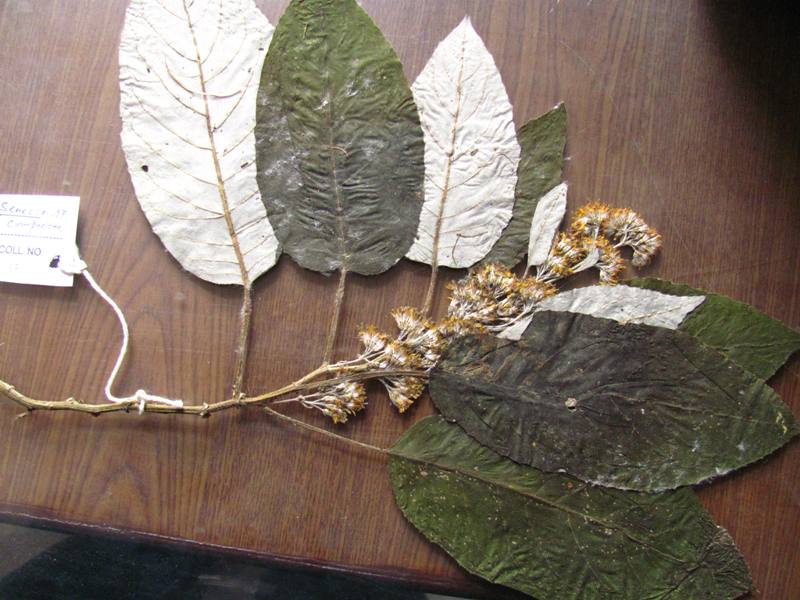 14.11.10SP5 : Pl. identify following plant.
Date: 14.11.2010 place: Dalhousiae, Chamba district in Himachal Pradesh May be Senecio rufinervis, but not very sure I guess correct ID SK333JAN22-2017:ID I agree with you. .
792 (VOF3) ID wild plant: 11 high res. images.
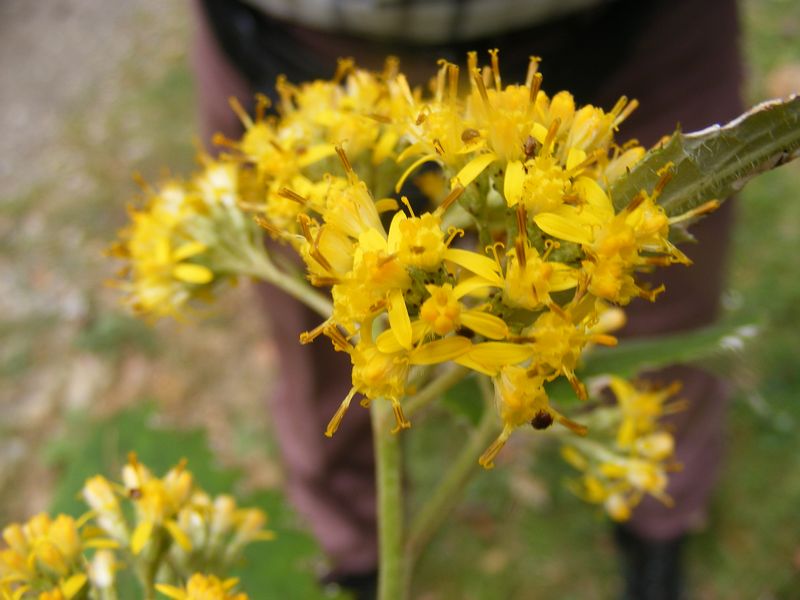
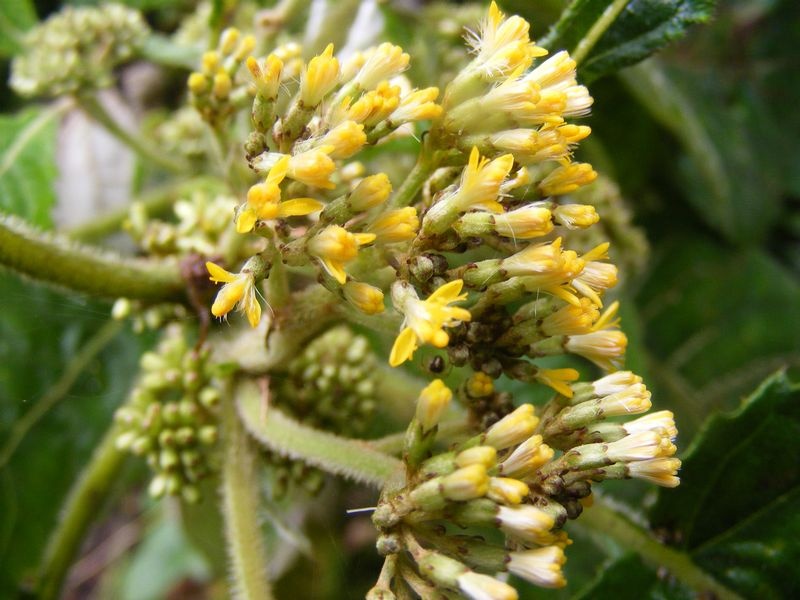
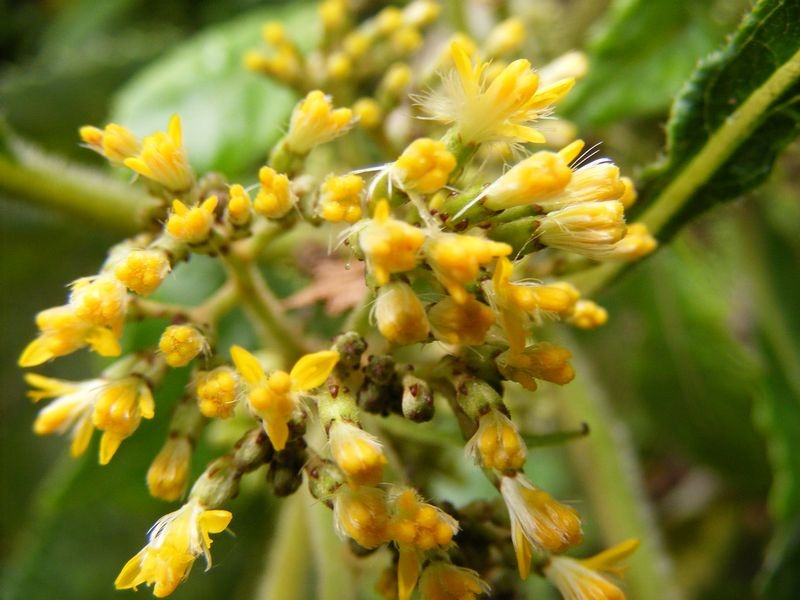
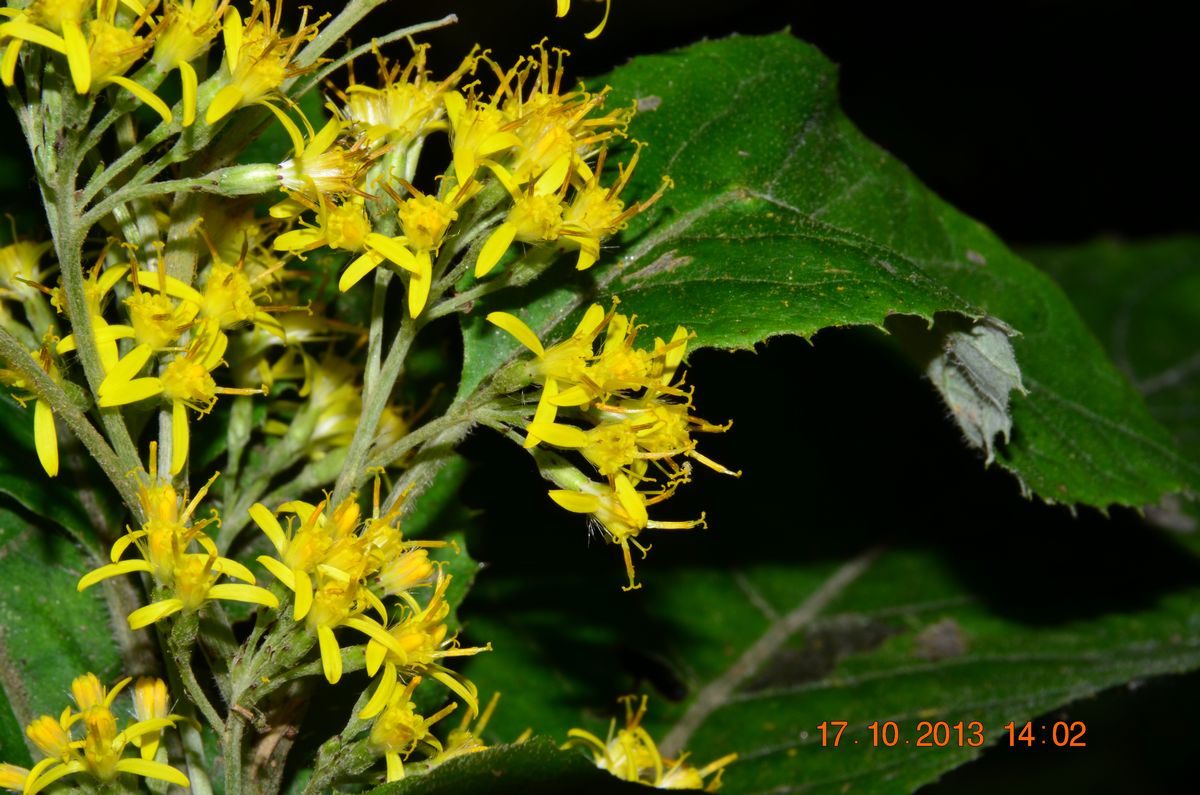
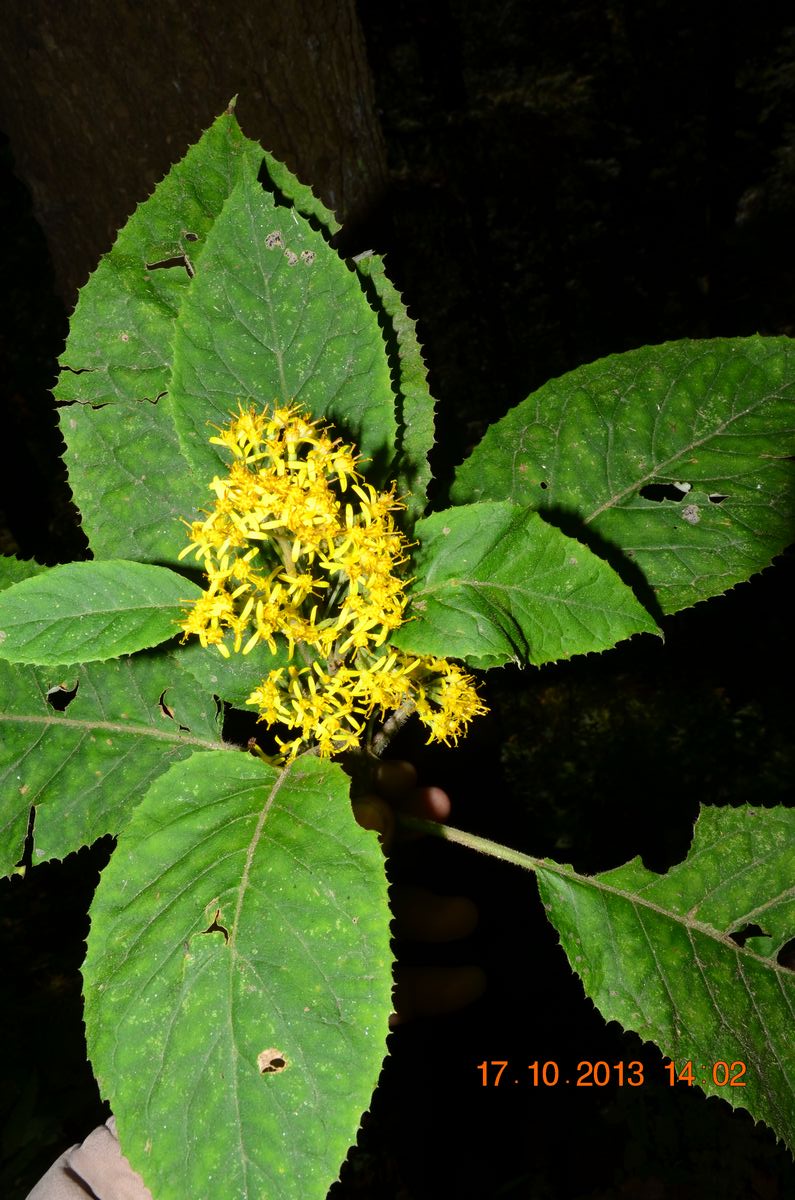
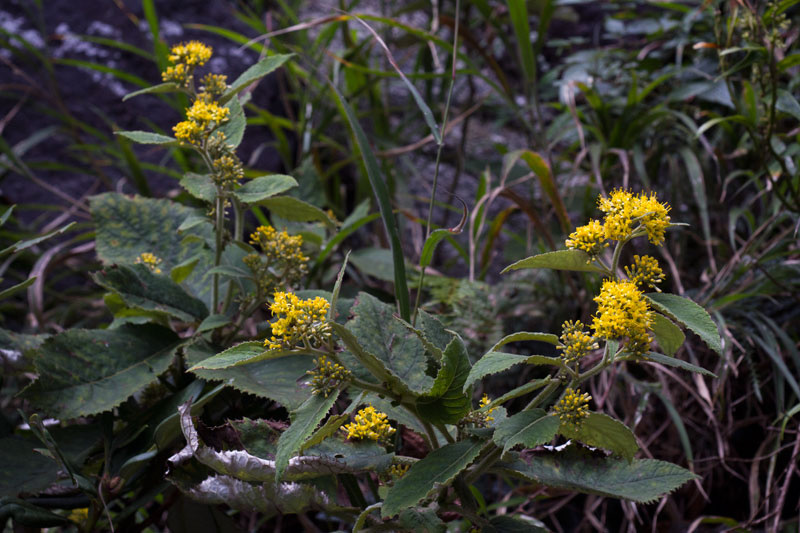
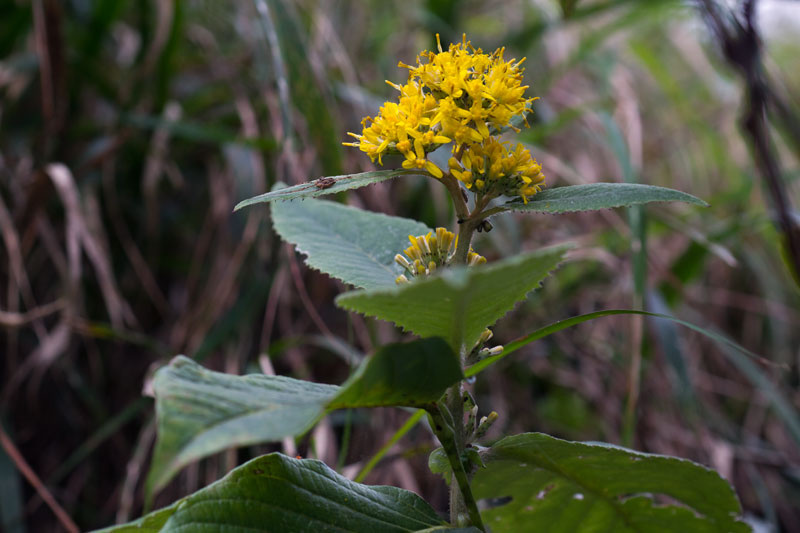
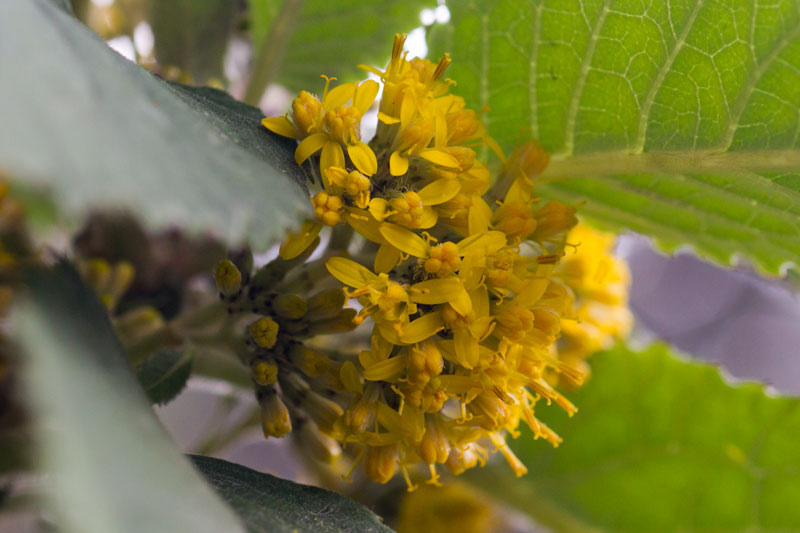
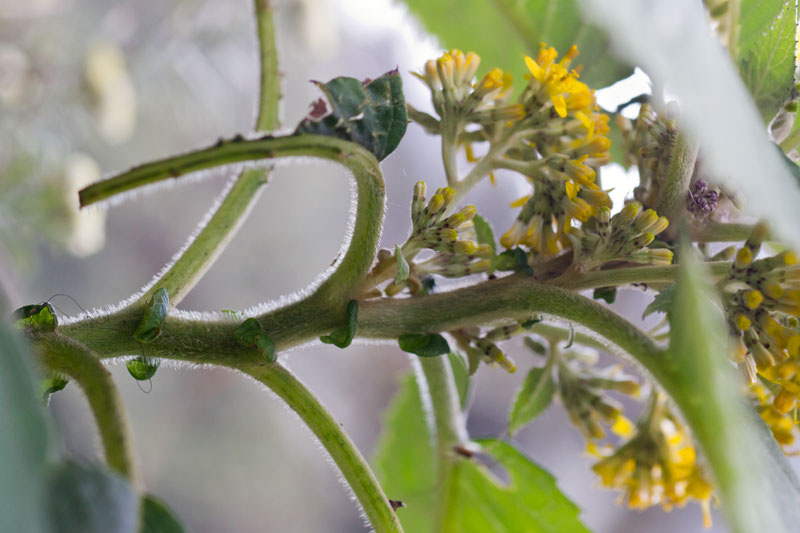
Please ID wild plant, Location: Valley of Flowers trail THE GREAT HIMALAYAS Ghangaria Chamoli Uttrakhand INDIA Altitude: 12000fsl Flower date: 04AUG2026, 01.15pm Habitat: wild moisture rocky sloppy misty canopied alpine Plant habit: medium erect branched shrub, weak angular powdery hairy stem 02cm base diameter, perennial Height: 03 feet Leaves: alternate elliptical acute flexible serrated margins, size upto: 15×05cm Flower: axillary panicle inflorescence, clustered, yellow, fragrant size:05×02.5mm Fruit: Seed: Thank you very much for ID my plant.
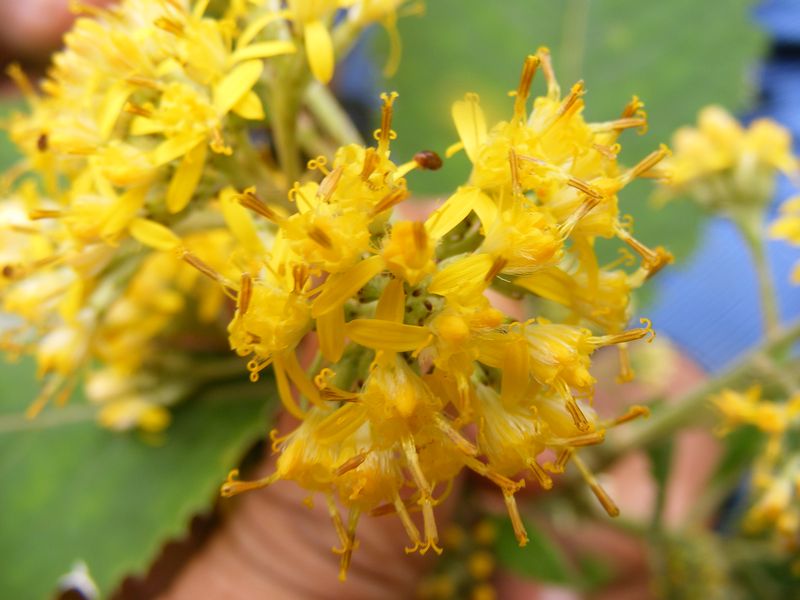
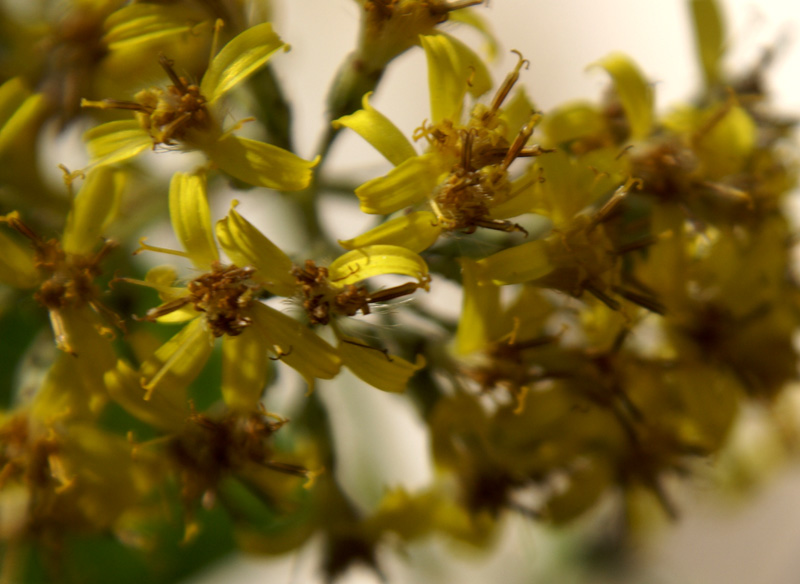
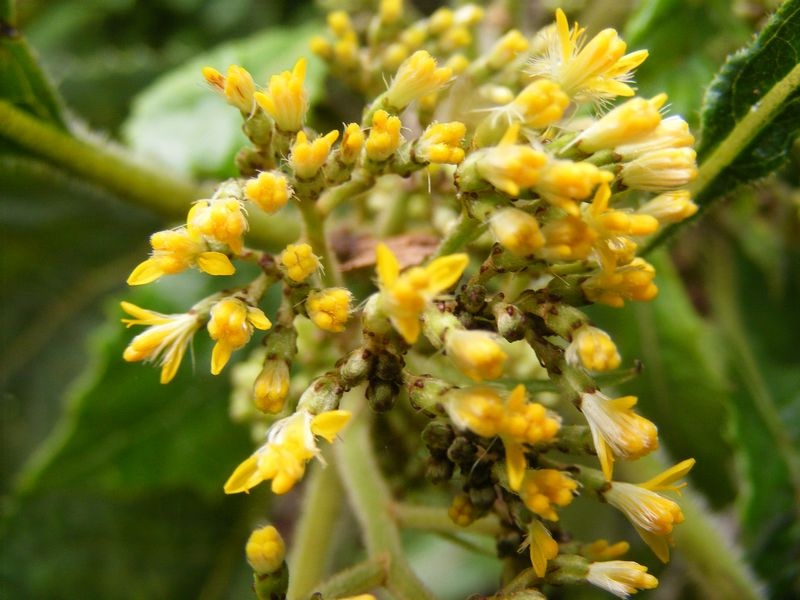
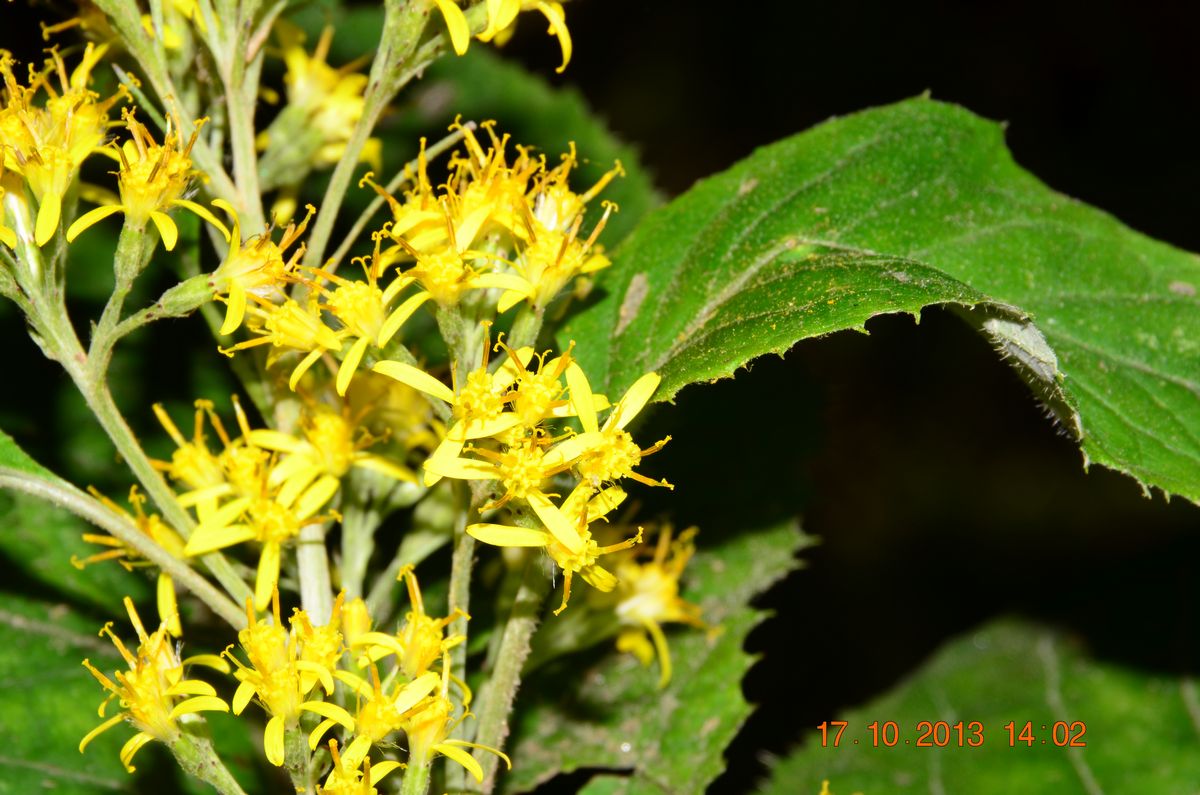
Please check the collage, left is mine and right is of efloraofindia. I am observing some difference in petals opening and stigma, it is visible as fork, no one individual flower inthe right having the same petals of left. I also found plants having flowers in right image, but accidentally not be documented because I also think as your way. Expecting your valuable response in this regard.
Yes. Looks different. Thank you for your response. I think it is Synotis species. 1 image. Yes, but there is no match according to the comparative images at
https://efloraofindia.com/efi/synotis/ Maybe some other unlisted species.
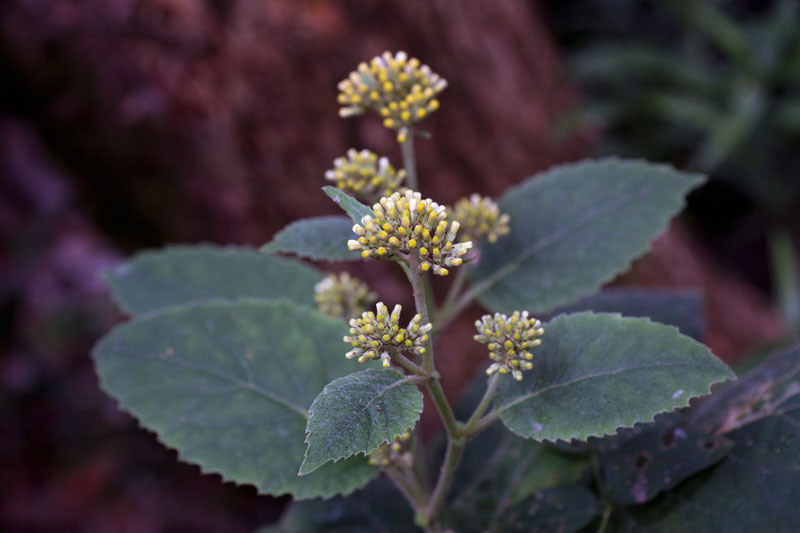
Image 1 from … and remaining 3 images from efi. The images shared by you showed that my flower is in premature stage, if my observation is correct, then my plant is Synotis rufinervis. have you taken photographs of leaves from both surfaces? Leaves are white on the lower side in Synotis rufinervis. They are comparatively larger in size than the size mentioned by you. Thank you very much for sharing your observations. Sorry, I am not captured leaf lower side, because it needs more time and some times hard. This plant is growing obliquely in crevice of the rubble stone masonry wall (this may be chances to small leaf size), so closeup clicking was very hard, and also didn’t found any plants like this. I am providing an enlarged image of lower side of leaf. ventral surface of leaf is visible in this photograph. So I think, it has been rightly identified. Thank you very much for ID my plant.
Also please check if the pollen and stigma (visible as not fork form) is in immature stage of blooming or any unusuality.
1 image. Please compare the first set of tepals parity in flower stalk in the collage, left is yours, and right is mine, please confirm it is usually. Stigma is bifid in all members of Asteraceae. . References: |
Synotis rufinervis

Updated on August 31, 2026