
|
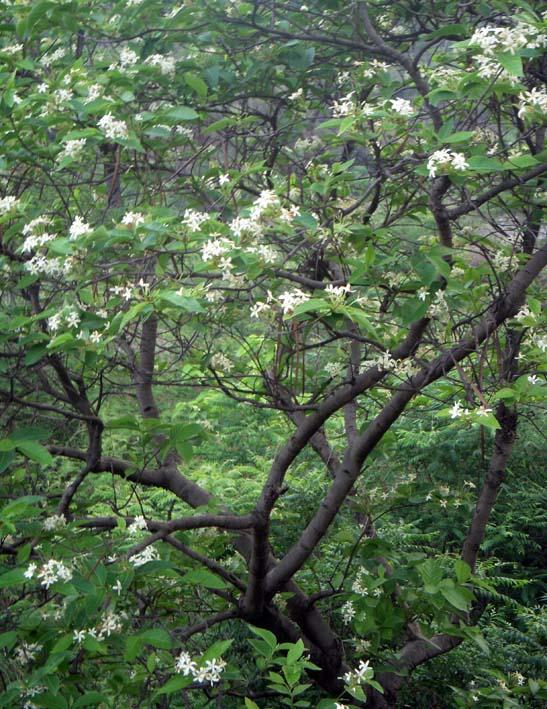
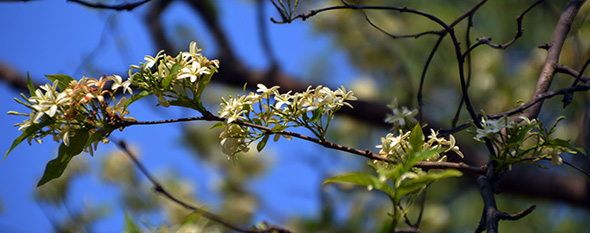
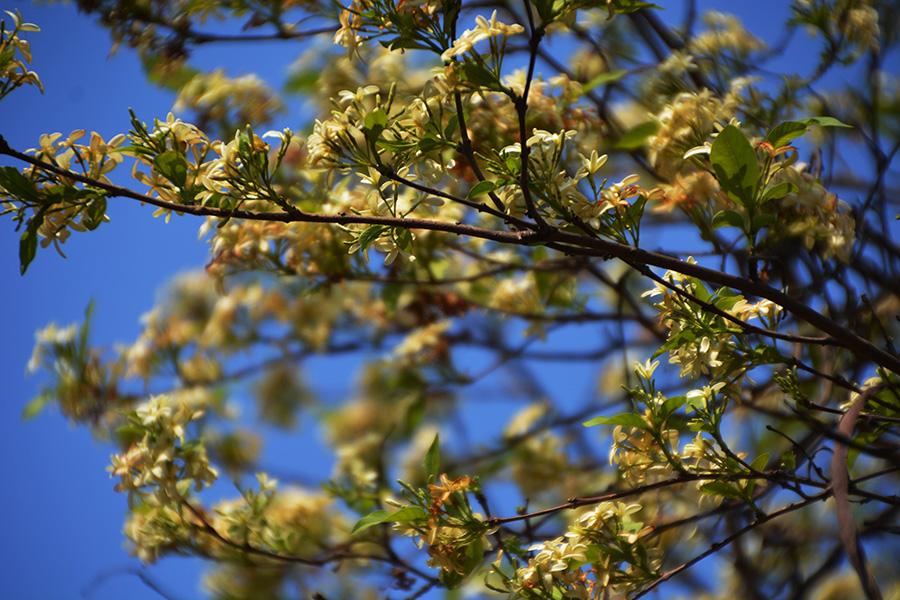
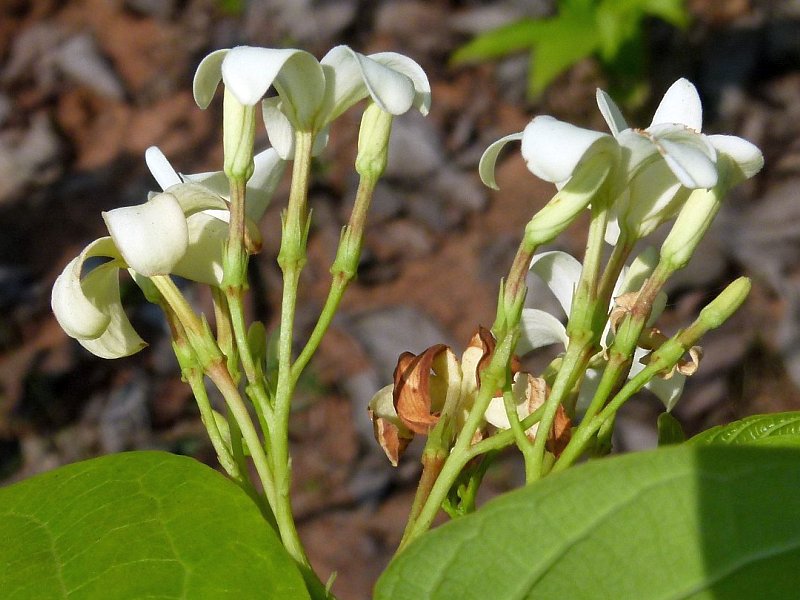
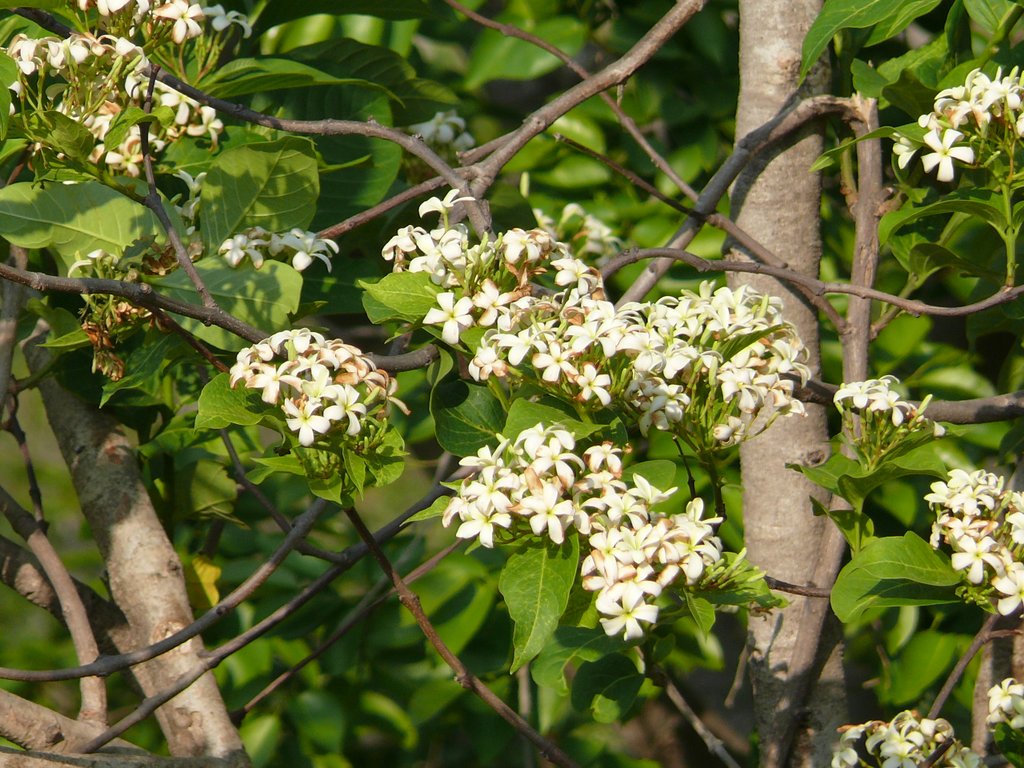
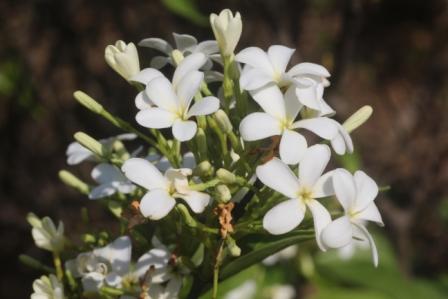
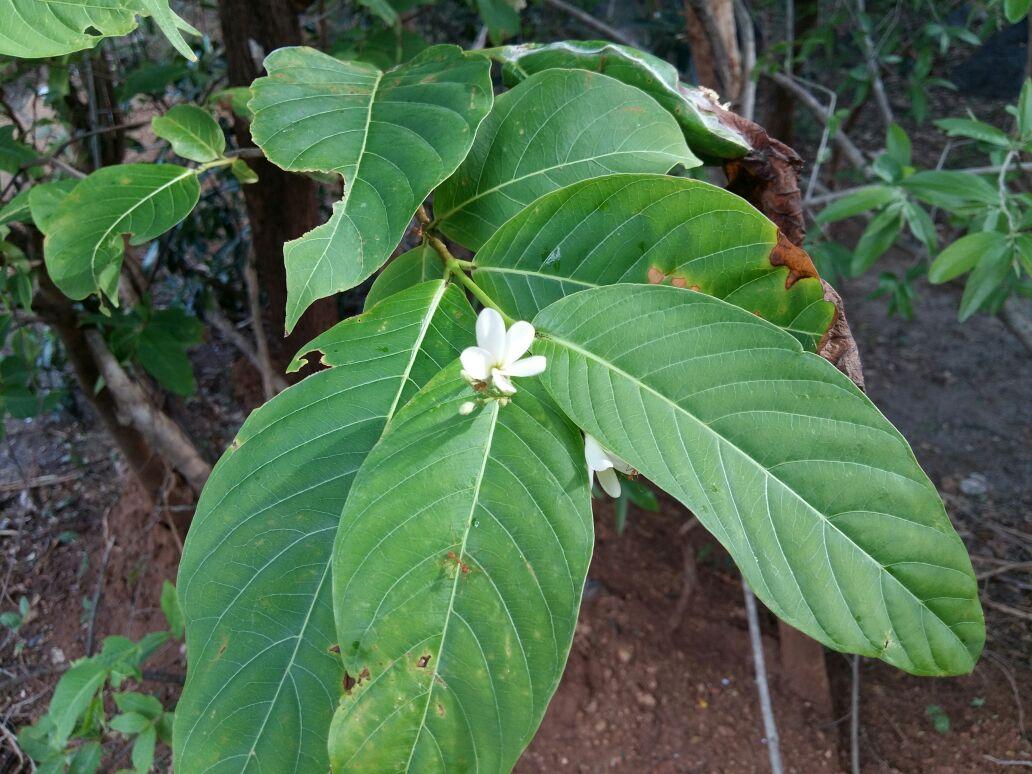
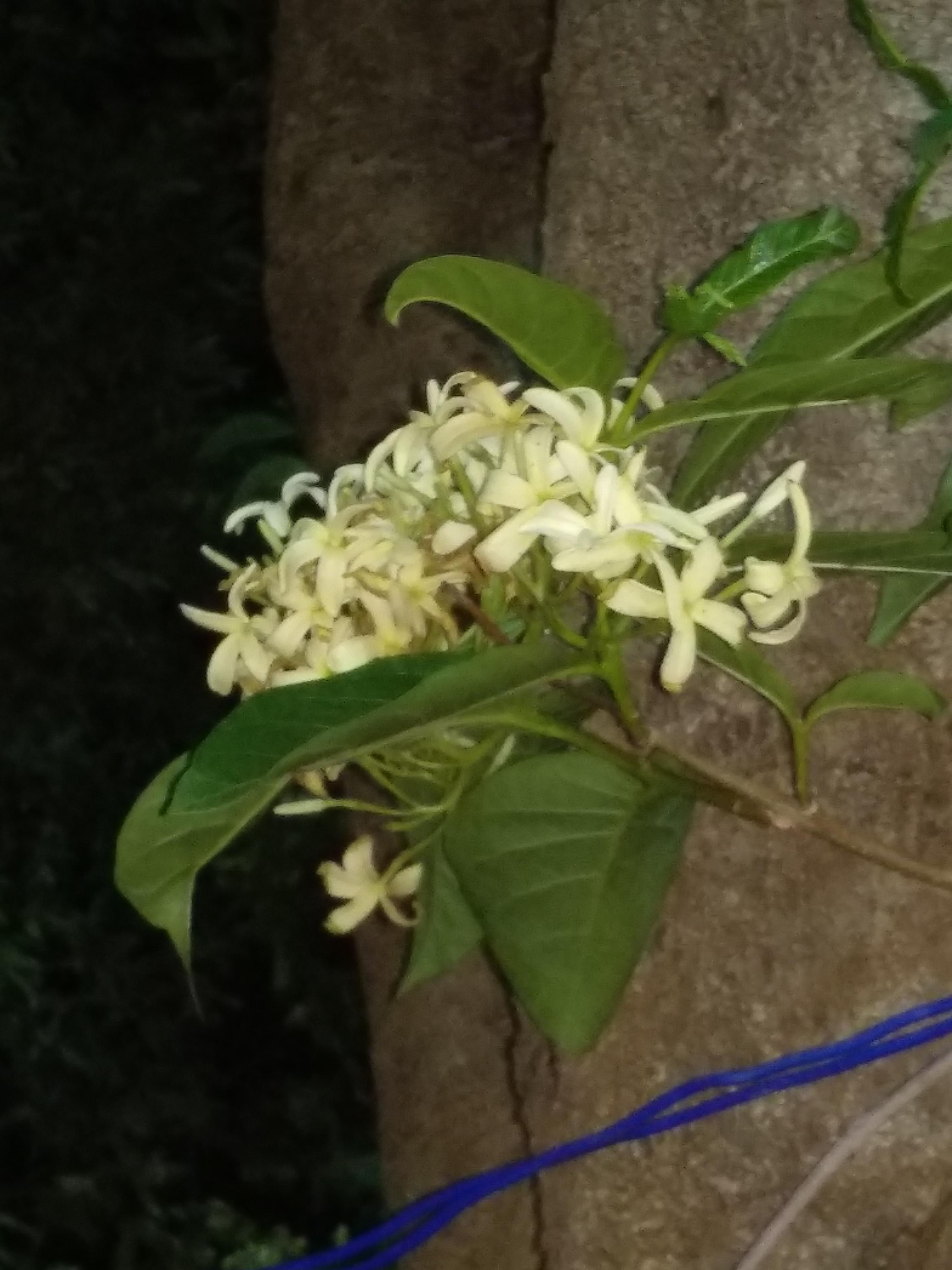
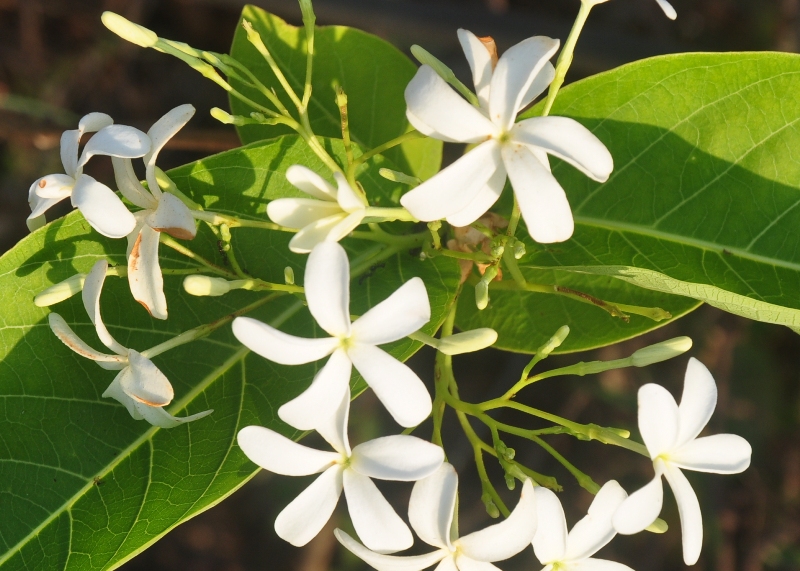
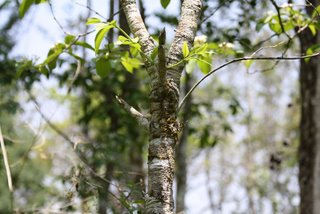
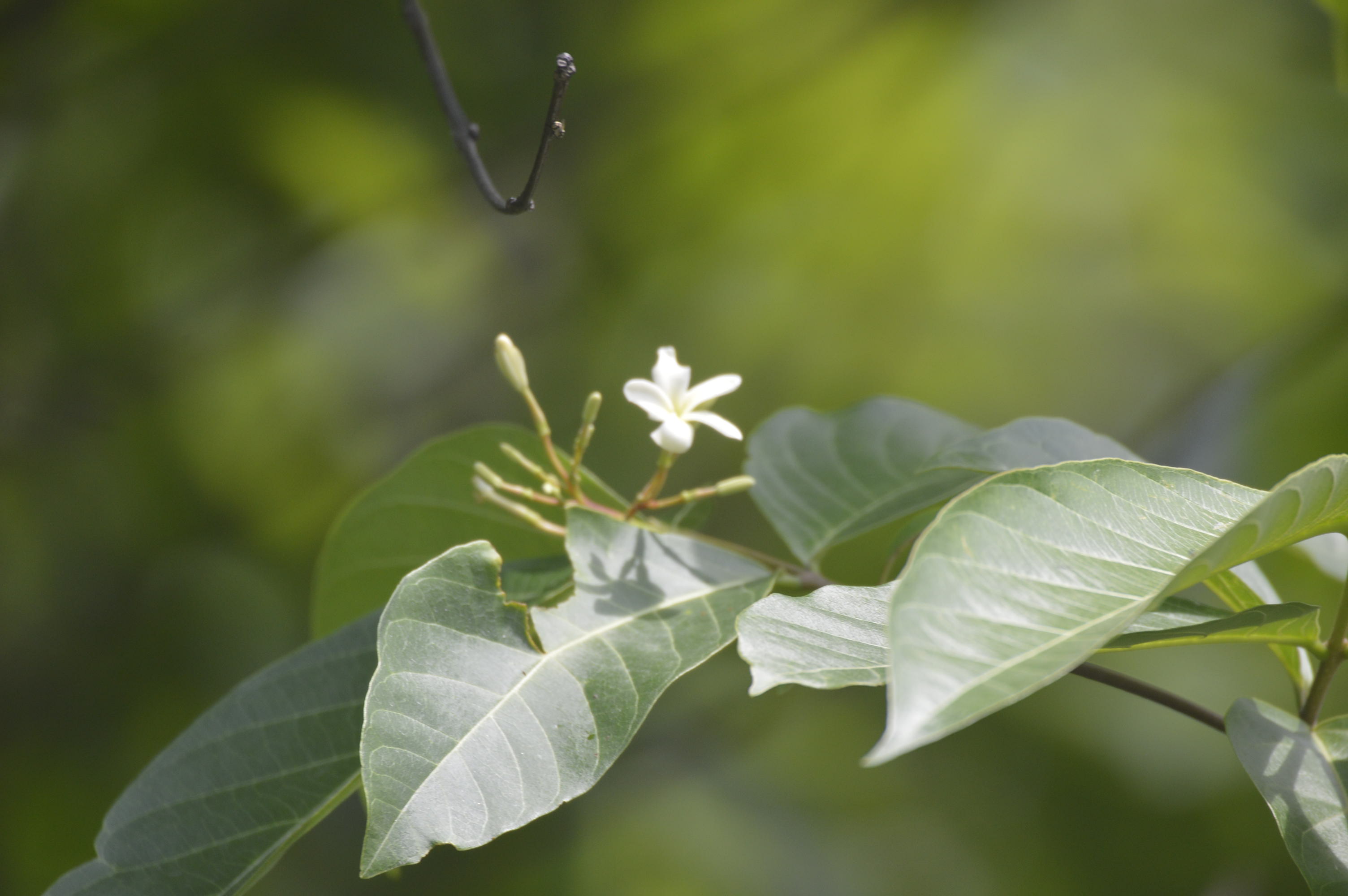
Holarrhena pubescens Wall. ex G. Don, Gen. hist. 4:78. 1837 (syn. (=) Chonemorpha antidysenterica G. Don; (=) Echites antidysentericus Roth; (≡) Echites pubescens Buch.-Ham.; (=) Holarrhena antidysenterica (G. Don) Wall. ex A. DC.; (=) Holarrhena febrifuga Klotzsch);
.
.
ho-lar-REN-uh — Greek: holos (whole, entire); arrhen (male); all anthers are fertile … Dave’s Botanary
pew-BES-senz or pub-ess-ens — downy, short haired … Dave’s Botanary . commonly known as: bitter oleander, conessi bark, Easter tree, ivory tree, kurchi bark, Tellicherry tree • Arabic: اندرجو تلخ / إندر جاو تلخ inderjao talkh, لسان العصافير المرّ lasanul-aasafirul-murr • Assamese: দুধকাৰী dudhkaari, দুধখুৰী dudkhuri, ধুতখুৰী dhutkhuri, কুটজ kutaj • Bengali: ইন্দ্রযব indrajab, কুড়চি kurchi, কুটজ kutaja • Bhojpuri: दुधकोरिया dudhkoria • Bodo: doukhri • Dogri: इंद्र जौ indra jau, कोगढ़ kogad • Garo: bol-matra, bolmigmu, mat-mande • Gujarati: ધોવડા કુડા dhowda kuda, ઈંદ્રજવ indrajav, કડો kado, કારીખડો kaarikhado • Hajong: dudkurchi • Haryanvi: दुधी dudhi, कुर्ची kurchi • Hindi: दूधी dudhi, इंद्रजव indrajav, कुरैया kuraiya, कुर्ची kurchi, कुटज kutaj, क्वेरा kwera • Jharua: দুধখুৰী dudkhuri • Kachari: khiloshi-jalla-phang, kholoshiphang-jola • Kachchhi: કડવો ઈંદ્રજવ kadvo indrajav • Kannada: ಕೊಡಸಿಗೆ kodasige, ಕೊಡುಮುರುಕು ಗಿಡ kodumuruku gida, ಕೊರಸಿಗ korasiga, ಕುಡ್ಸಾಲು kudsaalu • Karbi: bengol-arong, bengoy-the-arong, bing-wai-pi-arong, theng-lokso • Kashmiri: अन्दुसुरुन् andusurun • Khasi: dieng-jameu, dieng-lakhiet-dkhar, dieng-pang-knai, dieng-pankanaisynrang • Kokborok: kuchimavompang • Kol: गोतेक gotek, हात hat, कुआर kuar, तुआर tuar • Konkani: धवो कुडो dhavo kudo, कुडो kudo, शांता कुडो shanta kudo • Kuki: leng-wom-theng • Kumaoni: कुड़ा kura • Kurukh: कोरकोरिया korkoria • Lepcha: ᰑᰈᰬᰛᰧᰎ fajeerip • Magadhi: दुधकोरिया dudhkoria • Maithili: दुधियारी dudhiari • Mal Pahariya: कुरदू kurdu • Malayalam: കുടകപ്പാല kudakappaala • Malvani: कुडो kudo • Mandeali: केओर keor, कुर्ची kurchi • Manipuri: ꯀꯨꯔꯆꯤ কুরচি kurchi • Marathi: इंद्रजव indrajav, कुटज kutaja, पांढरा कुडा pandhra kuda • Mizo: thlengpa • Nagpuri: कोरैया koraiya • Nepali: बन खिर्रो ban khirro, इन्द्रजौ indrajau, मदिसे खिर्रो madise khirro • Odia: ଭଦ୍ର ଯବ bhadra jaba, କଲବିଙ୍କ kalabinka, କେରୁଆ kerua, କୁର୍ଚ୍ଚି kurchi, କୁରେଇ kurei, ମୁଣ୍ଡିଆ କୋରୁଆଁ mundia koruan, ପାଣ୍ଡୁର ଦ୍ରୁମ pandura druma, ପୀତ କାବେର pita kabera, ଶକ୍ର ପୁଷ୍ପ shakra pushpa • Pahari: दूधी dudhi, इंद्रजौ indrajau, करची karchi, कर्रा karra, केओर keor, कोरा kora, कुआर कुरेया kuar kureya, कुची kuchi, कुड़ा kura, कुरसी kursi • Persian: اندرجو تلخ indar-jave-talkh, تخم احار تلخ tukhme-ahare-talkh, زبان گنجشک تلخ zabane-kunjashke-talkh • Punjabi: ਕੇਵਰ kewar, ਤਿਵਾਜ tiwaj • Rabha: dudkurchi • Rajasthani: दुधी कड़वाला dudhi karvala • Sanskrit: अम्बिका ambika, भद्रज bhadraja, भद्रयव bhadrayava, गिरिमल्लिका girimallika, इन्द्रयव indrayava, काही kahi, कलिङ्ग kalinga, कौट kauta, कोहिन् kohin, कूटज kutaja, महागन्ध mahagandha, पाण्डुरद्रुम panduradruma, प्रावृष्य pravrshya, सङ्ग्राहिन् sangrahin, शक्र shakra, शक्राह्य shakrahya, शक्रपर्याय shakraparyaya, शनपर्णी shanaparni, वरतिक्त varatikta, वत्साह्वय vatsahvaya, वत्सक vatsaka, वृन्तिता vrntita, यवफल yavaphala • Santali: ᱦᱟᱴ hat • Tamil: அருளரசி arularaci, இந்திரபம் intirapam, இந்திரியவம் intiri-yavam, கசப்புவெட்பாலை kacappu-vetpalai, கலிங்கம் kalinkam, கவுபதம் kavupatam, கிரிமல்லிகை kirimallikai, குடசப்பாலை kutaca-p-palai, குடப்பாலை kutappalai, பலம் palam, பூதகேசரி putakecari, வத்தகம் vattakam, வற்சம் vaṟcam, வேப்பாலை veppalai • Telugu: చేదుకొడిసె chedukodise, గిరిమల్లిక girimallike, ఇంద్రవృక్షము indravrakshamu, కళింగము kalingamu, కొడిసెపాల kodisepala, కొడిసెవిత్తులు kodisevittulu, కోలముక్కి చెక్క kola-mukki-chekka, కుటజము kutajamu, మనుపాల manu-pala • Tibetan: དུག་མོ་ཉུང tug-mo-nyung • Tulu: ಕೊಡಗಾಸನ kodagasana, ಕೊಡೆಂಚಿ kodenchi • Urdu: کٿج kutaj
Names compiled / updated at https://dineshvalke.blogspot.com/2026/09/holarrhena-pubescens-wall-ex-gdon.html .
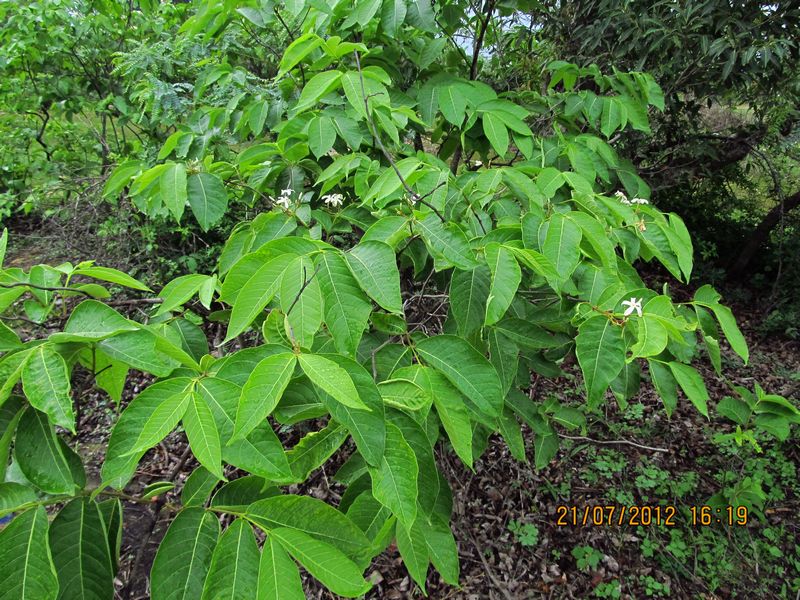
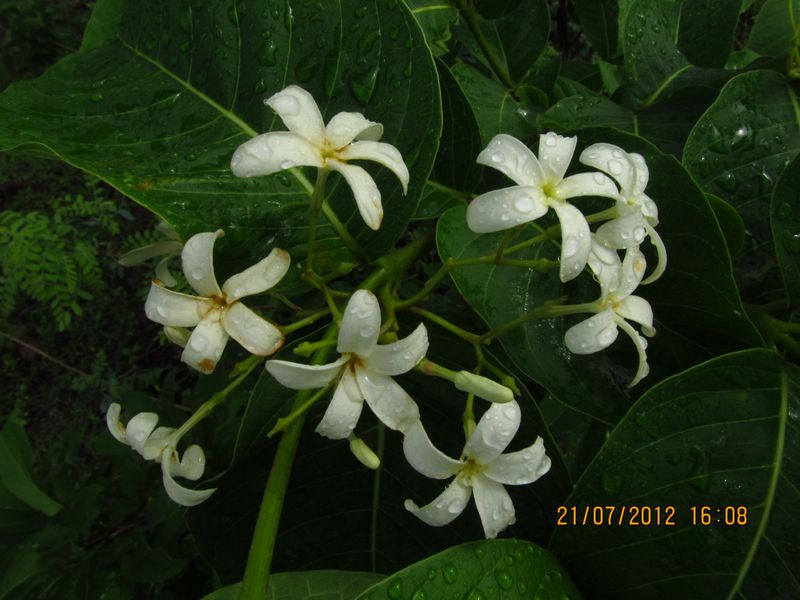
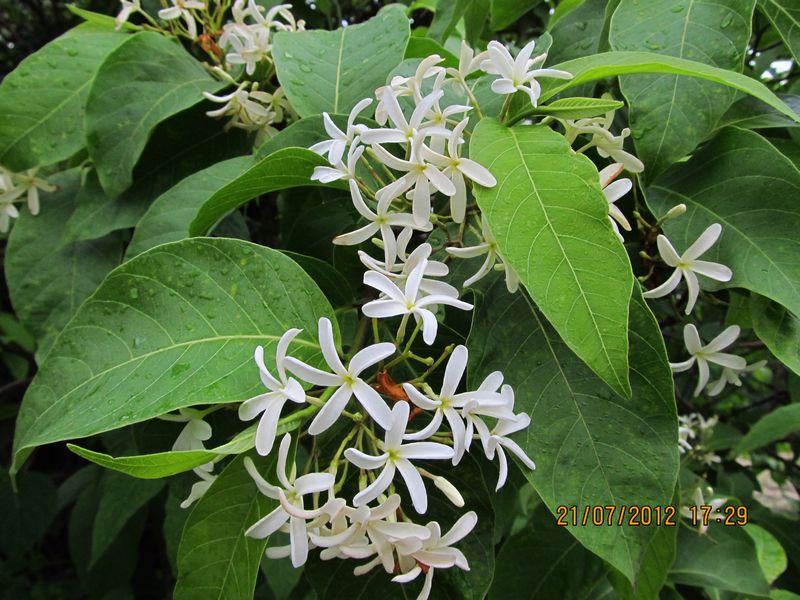
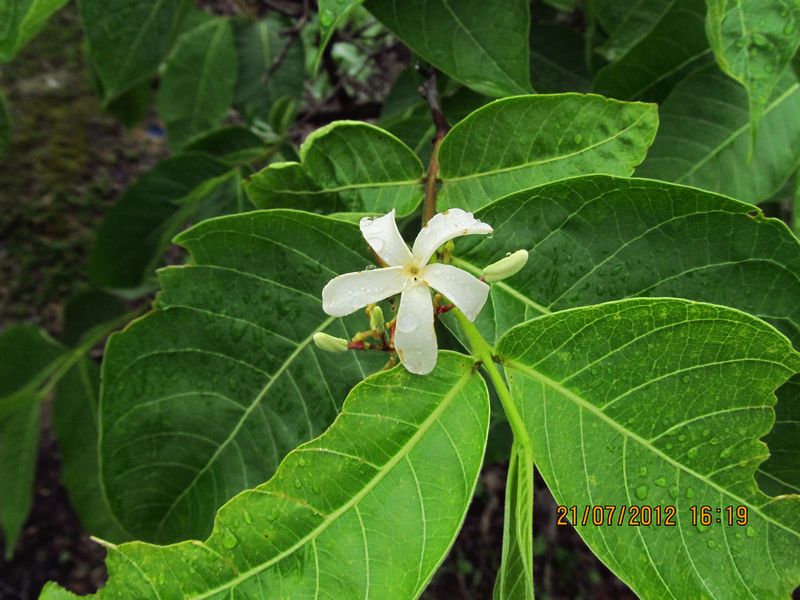
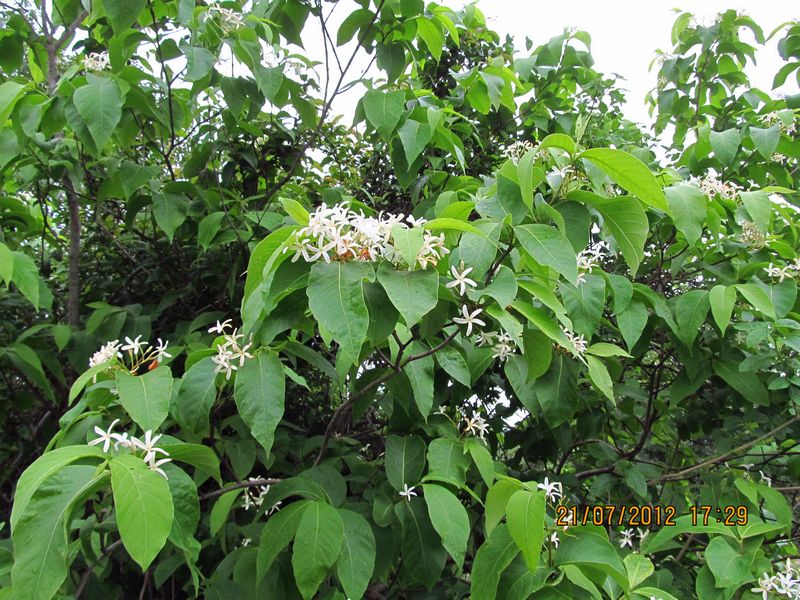
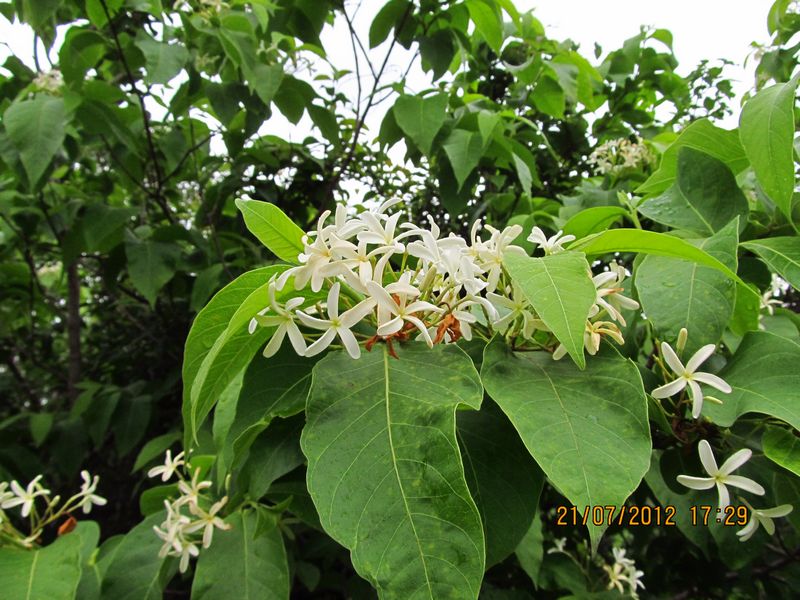
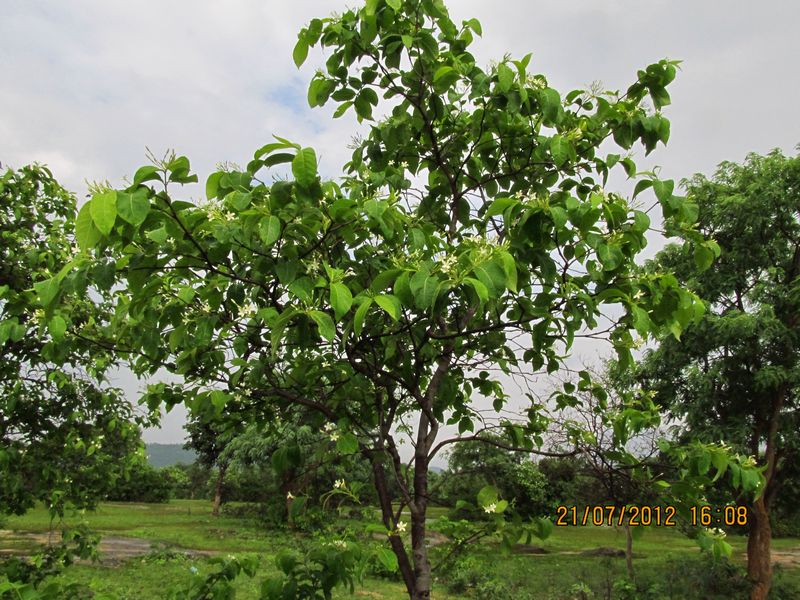
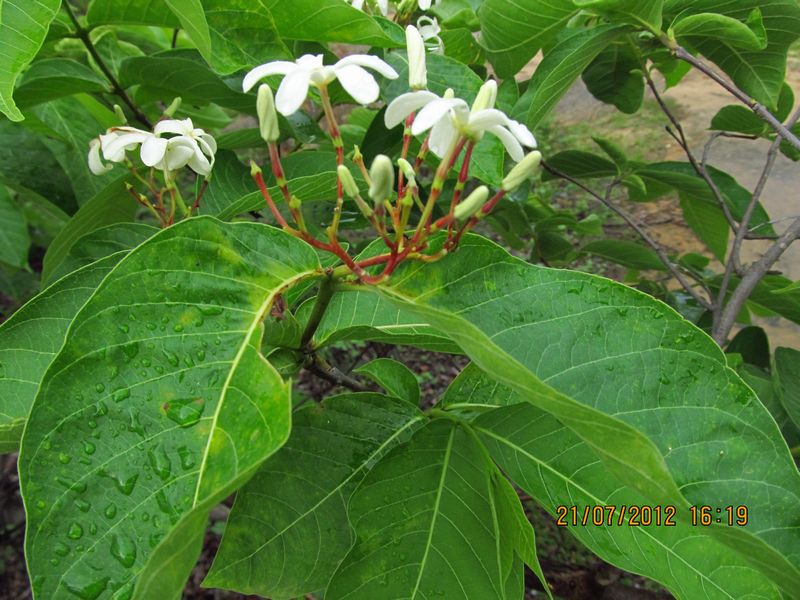
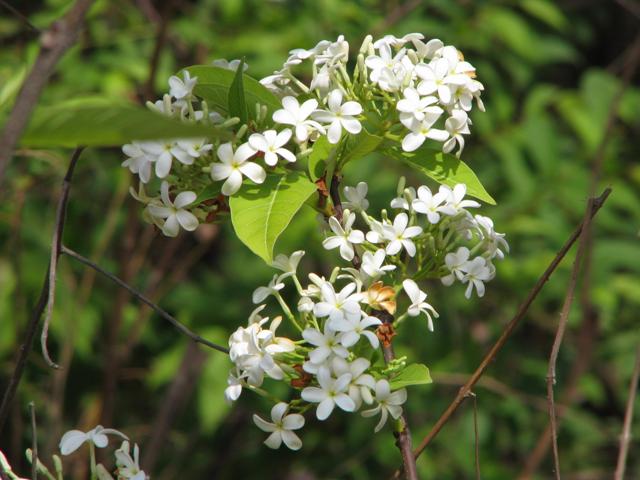
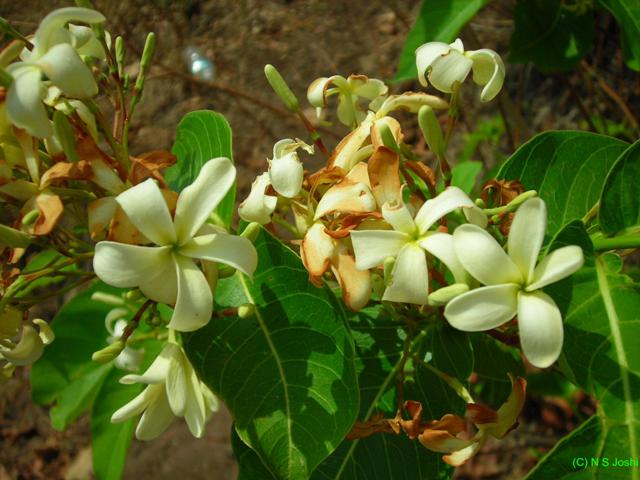
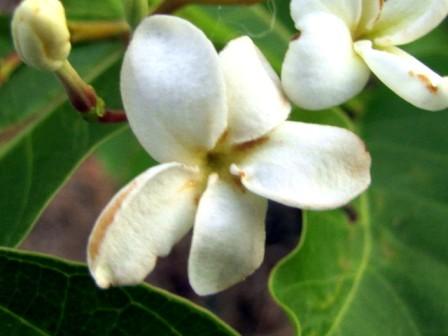
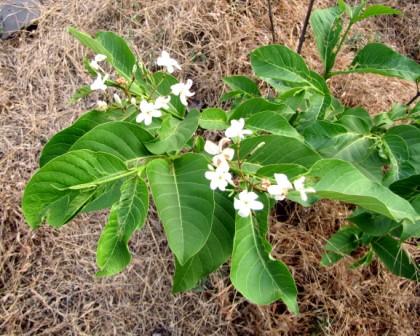
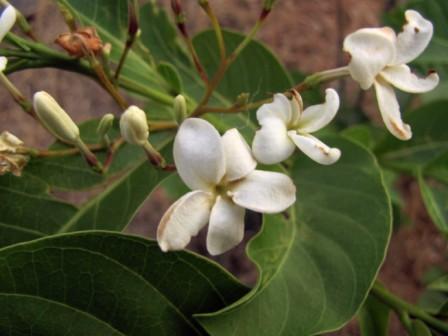
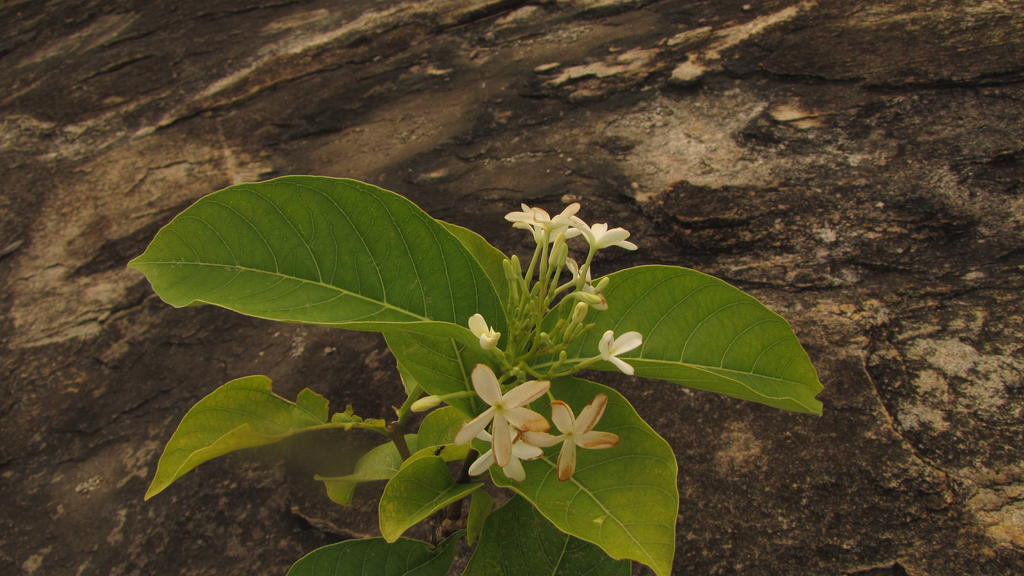
Flora of Sahyadri & Konkan – Holarrhena pubescens:
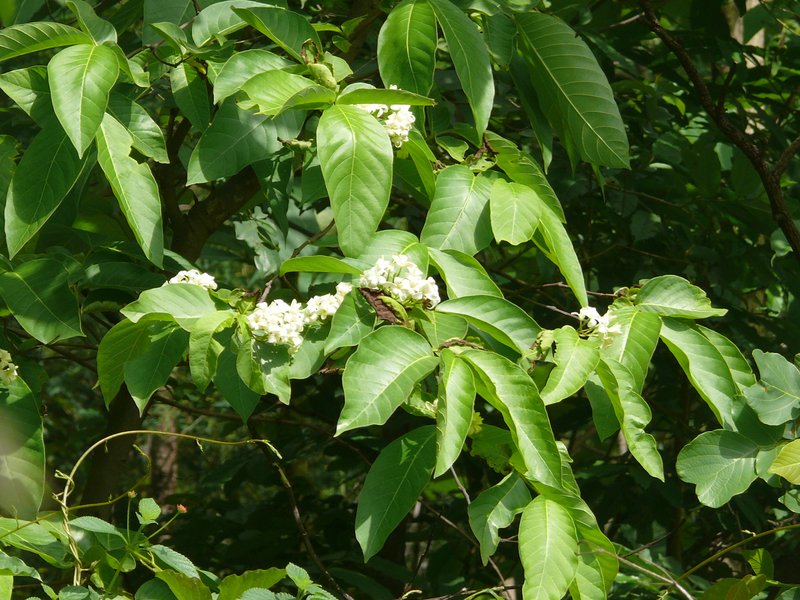
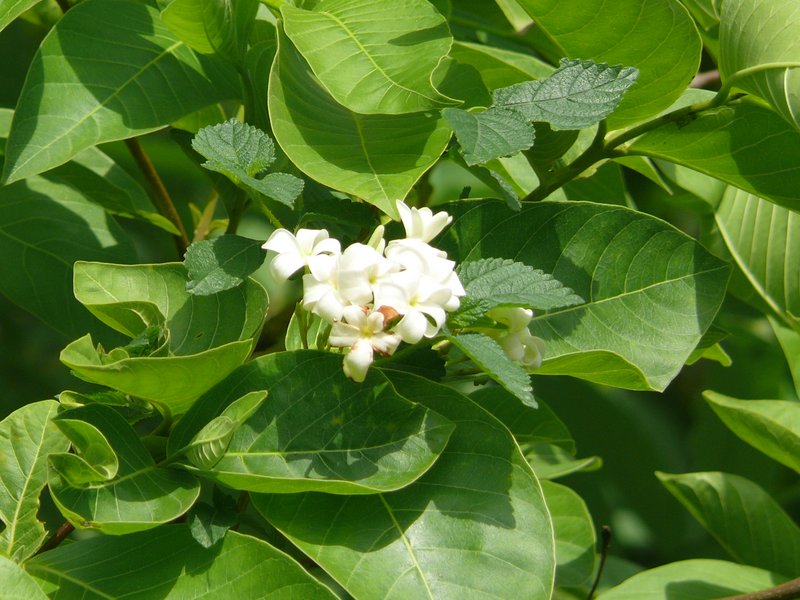
for id: This could be a Wrightia tinctoria from Apocynaceae please confirm it at once…………. Pl also check it for Holarrhena pubescens. Could be even KUTAJA (Holarrhena antidysenterica). Unable to confirm as the close up of the flowers and a good view of the foliage is missing. does look like Holarrhena antidysenterica … me too with Holarrhena pubescens. 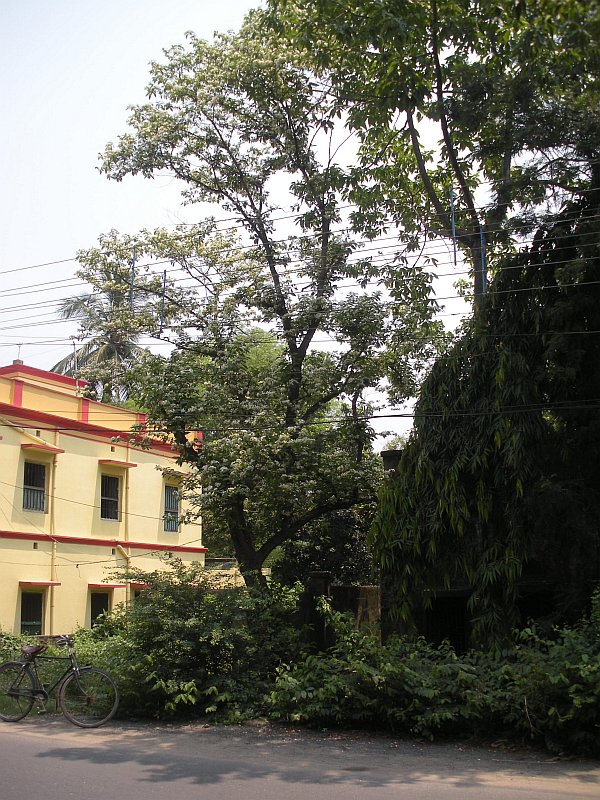 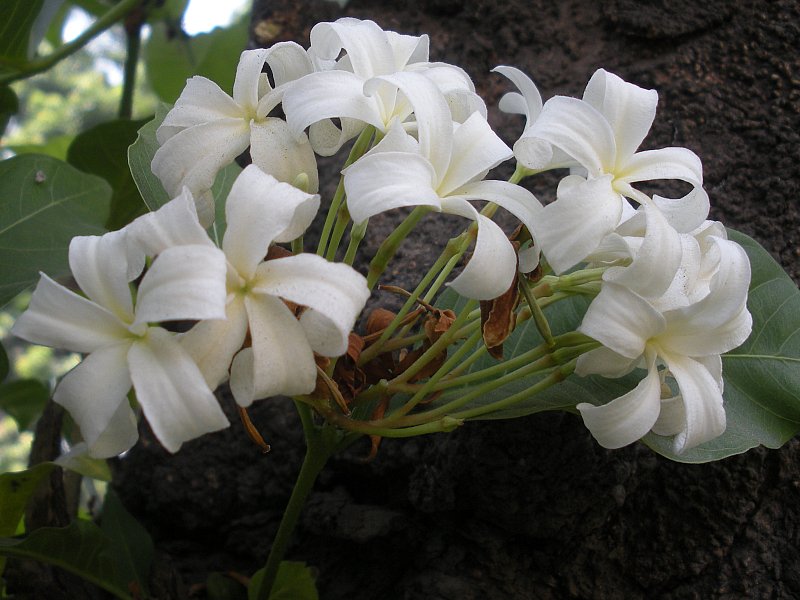 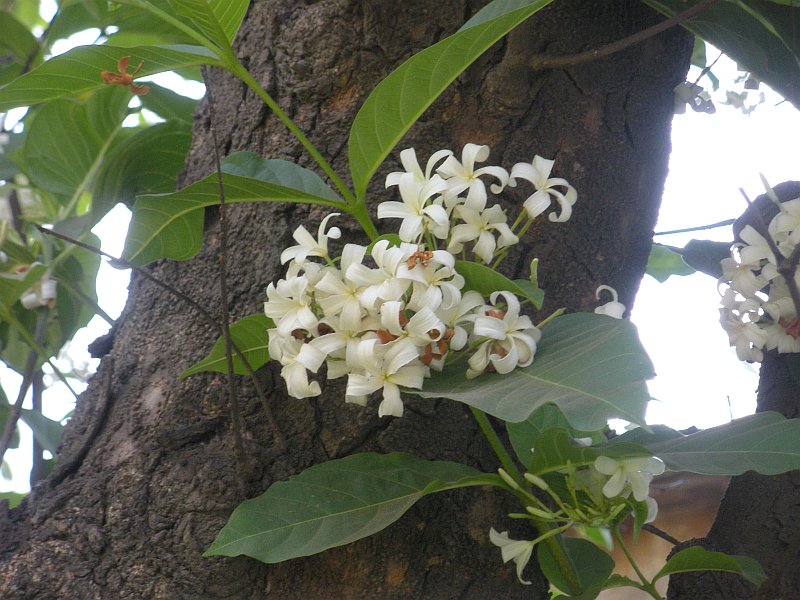 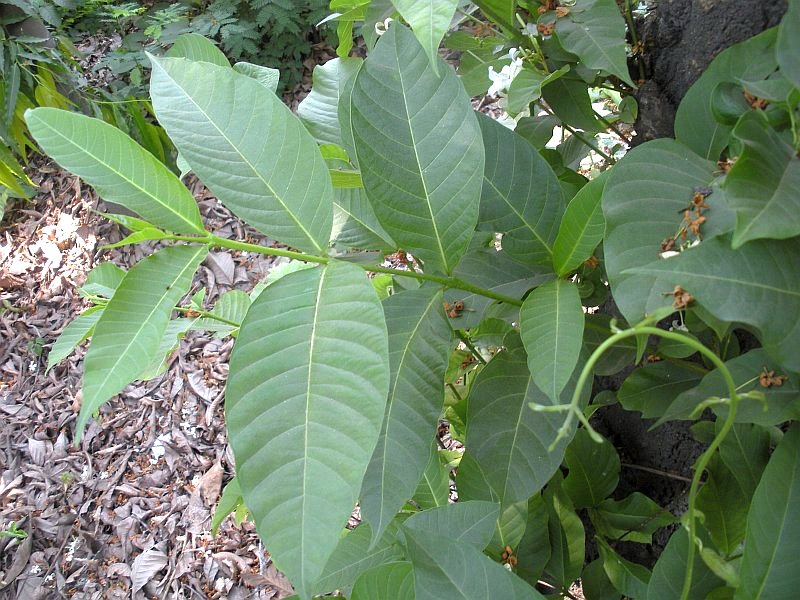 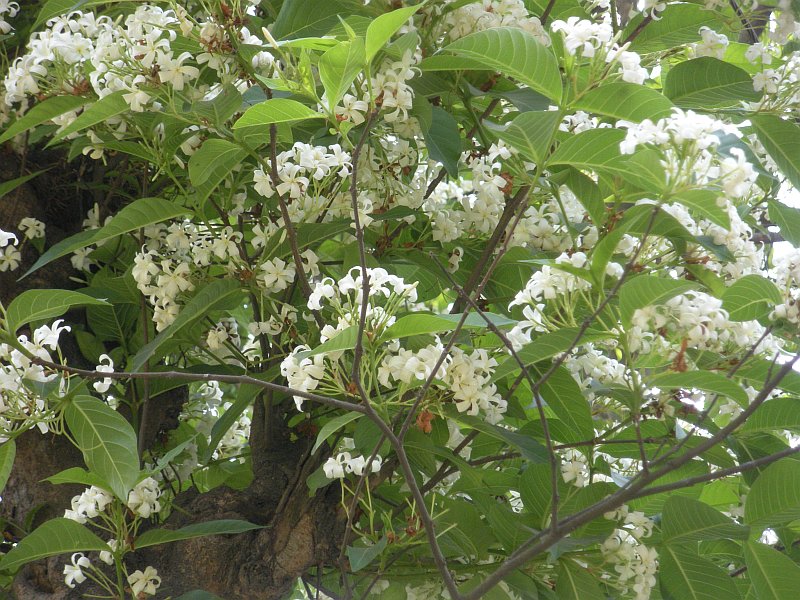 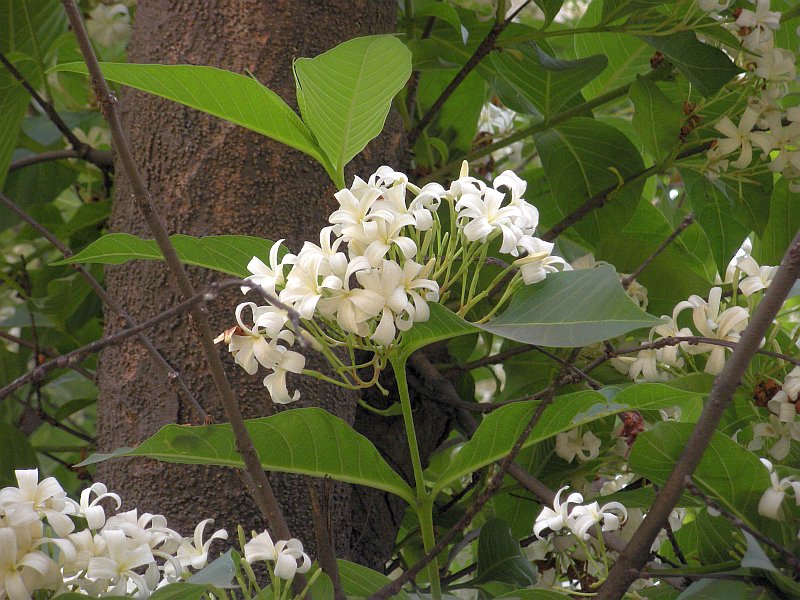 Attaching images of Holarrhena antidysenterica found on roadside.
Species : Holarrhena antidysenterica Wall. ex DC.
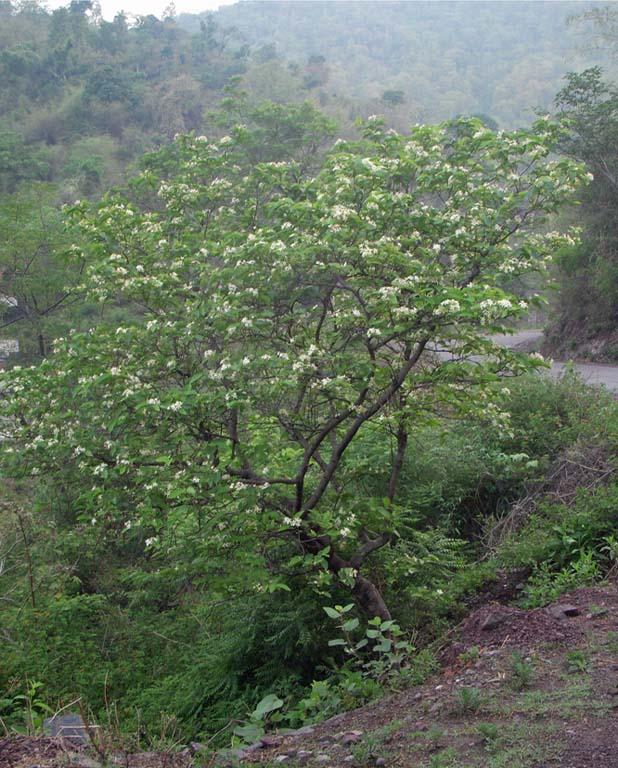
Habit & Habitat : big tree, roadside
Date : 10-05-12, 10.30 a.m.
Place : Kalipur checkpost (Hooghly)
ID help : http://www.efloras.org/florataxon.aspx?flora_id=110&taxon_id=210000702 Yes Beautiful shots. We also saw this tree in lower himalayas during our chakrata visit Thank you … for confirming the ID. Until now i have seen only this one. And a local resident told me that it is called KURCHI in Bengali. . 15512 BRS 366 for id request.: Location : NBNP-Anaikatti, Coimbatore Dist. 640 MSL Date: 14.05.2012 Habitat: garden Habit: Tree.
Flora of Madhya Pradesh: Holarrhena pubescens from Narsinghpur Forest Area:
KAS Week::(Holarrhena pubescens – 07/10/2012- NJ): . Confusion regarding Kutaja or indrajao of Ayurveda and the actual plant: To resolve this confusion let us go to the original descriptions in Flora of British India and synonyms. The first plant is described as named by Wallich and subsequently A. deCandolle, and hence citation Wall. ex DC. in recent publications. Wrightia antidysenterica Grah cited as synonym. FBI is not sure about synonymy of Chonemorpha antidysenterica G. Don. Wrightia tinctoria is a distinct species and should not come in confusion except for names indrajao and kutaja sometimes applied. The third crucial plant is one described as Wrightia zeylonica (L.) R.Br. with Nerium antidysentericum L. and Nerium zeylanicum L.
At the time Flora of British India, synonyms were cited but basionym author was not included in the accepted name. When this practice started Chonemorpha G. Don remained unknown and combination came to be known as Holarrhena antidysenterica (L.) Wall. ex A. DC., many not bothering to know where this L. came from, even after recently it has been understood that correct name for this plant been understood as H. pubescens. Pl. see citations below:
The second website, though a very reputed one, but puts first black and white illustration correctly but coloured photograph shows Wrightia antidydenterica. The Plant List worst confused, even putting H. pubscens as unresolved name. The correct synonymy can be seen at:
The second plant very distinct though remained in confusion because people remembered L., but forgot where it came from till it was finally known that Wrightia zeylanica (L.) R. Br. be correctly known as Wrightia antidysenterica (L.) R. Br., and it is based on Nerium antidysentericum.
The unfortunate thing being that people remembered antidysenterica but never bothered to know where it came from, and got tagged wrongly to Holarrhena antidydenterica (L.) Wall. ex A. DC., instead of correct H. anitdysenterica (G. Don) Wall. ex A.DC. as synonym for H. pubescens. Perhaps also important to mention that earliest name for this species was given by Roth in 1821 as Echites antidysenterica 1821 as against Chonemorpha antidysenteria G Don, 1838, but Roth’s name can’t be taken as basionym (Roth can’t go in parenthesis) as it is a a later homonym of Echites antidysenterica (L.) Roxb. ex Fleming.
Thank you very much … for this clarity and analysis of confusing identities. Yes … The real confusion started when basionym author was included wrongly as L. (not knowing about Chonemorpha antidysenterica of G. Don). The the Wikipedia has confused the things further. Thanks a lot Sir for a very detailed analysis and review of a confusing situation…the unfortunate thing is there are a large number of such confusions probably due to the fact that access to data have not been so easy as it is today…I hope, in times to come majority of confusions will be resolved…thanks for throwing light on the matter…
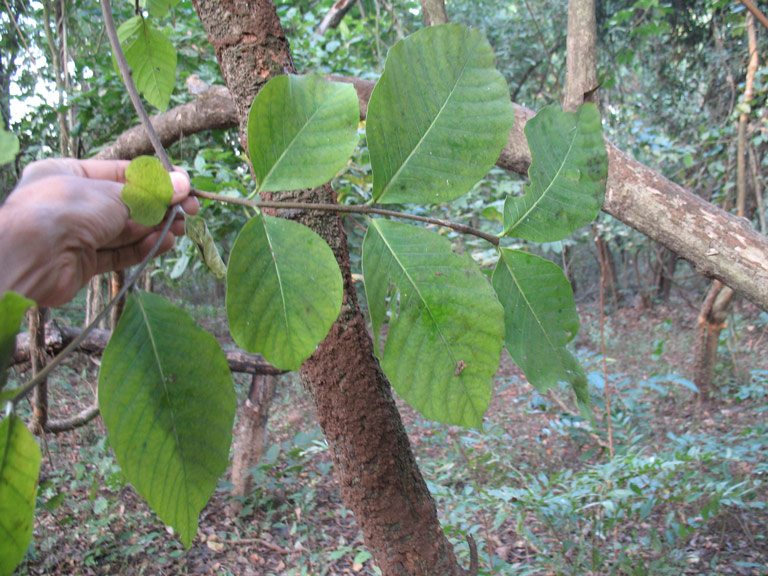
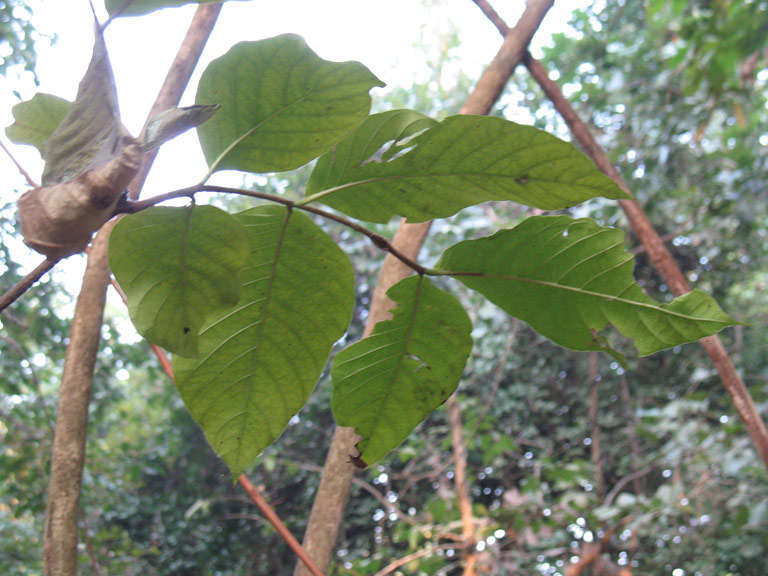
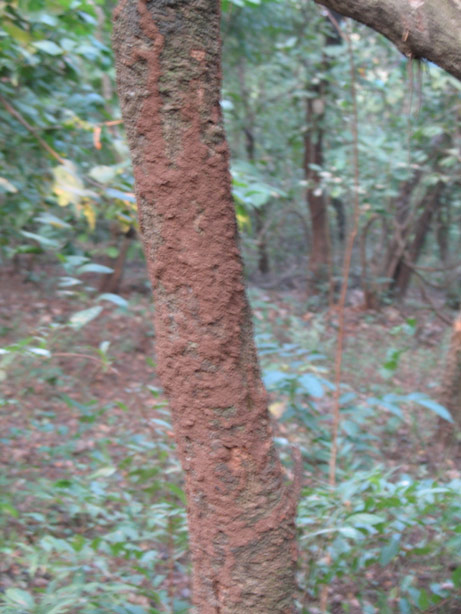
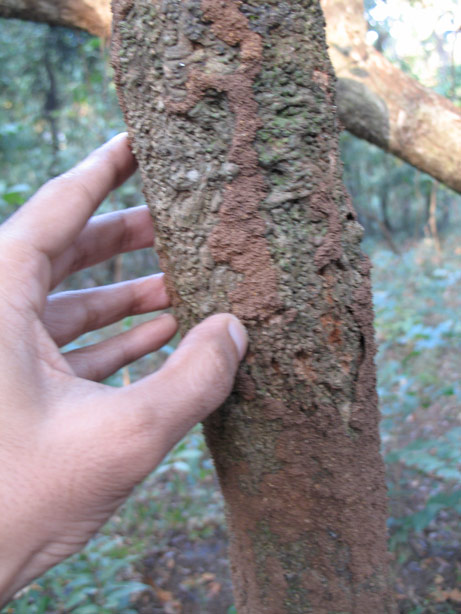
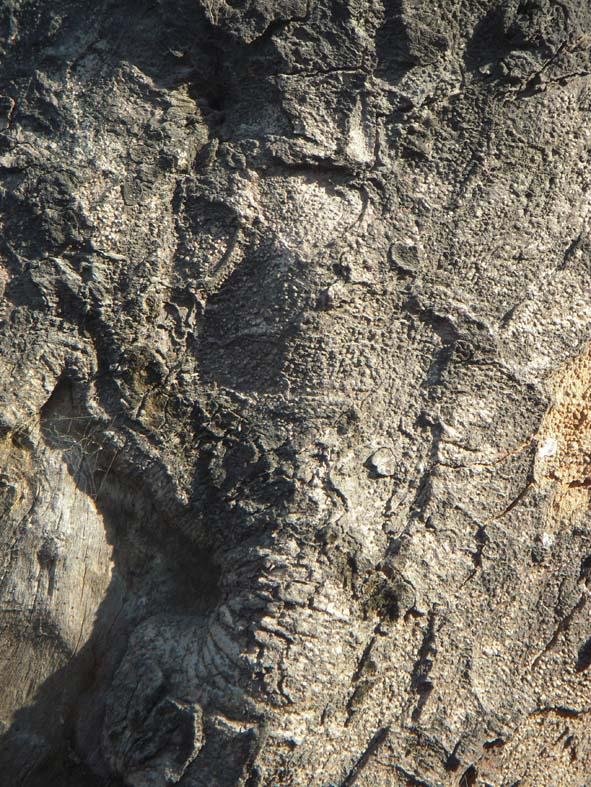
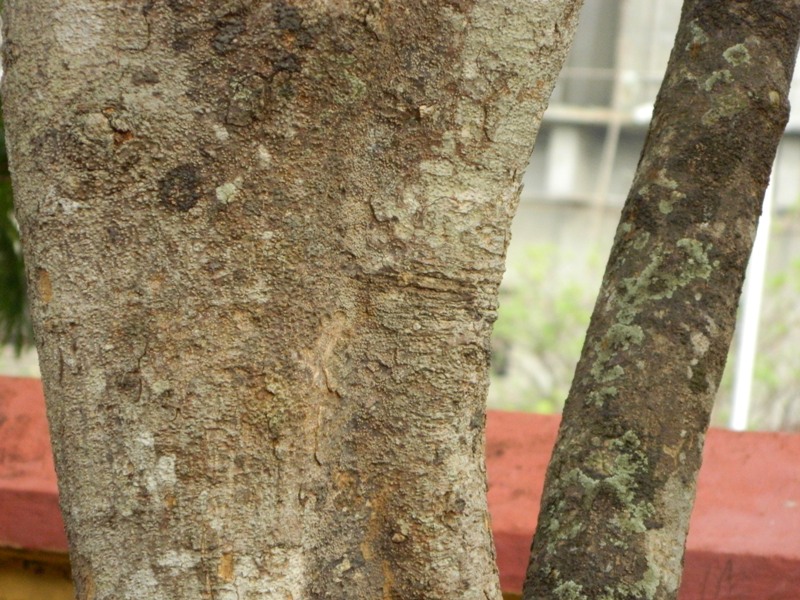
Plz id this tree: pa58 – 17dec2012: This is Safed Kuda [Holarrhena pubescens]. My photographs of this are available in the archives of this group. Its bark is infested with termites.
Help Id P1250709/10 : Attachments (2). 4 posts by 4 authors. This is Holarrhena pubescens. Locally called Kutaj, kuda.. Supporting the id
Holarrhena pubescens : Attachments (5). 1 post by 1 author.
Holarrhena pubescens chandigarh and the hills around kasauli
efloraofindia: For ID 271112SP22 : Attachments (3). 2 posts by 2 authors.
Please help me to identify this flower.
Location – Badalapur Date: March, 14
habitat : Wild Seems to be Holarrhena antidysenterica
Ex-situ Silviculture : Holarrhena pubescens (Buch. -Ham.) Wall. ex G.Don : 1 post by 1 author. Attachments (2).
Paschim Medinipur : Holarrhena pubescens Wall. ex G.Don : 2 posts by 2 authors. Attachments (2).
Holarrhena pubescens : Jim Corbett,Uttarakhand : 170614 : AK-26 : 6 posts by 3 authors. Attachments (1). H. antidysenterica Syno: Holarrhena pubescens Experts kindly confirm id. Now called Holarrhena pubescens [previously H.antidysenterica]. Please check this link : Thanks for confirming the id.
Beautiful pictures of Safed Kuda at your farm.
ANAUG22 Apoynaceae shrub/young tree for ID : 3 posts by 2 authors. Attachments (6).
Found in Bangalore (outskirts) Could be Holarrhena pubescens. Thank you … . Regarding collection of cultivated Holarrhena antidysenterica bark for research work. : 2 posts by 2 authors. Let your student collect the bark from wild growing trees. It is seldom cultivated & your student may find it easy to contact local forest officers for sourcing the tree bark for Research Purpose exclusively.
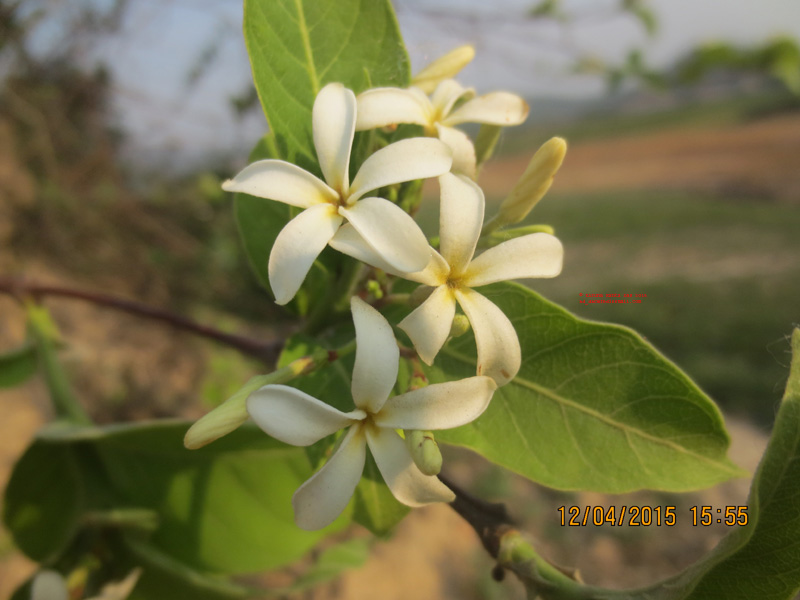
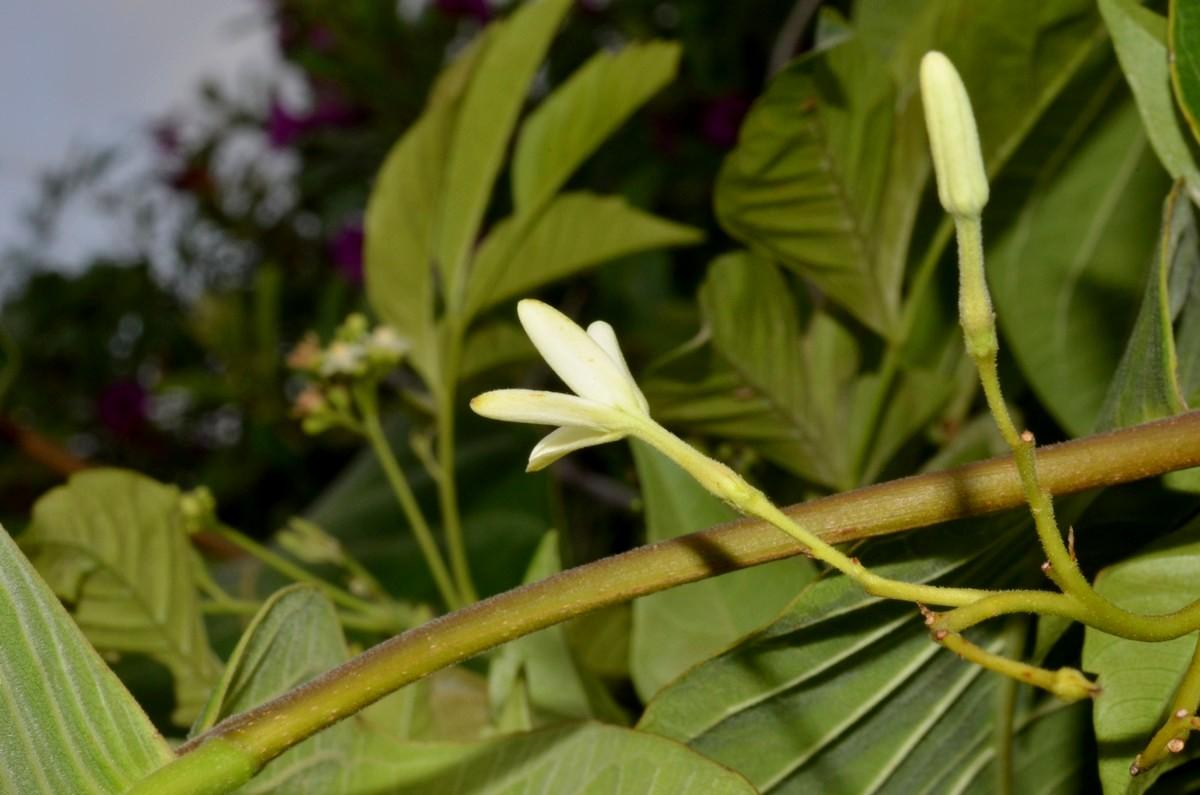
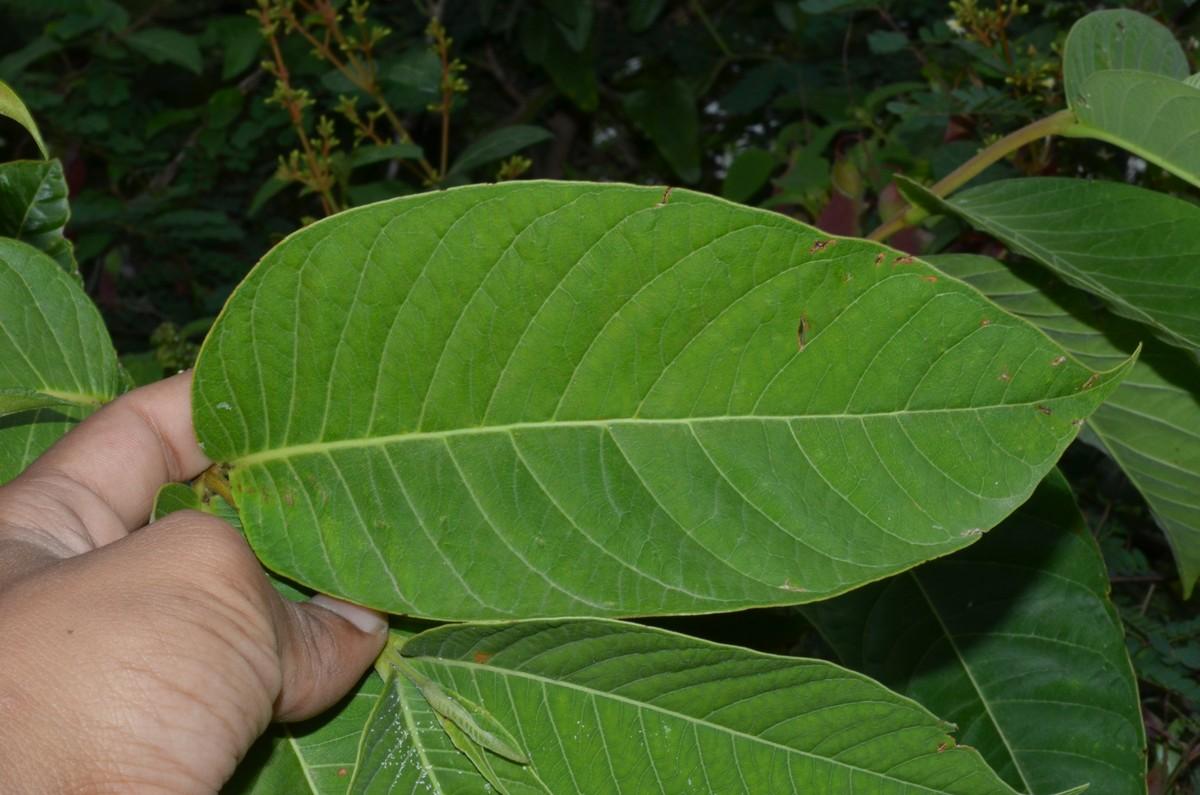
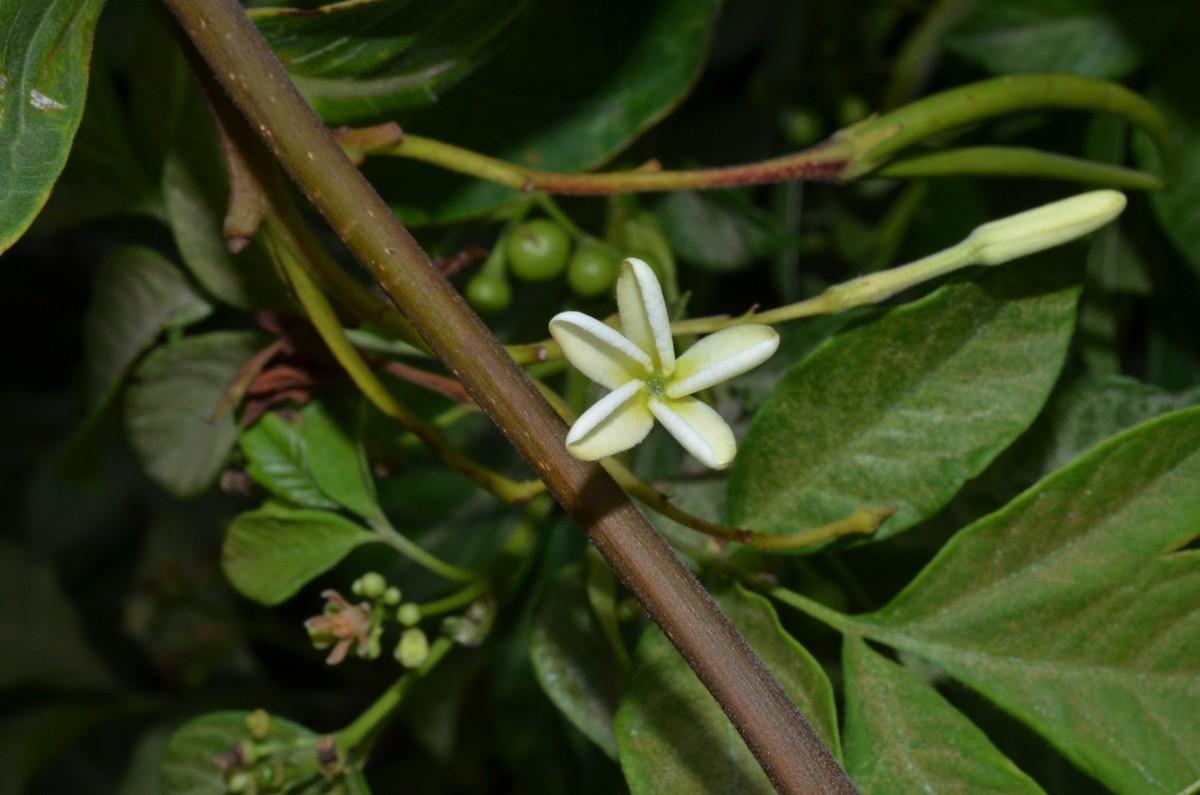
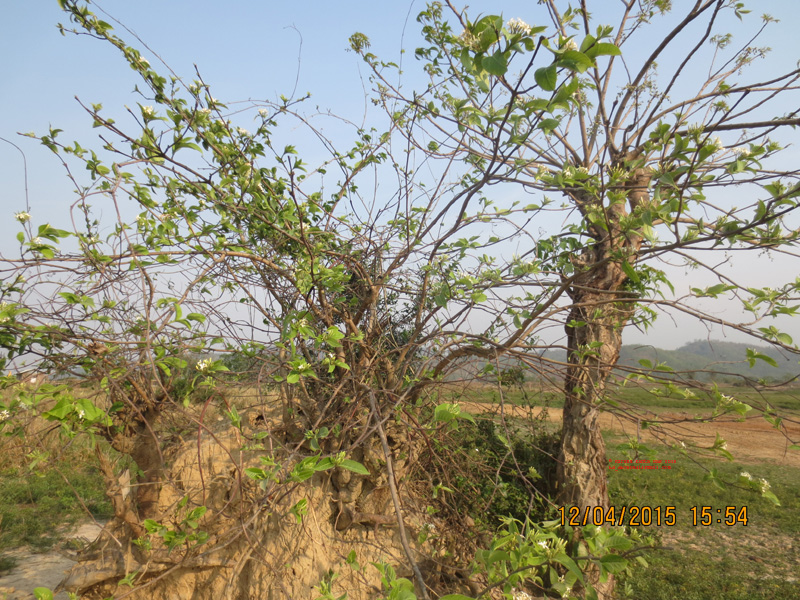
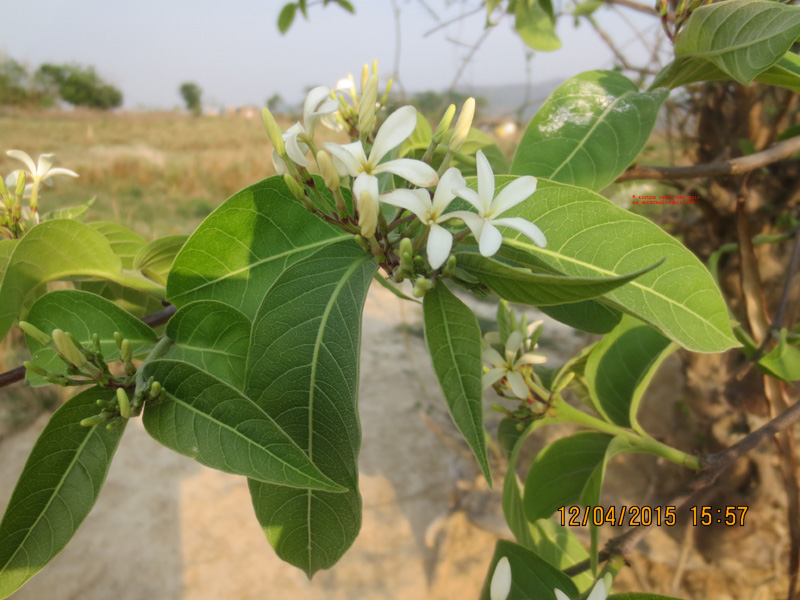
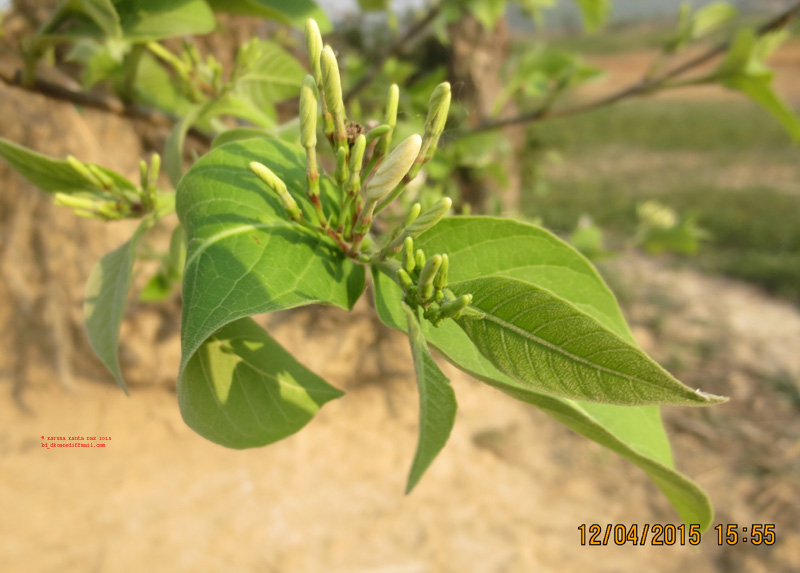
Holarrhena pubescens Wall from Assam KD 10 April 2015 : 1 post by 1 author. Attachments (4)
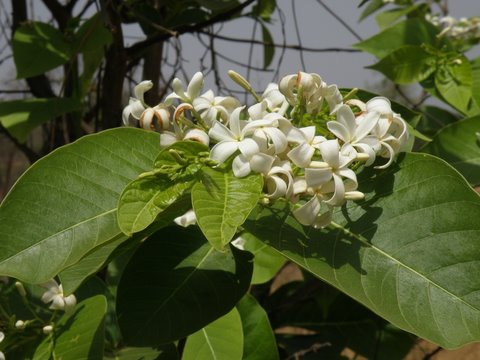
Attached images may be Holarrhena pubescens Wall. Please validate.
Date :12.04.2015
Location: Assam
Family :Apocynaceae
Genus & species : Holarrhena pubescens Wall
Habitat: Grows wild on open space
Habit :Small tree
Small Tree For ID : White Flowers : Borgad Conservation Reserve : Nasik : 03AUG15 : AK-5 : 05/05 : 5 posts by 4 authors. Attachments (4)
Holarrhena pubescens?
Friends, kindly validate. Affirmative. Please check these links : both your sts of pictures are detailesd and instructive, thanks
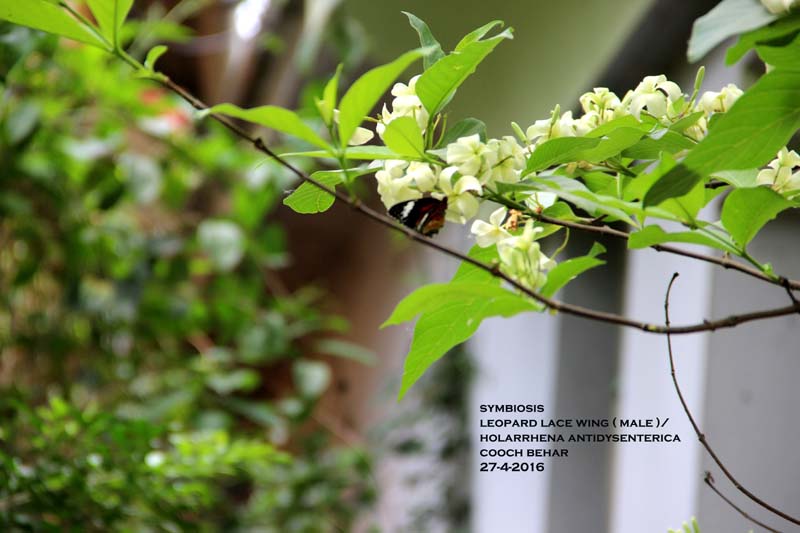
SYMBIOSIS: 825 : 5 posts by 5 authors. Attachments (1)
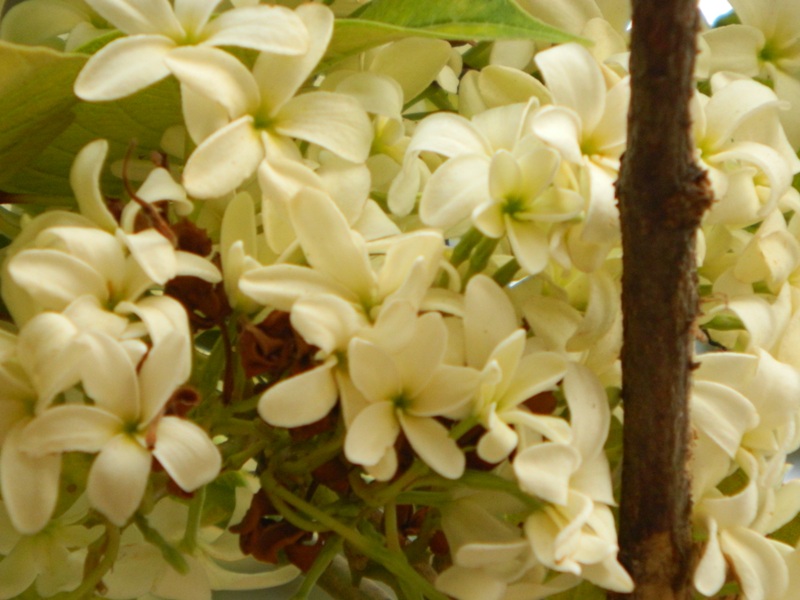
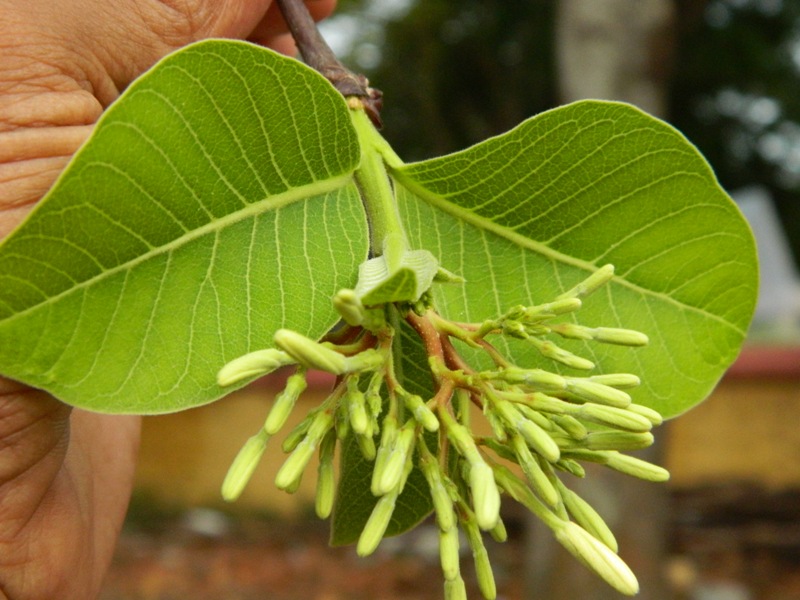
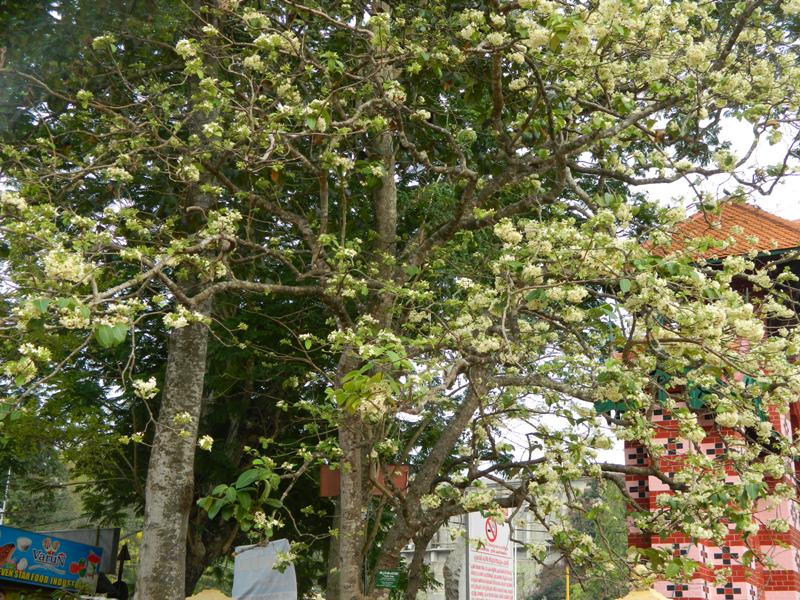
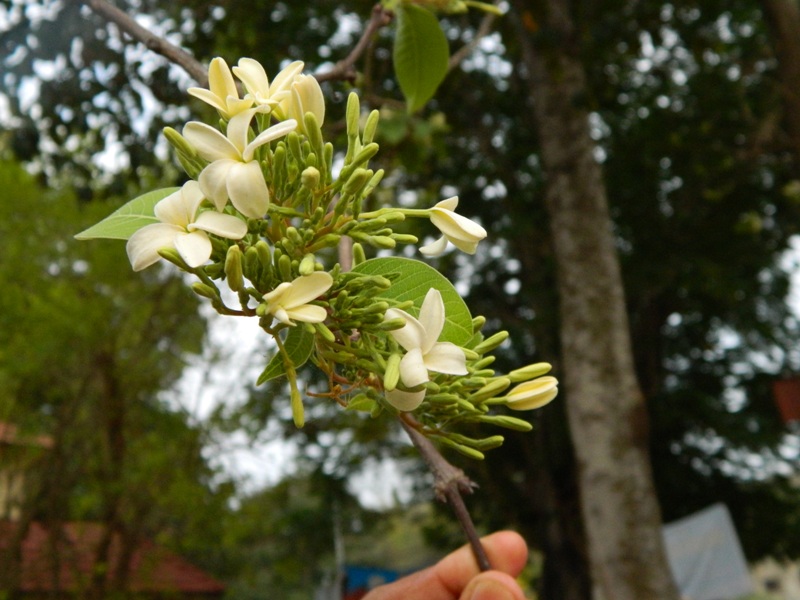
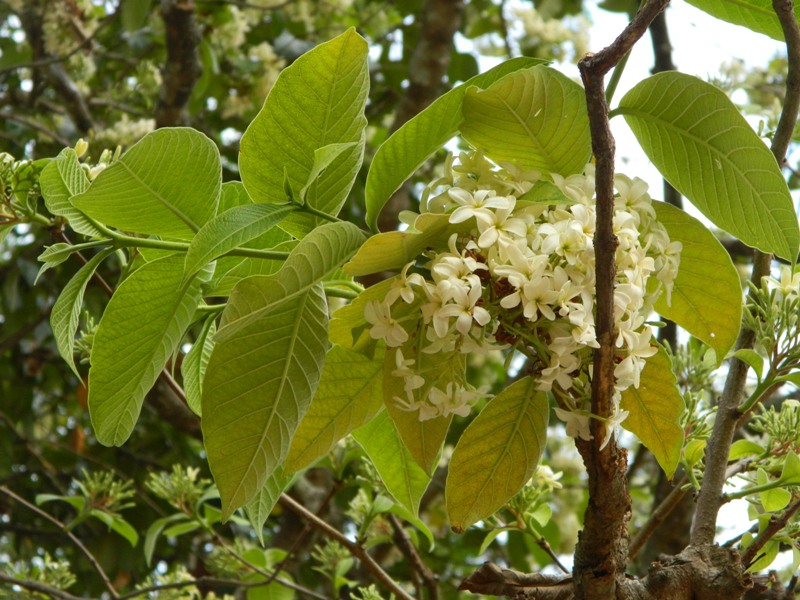
A few pictures of Holarrhena pubescens. Family Apocynaceae.
Known as Kudagappala (കുടകപ്പാല) in Malayalam.
Photographed from the compound of Napier Museum, Trivandrum city, April 2012. Thanks, …, for wonderful & complete set. Thanks … for the pics of H. pubescens. I haven’t seen this tree grow so big. Around Mumbai we see this growing into shrubs 2 – 3 m tall.
ID request 140516SG : 4 posts by 3 authors. Attachments (4)
Requesting ID of this plant, about 3-4’ high. Photo taken on 14 May16 at Tembhurni, Maharashtra. This is Safed Kuda [Holarrhena pubescens]. Some of my photographs of this are available at this link Yes Holarrhena pubescens
Holarrhena pubescens—-for sharing : 4 posts by 4 authors. Attachments (3)
Photos taken at Aambyvalley Rd., Lonavala, Pune in May15.
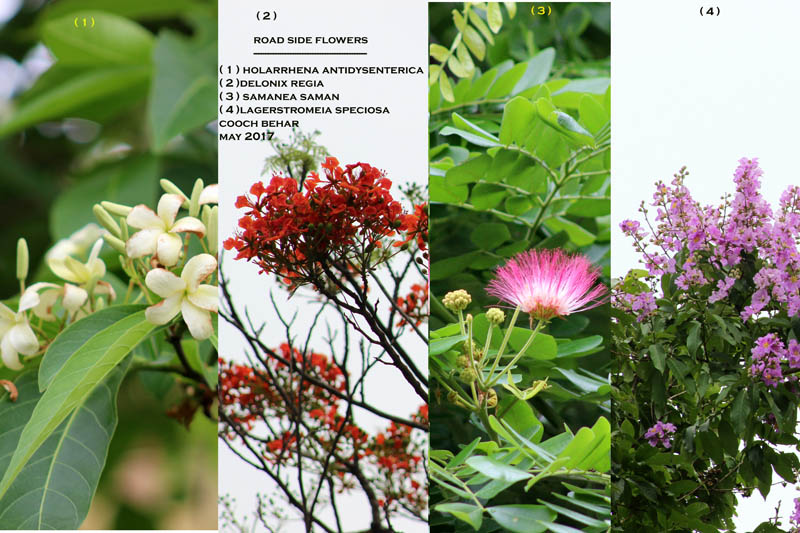
Fwd: ROAD SIDE FLOWERS : 1 post by 1 author. Attachments (1)
Attaching a collage of some road side flowers blooming at this time of the year at Cooch Behar. 1. Holarrhena antidysenterica (KURCHI)
2. Delonix regia (GULMOHAR)
3. Samanea saman (RAIN TREE)
4. Lagerstroemia speciosa (JARUL)
Found in Jawadhu hills of Eastern ghats.
The flowers had a good smell.
Small tree.
Holarrhena pubescens I think…
It’s a tree from Bastar, Chhattisgarh. Photograph is taken this month (May’18).
Pl. check 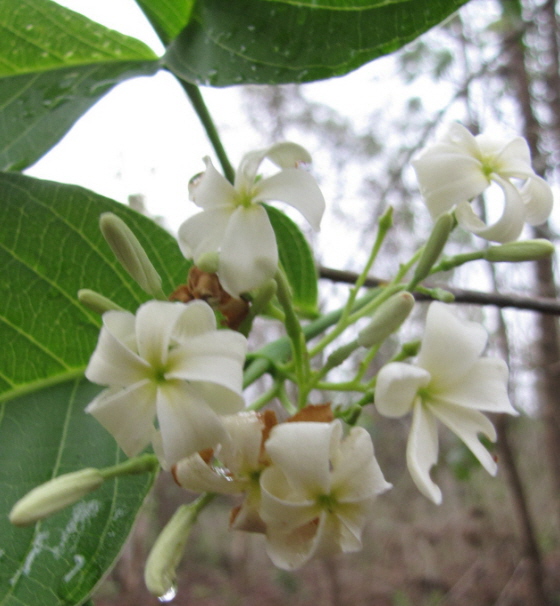 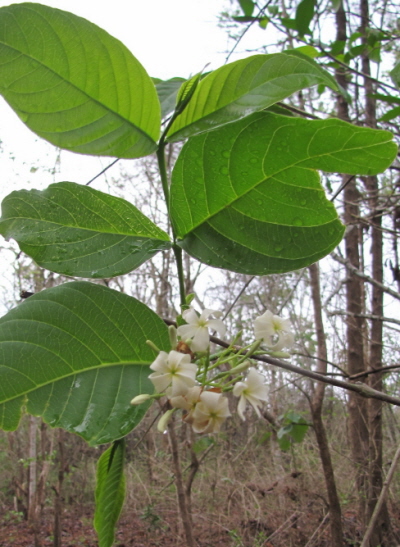 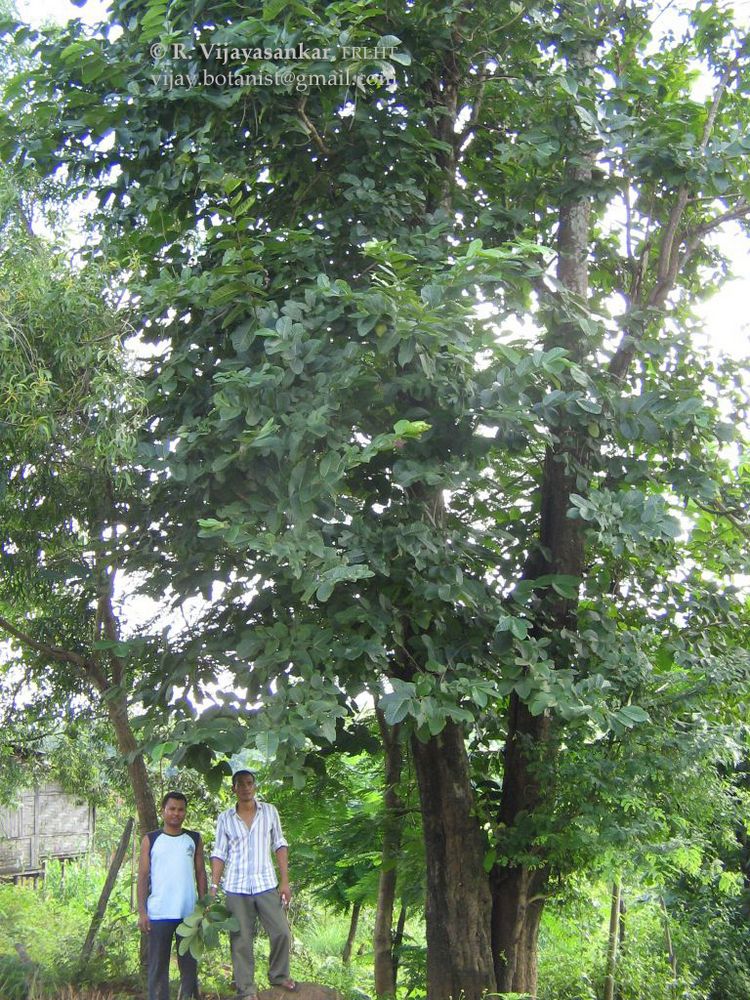 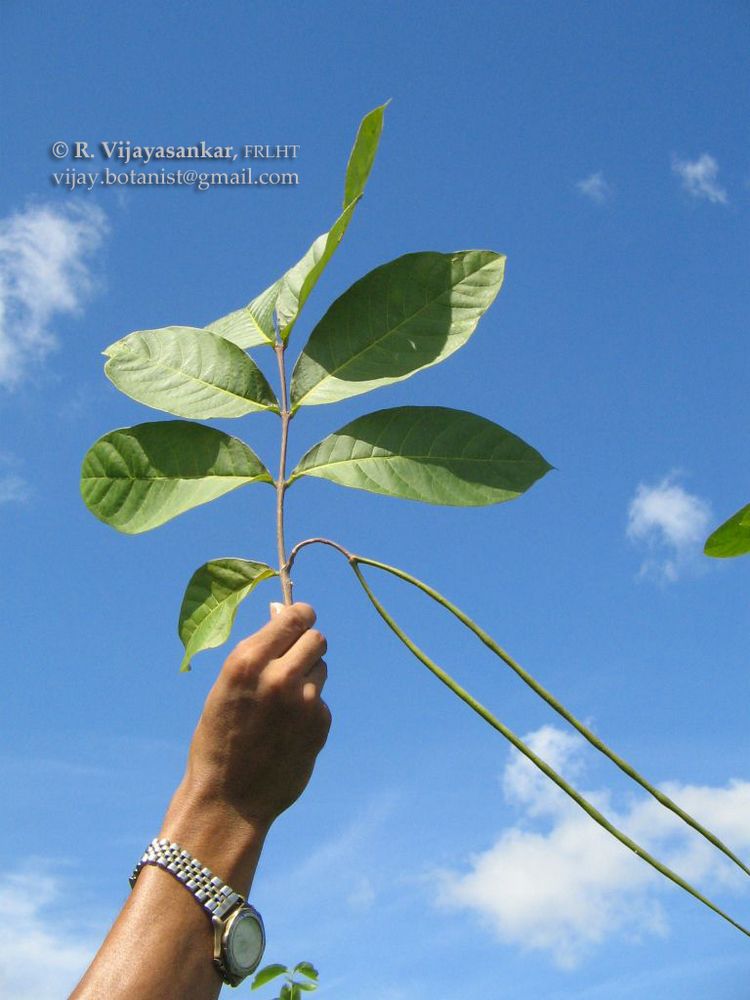 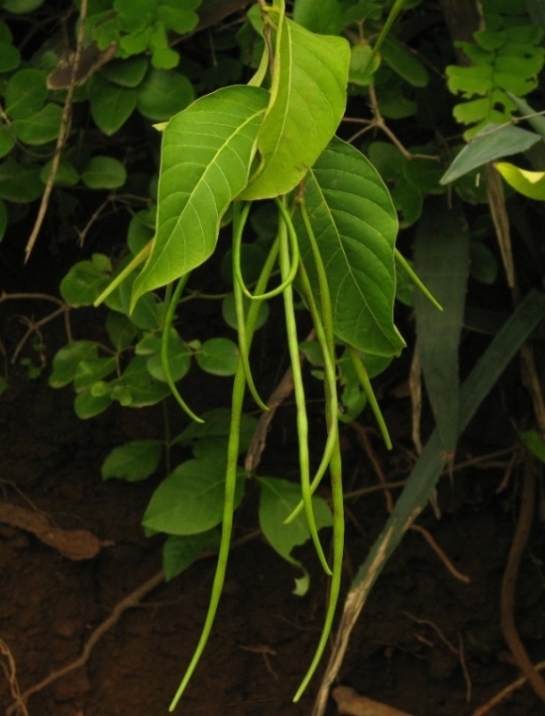 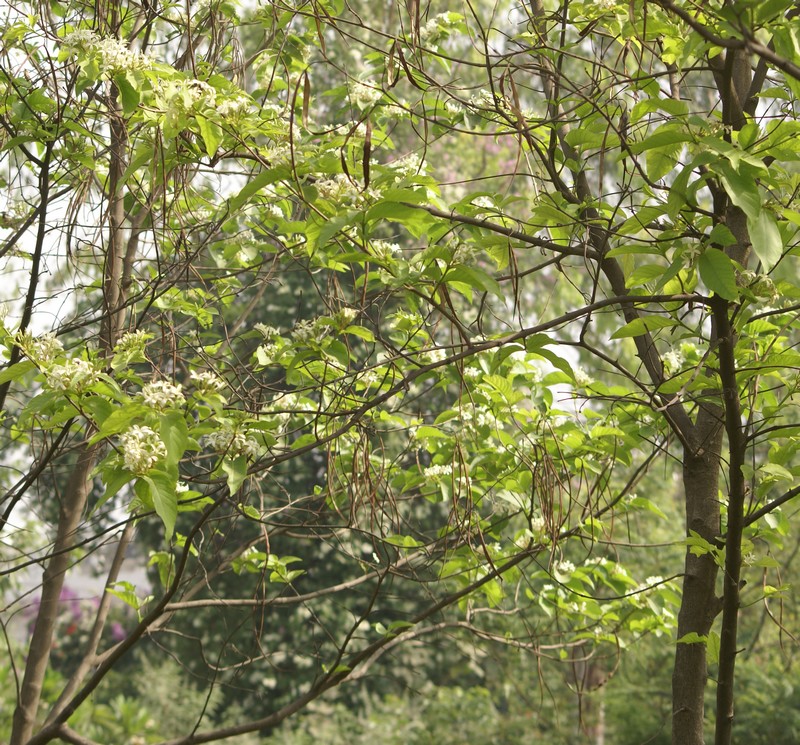 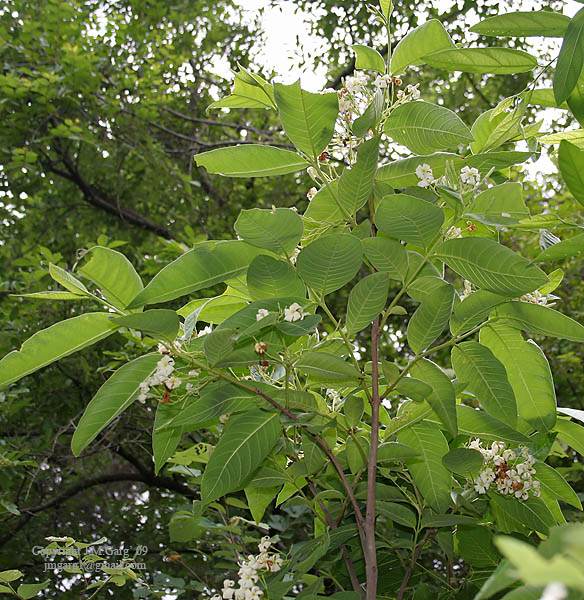 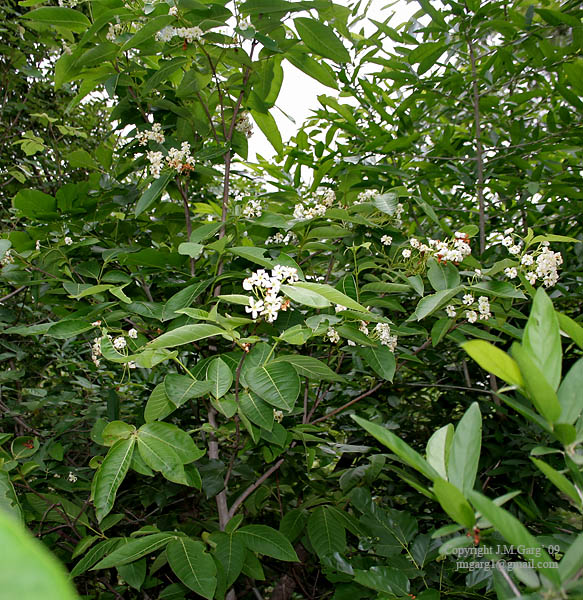 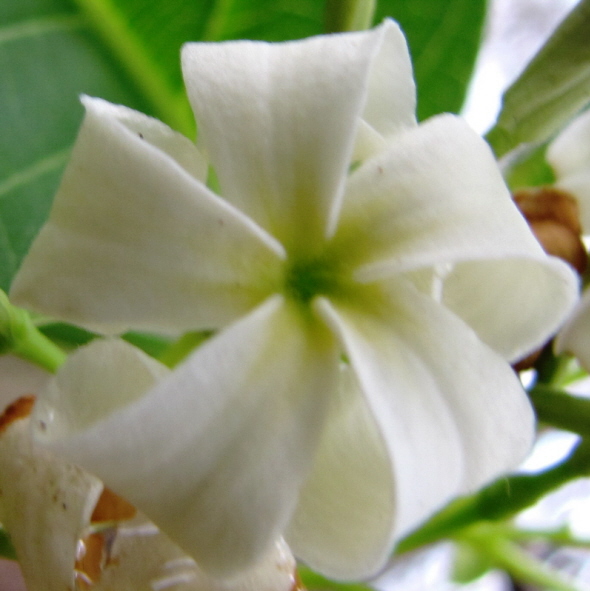  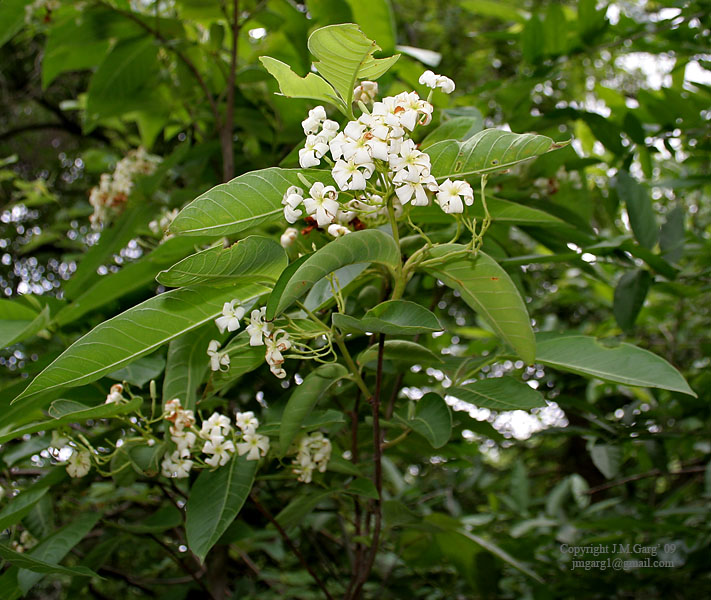 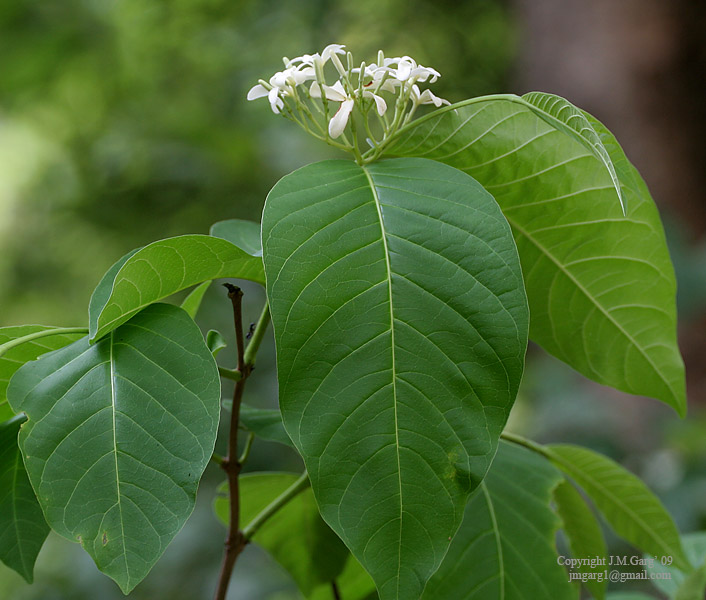 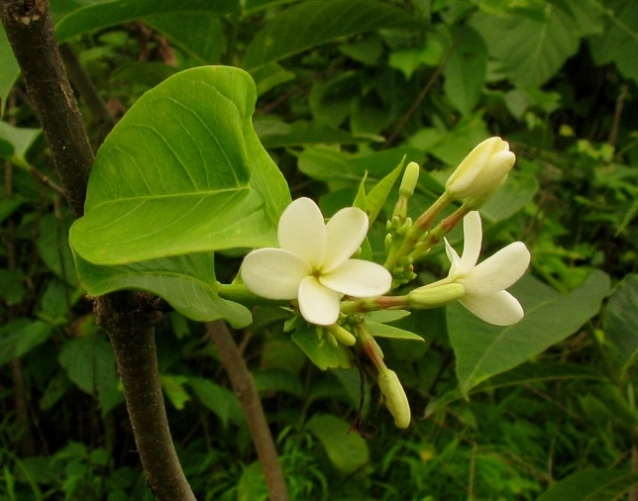 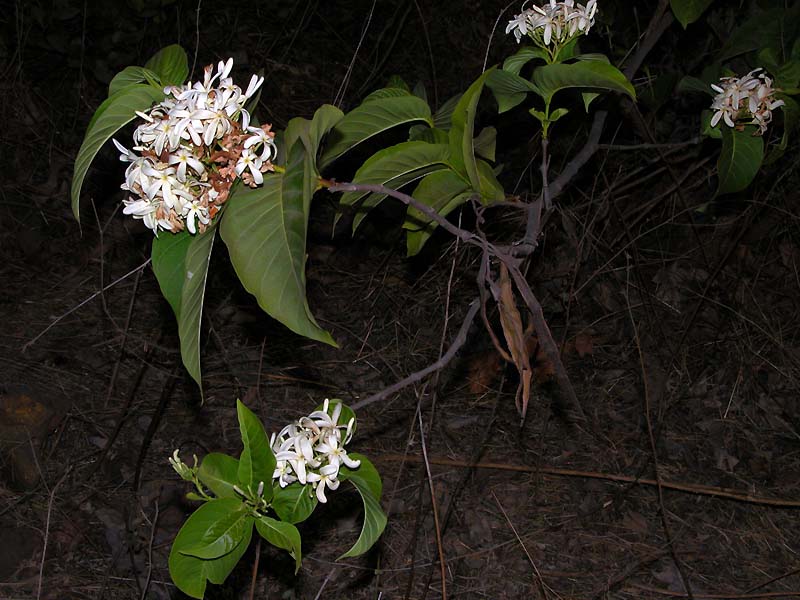 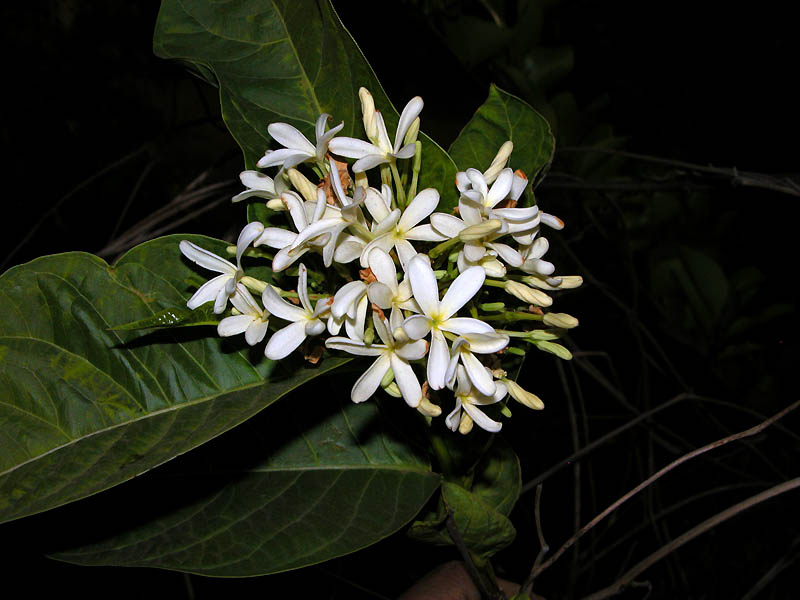 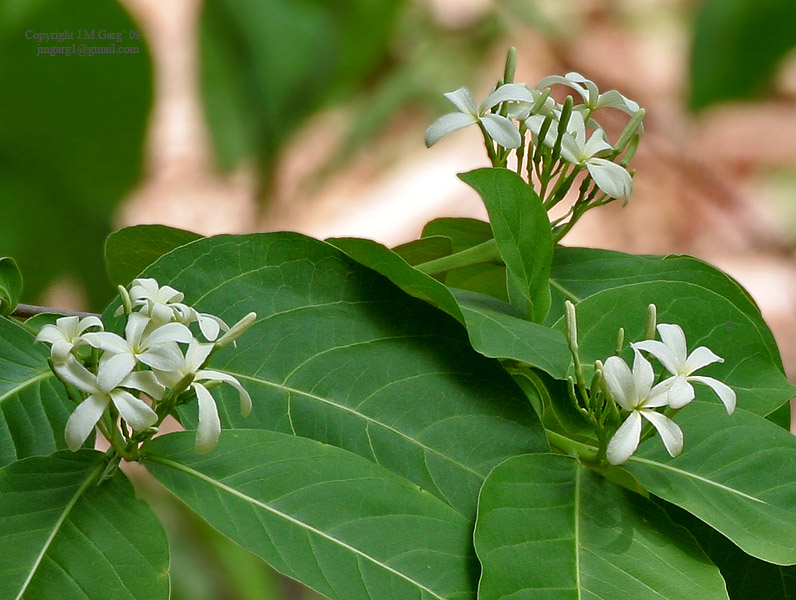 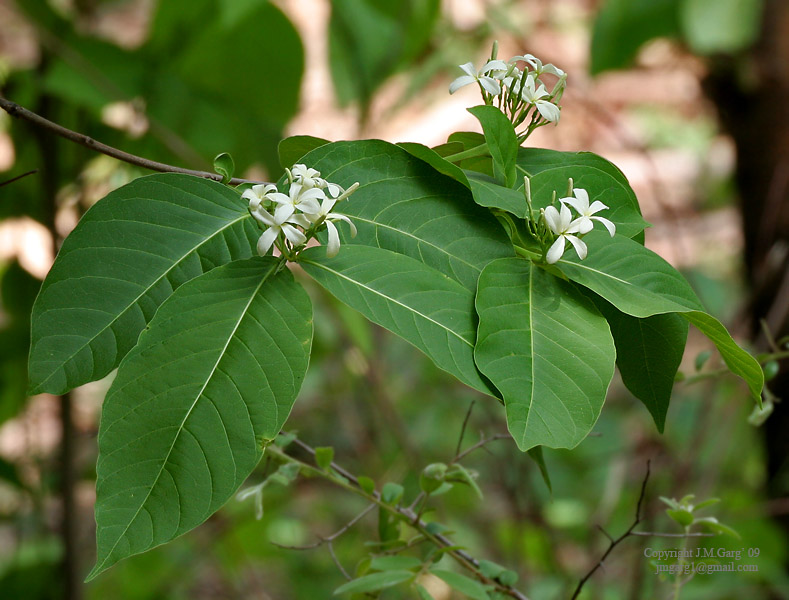 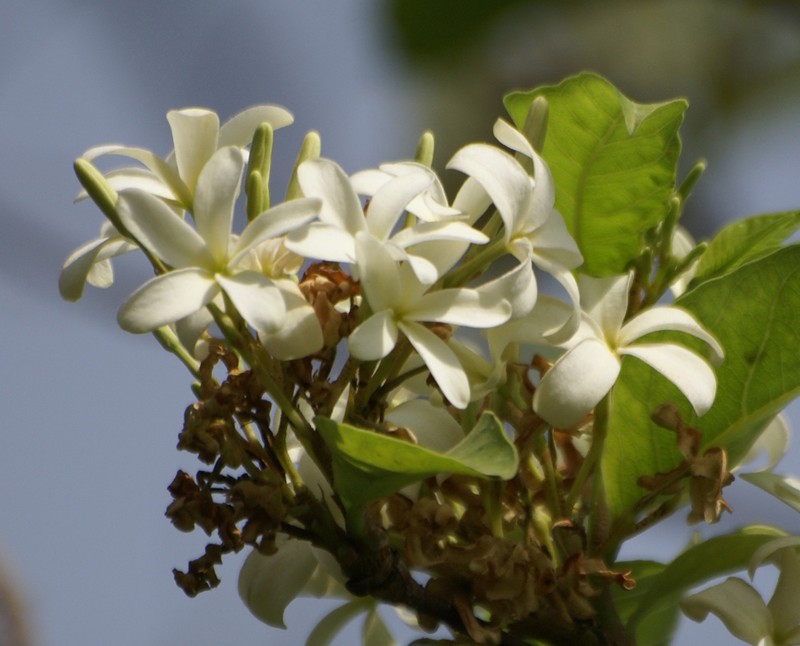 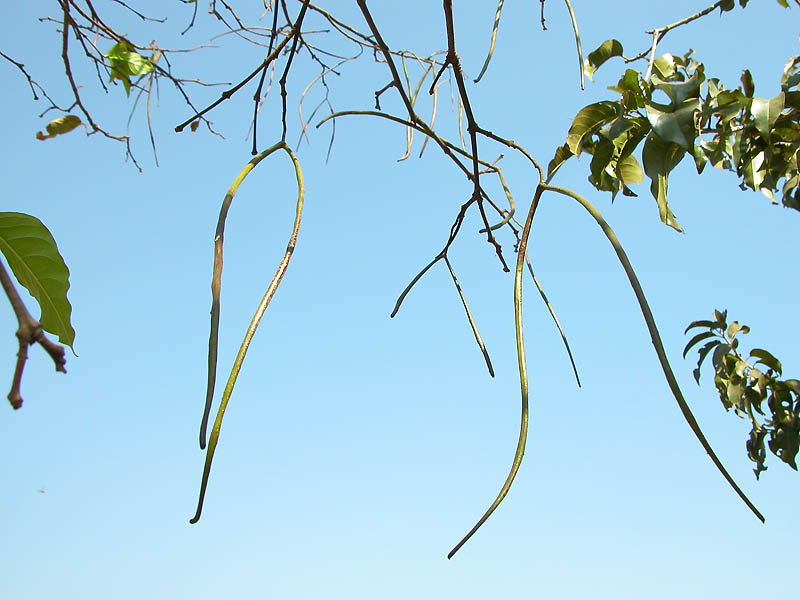 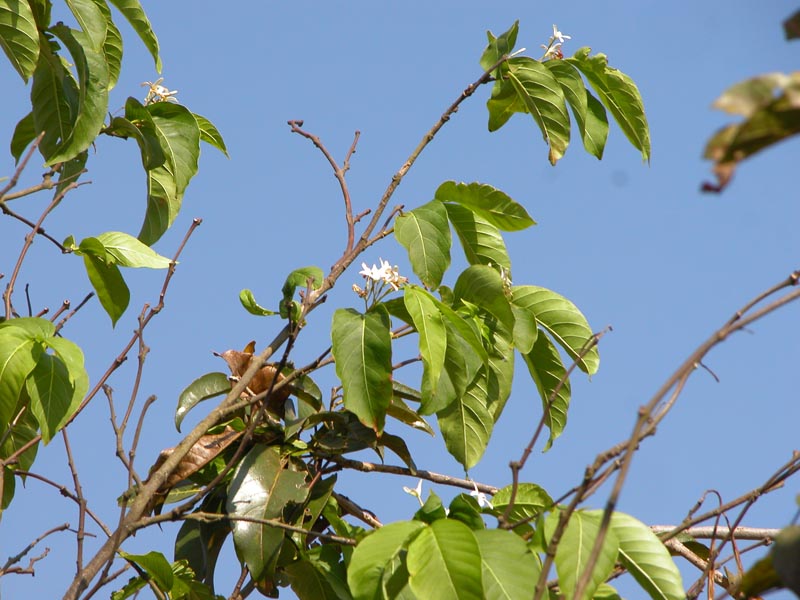 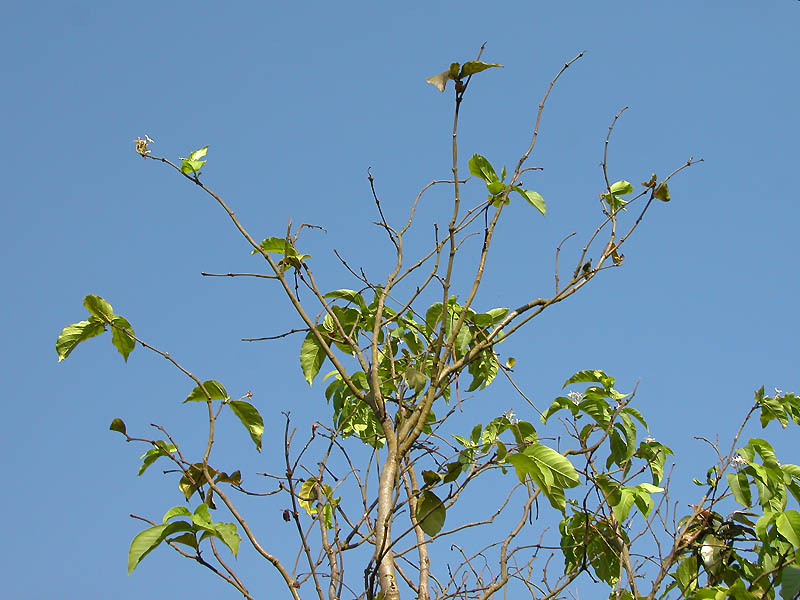 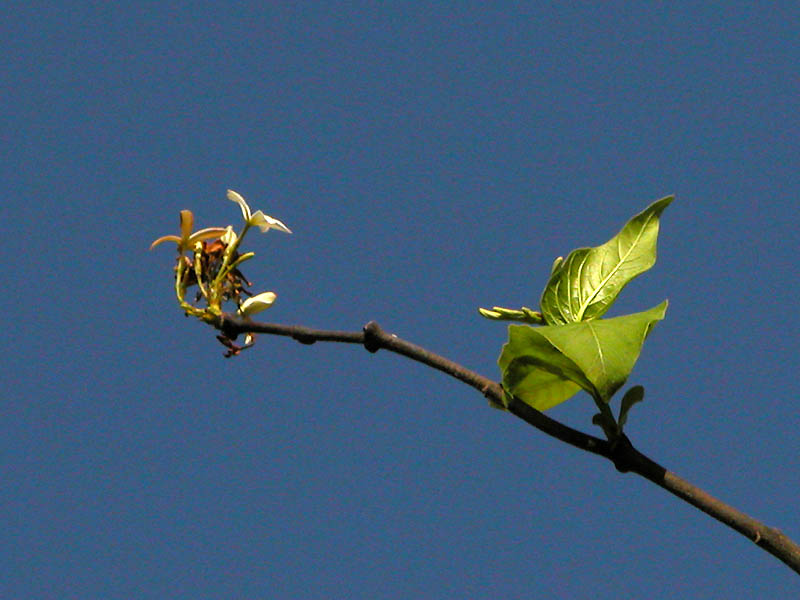 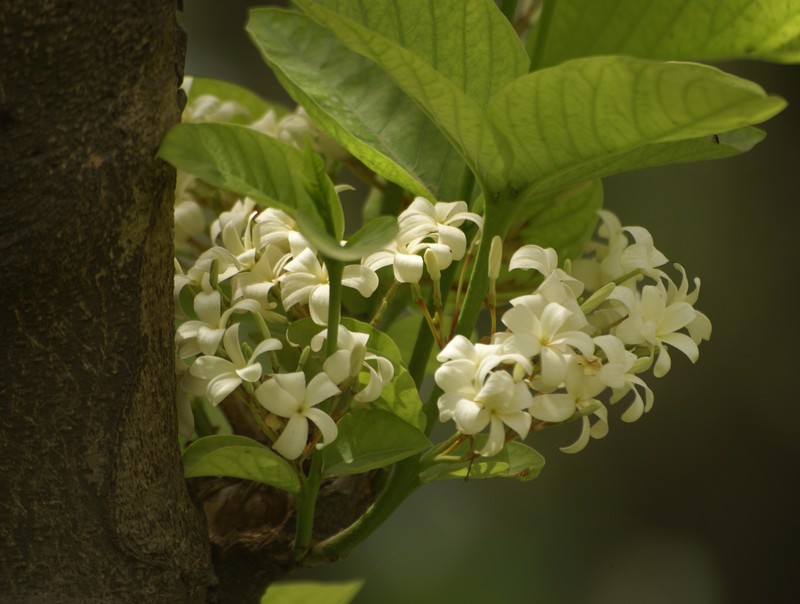 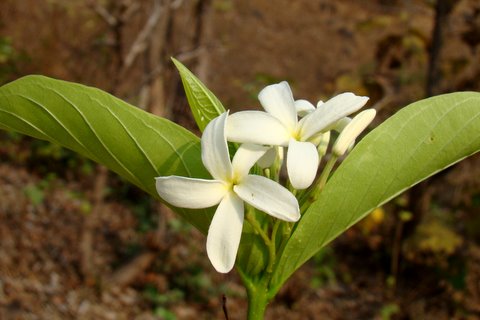 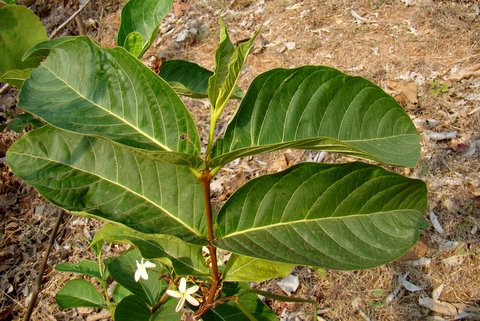 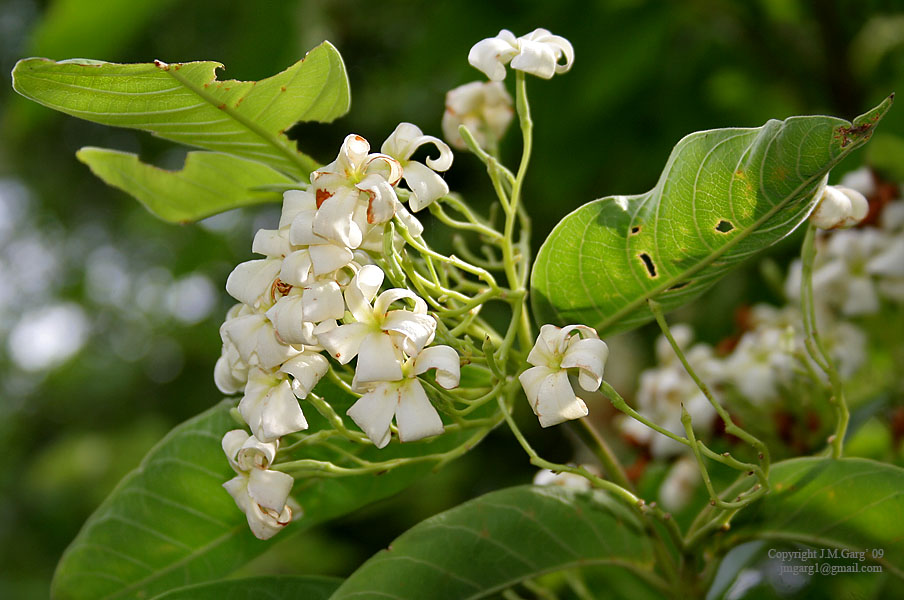 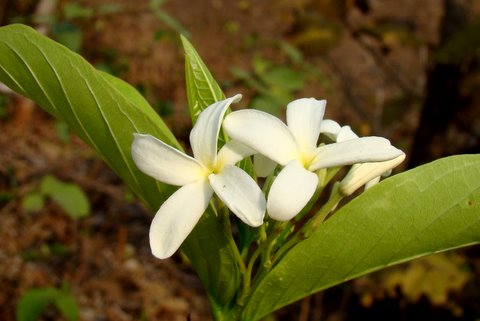
Holarrhena antidysenterica from Delhi – efloraofindia | Google Groups
23032011pj2 id request:
Date/Time-: 22/03/11 – 08:20 Location- Place, Altitude – Kaiga , Uttar Kannada ,Karnataka, 380 mtrs – Nice picture of Holarrhena pubescens. Called as ‘Kudasappaalai’ in Tamil. A popular medicinal plant, traditionally used for stomach troubles etc. – Yes it is indeed
07/04/2011/YRP/02/Chethalayam, Wayanad.: – It is the Easter Tree [Holarrhena pubescens] locally called Safed Kuda.
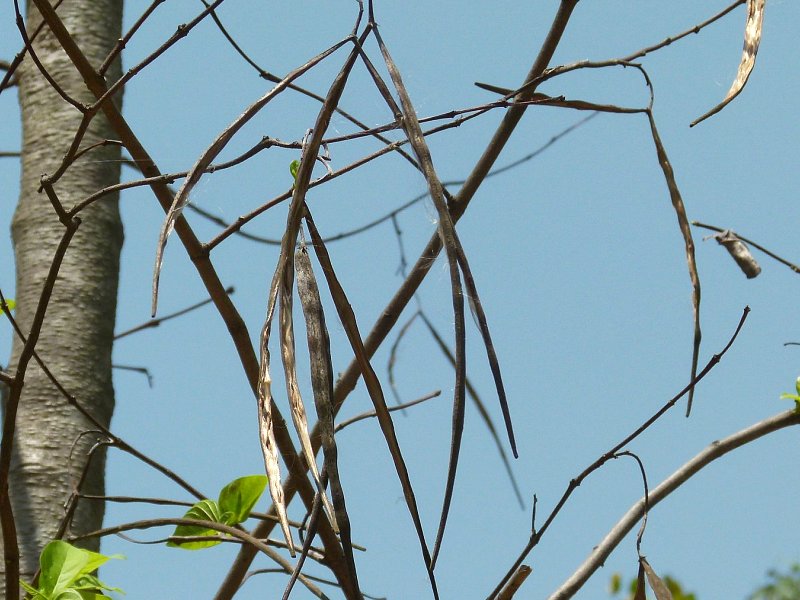
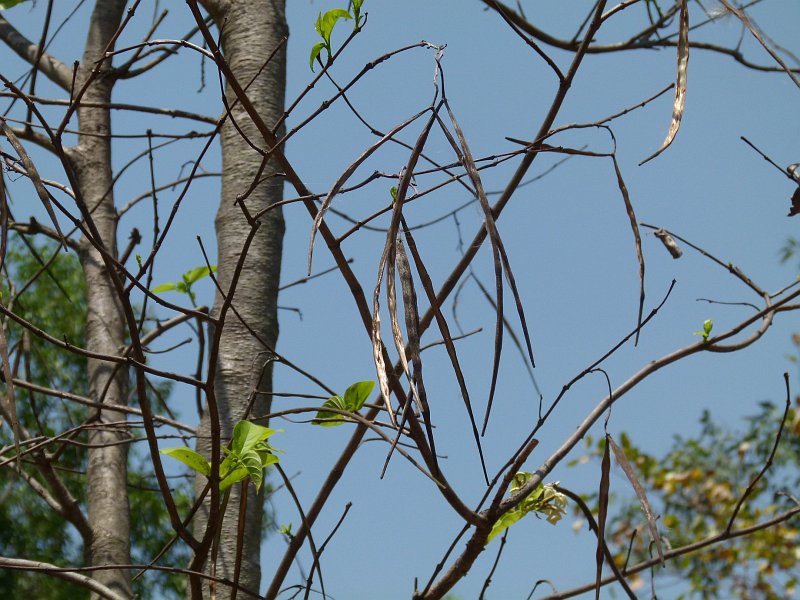
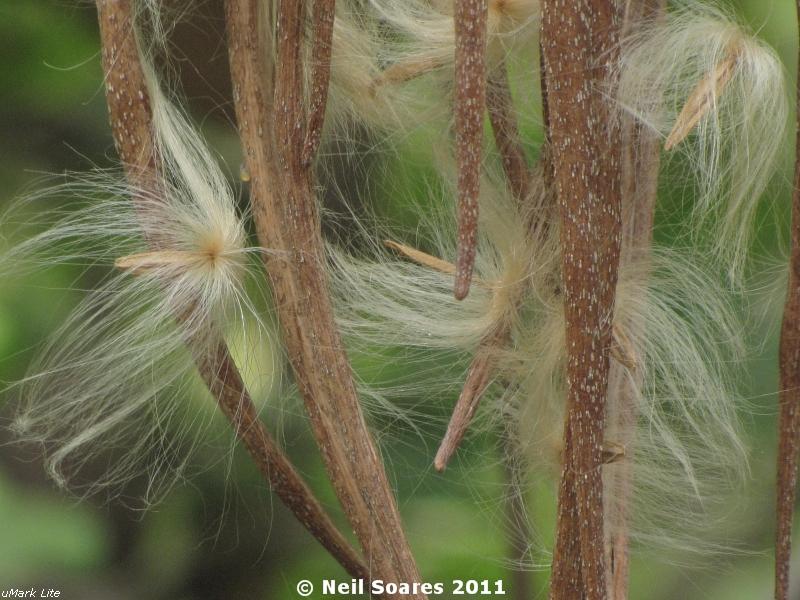
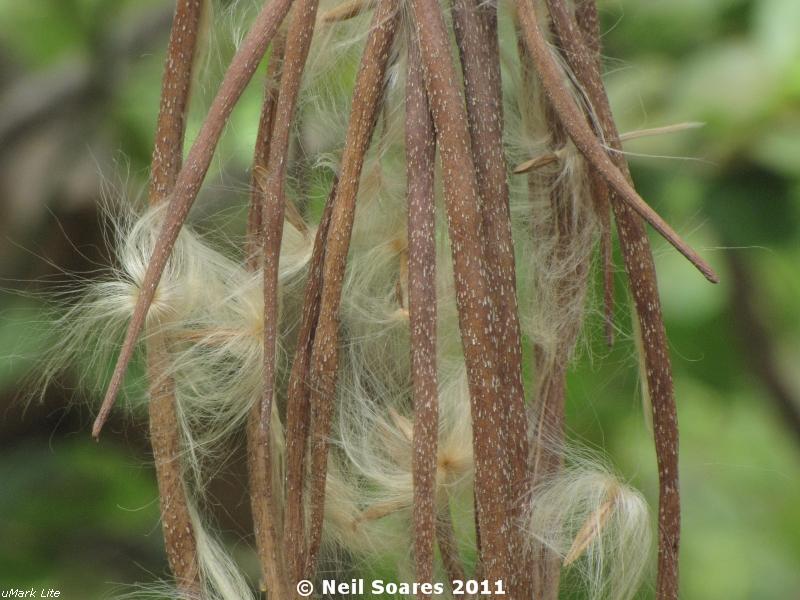
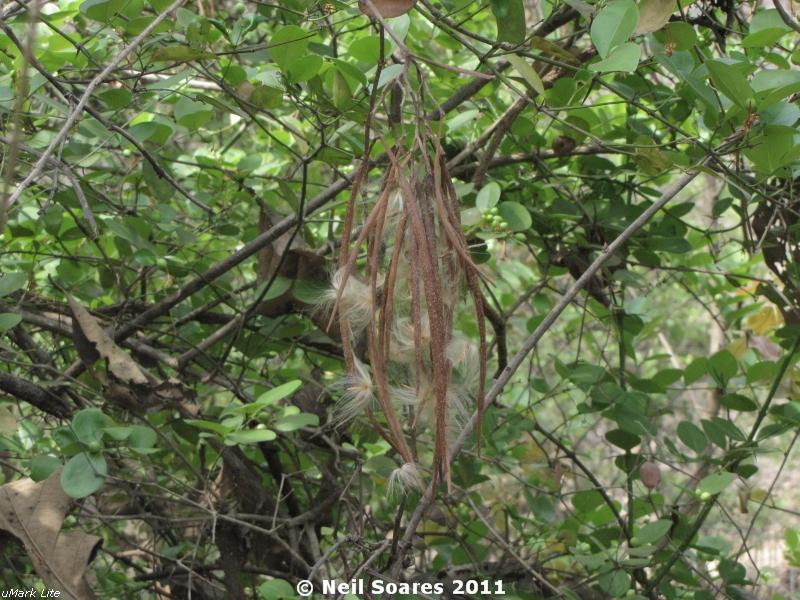
Holarrhena pubescens – seed dispersal:
identification no040611sn1: This is Safed Kuda [Holarrhena pubescens]. Holarrhena pubescens Syn. Holarrhena antidysenterica.
Plant for id – Apocynaceae: Yes it is Holarrhena antidysenterica (now correct name is H. pubescens)
Holarrhen pubescens:
Holarrhen pubescens or kala kuda I think you missed the “a” in Holarrhena Besides you & Dr.Almeida, most of us in this group refer to Holarrhena pubescens as ‘Safed’ Kuda. Even i refer Holarrhena as Kala Kuda,,, in none of the villages of maharashtra i heared name pandhra kuda for Holarrhena wherever i have moved, except some NGO groups..
Holarrhena pubescens Wall. ex G.Don ?? : 6 posts by 2 authors. Attachments (7)- around 400 kb each.
Location: Sevok, WB, India
Date: 18 May 2018
Altitude: 700 ft.
Habit : Wild
To me also appear close to images at Holarrhena pubescens Thank you …! Nepali Names : बन खिर्रो Ban Khirro / मधिसे खिर्रो Madhire Khirro / इन्द्रजौ Indrajau / करिङ्गि Kiringgi / कुर्ची Kurchee
. Holarrhena pubescens: 17 images. Please ID wild plant,
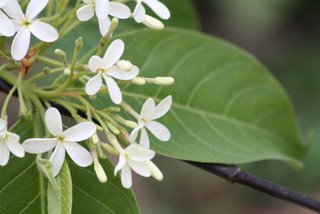
Location: near Reserve Forest, Chathamattom, Ernakulam District, (Kochi) Kerala PIN:686671 Flower date: 21.04.2021, 01.05pm Altitude: 1400fsl Habitat: wild moisture Plant habit: small tree, latex, erect, branches, woody stem, long lasting Height: 04 meters Leaves: opposite, oval, oblong, apex Flower: size diameter:03cm, white, non fragrant Fruit: rounded, lengthy beans, green Camera: mobile LG K10 2017 13mp Holarrhena pubescens (Buch.-Ham.) Wall. ex G. Don . Holarrhena pubescens (Buch.-Ham.) Wall. ex G. Don: 4 high res. images. Location: Tallo Durgeswor, Dailekh, Nepal
Altitude: 900m.
Date: 29 May 2022
Habit : Wild . MS/2023/115 – ID of the plant: 2 images. Yes ! Yes, appears close to images at . Holarrhena pubescens Wallich ex G. Don: 9 high res. images. Location: Himalayan Fresh Coffee, Naubise, Dhading, Nepal
Date: 29 May 2023
Elevation: 255 m.
Habit : Wild For me your Id is correct. I also posted the pictures of this species some time back ! . Holarrhena pubescens Wall. ex G.Don :: Thane, Maharashtra :: Apr 20, 2008 · JUN23 DV511: 5 images. Holarrhena pubescens Wall. ex G.Don
Thane, Maharashtra :: Apr 20, 2008 · 12:54 PM IST :: about 11 m (36 ft) asl
Many thanks to Aditya Gadkari and Bharat Godambe for validating the ID at iNaturalist . Holarrhena pubescens (Buch.-Ham.) Wall. ex G.Don: 5 high res. images. Location: Chhedagad, Jajarkot Road, West Nepal
Date: 30 May 2023
Elevation 800m.
Habit : Wild Please validate / help with Nepali names of the posted plant – Holarrhena pubescens Wall. ex G.Don
बन खिर्रो Ban Khirro, मधिसे खिर्रो Madhisae Khirro
Reference: Annotated Checklist of the Flowering Plants of Nepal Correct Nepali Names : बन खिर्रो ban khirro / मदिसे खिर्रो madise khirro / इन्द्रजौ indrajau
. Names of Plants in India :: Holarrhena pubescens Wall. ex G.Don: 1 image. Holarrhena pubescens Wall. ex G.Don
ho-lar-REN-uh — Greek: holos (whole, entire); arrhen (male); all anthers are fertile … Dave’s Botanary
pew-BES-senz or pub-ess-ens — downy, short haired … Dave’s Botanary. commonly known as: bitter oleander, conessi bark, Easter tree, ivory tree, kurchi bark, Tellicherry tree • Arabic: اندرجو تلخ / إندر جاو تلخ inderjao talkh, لسان العصافير المرّ lasanul-aasafirul-murr • Assamese: দুধখুৰী dudkhuri, ধুতখুৰী dhutkhuri • Bengali: ইন্দ্রযব indrajab, কুড়চি kurchi, কুটজ kutaja • Bhojpuri: दुधकोरिया dudhkoria • Bodo: doukhri • Dogri: इंद्र जौ indra jau, कोगढ़ kogad • Garo: bol-matra, bolmigmu, mat-mande • Gujarati: ધોવડા કુડા dhowda kuda, ઈંદ્રજવ indrajav, કડો kado, કારીખડો kaarikhado • Hajong: dudkurchi • Haryanvi: दुधी dudhi, कुर्ची kurchi • Hindi: दूधी dudhi, इंद्रजव indrajav, कुर्ची kurchi, कुटज kutaj, क्वेरा kwera • Jharua: দুধখুৰী dudkhuri • Kachari: khiloshi-jalla-phang, kholoshiphang-jola • Kachchhi: કડવો ઈંદ્રજવ kadvo indrajav • Kannada: ಕೊಡಸಿಗೆ kodasige, ಕೊಡುಮುರುಕು ಗಿಡ kodumuruku gida, ಕೊರಸಿಗ korasiga, ಕುಡ್ಸಾಲು kudsaalu • Karbi: bengol-arong, bengoy-the-arong, bing-wai-pi-arong, theng-lokso • Kashmiri: अन्दुसुरुन् andusurun • Khasi: dieng-jameu, dieng-lakhiet-dkhar, dieng-pang-knai, dieng-pankanaisynrang • Kokborok: kuchimavompang • Kol: गोतेक gotek, हात hat, कुआर kuar, तुआर tuar • Konkani: धवो कुडो dhavo kudo, कुडो kudo • Kuki: leng-wom-theng • Kumaoni: कुड़ा kura • Kurukh: कोरकोरिया korkoria • Lepcha: ᰑᰈᰬᰛᰧᰎ fajeerip • Magadhi: दुधकोरिया dudhkoria • Maithili: दुधियारी dudhiari • Mal Pahariya: कुरदू kurdu • Malayalam: കുടകപ്പാല kudakappaala • Mandeali: केओर keor, कुर्ची kurchi • Manipuri: ꯀꯨꯔꯆꯤ কুরচি kurchi • Marathi: इंद्रजव indrajav, कुटज kutaja, पांढरा कुडा pandhra kuda • Mizo: thlengpa • Nagpuri: कोरैया koraiya • Nepali: बन खिर्रो ban khirro, इन्द्रजौ indrajau, मदिसे खिर्रो madise khirro • Odia: ଭଦ୍ର ଯବ bhadra jaba, କଲବିଙ୍କ kalabinka, କେରୁଆ kerua, କୁର୍ଚ୍ଚି kurchi, କୁରେଇ kurei, ମୁଣ୍ଡିଆ କୋରୁଆଁ mundia koruan, ପାଣ୍ଡୁର ଦ୍ରୁମ pandura druma, ପୀତ କାବେର pita kabera, ଶକ୍ର ପୁଷ୍ପ shakra pushpa • Pahari: दूधी dudhi, इंद्रजौ indrajau, करची karchi, कर्रा karra, केओर keor, कोरा kora, कुआर कुरेया kuar kureya, कुची kuchi, कुड़ा kura, कुरसी kursi • Persian: اندرجو تلخ indar-jave-talkh, تخم احار تلخ tukhme-ahare-talkh, زبان گنجشک تلخ zabane-kunjashke-talkh • Punjabi: ਕੇਵਰ kewar, ਤਿਵਾਜ tiwaj • Rabha: dudkurchi • Rajasthani: दुधी कड़वाला dudhi karvala • Sanskrit: अम्बिका ambika, भद्रज bhadraja, भद्रयव bhadrayava, गिरिमल्लिका girimallika, इन्द्रयव indrayava, काही kahi, कलिङ्ग kalinga, कौट kauta, कोहिन् kohin, कूटज kutaja, महागन्ध mahagandha, पाण्डुरद्रुम panduradruma, प्रावृष्य pravrshya, सङ्ग्राहिन् sangrahin, शक्र shakra, शक्राह्य shakrahya, शक्रपर्याय shakraparyaya, शनपर्णी shanaparni, वरतिक्त varatikta, वत्साह्वय vatsahvaya, वत्सक vatsaka, वृन्तिता vrntita, यवफल yavaphala • Santali: ᱦᱟᱴ hat • Tamil: அருளரசி arularaci, இந்திரபம் intirapam, இந்திரியவம் intiri-yavam, கசப்புவெட்பாலை kacappu-vetpalai, கலிங்கம் kalinkam, கவுபதம் kavupatam, கிரிமல்லிகை kirimallikai, குடசப்பாலை kutaca-p-palai, குடப்பாலை kutappalai, பலம் palam, பூதகேசரி putakecari, வத்தகம் vattakam, வற்சம் vaṟcam, வேப்பாலை veppalai • Telugu: చేదుకొడిసె chedukodise, గిరిమల్లిక girimallike, ఇంద్రవృక్షము indravrakshamu, కళింగము kalingamu, కొడిసెపాల kodisepala, కొడిసెవిత్తులు kodisevittulu, కోలముక్కి చెక్క kola-mukki-chekka, కుటజము kutajamu, మనుపాల manu-pala • Tibetan: དུག་མོ་ཉུང tug-mo-nyung • Tulu: ಕೊಡಗಾಸನ kodagasana, ಕೊಡೆಂಚಿ kodenchi • Urdu: کٿج kutaj known for / parts made use of: stem bark, root bark, seeds and minor use of leaves and flowers … compiled from the web botanical names: Holarrhena pubescens Wall. ex G.Don … heterotypic synonyms: Echites antidysentericus Roth • Holarrhena antidysenterica (G.Don) Wall. ex A.DC. … and more at POWO, retrieved September 09, 2026 Bibliography / etymology / notes
Links listed as references in the notes below, may not remain valid permanently. Portals / websites have a tendency to re-organize / revise their content, leading to change in URLs of pages in their site. Some sites may even close down at their own will. The bits about the languages of India mentioned below are merely some bare facts gathered from the internet; just enough to satisfy curiosity about “where” could the listed names be best prevalent in India. All English transliterated names to be taken sensu amplo. ~~~~~ ENGLISH ~~~~~
written and spoken widely, in most parts of India
bitter oleander
conessi bark
CONESSI — AN EXCLUSIVE EXONYM (A NAME USED ONLY BY OUTSIDERS) The term “Conessi” — most widely recognized in historical pharmaceutical literature as “Conessi bark” — presents a fascinating case of linguistic evolution. While many modern digital databases and botanical indices casually catalog “Conessi” as a native Tamil or Malayalam name, the word itself does not exist in standard South Asian vernacular lexicons. Instead, it is a colonial “ghost word” — a European trade exonym born from centuries of phonetic distortion.
The word “Conessi” will not be found as an active entry in authoritative South Asian dictionaries. For instance, in the multi-volume University of Madras Tamil Lexicon, “Conessi bark” is utilized strictly within the English definitions to explain authentic native terms.
In Tamil tradition, local merchants, indigenous physicians (Siddhars and Vaidyas), and native trade publications never adopted the term “Conessi”. South Asian botanical systems already possessed a highly precise, descriptive vocabulary based on the tree’s physical traits. There was zero functional reason for them to adopt a foreign mispronunciation.
Instead, “Conessi” was strictly an administrative and export label. In the 16th and 17th centuries, Portuguese traders on the Malabar Coast documented the medicinal tree Holarrhena antidysenterica by phonetically recording its local Malayalam name, Kodagapala, as Codaga pala or Corte-de-pala. When British and French East India Company physicians later adopted the drug, generations of handwritten shipping manifests, mishearings, and anglicisation gradually corrupted Codaga into Cavessi, Conessie, and ultimately Conessi.
“Conessi” is thus an extreme linguistic distortion filtered through Portuguese, French, and British commercial records. When modern archival texts state that “Conessi is a Tamil name”, it is an indexing shortcut. The accurate relationship is inverse: “Conessi” was the Western export trade name for the drug.
While this historical trade name is no longer prevalent in the active, mainstream Indo-European commercial pharmaceutical market, it has not vanished entirely. It maintains an active presence today in global herbal trade nomenclature, historical pharmacopoeias, and niche global e-commerce platforms — keeping the legacy of this linguistic ghost word alive.
Easter tree (typographic variant: ester tree)
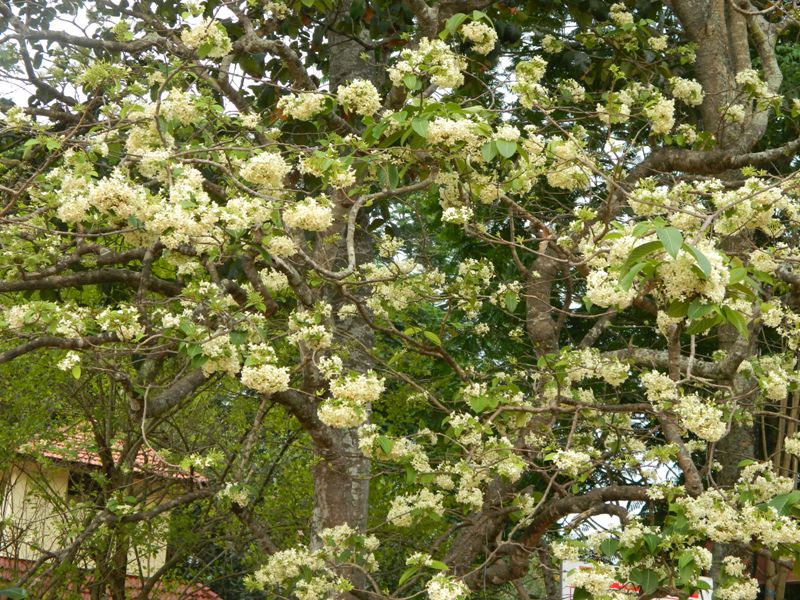
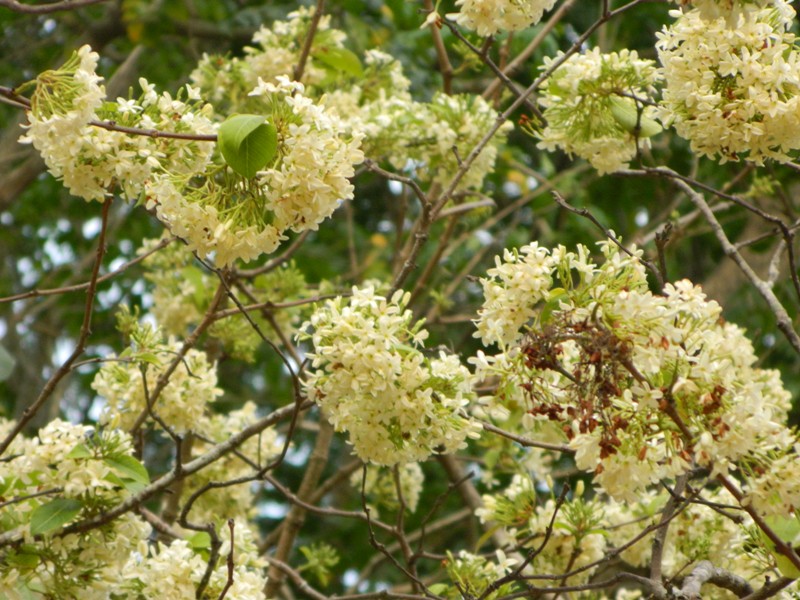
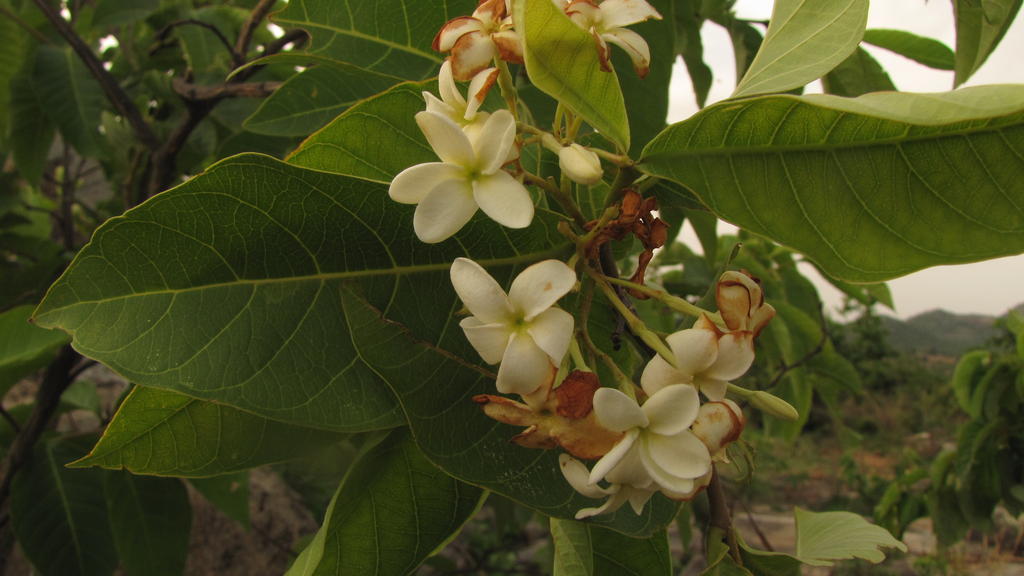
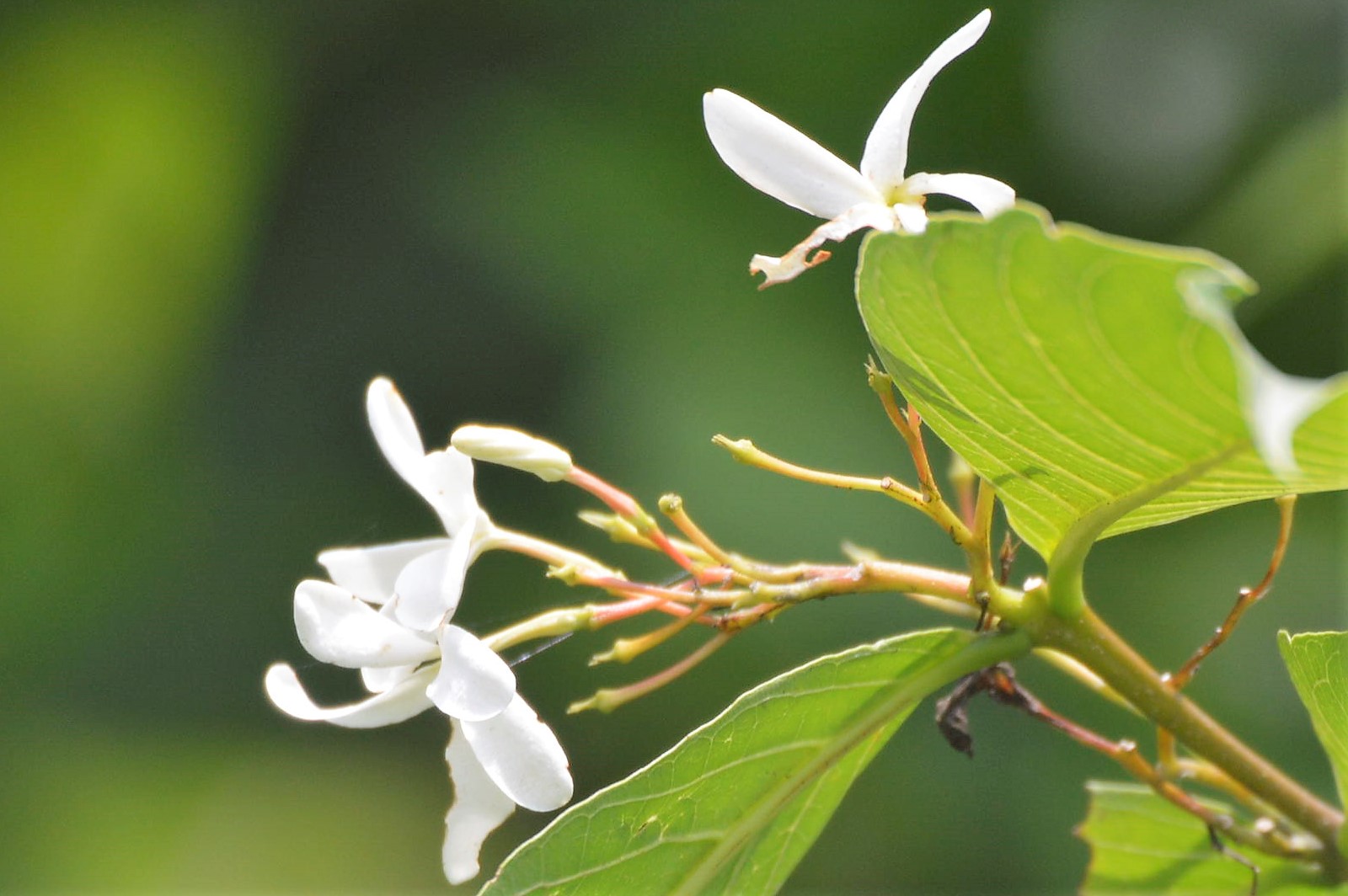
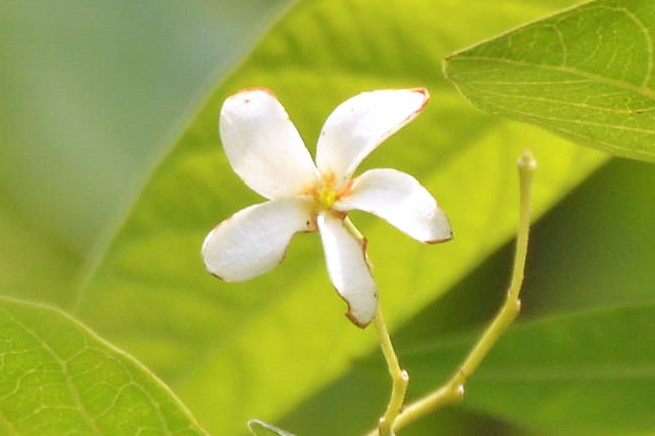
MUCH ADO ABOUT “EASTER TREE” “Easter Tree” is the meaningful common name. It is called this because the tree bursts into a beautiful canopy of snowy-white flowers right around April, perfectly coinciding with the Easter season. “Ester Tree” is actually a widely circulated typographical error. more of a phonetic spelling of “Easter”. Over time, this typo was copied across several online Indian plant databases, botanical lists, and regional forestry logs, accidentally establishing it as a “variant” name. The name “Easter tree” is widely documented in botanical and trade databases in India, but it is not popular or prevalent in daily, colloquial conversation among the general public. … compiled from the web.
When modern urban Indians use the phrase “Easter tree”, they are usually referring to an entirely different plant: Wrightia antidysenterica (commonly known as the Arctic Snow, Milky Way, or Sri Lankan Wrightia). Unlike Holarrhena pubescens (earlier popularly known as Holarrhena antidysenterica), Wrightia antidysenterica does not bloom specifically for the Easter season. It blooms non-stop, all year round. It carries the label “Easter Tree” because of identity theft! In early botanical history, Holarrhena pubescens and Wrightia antidysenterica were heavily confused by European botanists. They belong to the same family, look almost identical when looking at just the white flowers, and were both used to treat dysentery. Because of this intense taxonomic confusion, the common name “Easter tree” got accidentally mapped onto Wrightia in commercial trade and local nurseries. … compiled from the web.
ivory tree
IVORY TREE: A SHARED MONOPOLY “Ivory Tree” — It is widely documented in official Indian botanical databases for Holarrhena pubescens, but it is not popular or prevalent in daily, colloquial speech. It is heavily shared with at least two other trees in India, often causing confusion. As such, Wrightia tinctoria is the definitive “ivory wood tree” due to its well-known use by Indian artisans since historic times, in making the world-famous, lacquer-painted Channapatna toys in Karnataka. Both species belong to same family, look nearly identical, and share habitats, therefore the name “ivory tree” is constantly swapped between them in trade lists. … compiled from the web.
Other tree is Wrightia antidysenterica. Historically, early European botanists genuinely considered W. antidysenterica and H. antidysenterica to be the same plant or direct synonyms. Due to this accidental synonymy, their popular trade names got cross-referenced in early trade journals.
kurchi bark
Tellicherry tree (trade name: Tellicherry bark)
~~~~~ ARABIC ~~~~~
written in: Arabic (عَرَبِيّ) … spoken in: various states of India … Wikipedia
اندرجو تلخ / إندر جاو تلخ inderjao talkh, لسان العصافير المرّ lasanul-aasafirul-murr
~~~~~ ASSAMESE ~~~~~
written in: Assamese (অসমীয়া) … spoken in: Assam, Arunachal Pradesh, Meghalaya
দুধখুৰী dudkhuri, ধুতখুৰী dhutkhuri
~~~~~ BENGALI ~~~~~
written in: Bengali (বাংলা) … spoken in: West Bengal, Assam, Jharkhand, Tripura, Andaman & Nicobar Islands
ইন্দ্রযব indrajab, কুটজ kutaja
কুড়চি kurchi
~~~~~ BHOJPURI ~~~~~
written in: Devanagari (भोजपुरी) … spoken in: eastern Uttar Pradesh, western Bihar and northwestern Jharkhand
दुधकोरिया dudhkoria
~~~~~ BODO ~~~~~
written in: Devanagari or Latin … spoken in: Assam … other names for this language: Boro
doukhri
~~~~~ DOGRI ~~~~~
written in: Devanagari (डोगरी) … spoken in: Jammu & Kashmir … spoken by the Dogras
इंद्र जौ indra jau, कोगढ़ kogad
~~~~~ GARO ~~~~~
written in: Roman, Bengali-Assamese, A-Chik Tok’birim … spoken in: Meghalaya, Assam
bol-matra, bolmigmu, mat-mande
~~~~~ GUJARATI ~~~~~
written in: Gujarati (ગુજરાતી) … spoken in: Gujarat, Dadra & Nagar Haveli, Daman & Diu
ધોવડા કુડા dhowda kuda
ઈંદ્રજવ indrajav (extended: કડવો ઈંદ્રજવ kadvo indrajav), કડો kado (or કુડો kudo, extended: કાલાકુડા kala-kuda), કારીખડો kaarikhado (or કારીકડો karikado)
THE BLACK & WHITE OF KUDA (કુડા) કુડા Kuda or કડો Kado is a term widely used for the bark of Holarrhena / Wrightia trees. The most well-known are black kuda (Wrightia tinctoria) and white kuda (Holarrhena pubescens) across many regional languages. In the dry forest belts of Gujarat and Rajasthan, local tribal communities name the Holarrhena tree after its long, prominently hanging, paired seed pods that turn a deep, dark brown-black color, rather than its bark. This has led to regional variants like કાલાકુડા (kala-kuda), કારીખડો (kaarikhado), and કારીકડો (karikado) (where kala / kari / kaari means “black”). However, the true કાલાકુડા (kala-kuda), both historically and linguistically, belongs strictly to Wrightia tinctoria due to its dark bark and indigo-yielding leaves. … compiled from the web.
~~~~~ HAJONG ~~~~~
written in: Bengali-Assamese (হাজং), Latin … spoken in: Assam, Meghalaya, Arunachal Pradesh, and West Bengal
dudkurchi
~~~~~ HARYANVI ~~~~~
written in: Devanagari (हरियाणवी or हरयाणवी) … spoken in: Haryana, Delhi
दुधी dudhi, कुर्ची kurchi
~~~~~ HINDI ~~~~~
written in: Devanagari (हिन्दी) … spoken in: Delhi, Uttar Pradesh, Bihar, Chhattisgarh, Haryana, Jharkhand, Madhya Pradesh, Rajasthan, Uttarakhand
दूधी dudhi, क्वेरा kwera
इंद्रजव indrajav (or कड़वा इंद्रजव karva indrajau / कडवा इंद्रजव kadva indrajau)
कुर्ची kurchi (or करची karchi)
कुटज kutaj
~~~~~ JHARUA ~~~~~
written in: Bengali-Assamese, Latin … spoken in: Assam, Arunachal Pradesh, Meghalaya, West Bengal … a dialect of Assamese, spoken by Kochs and Hajongs
দুধখুৰী dudkhuri
~~~~~ KACHARI ~~~~~
written in: Bengali-Assamese, Devanagari, Latin … spoken in: Assam, Nagaland … other names for this language: Cachari, Plains Kachari (Boro or Bara) and Hill Kachari (Dimasa)
khiloshi-jalla-phang, kholoshiphang-jola
~~~~~ KACHCHHI ~~~~~
written in: Gujarati (કચ્છી), Sindhi (ڪڇّي) … spoken in: Kutch region of Gujarat
કડવો ઈંદ્રજવ kadvo indrajav
~~~~~ KANNADA ~~~~~
written in: Kannada (ಕನ್ನಡ) … spoken in: Karnataka
ಕೊಡಸಿಗೆ kodasige
ಕೊಡುಮುರುಕು ಗಿಡ kodumuruku gida (or ಕೋಡಮುರಕ kodamuraka)
ಕೊರಸಿಗ korasiga (or ಕೊರಿಸಿಗಿನ ಗಿಡ korisigina gida)
ಕುಡ್ಸಾಲು kudsaalu (or ಕುಡಸಾಲು kudasaalu)
~~~~~ KARBI ~~~~~
written in: Roman … spoken in: Arunachal Pradesh, Assam, Meghalaya, Nagaland … other names for this language: Mikir or Arleng
bengol-arong, bengoy-the-arong, bing-wai-pi-arong, theng-lokso
~~~~~ KASHMIRI ~~~~~
written in: Koshur (Perso-Arabic كٲشُر), Devanagari (कश्मीरी) … spoken in: Kashmir … other names for this language: Koshur
अन्दुसुरुन् andusurun
~~~~~ KHASI ~~~~~
written in: Latin (Khasi alphabet), Bengali-Assamese … spoken in: Meghalaya, Assam
dieng-jameu, dieng-lakhiet-dkhar, dieng-pang-knai, dieng-pankanaisynrang
~~~~~ KOKBOROK ~~~~~
written in: Koloma, Latin, Bengali–Assamese (ককবরক), Kokmari … spoken in: Tripura … other names for this language: Tripuri, Kokbarak, Tippera, Tipra, Trippera
kuchimavompang
~~~~~ KOL ~~~~~
written in: Warang Chiti (or Barang Kshiti, Varang Kshiti), Devanagari … spoken in: Jharkhand, Madhya Pradesh, Odisha, West Bengal … spoken by: Kol people
गोतेक gotek
हात hat
कुआर kuar
तुआर tuar
~~~~~ KONKANI ~~~~~
written in: Devanagari (कोंकणी) / Kannada (ಕೊಂಕಣಿ) / Malayalam (കൊങ്കണി) / Perso-Arabic (کونکنی) / Romi (Konknni) … spoken in: Goa, Karnataka, Maharashtra, Kerala, Gujarat
धवो कुडो dhavo kudo, कुडो kudo
~~~~~ KUKI ~~~~~
written in: Roman … spoken in: Manipur, Assam, Nagaland … other names for this language:Thado, Thado-Pao, Thado-Ubiphei, Thaadou Kuki
leng-wom-theng
~~~~~ KUMAONI ~~~~~
written in: Devanagari … spoken in: Uttarakhand
कुड़ा kura
~~~~~ KURUKH ~~~~~
written in: Devanagari (कुँड़ुख़), Assamese-Bangla (কুড়ুখ্), Odia (କୁଡ଼ୁଖ୍), Kurukh Banna and Tolong Siki … spoken by the Kurukh (Oraon) and Kisan people … spoken in: Chhattisgarh, Jharkhand, Odisha, West Bengal, Assam, Bihar and Tripura … other names for this language: Kurux, Oraon, Uraon, Uranw
कोरकोरिया korkoria
~~~~~ LEPCHA ~~~~~
written in: Lepcha (or Róng), Tibetan … spoken in: Sikkim, West Bengal
ᰑᰈᰬᰛᰧᰎ fajeerip
~~~~~ MAGADHI ~~~~~
written in: Devanagari, Kaithi … spoken in: Bihar, Jharkhand, West Bengal … the colloquial, everyday name used by native speakers living in Bihar is strictly Magahi.
दुधकोरिया dudhkoria
~~~~~ MAITHILI ~~~~~
written in: Devanagari (मैथिली) … spoken in: Bihar, Jharkhand
दुधियारी dudhiari
~~~~~ MAL PAHARIA ~~~~~
written in: Devanagari (माल पहाड़िया) / Bengali (মাল পাহাড়িয়া) … spoken in: Jharkhand, West Bengal, Bihar … spoken by: Mal Paharia people
कुरदू kurdu
~~~~~ MALAYALAM ~~~~~
written in: Malayalam (മലയാളം) … spoken in: Kerala, Lakshadweep
കുടകപ്പാല kudakappaala
~~~~~ MANDEALI ~~~~~
written in: Mandeali Takri or Mandi-Suket Takri (𑚢𑚘𑚶𑚖𑚮𑚣𑚭𑚥𑚯), Devanagari (मण्डियाली), Mandiali Takri a.k.a. Mandi-Suket Takri … spoken in: Mandi district of Himachal Pradesh … spoken by: Mandyali people … other names for this language: Mandiyali and Mandiali
केओर keor, कुर्ची kurchi
~~~~~ MANIPURI ~~~~~
written in: Meiteilon (ꯃꯩꯇꯩꯂꯣꯟ), Bengali-Assamese … spoken in: Manipur … other names for this language: Meetei
ꯀꯨꯔꯆꯤ কুরচি kurchi
~~~~~ MARATHI ~~~~~
written in: Devanagari (मराठी) … spoken in: Maharashtra, Karnataka
इंद्रजव indrajav
कुटज kutaja
पांढरा कुडा pandhra kuda (or कुडा kuda)
~~~~~ MIZO ~~~~~
written in: Latin, Bengali-Assamese … spoken in: Mizoram … other names for this language: Lushai, Duhlian
thlengpa
~~~~~ NAGPURI ~~~~~
written in: Devanagari (नागपुरी), Kaithi (historically) … spoken in: Jharkhand, Chhattisgarh, Odisha … spoken by: Nagpuria people, also Nagpuri or Sadan … other names for this language: Sadri, Sadani
कोरैया koraiya
~~~~~ NEPALI ~~~~~
written in: Devanagari (नेपाली) … spoken in: Nepal, West Bengal, Assam, Sikkim, Himachal Pradesh, Uttarakhand, Jammu & Kashmir
बन खिर्रो ban khirro, इन्द्रजौ indrajau, मदिसे खिर्रो madise khirro
~~~~~ ODIA ~~~~~
written in: Odia (ଓଡ଼ିଆ) … spoken in: Odisha, Andaman & Nicobar Islands
ଭଦ୍ର ଯବ bhadra jaba, କଲବିଙ୍କ kalabinka, ମୁଣ୍ଡିଆ କୋରୁଆଁ mundia koruan (or କୋରୁଆଁ koruan), ପାଣ୍ଡୁର ଦ୍ରୁମ pandura druma, ପୀତ କାବେର pita kabera, ଶକ୍ର ପୁଷ୍ପ shakra pushpa
କେରୁଆ kerua
କୁର୍ଚ୍ଚି kurchi
କୁରେଇ kurei
~~~~~ PAHARI (or PAHADI) ~~~~~
written in: Devanagari (पहाड़ी), Perso-Arabic (پہاڑی) … variety of languages, dialects and language groups, spoken in Himachal Pradesh, Jammu and Kashmir, Uttarakhand
दूधी dudhi, इंद्रजौ indrajau, करची karchi, कर्रा karra, केओर keor, कोरा kora, कुआर कुरेया kuar kureya, कुची kuchi, कुड़ा kura, कुरसी kursi
~~~~~ PERSIAN ~~~~~
written in: Farsi (فارسی) … almost a defunct language; spoken in: West Bengal, Jharkhand, Maharashtra, Bihar
اندرجو تلخ indar-jave-talkh, تخم احار تلخ tukhme-ahare-talkh, زبان گنجشک تلخ zabane-kunjashke-talkh
~~~~~ PUNJABI ~~~~~
written in: Gurmukhi (ਪੰਜਾਬੀ) … spoken in: Punjab
ਕੇਵਰ kewar
ਤਿਵਾਜ tiwaj
~~~~~ RABHA ~~~~~
written in: Assamese (ৰাভা), Bengali, English … spoken in: Assam, Nagaland, West Bengal, Meghalaya
dudkurchi
~~~~~ RAJASTHANI ~~~~~
written in: Devanagari (राजस्थानी) … spoken in: Rajasthan
दुधी कड़वाला dudhi karvala (or दुधी dudhi)
~~~~~ SANSKRIT ~~~~~
written in: Devanagari (संस्कृतम्) … used all over India by priests and scholars
अम्बिका ambika, भद्रज bhadraja, भद्रयव bhadrayava, गिरिमल्लिका girimallika, इन्द्रयव indrayava, काही kahi, कलिङ्ग kalinga (or कालिङ्ग kalinga), कौट kauta, कोहिन् kohin, कूटज kutaja (or कुटज kutaja), महागन्ध mahagandha, पाण्डुरद्रुम panduradruma, प्रावृष्य pravrshya (extended: प्रावृषेण्य pravrshenya), सङ्ग्राहिन् sangrahin, शक्र shakra (extended: शक्रबीज shakrabija, शक्रपादप shakrapadapa, शक्राशन shakrashana), शक्राह्य shakrahya, शक्रपर्याय shakraparyaya, शनपर्णी shanaparni, वरतिक्त varatikta, वत्साह्वय vatsahvaya, वत्सक vatsaka, वृन्तिता vrntita, यवफल yavaphala
~~~~~ SANTALI ~~~~~
written in: Ol Chiki (ᱥᱟᱱᱛᱟᱲᱤ), Bengali (সাঁওতালী), Odia (ସାନ୍ତାଳୀ), Devanagari (सान्ताली), Roman … spoken in: Jharkhand, West Bengal, Odisha
ᱦᱟᱴ hat
~~~~~ TAMIL ~~~~~
written in: Tamil (தமிழ்) … spoken in: Tamil Nadu, Puducherry, Andaman & Nicobar Islands
அருளரசி arularaci, இந்திரபம் intirapam, கசப்புவெட்பாலை kacappu-vetpalai (or வெட்பாலை vetpalai), கலிங்கம் kalinkam, கவுபதம் kavupatam, கிரிமல்லிகை kirimallikai, குடப்பாலை kutappalai, பலம் palam, பூதகேசரி putakecari, வத்தகம் vattakam (or வச்சகம் vaccakam), வற்சம் vaṟcam, வேப்பாலை veppalai
இந்திரியவம் intiri-yavam, குடசப்பாலை kutaca-p-palai
~~~~~ TELUGU ~~~~~
written in: Telugu ( తెలుగు) … spoken in: Andhra Pradesh, Telangana, Puducherry
చేదుకొడిసె chedukodise, గిరిమల్లిక girimallike, ఇంద్రవృక్షము indravrakshamu, కళింగము kalingamu
కొడిసెపాల kodisepala, కొడిసెవిత్తులు kodisevittulu, కోలముక్కి చెక్క kola-mukki-chekka, కుటజము kutajamu
మనుపాల manu-pala
~~~~~ TIBETAN ~~~~~
written in: Tibetan … spoken in: Tibet, Jammu, Kashmir & Ladakh, Karnataka, Himachal Pradesh, Uttarakhand, Bhutan
དུག་མོ་ཉུང tug-mo-nyung (or dug-mo-nyung)
~~~~~ TULU ~~~~~
written in: Tigalari (Tulu) was used for writing Vedic texts in Sanskrit, Kannada (ತುಳು), Malayalam (തുളു) … spoken in: Karnataka, north Kerala
ಕೊಡಗಾಸನ kodagasana, ಕೊಡೆಂಚಿ kodenchi
~~~~~ URDU ~~~~~
written in: Urdu (اردو) … spoken in: Uttar Pradesh, Delhi, Bihar, Maharashtra, Andhra Pradesh, Telangana, Karnataka
کٿج kutaj
~~~~~ KNOWN DISTRIBUTION in INDIA ~~~~~
Andhra Pradesh, Assam, Bihar, Goa, Himachal Pradesh, Jharkhand, Karnataka, Kerala, Madhya Pradesh, Maharashtra, Manipur, Meghalaya, Odisha, Punjab, Rajasthan, Tamil Nadu, Tripura, Uttar Pradesh, Uttarakhand, West Bengal
(●) ACCIDENTAL SYNONYMY In 1753, Carl Linnaeus originally classified the anti-dysentery plant material originating from India and Sri Lanka under a single name: Nerium antidysentericum, believing he was describing a single species.
As botanical science advanced, later taxonomists realized Linnaeus had actually grouped two entirely different plants under that single title. When split into separate genera (Holarrhena and Wrightia), both lineages claimed historical rights to the “antidysenterica” epithet:
Because early literature and trade records frequently cross-referenced these titles as absolute, direct synonyms, several colonial-era lexicons accidentally cataloged indigenous regional names of Holarrhena pubescens under the Wrightia banner.
… compiled from the web. ~~~~~ Created on: 21:42 09-09-2026 ¦ Last updated: 20:01 18-09-2026 (DD-MM-YYYY) ~~~~~
Names compiled / updated at https://dineshvalke.blogspot.com/2026/09/holarrhena-pubescens-wall-ex-gdon.html both Malayalam and English names are correct. One Hindi name added …
commonly known as: bitter oleander, conessi bark, Easter tree, ivory tree, kurchi bark, Tellicherry tree • Arabic: اندرجو تلخ / إندر جاو تلخ inderjao talkh, لسان العصافير المرّ lasanul-aasafirul-murr • Assamese: দুধকাৰী dudhkaari, দুধখুৰী dudkhuri, ধুতখুৰী dhutkhuri, কুটজ kutaj • Bengali: ইন্দ্রযব indrajab, কুড়চি kurchi, কুটজ kutaja • Bhojpuri: दुधकोरिया dudhkoria • Bodo: doukhri • Dogri: इंद्र जौ indra jau, कोगढ़ kogad • Garo: bol-matra, bolmigmu, mat-mande • Gujarati: ધોવડા કુડા dhowda kuda, ઈંદ્રજવ indrajav, કડો kado, કારીખડો kaarikhado • Hajong: dudkurchi • Haryanvi: दुधी dudhi, कुर्ची kurchi • Hindi: दूधी dudhi, इंद्रजव indrajav, कुरैया kuraiya, कुर्ची kurchi, कुटज kutaj, क्वेरा kwera • Jharua: দুধখুৰী dudkhuri • Kachari: khiloshi-jalla-phang, kholoshiphang-jola • Kachchhi: કડવો ઈંદ્રજવ kadvo indrajav • Kannada: ಕೊಡಸಿಗೆ kodasige, ಕೊಡುಮುರುಕು ಗಿಡ kodumuruku gida, ಕೊರಸಿಗ korasiga, ಕುಡ್ಸಾಲು kudsaalu • Karbi: bengol-arong, bengoy-the-arong, bing-wai-pi-arong, theng-lokso • Kashmiri: अन्दुसुरुन् andusurun • Khasi: dieng-jameu, dieng-lakhiet-dkhar, dieng-pang-knai, dieng-pankanaisynrang • Kokborok: kuchimavompang • Kol: गोतेक gotek, हात hat, कुआर kuar, तुआर tuar • Konkani: धवो कुडो dhavo kudo, कुडो kudo, शांता कुडो shanta kudo • Kuki: leng-wom-theng • Kumaoni: कुड़ा kura • Kurukh: कोरकोरिया korkoria • Lepcha: ᰑᰈᰬᰛᰧᰎ fajeerip • Magadhi: दुधकोरिया dudhkoria • Maithili: दुधियारी dudhiari • Mal Pahariya: कुरदू kurdu • Malayalam: കുടകപ്പാല kudakappaala • Malvani: कुडो kudo • Mandeali: केओर keor, कुर्ची kurchi • Manipuri: ꯀꯨꯔꯆꯤ কুরচি kurchi • Marathi: इंद्रजव indrajav, कुटज kutaja, पांढरा कुडा pandhra kuda • Mizo: thlengpa • Nagpuri: कोरैया koraiya • Nepali: बन खिर्रो ban khirro, इन्द्रजौ indrajau, मदिसे खिर्रो madise khirro • Odia: ଭଦ୍ର ଯବ bhadra jaba, କଲବିଙ୍କ kalabinka, କେରୁଆ kerua, କୁର୍ଚ୍ଚି kurchi, କୁରେଇ kurei, ମୁଣ୍ଡିଆ କୋରୁଆଁ mundia koruan, ପାଣ୍ଡୁର ଦ୍ରୁମ pandura druma, ପୀତ କାବେର pita kabera, ଶକ୍ର ପୁଷ୍ପ shakra pushpa • Pahari: दूधी dudhi, इंद्रजौ indrajau, करची karchi, कर्रा karra, केओर keor, कोरा kora, कुआर कुरेया kuar kureya, कुची kuchi, कुड़ा kura, कुरसी kursi • Persian: اندرجو تلخ indar-jave-talkh, تخم احار تلخ tukhme-ahare-talkh, زبان گنجشک تلخ zabane-kunjashke-talkh • Punjabi: ਕੇਵਰ kewar, ਤਿਵਾਜ tiwaj • Rabha: dudkurchi • Rajasthani: दुधी कड़वाला dudhi karvala • Sanskrit: अम्बिका ambika, भद्रज bhadraja, भद्रयव bhadrayava, गिरिमल्लिका girimallika, इन्द्रयव indrayava, काही kahi, कलिङ्ग kalinga, कौट kauta, कोहिन् kohin, कूटज kutaja, महागन्ध mahagandha, पाण्डुरद्रुम panduradruma, प्रावृष्य pravrshya, सङ्ग्राहिन् sangrahin, शक्र shakra, शक्राह्य shakrahya, शक्रपर्याय shakraparyaya, शनपर्णी shanaparni, वरतिक्त varatikta, वत्साह्वय vatsahvaya, वत्सक vatsaka, वृन्तिता vrntita, यवफल yavaphala • Santali: ᱦᱟᱴ hat • Tamil: அருளரசி arularaci, இந்திரபம் intirapam, இந்திரியவம் intiri-yavam, கசப்புவெட்பாலை kacappu-vetpalai, கலிங்கம் kalinkam, கவுபதம் kavupatam, கிரிமல்லிகை kirimallikai, குடசப்பாலை kutaca-p-palai, குடப்பாலை kutappalai, பலம் palam, பூதகேசரி putakecari, வத்தகம் vattakam, வற்சம் vaṟcam, வேப்பாலை veppalai • Telugu: చేదుకొడిసె chedukodise, గిరిమల్లిక girimallike, ఇంద్రవృక్షము indravrakshamu, కళింగము kalingamu, కొడిసెపాల kodisepala, కొడిసెవిత్తులు kodisevittulu, కోలముక్కి చెక్క kola-mukki-chekka, కుటజము kutajamu, మనుపాల manu-pala • Tibetan: དུག་མོ་ཉུང tug-mo-nyung • Tulu: ಕೊಡಗಾಸನ kodagasana, ಕೊಡೆಂಚಿ kodenchi • Urdu: کٿج kutaj
. References:
GRIN Flora of China Flora of Pakistan Flora of Nepal The Plant List Dinesh Valke’s Flickr Post Flowers of India M.M.P.N.D. Holarrhena Antidysenterica, Bitter Oleander, Seeds of Holarrhena Antidysenterica, Bitter Oleander Seeds, India Holarrhena Antidysenterica – Bitter Oleander – Apocynaceae Holarrhena pubescens Himalaya’s Herbs and Minerals |
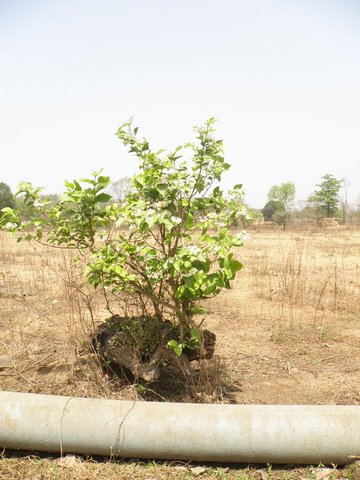
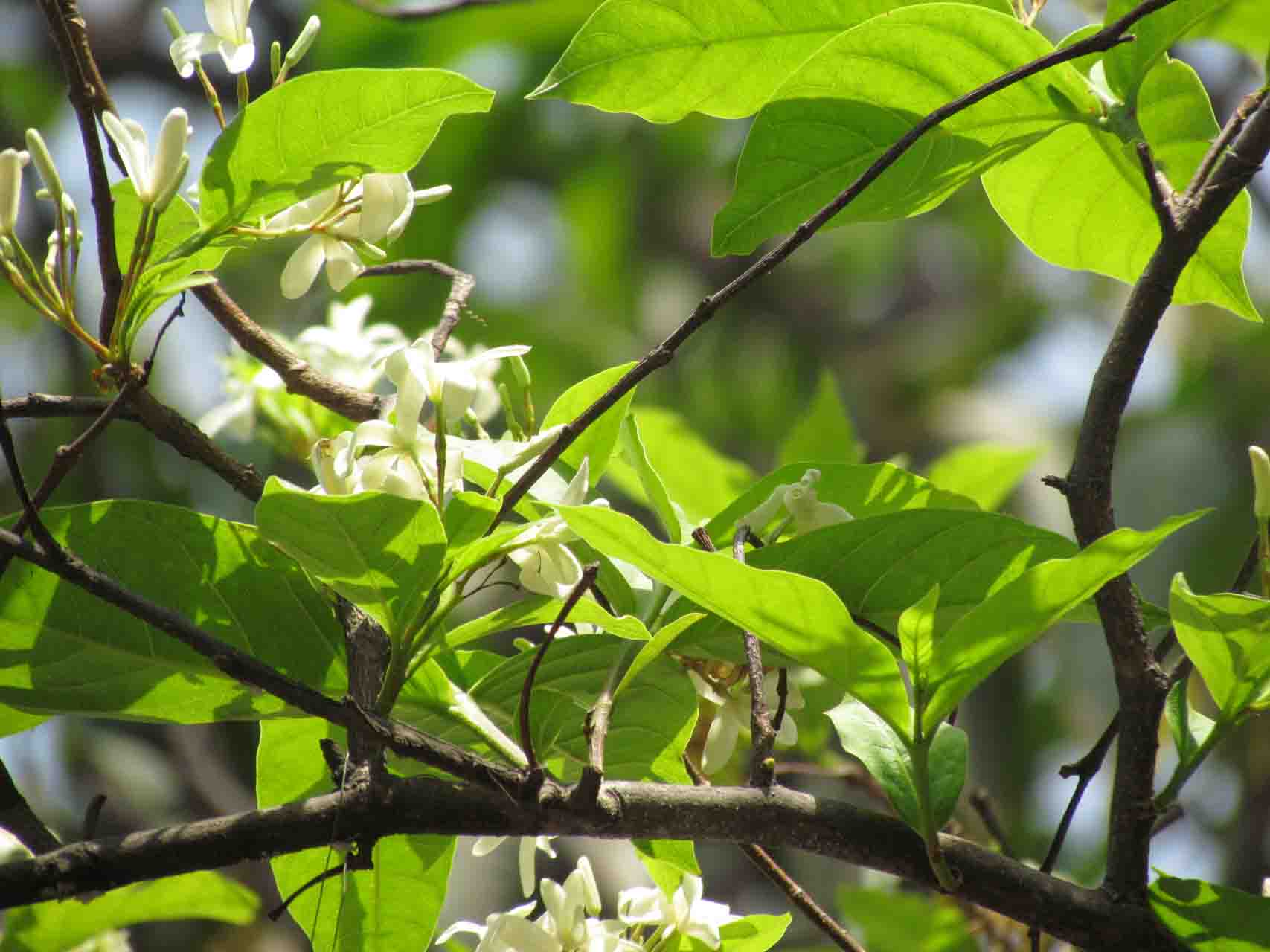
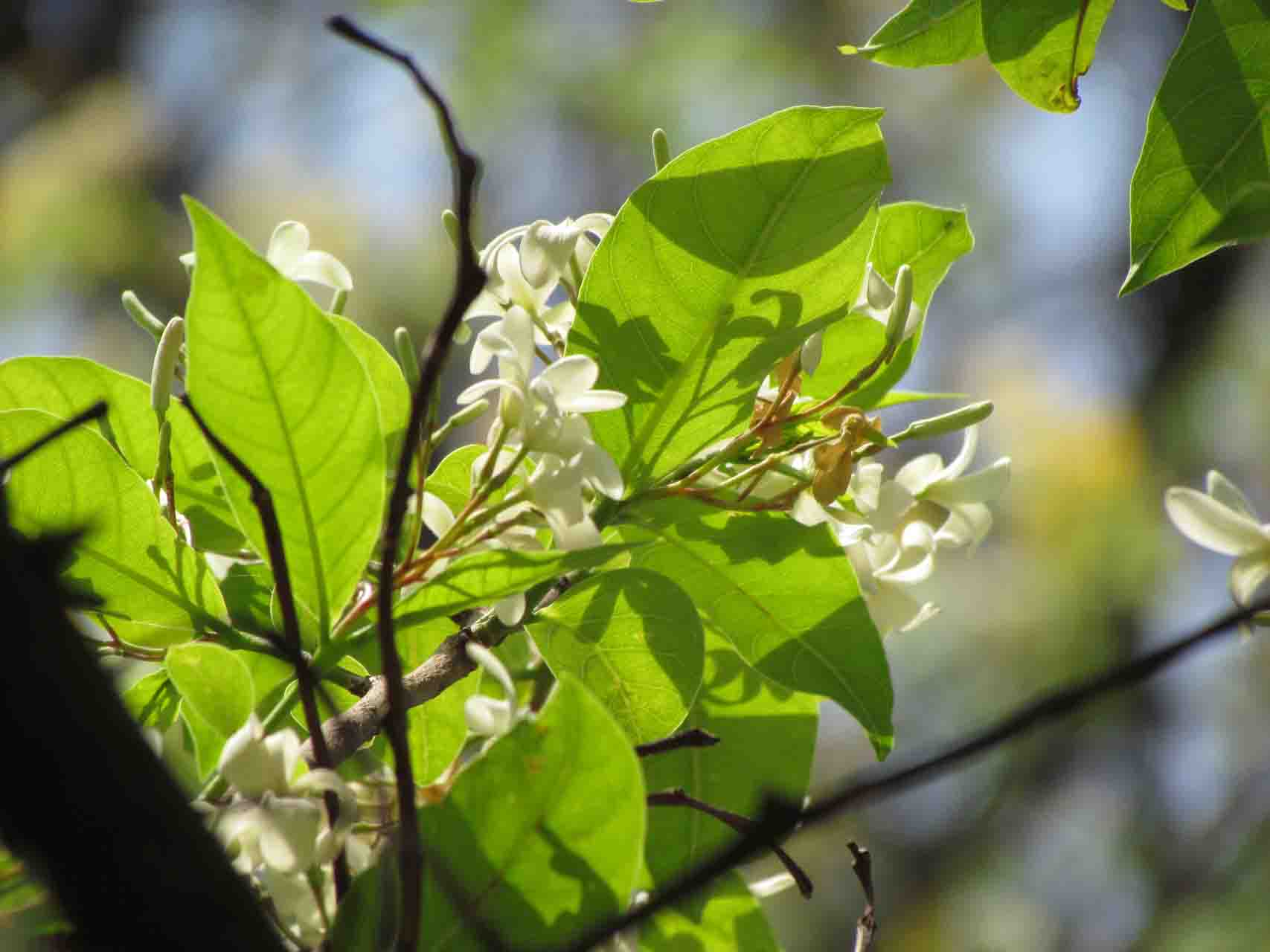
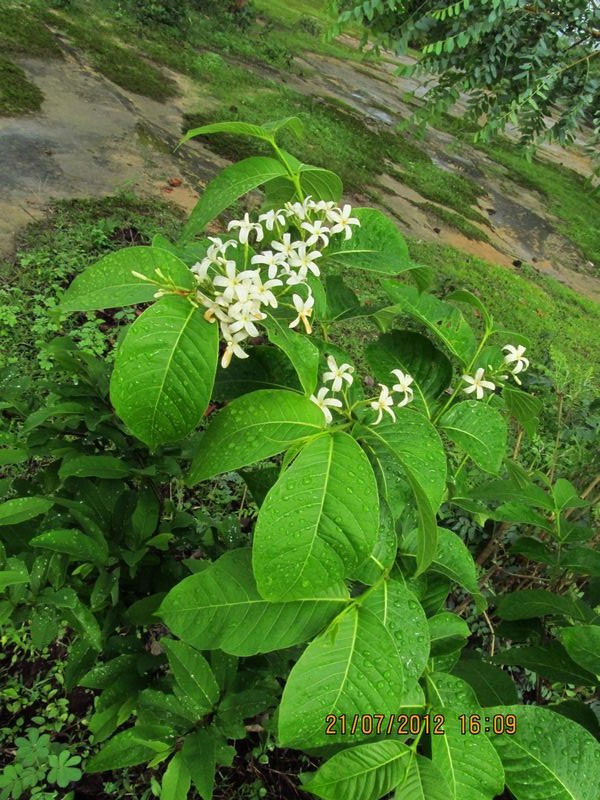
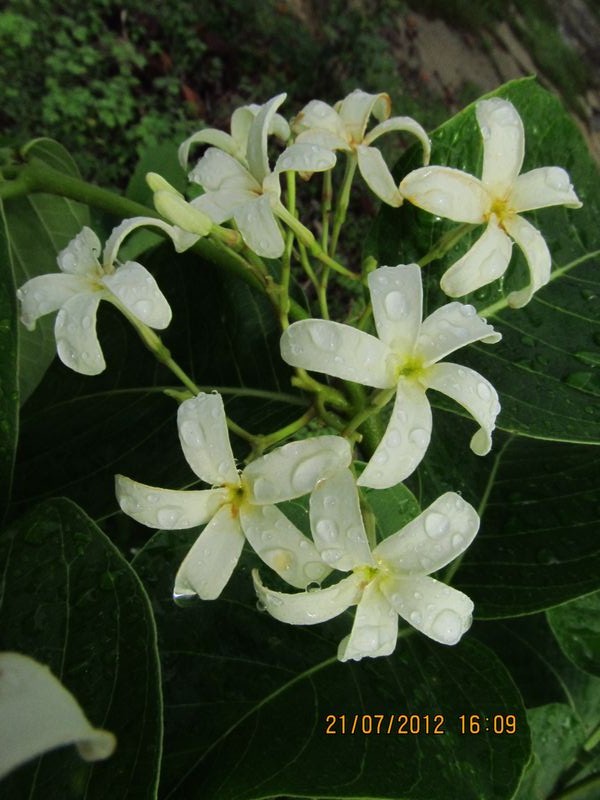
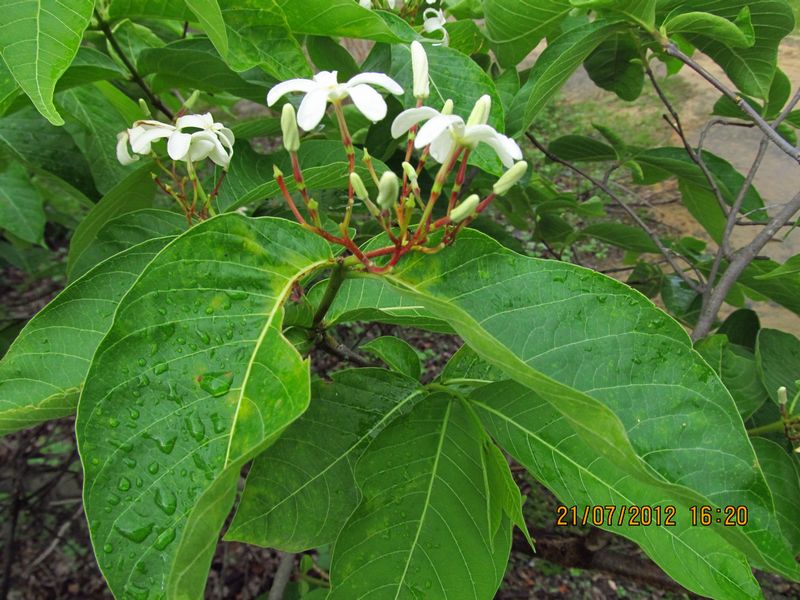
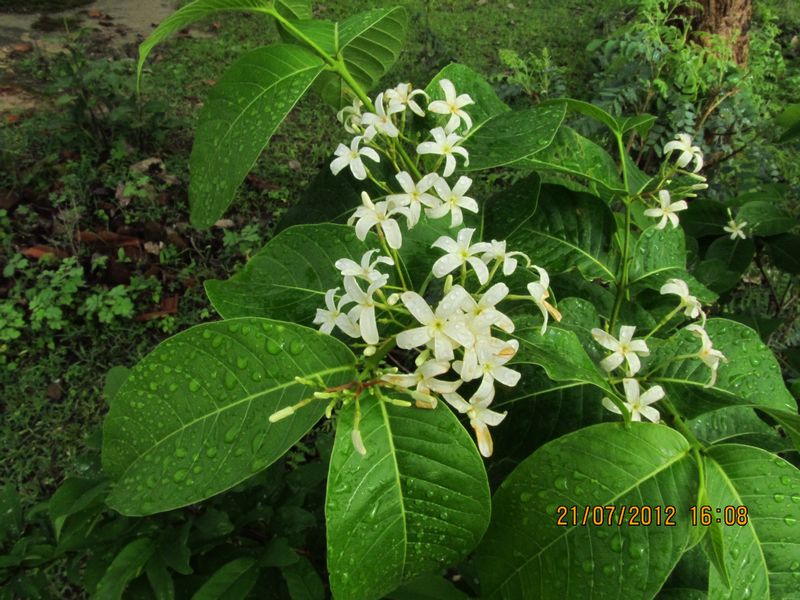
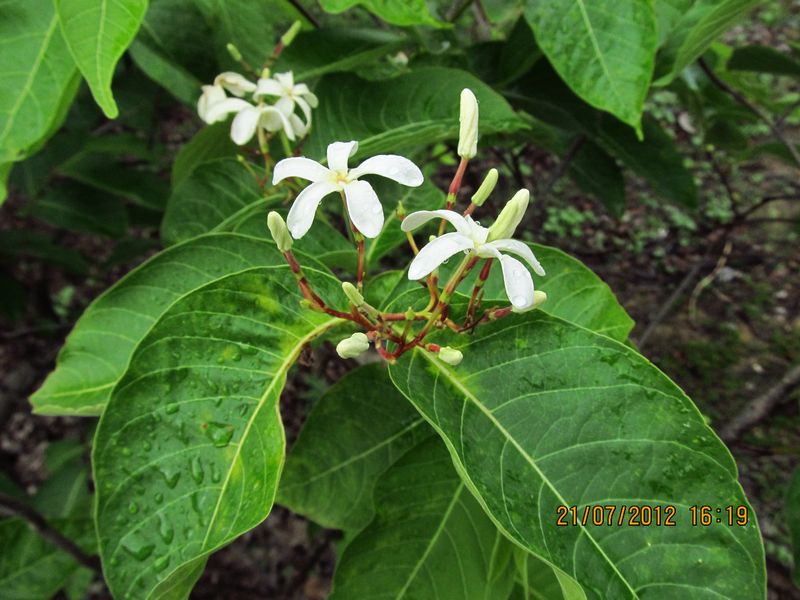
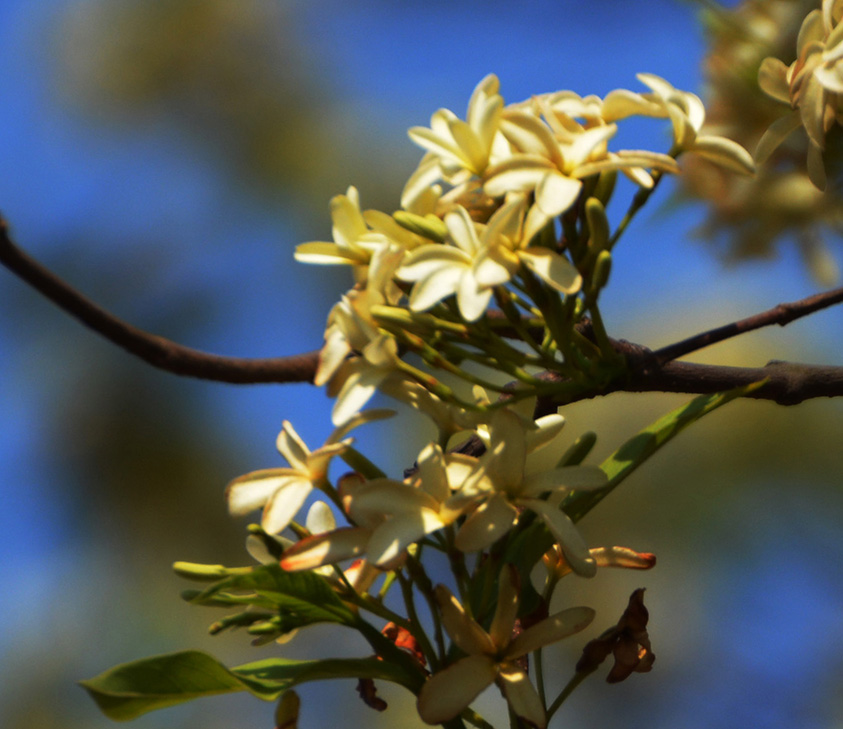
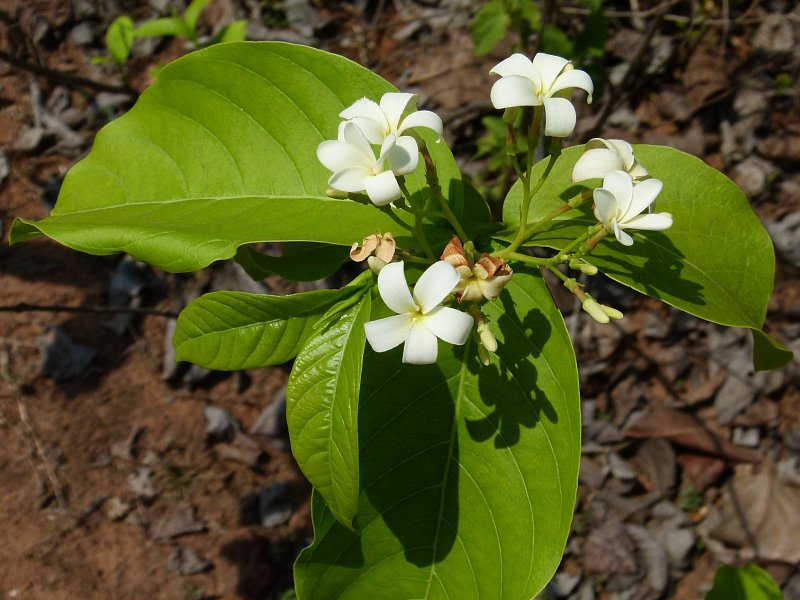
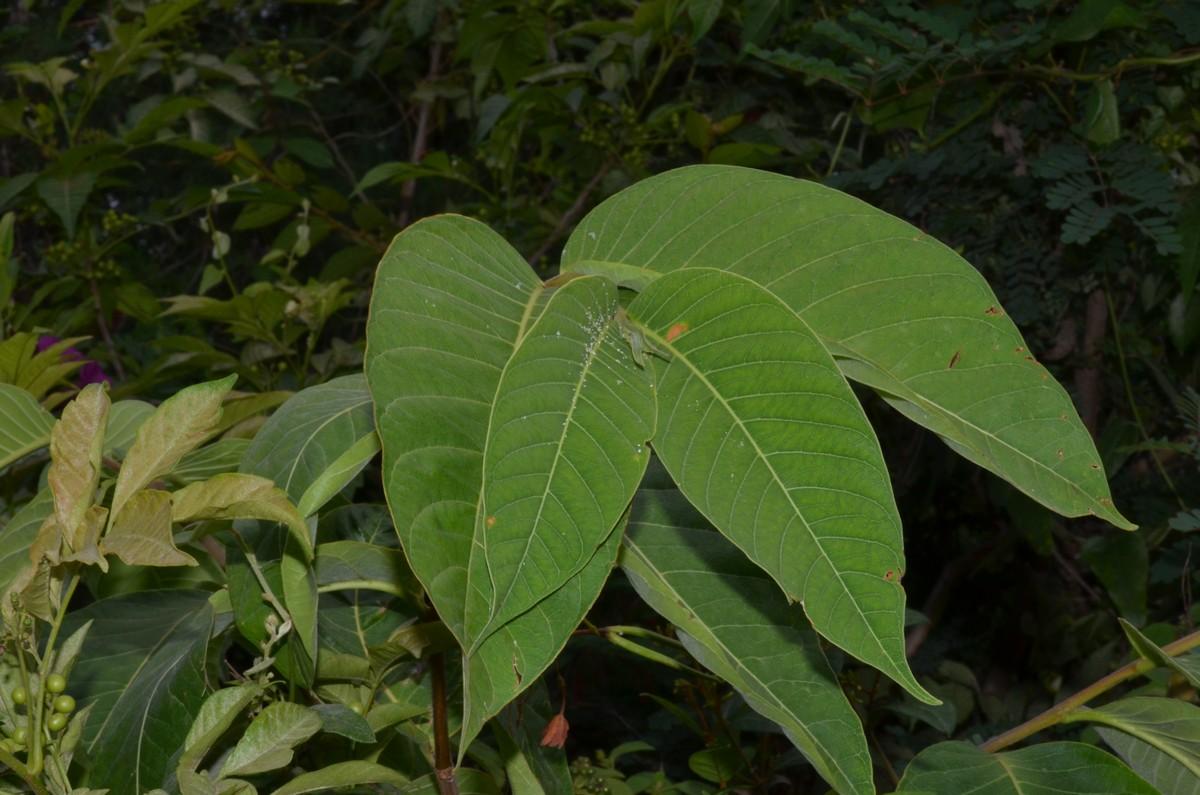
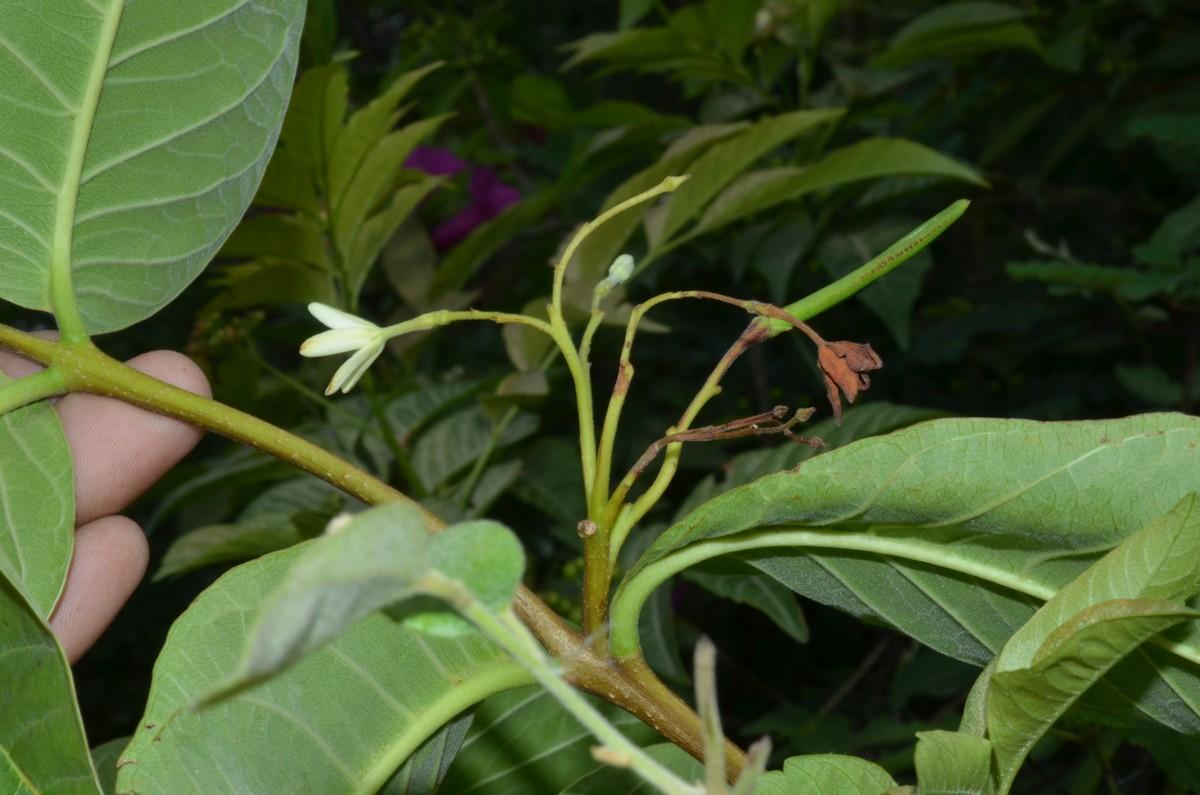
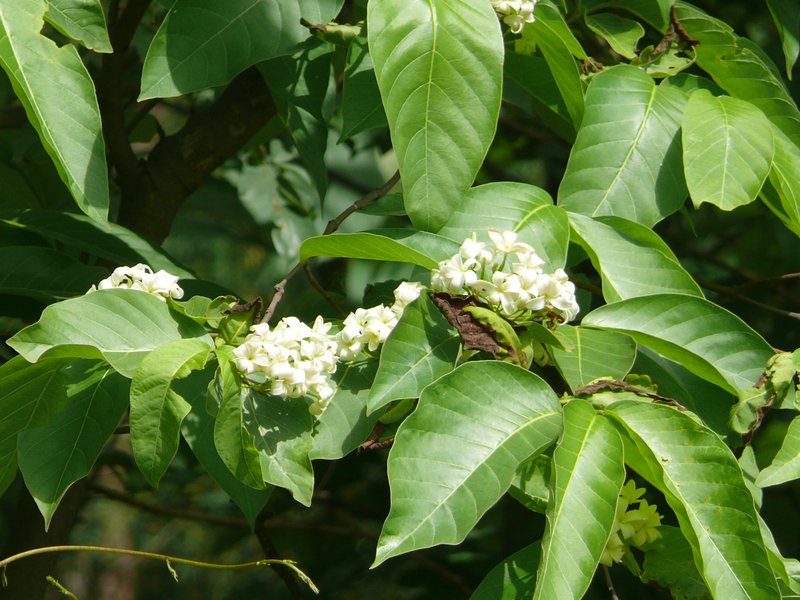
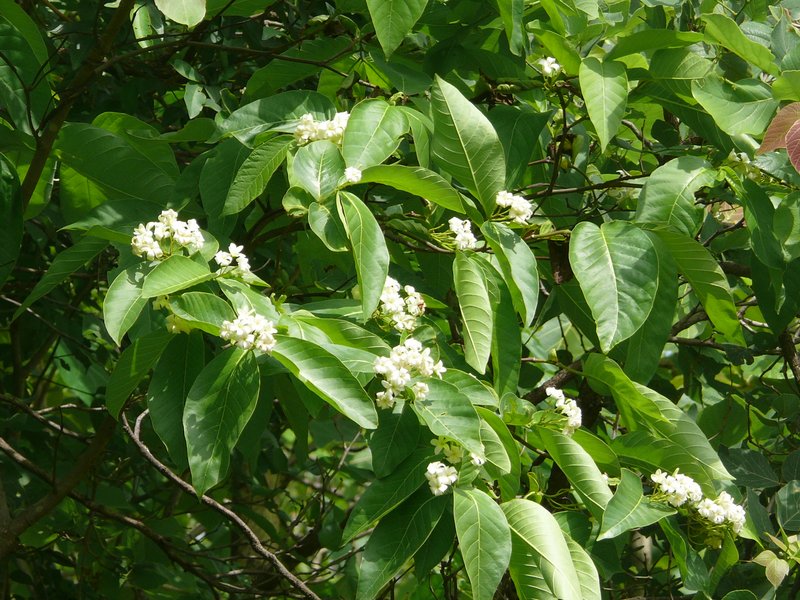
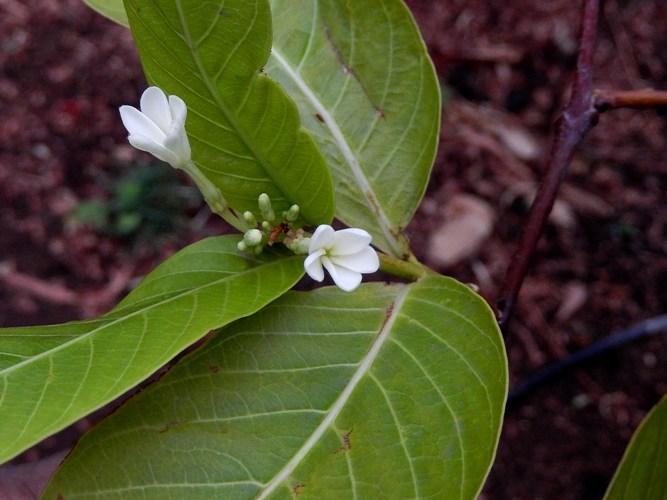
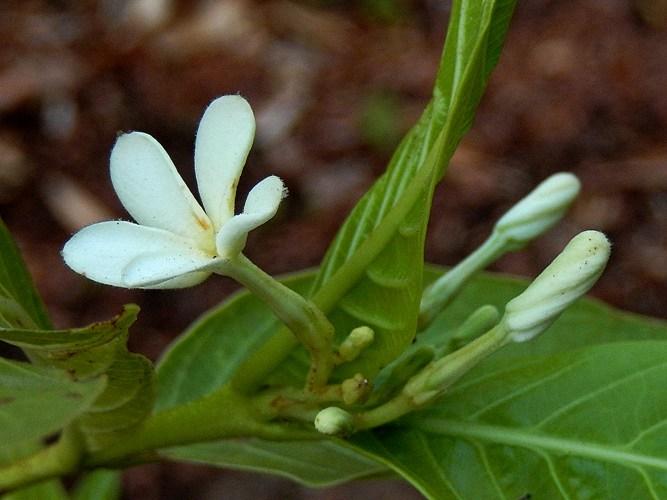
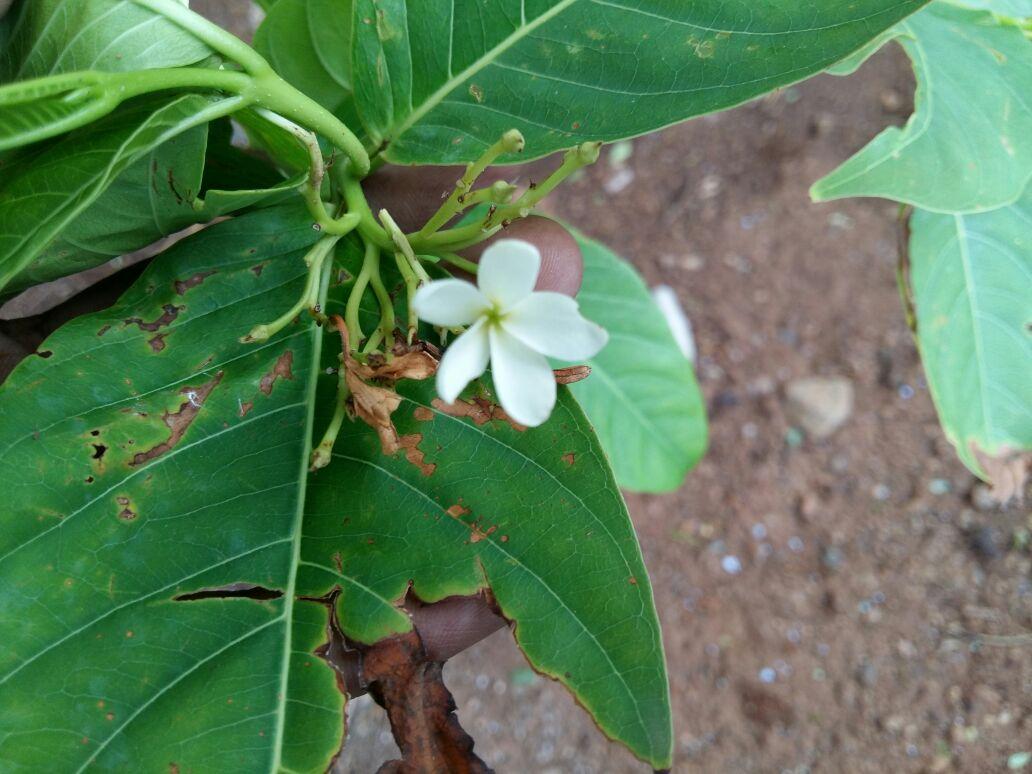
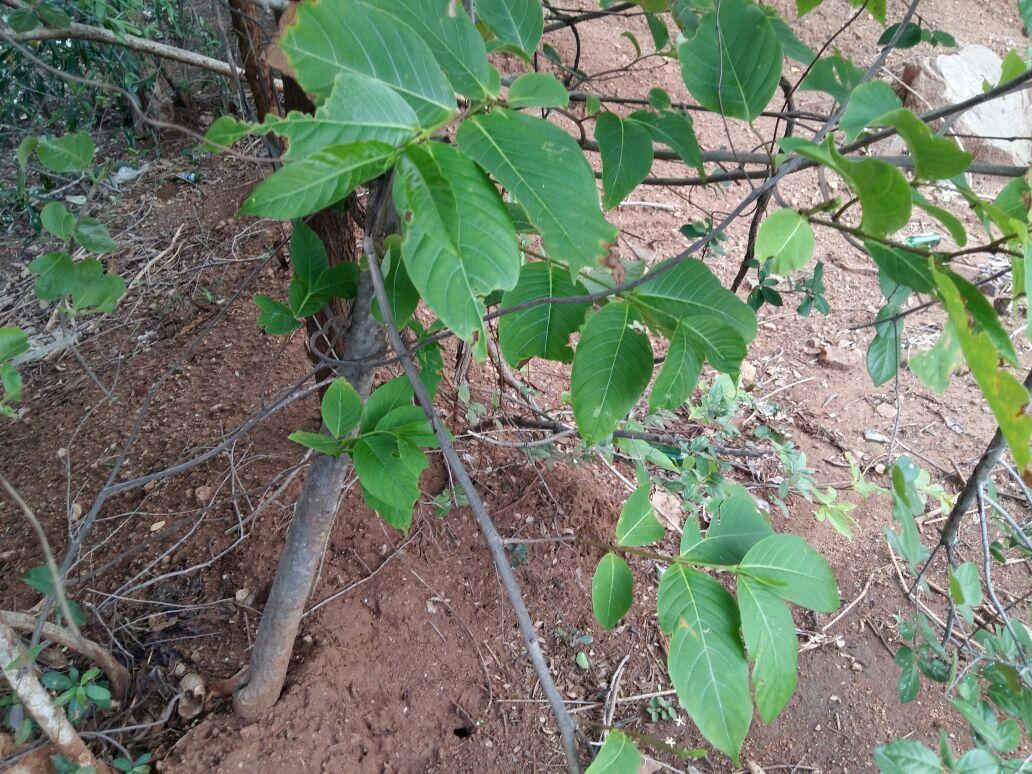
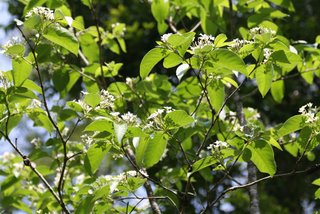
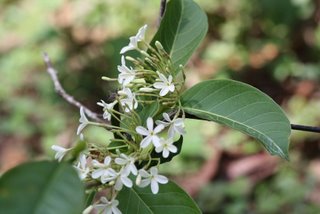
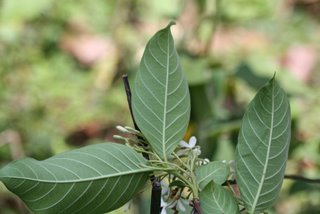
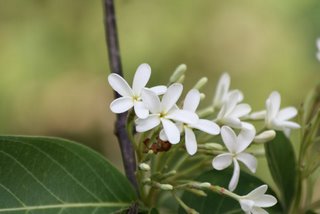
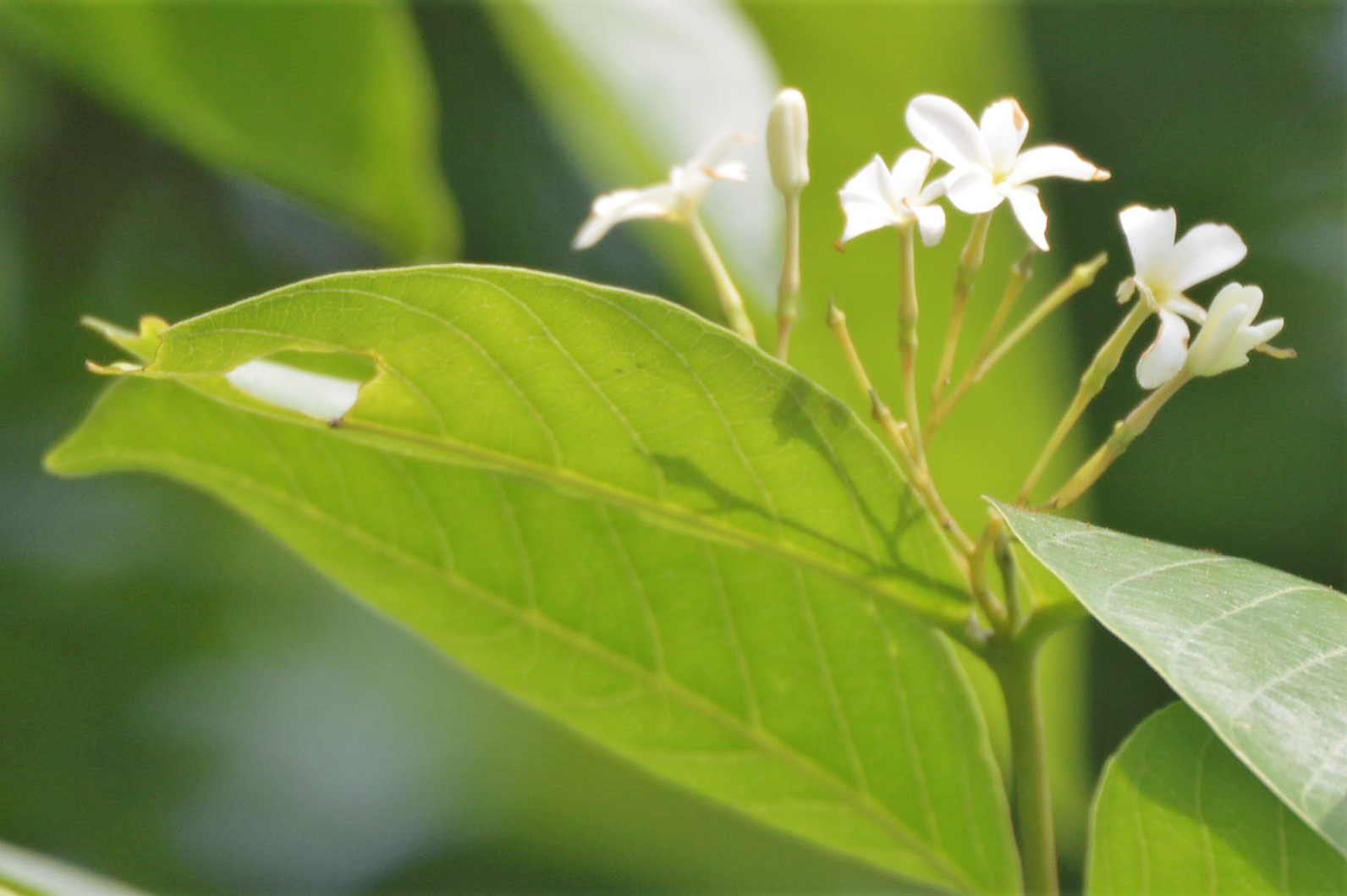
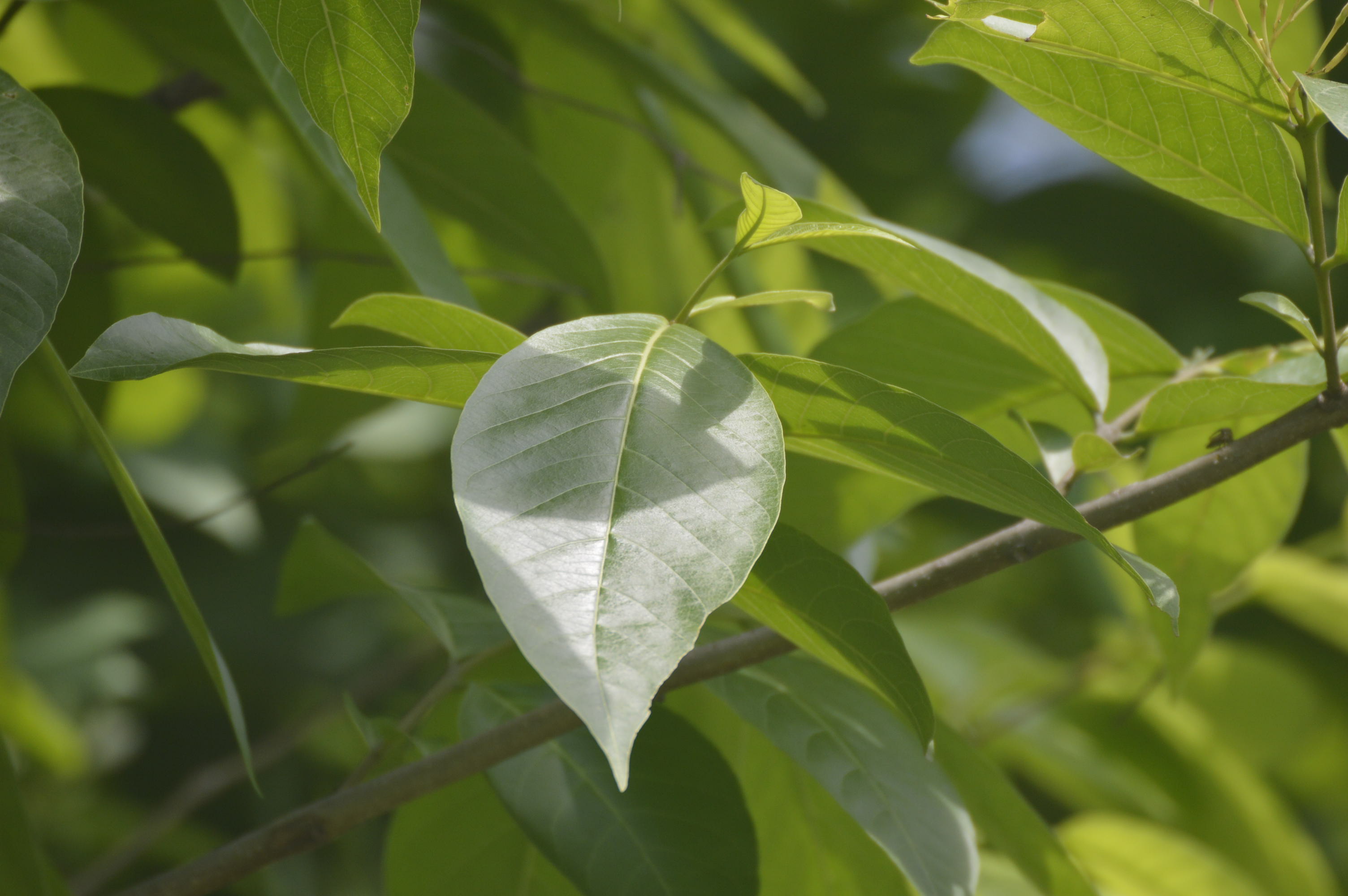
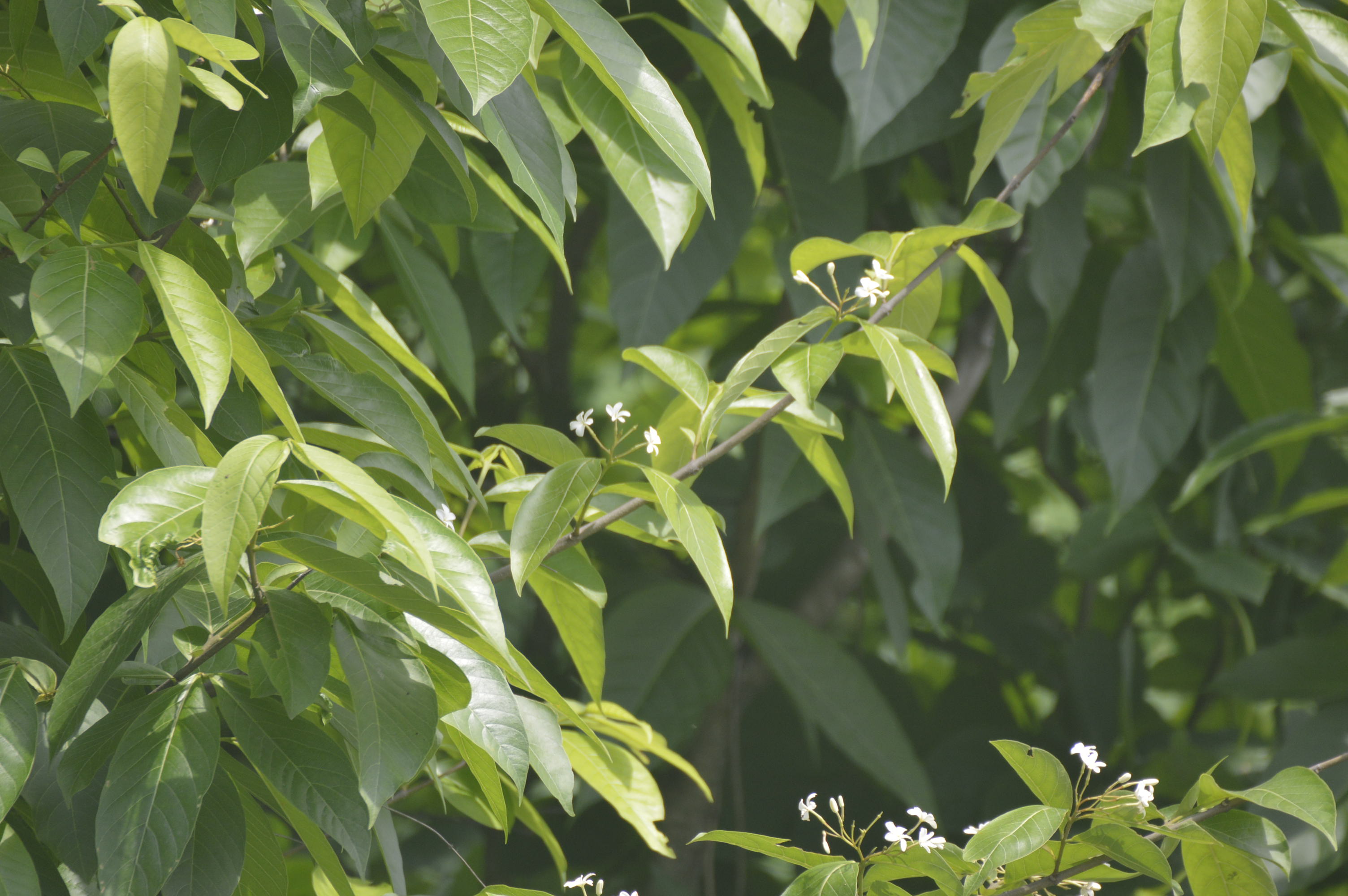
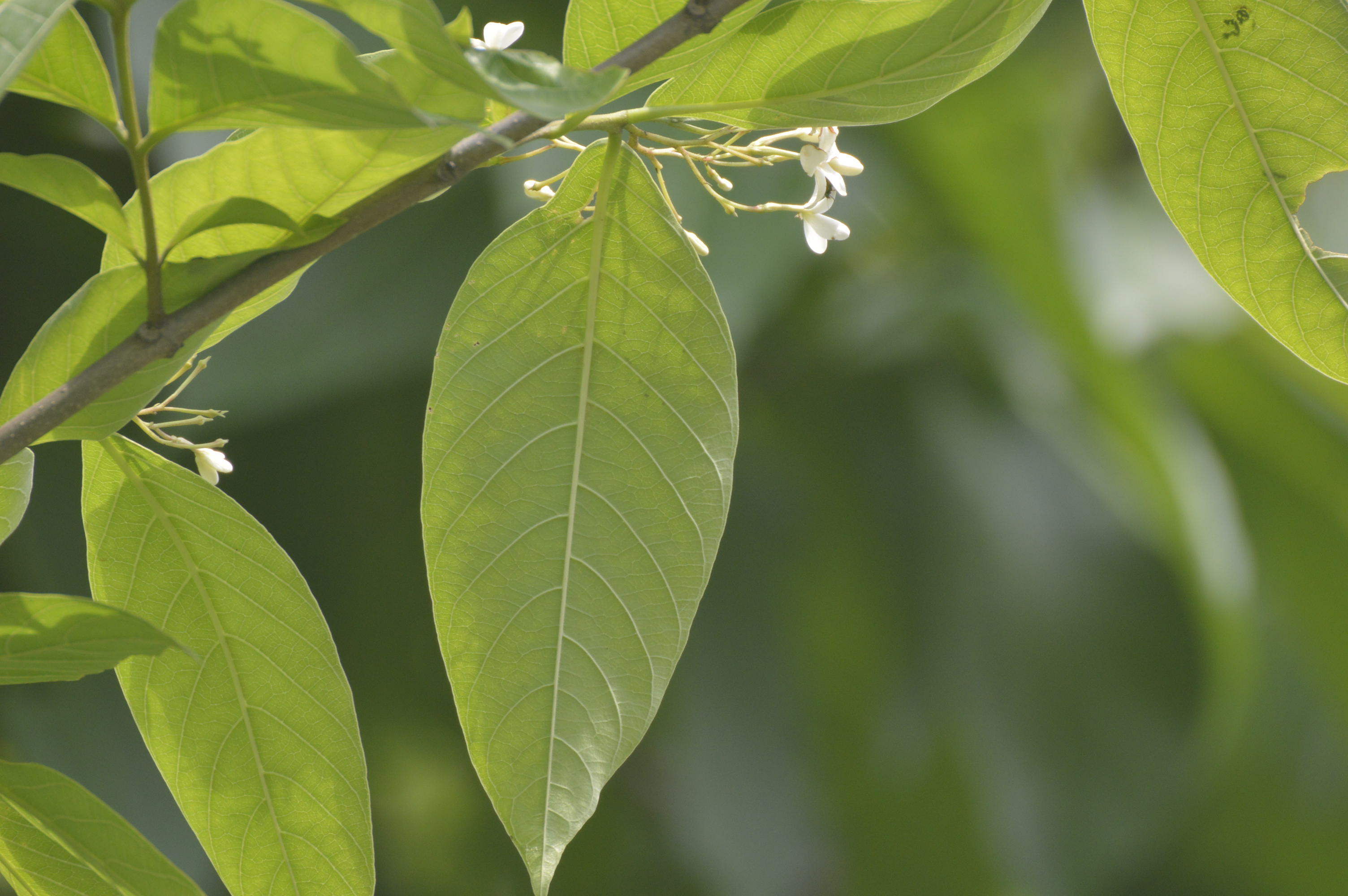
Holarrhena pubescens


Updated on September 24, 2026