
|
SK660 20 JUL-2017:ID : 6 posts by 3 authors. Attachments (9)
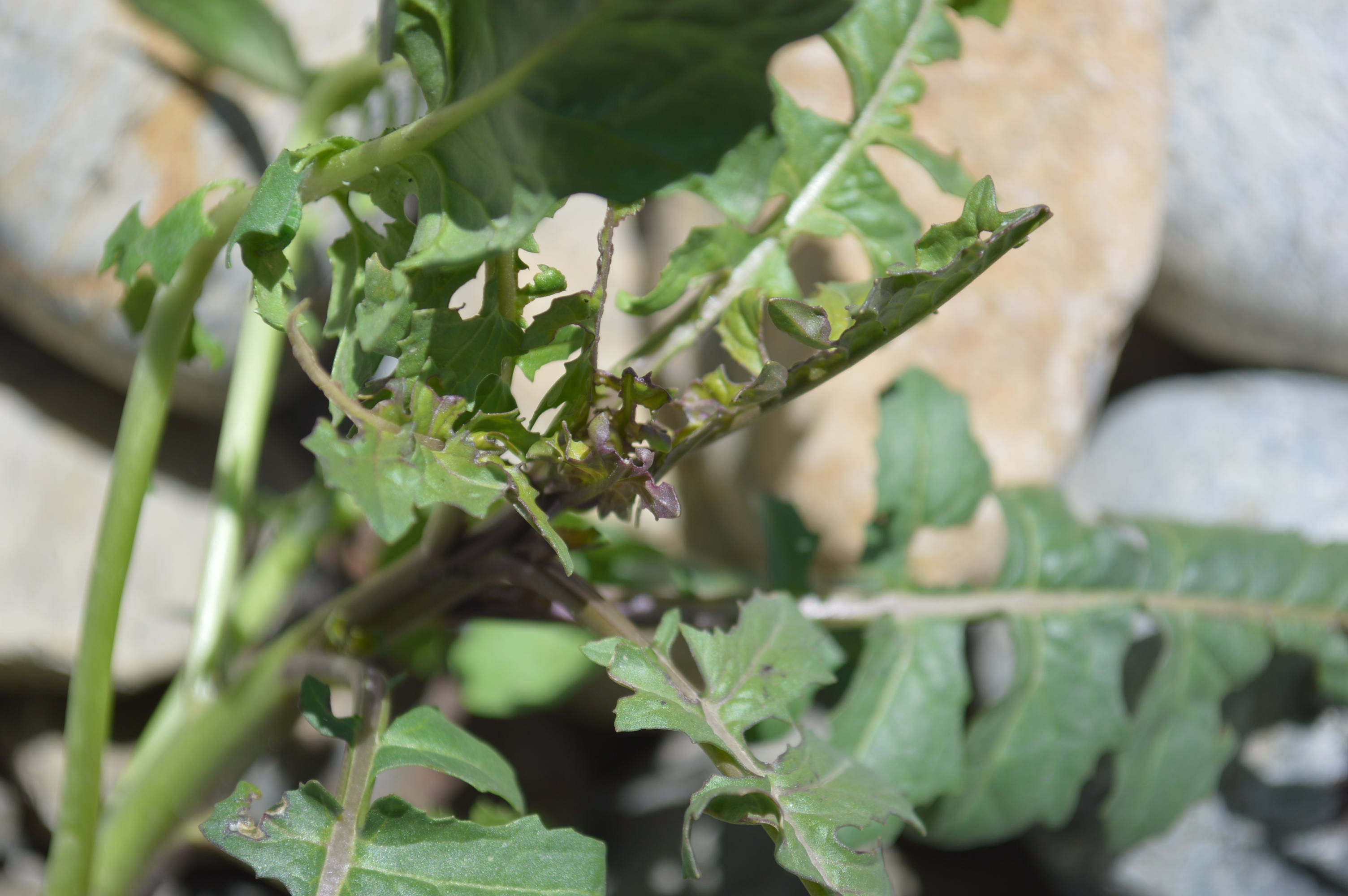
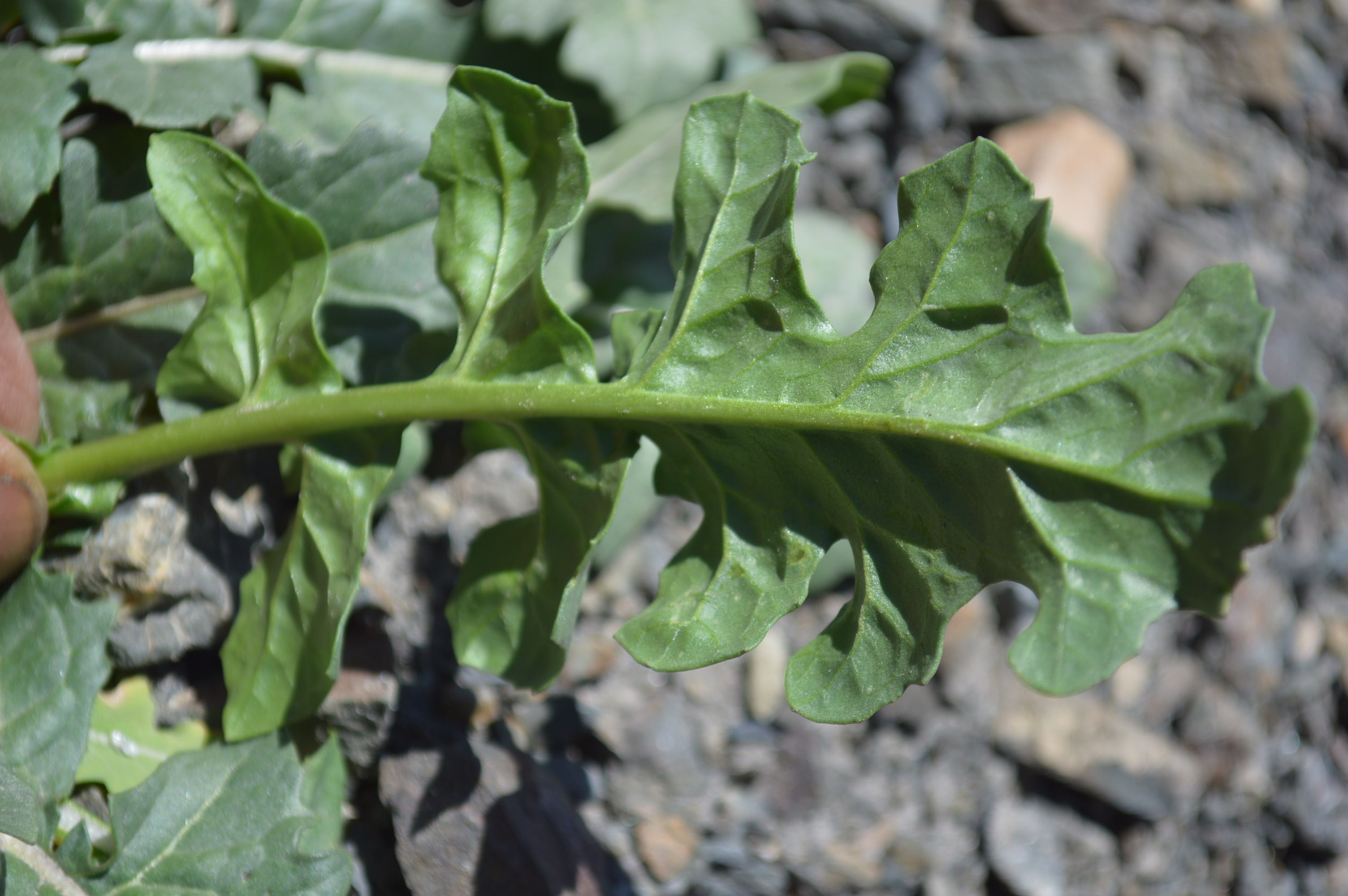
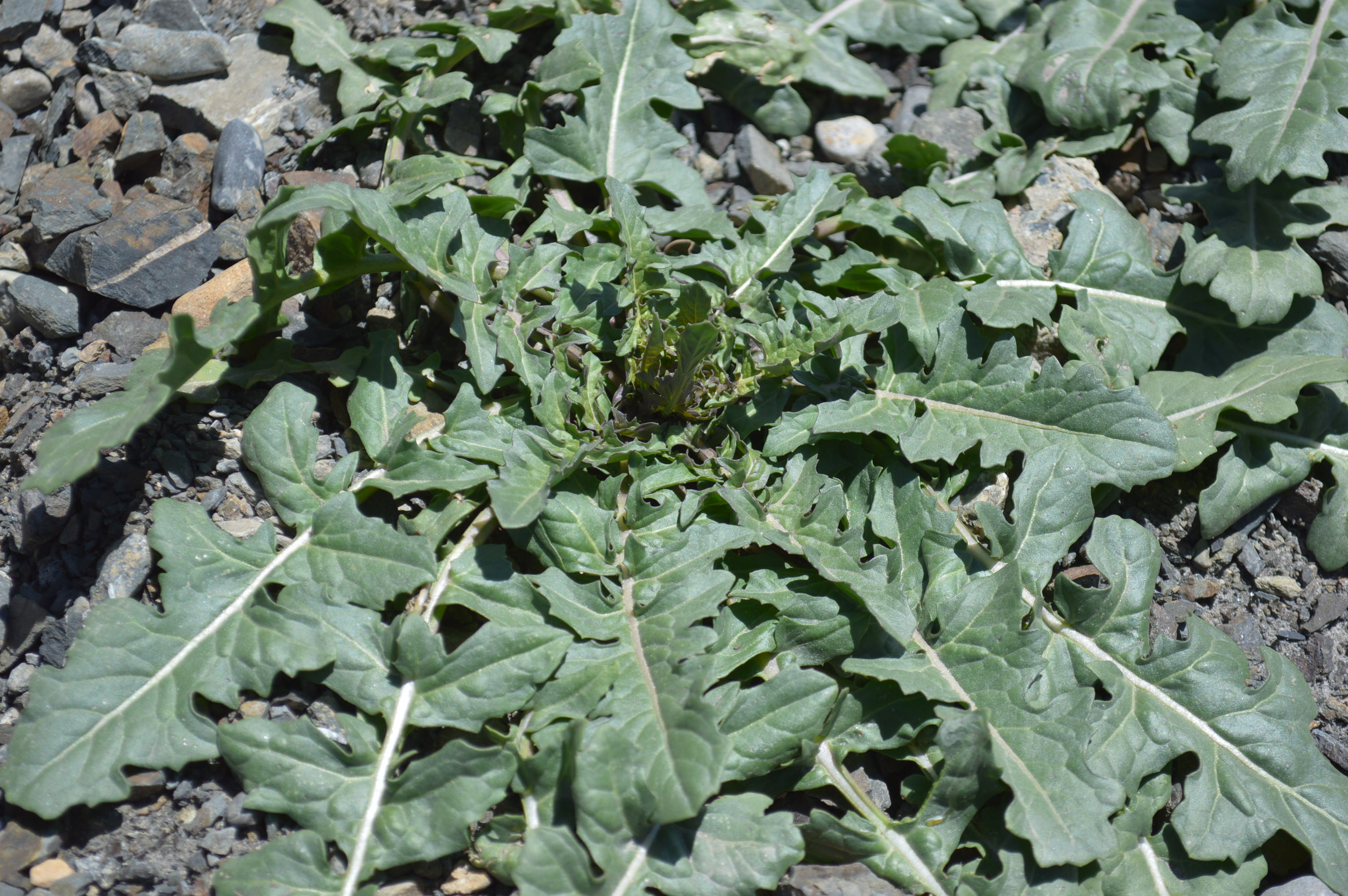
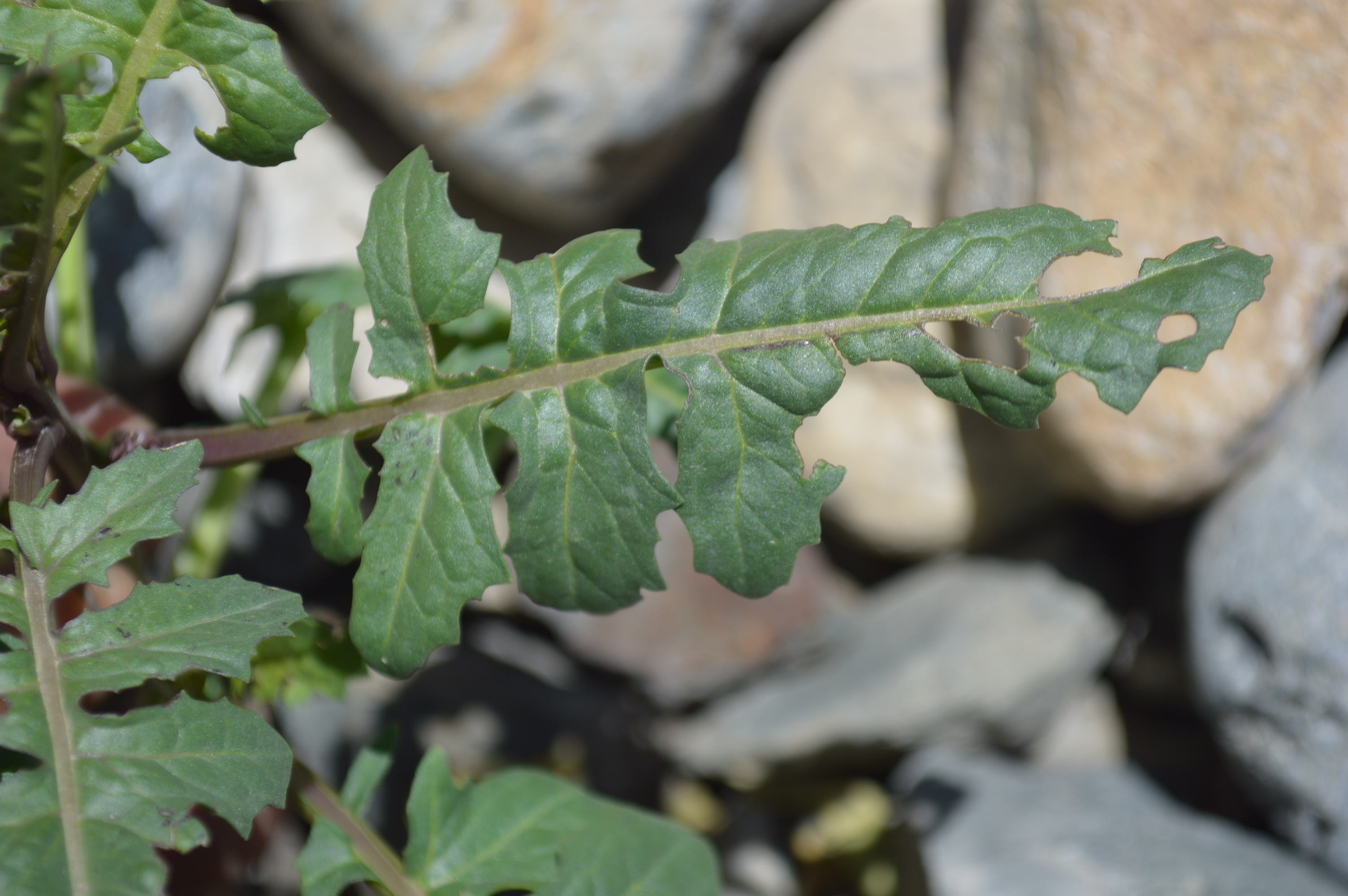
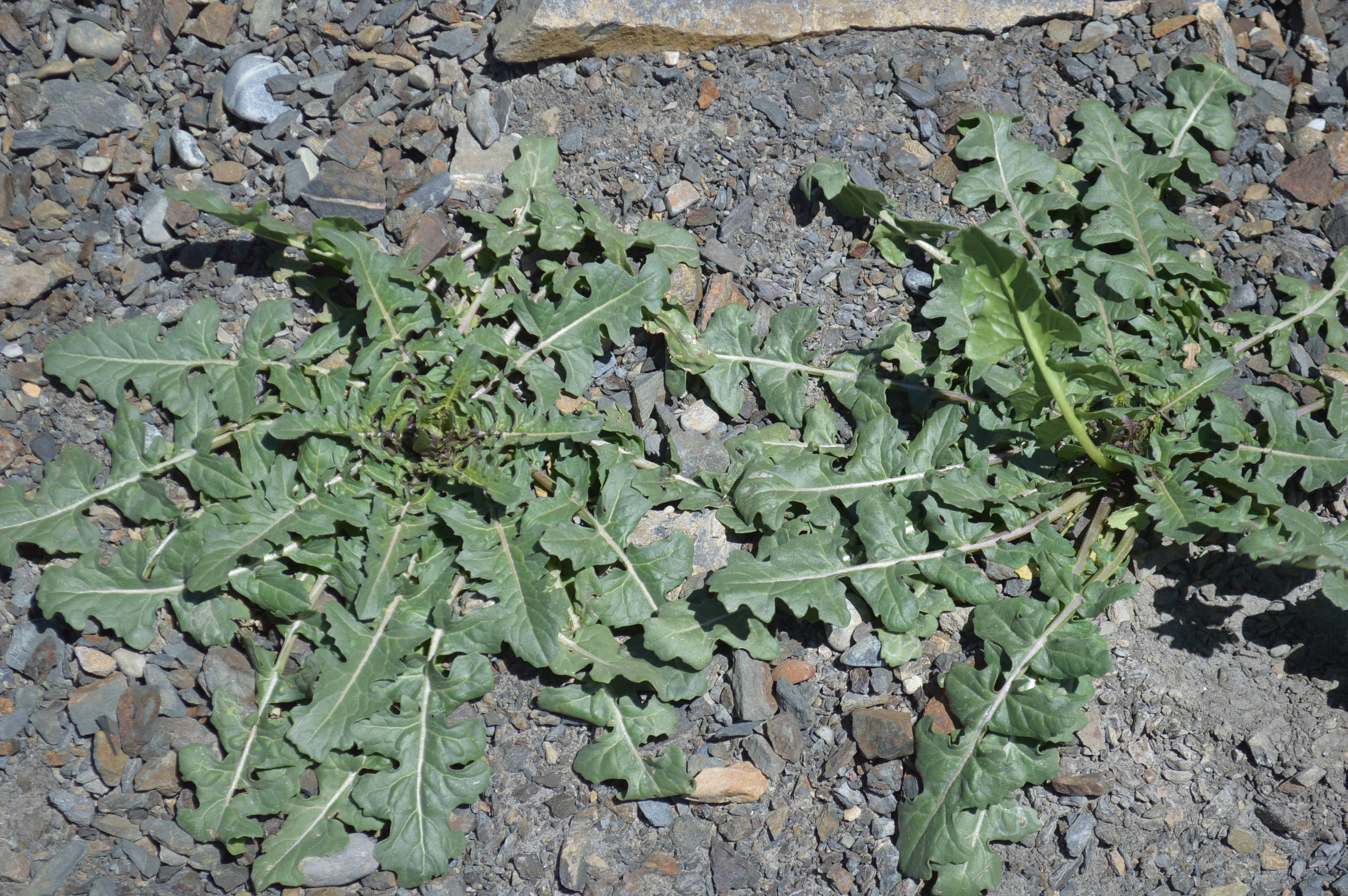
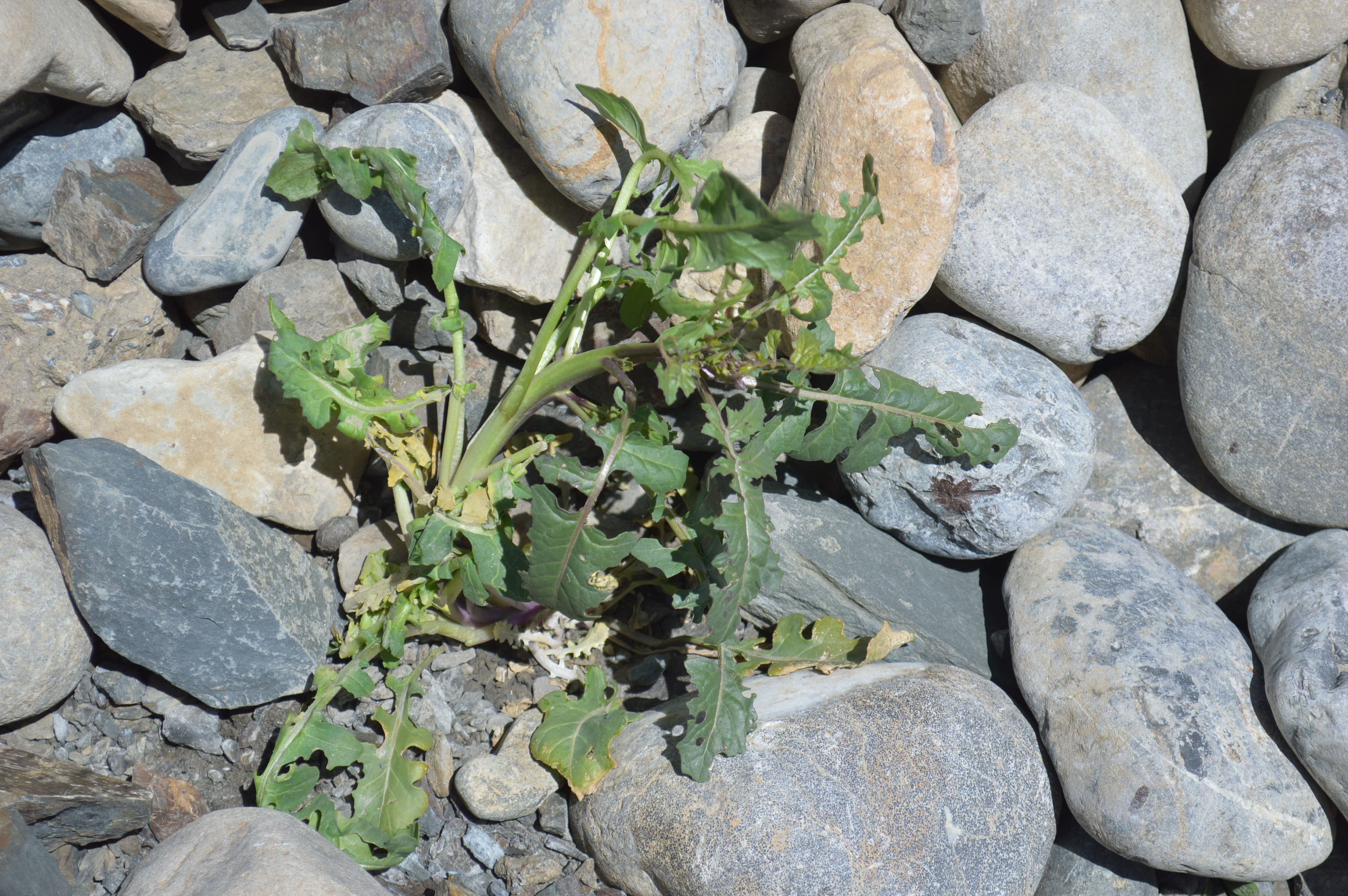
Location: Kagbeni, Mustang, Nepal
Date: 9 April 2017
Altitude: 10000 ft.
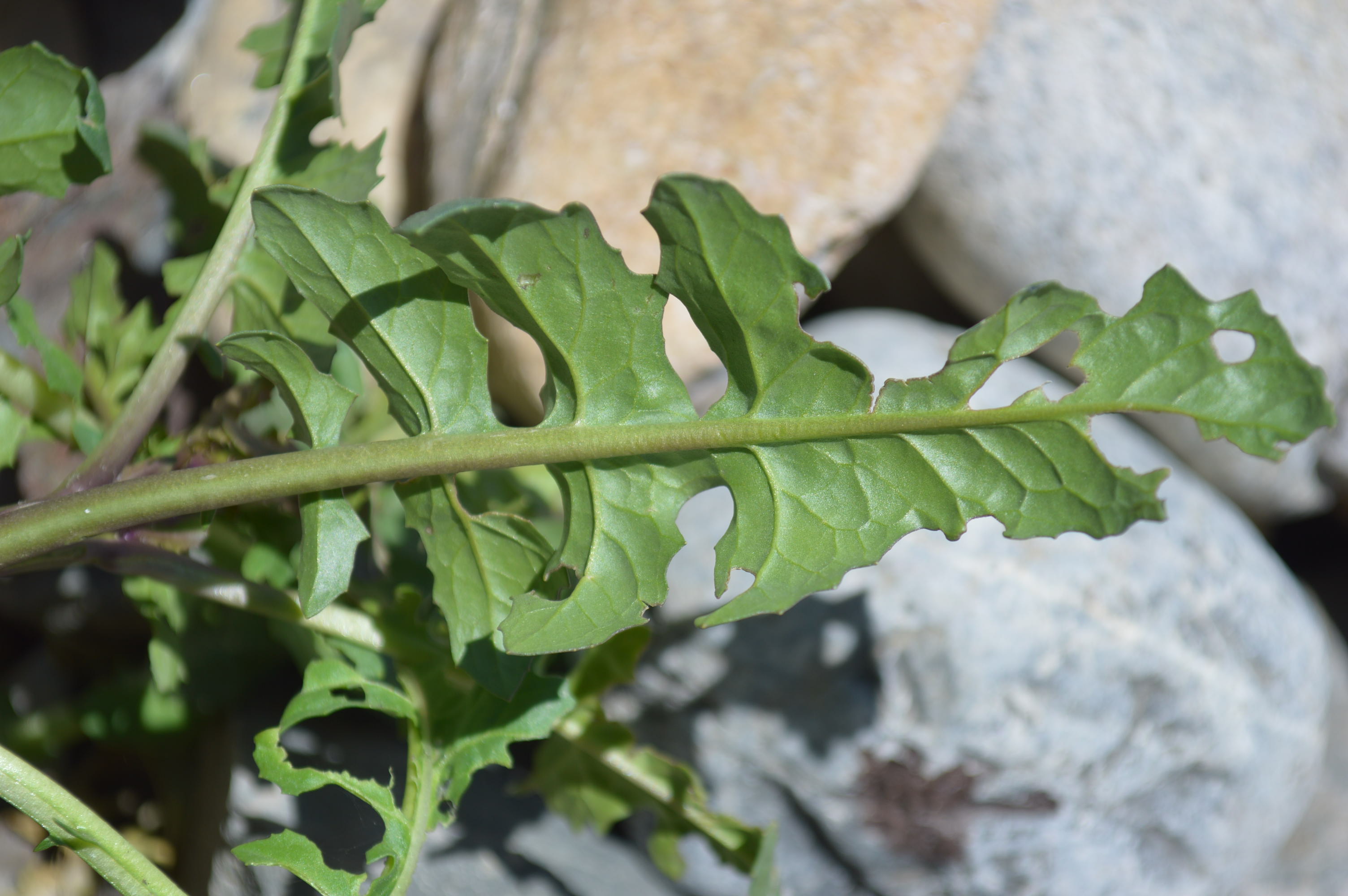
No flowers yet !
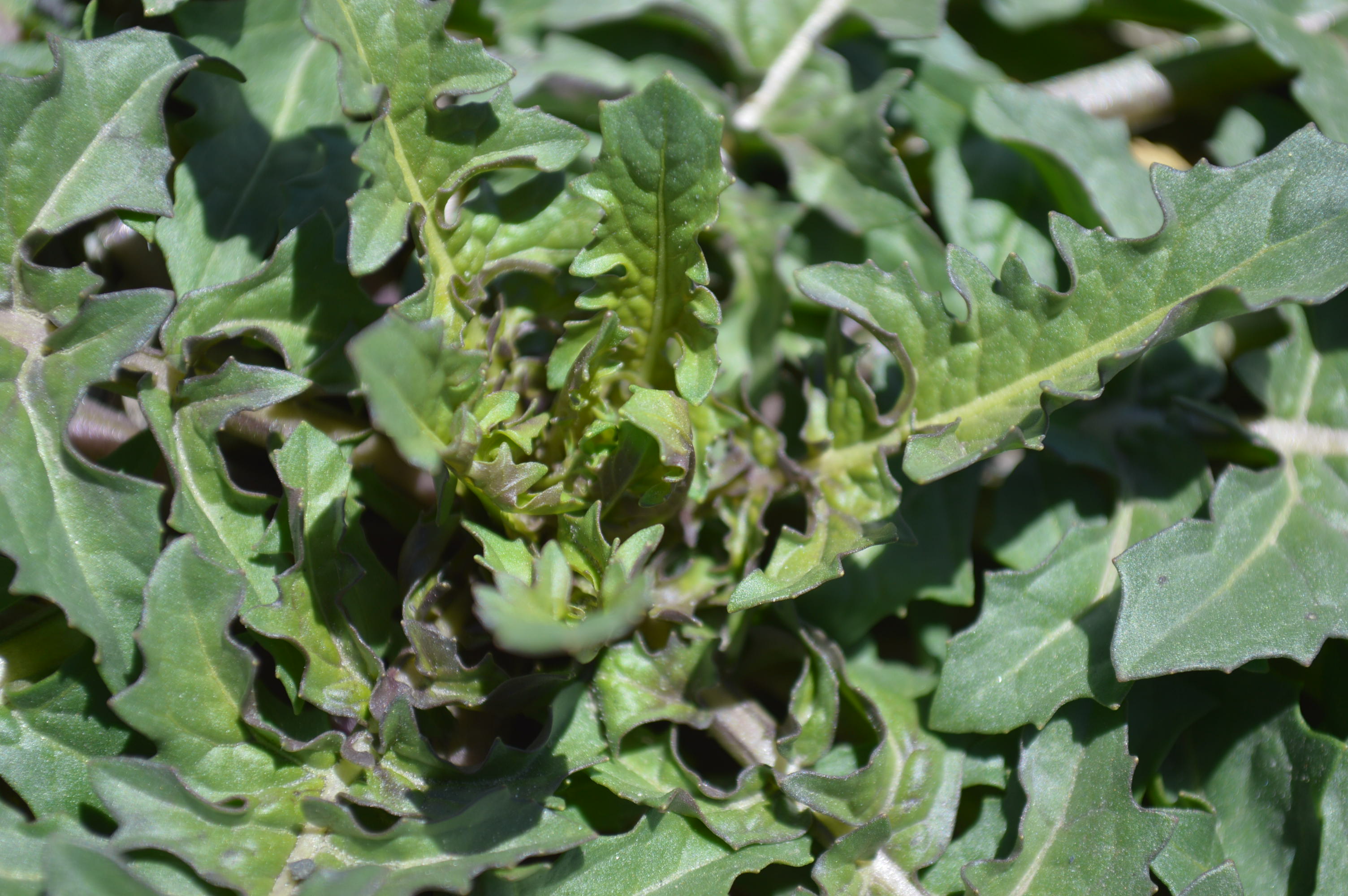
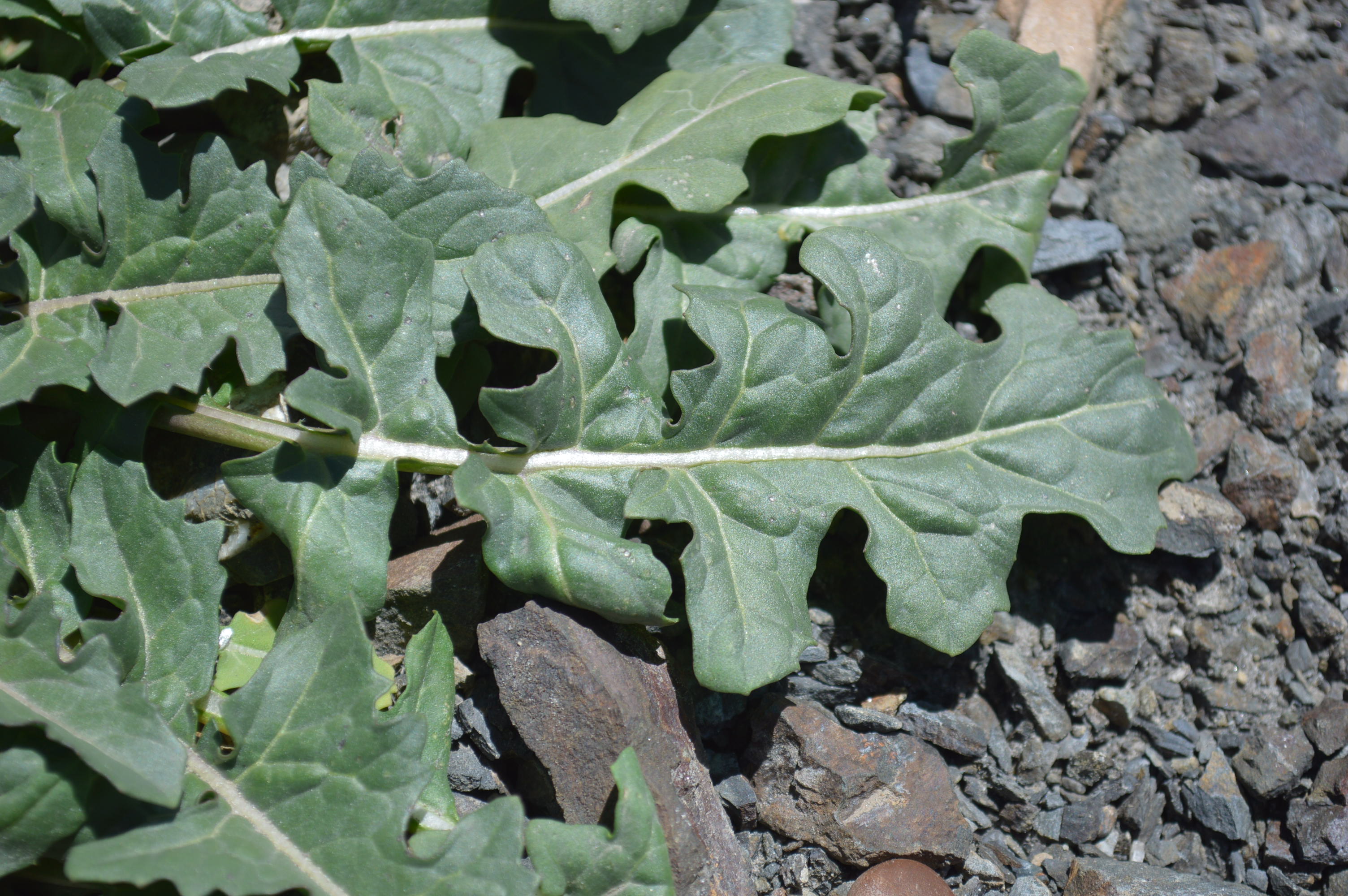
Asteraceae member? Pl. try to check comparative images at Cichorieae under Asteraceae. May not be Asteraceae… Good chances of this being from Brassicaceae..!! Pl. check comparative images at Brassicaceae Barbarea intermedia Boreau ?? Maybe. Can not confirm. Pl. check GBIF specimens. Thank you … ! I have found only this species having distribution in Nepal. If it is Barbarea sp. it should be the same sp. otherwise some other genus !
Sisymbrium irio L.
https://www.gbif.org/species/3046851
https://gobotany.nativeplanttrust.org/species/sisymbrium/irio/. Thank you. Isn’t the elevation too high for this species? :
http://www.efloras.org/florataxon.aspx?flora_id=110&taxon_id=200009679 I think images at GBIF of Barbarea intermedia are more closer (see the central portion of the rosette):
Elevation range is 1200-4100m. .
Barbarea verna (Mill.) Asch.: 9 very high res. images.
Location: Gyaneswor, Kathmandu, Nepal
Date: 23 April, 2026
Altitude: 1400 m. Habitat : Cultivated
Why not Barbarea intermedia ? No idea Google AI search gives the following:
Barbarea intermedia (Medium-flowered winter-cress) and Barbarea verna (Early winter-cress / American cress) are closely related biennial herbs in the mustard family (Brassicaceae). While both are grown for their edible, peppery leaves, they differ distinctly in their flower size, leaf structure, and seed pods. [1, 2, 3, 4, 5] Key Differences
Overview of Each Species
Now you can decide based on these.
Google AI search on ‘Barbarea verna + Nepal’ says: EFN says elevation range 3000 m. above.
And Nepal Plant database herbarium has all sps. above 3000m.
Thank you.
But it was cultivated. I guess it was mixed up with other seeds from the UK which I have brought, and the elevation looks matching.
|
Is it Barbarea intermedia ?
Updated on August 21, 2026