
Mimosa prainiana Gamble, Fl. Madras: 421 (1919) ;
.
India as per POWO;
>
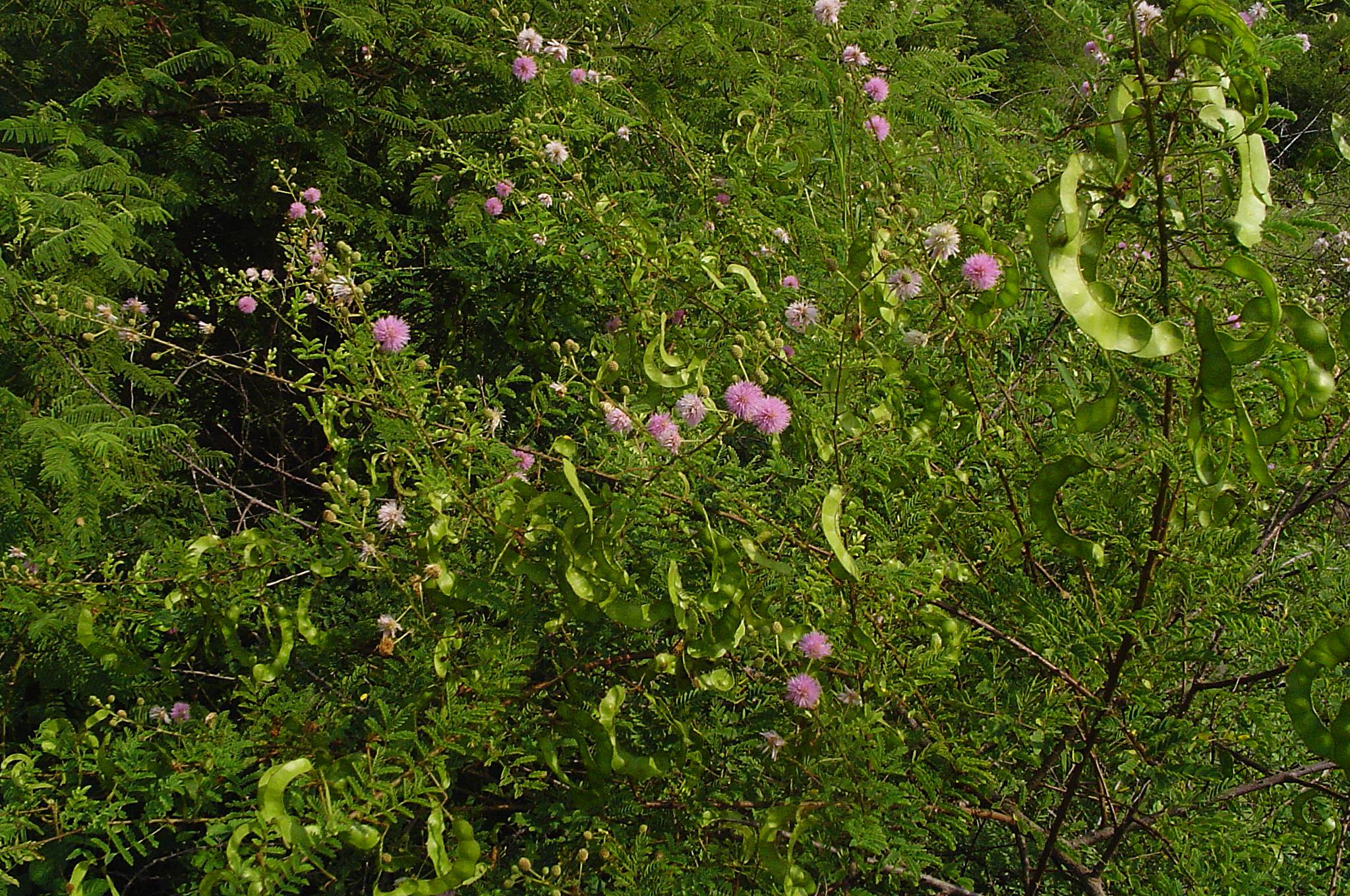 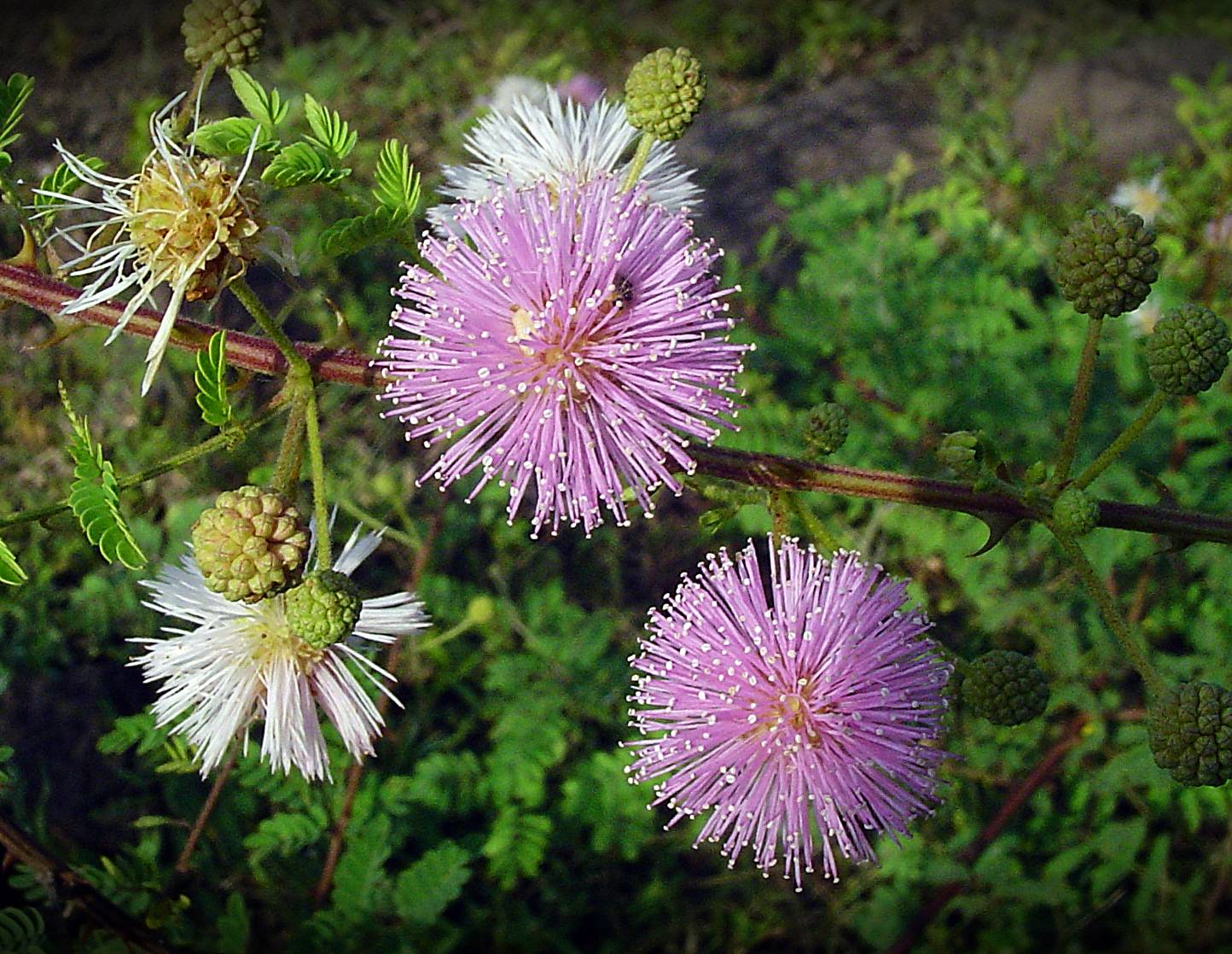 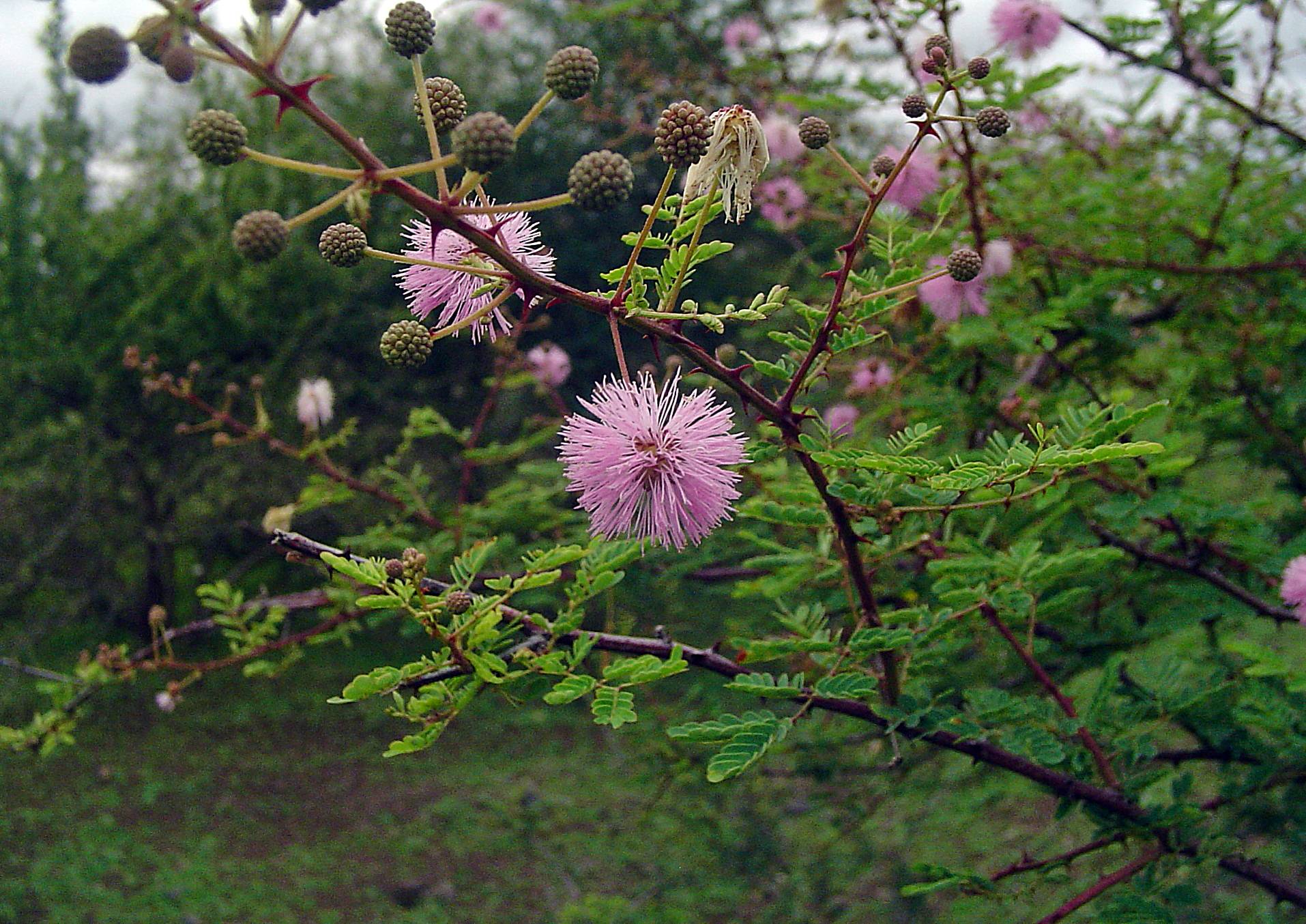 |
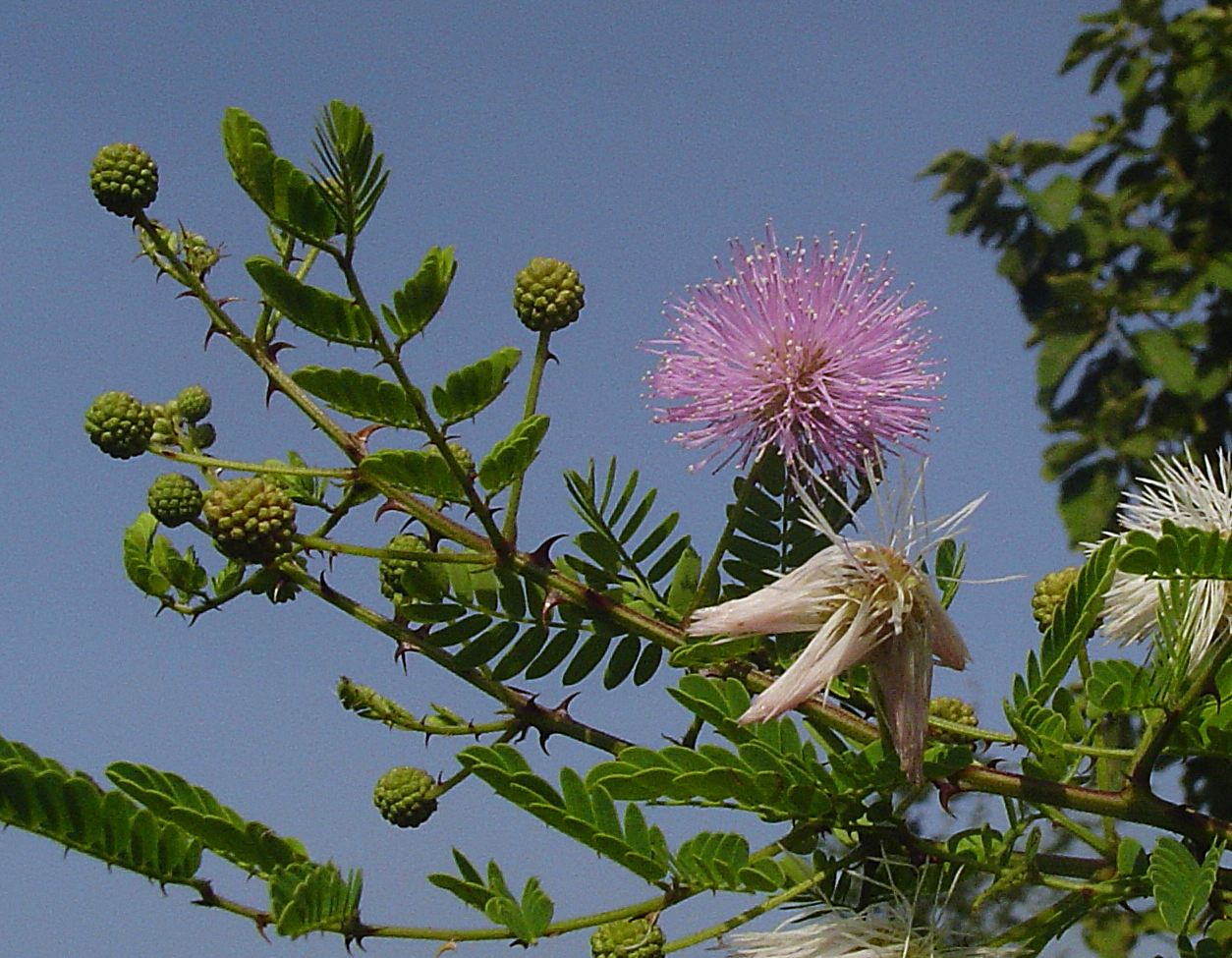
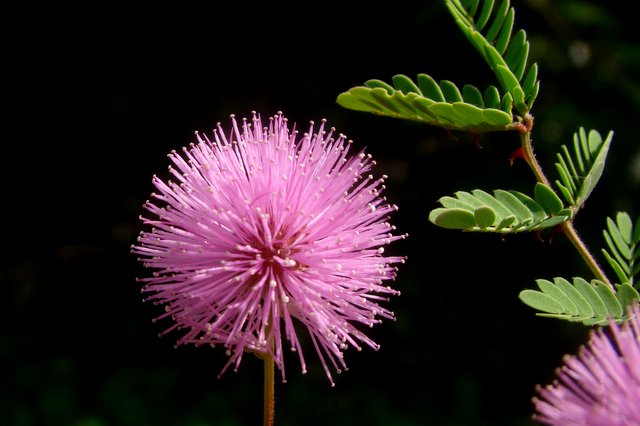
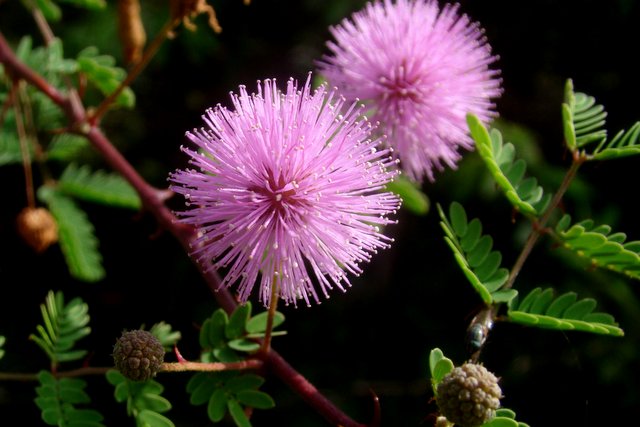
Fabaceae-Mimosoideae (Mimosaceae) Week: Mimosa hamata at Nagpur: Sharing few photographs of “Gulabi Babul“.
Bot. name: Mimosa hamata
Family: Mimosaceae
Date/Time: 17-09-2007/ 08:45AM and 17-08-2008/06:30PM
Location: Gorewada Nagpur and Kankarla Fort in Dhule region
Habitat: Wild
Plant habit: Shrub
Bot. name: Mimosa hamata
Family: Mimosaceae
Date/Time: 17-09-2007/ 08:45AM and 17-08-2008/06:30PM
Location: Gorewada Nagpur and Kankarla Fort in Dhule region
Habitat: Wild
Plant habit: Shrub
https://groups.google.com/g/indiantreepix/c/EiPgk0eCdhY
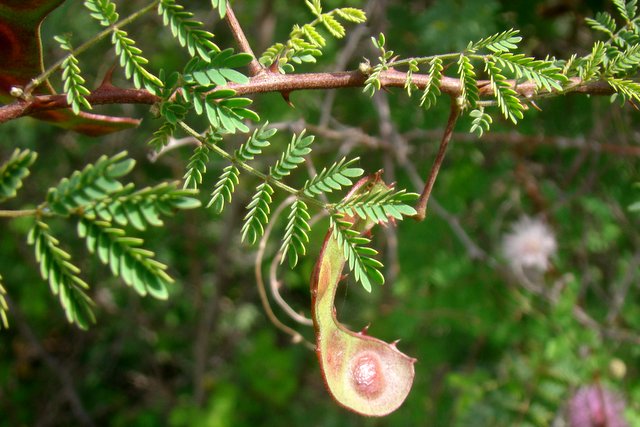
For the link above this should be Mimosa prainiana, pods and prickles on sutures do not resemble to M. hamata.
.
   |
Mimosa hamata : Attachments (3). 5 posts by 4 authors.
Mimosa hamata
At Pattadakal,karnatak
4 Oct,2013
what is the difference between mimosa hamata and pudica
Mimosa pudica is a small low-spreading shrub scarcely more than 50 cm tall, M. hamata is robust shrub up to 2 m tall
M. pudica has only 1-2 pairs of pinnae crowded at tip of rachis, M. hamata has 3-6 pairs of widely spread pinnae
M. pudica has 12-20 pairs of leaflets, whereas M. hamata has 6-10 pairs of leaflets
Fruit in M. pudica is less than 2 cm long, glabrous with spinous sutures, it is 5-8 cm long in M. hamata with velvety surface and prickly sutures.
M. hamata, is however much closer to M. himalayana in which pinnae are 5-12 pairs, and pod glabrous
M. hamata, is however much closer to M. himalayana in which pinnae are 5-12 pairs, and pod glabrous
https://groups.google.com/g/
for the link above this should be Mimosa prainiana.
.
References:
POWO Flora of peninsular India iNaturalist