
|
Phytolacca octandra L., Sp. Pl., ed. 2.: 631 (1762) ;
.
Mexico to S. Tropical America: Argentina Northwest, Bolivia, Brazil Northeast, Colombia, El Salvador, Galápagos, Guatemala, Honduras, Mexico Central, Mexico Gulf, Mexico Northeast, Mexico Southeast, Mexico Southwest, Nicaragua, Paraguay, Peru, Venezuela; Introduced into: Arizona, Cape Provinces, Cook Is., Eswatini, Free State, Hawaii, Jawa, Kenya, KwaZulu-Natal, Lesotho, Madagascar, Malaya, Mozambique, New Caledonia, New South Wales, New Zealand North, Norfolk Is., Northern Provinces, Northern Territory, Queensland, South Australia, Sri Lanka, Sumatera, Victoria, Western Australia, Wisconsin, Zimbabwe as per POWO;
.
Keys at Flora of North America
.
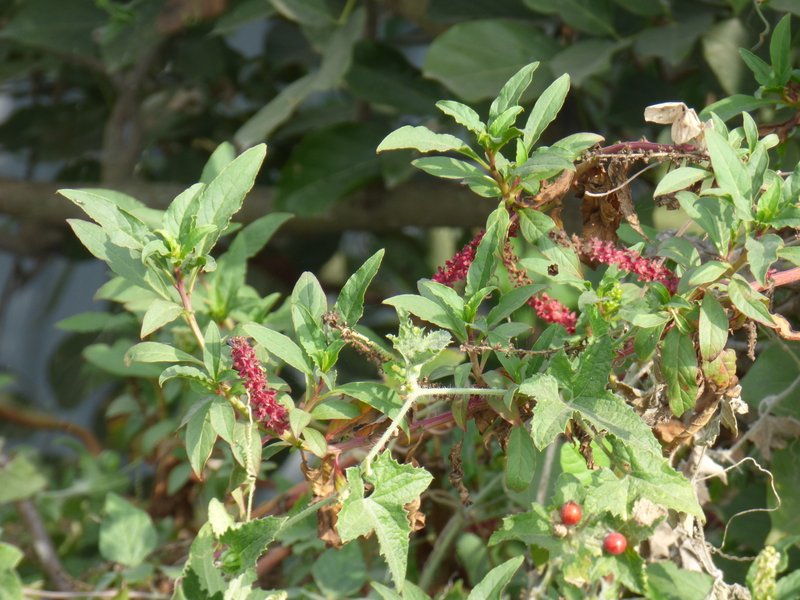
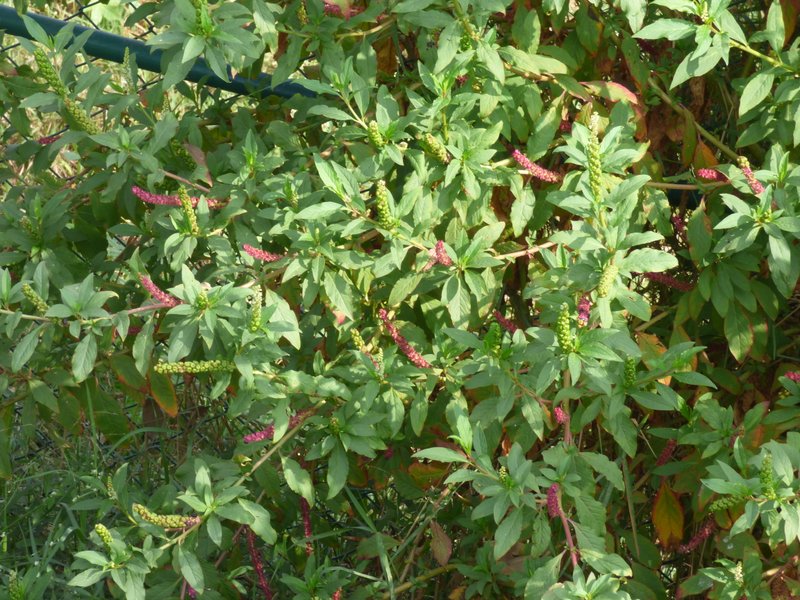
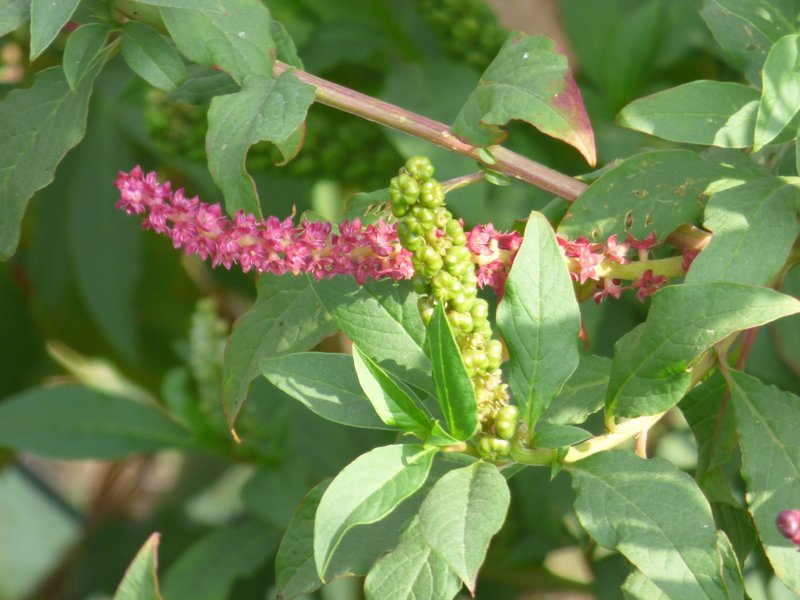
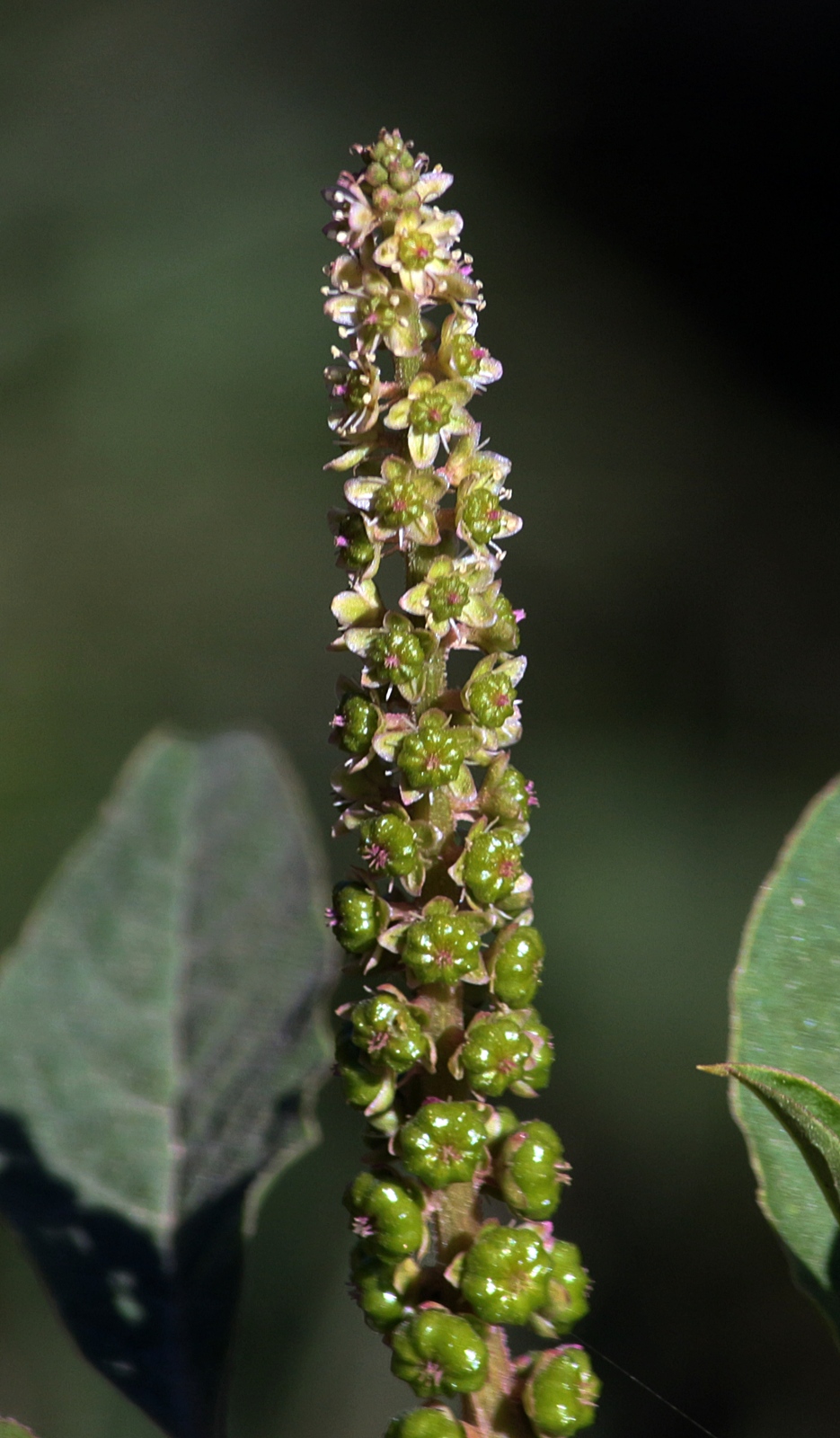
Inkweed (Phytolacca octandra) is very similar to American pokeweed (Phytolacca americana) and Venezuelan pokeweed (Phytolacca rivinoides). These species can be distinguished by the following differences:
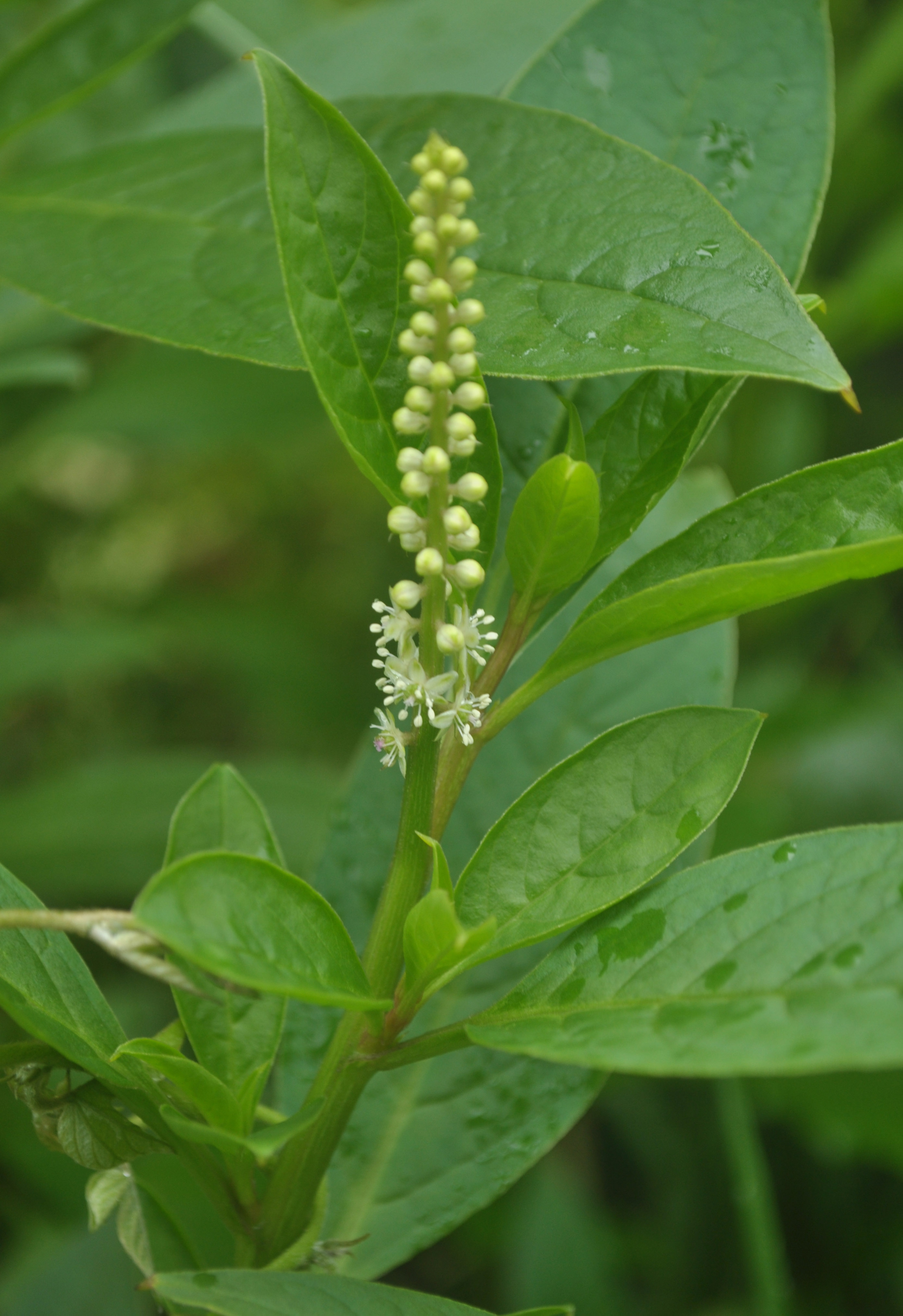
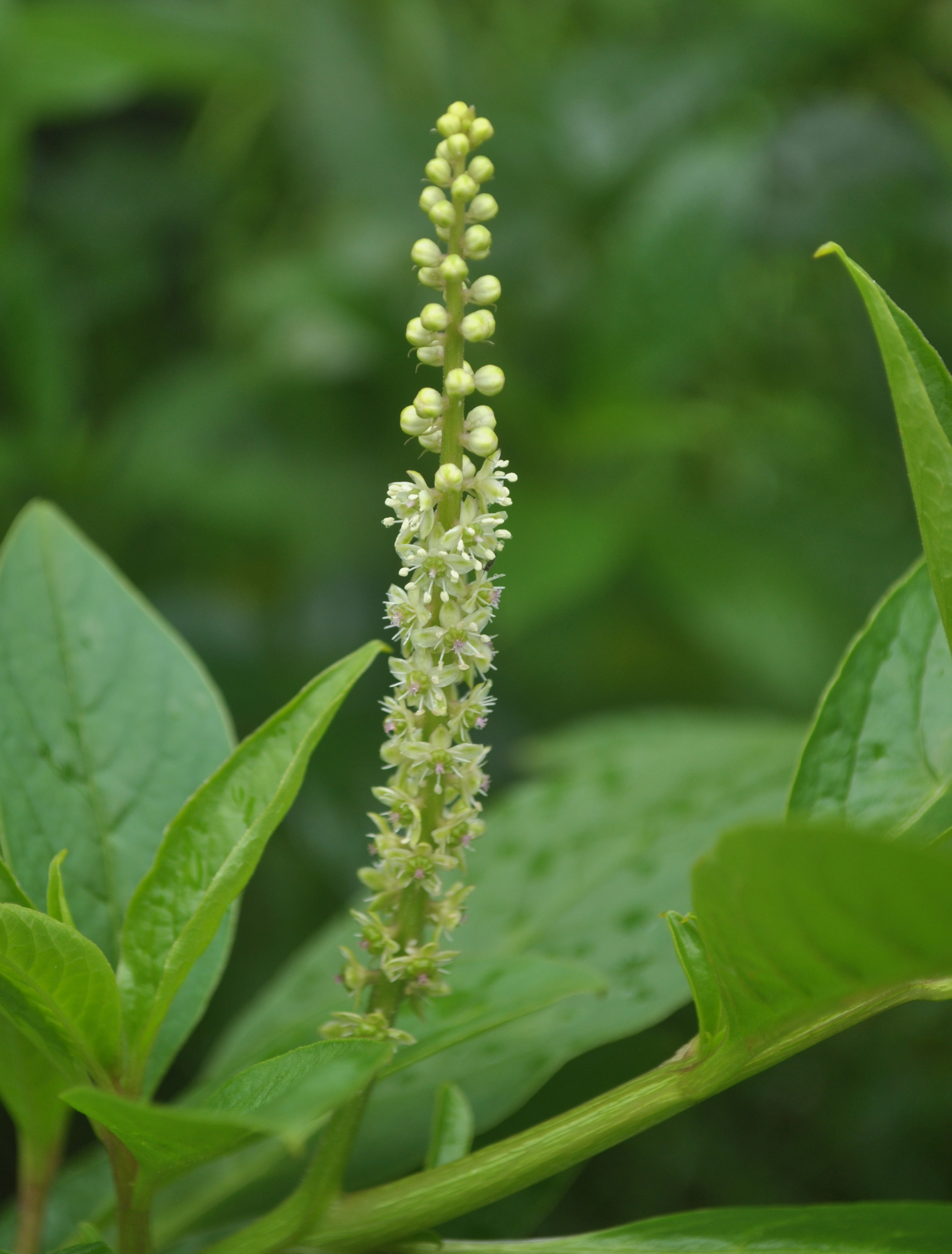
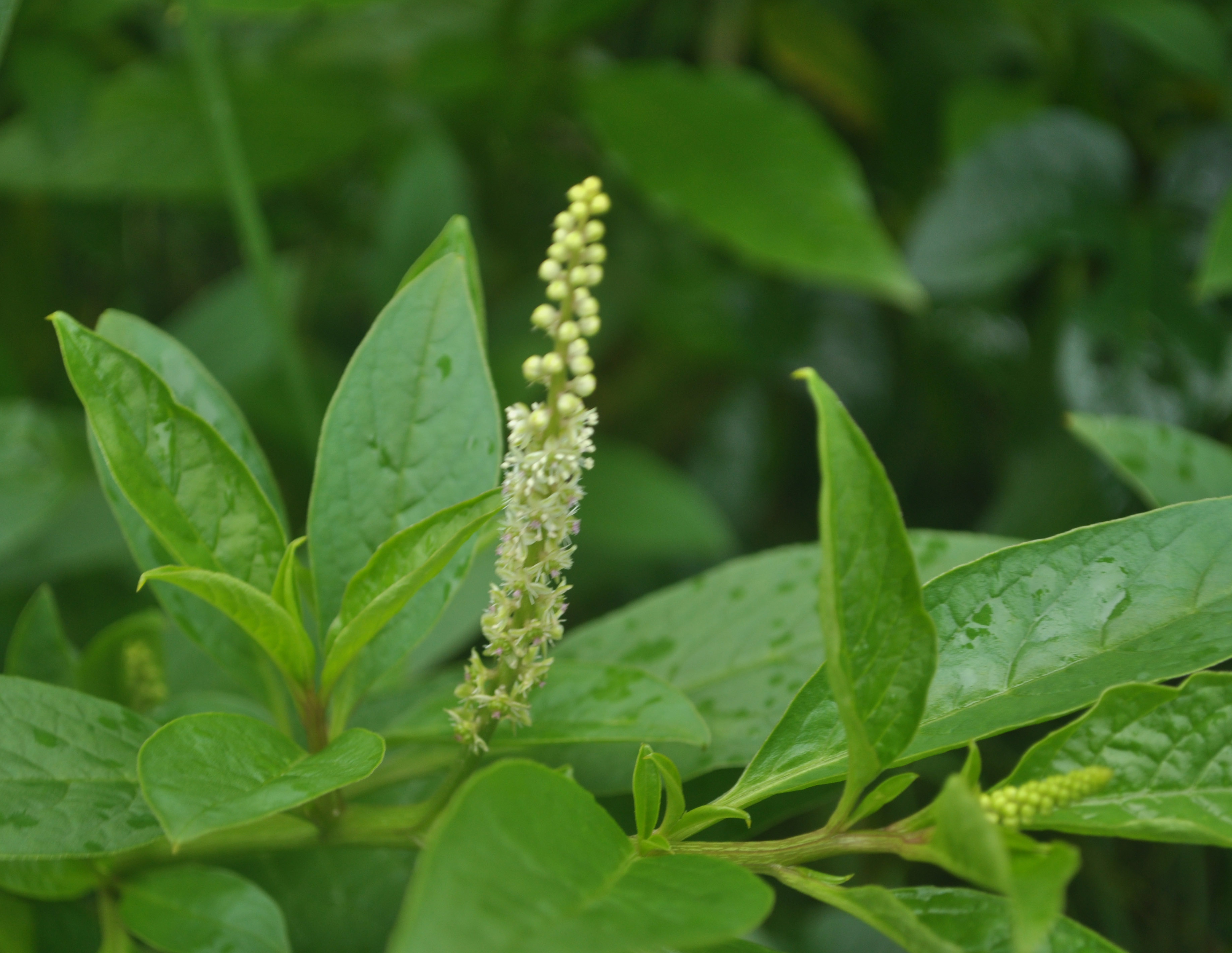
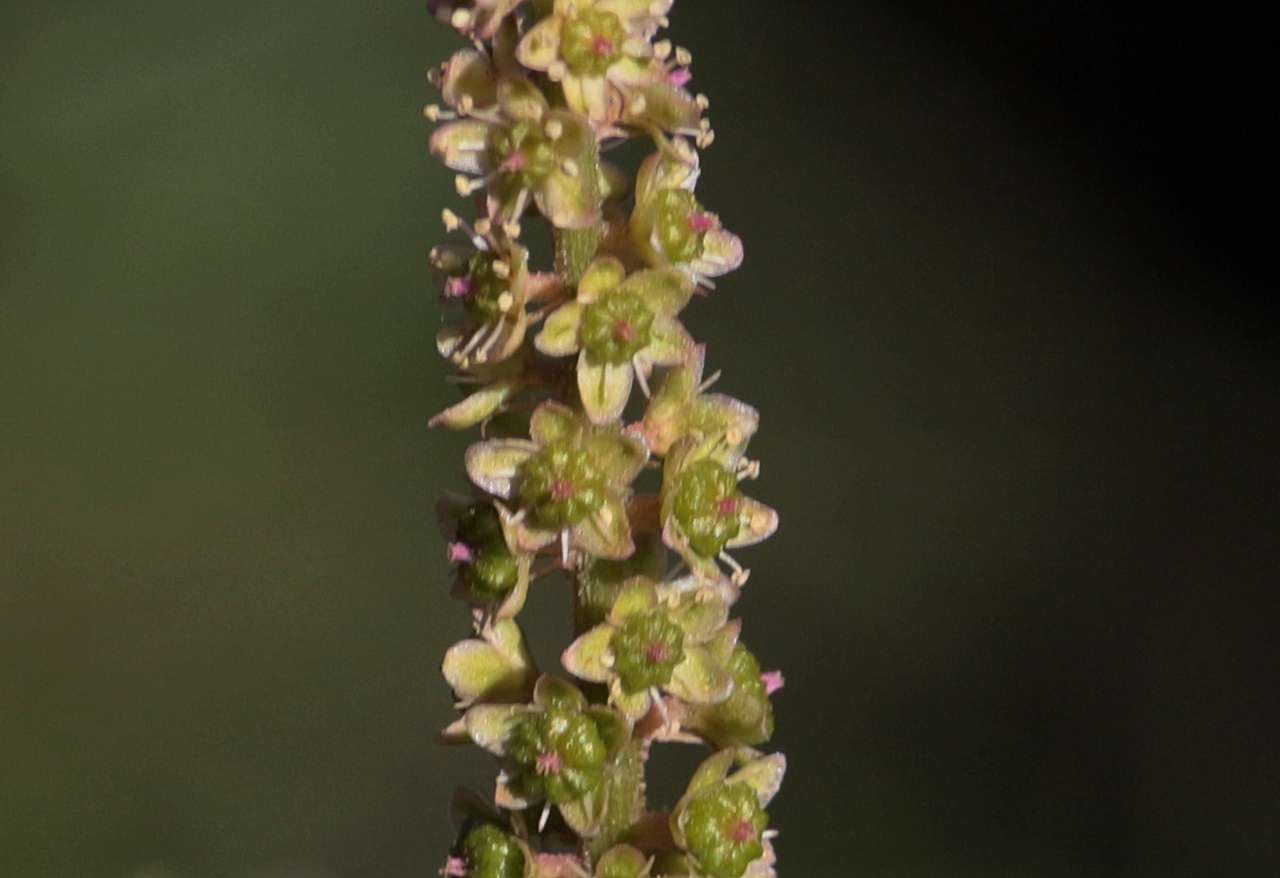
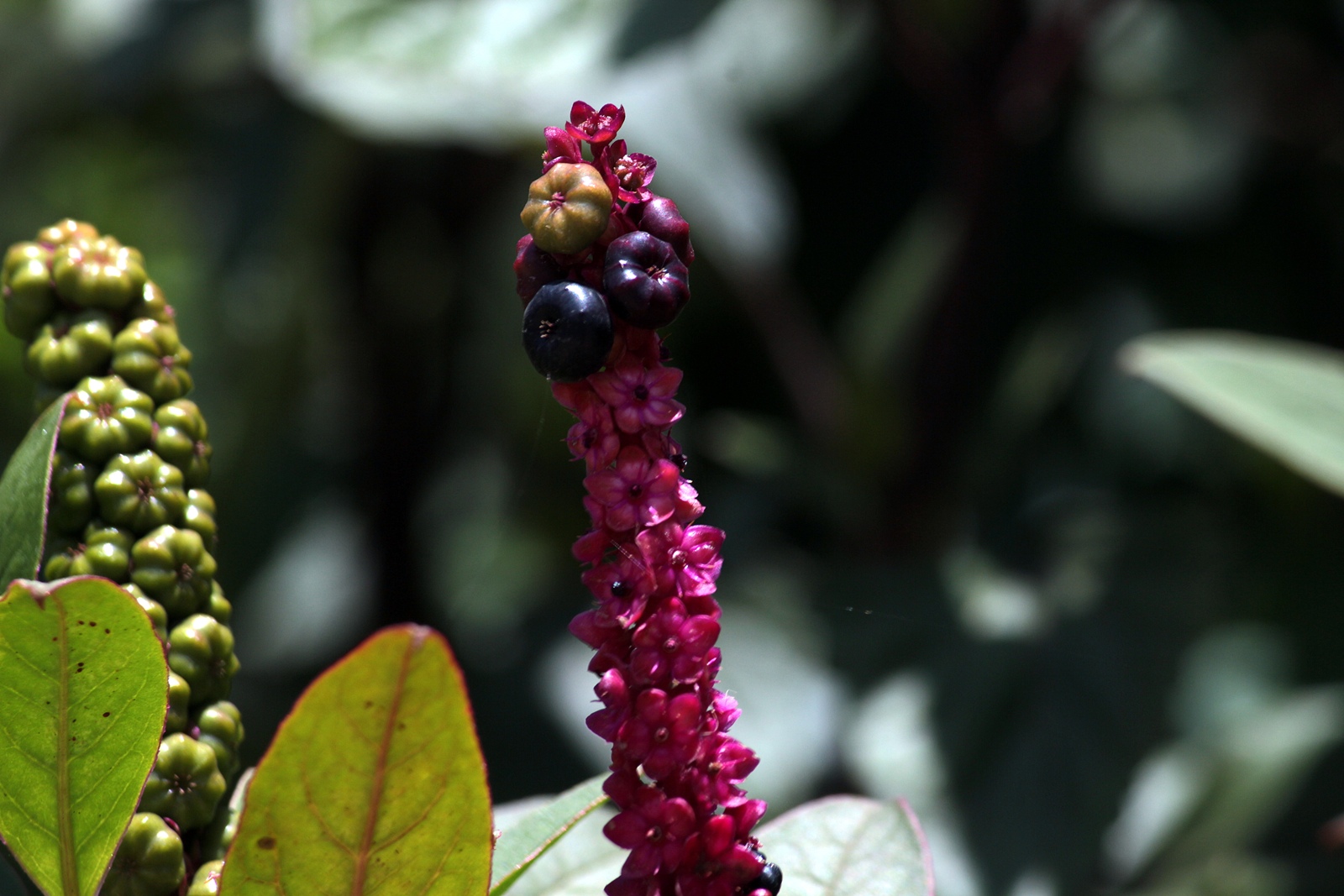
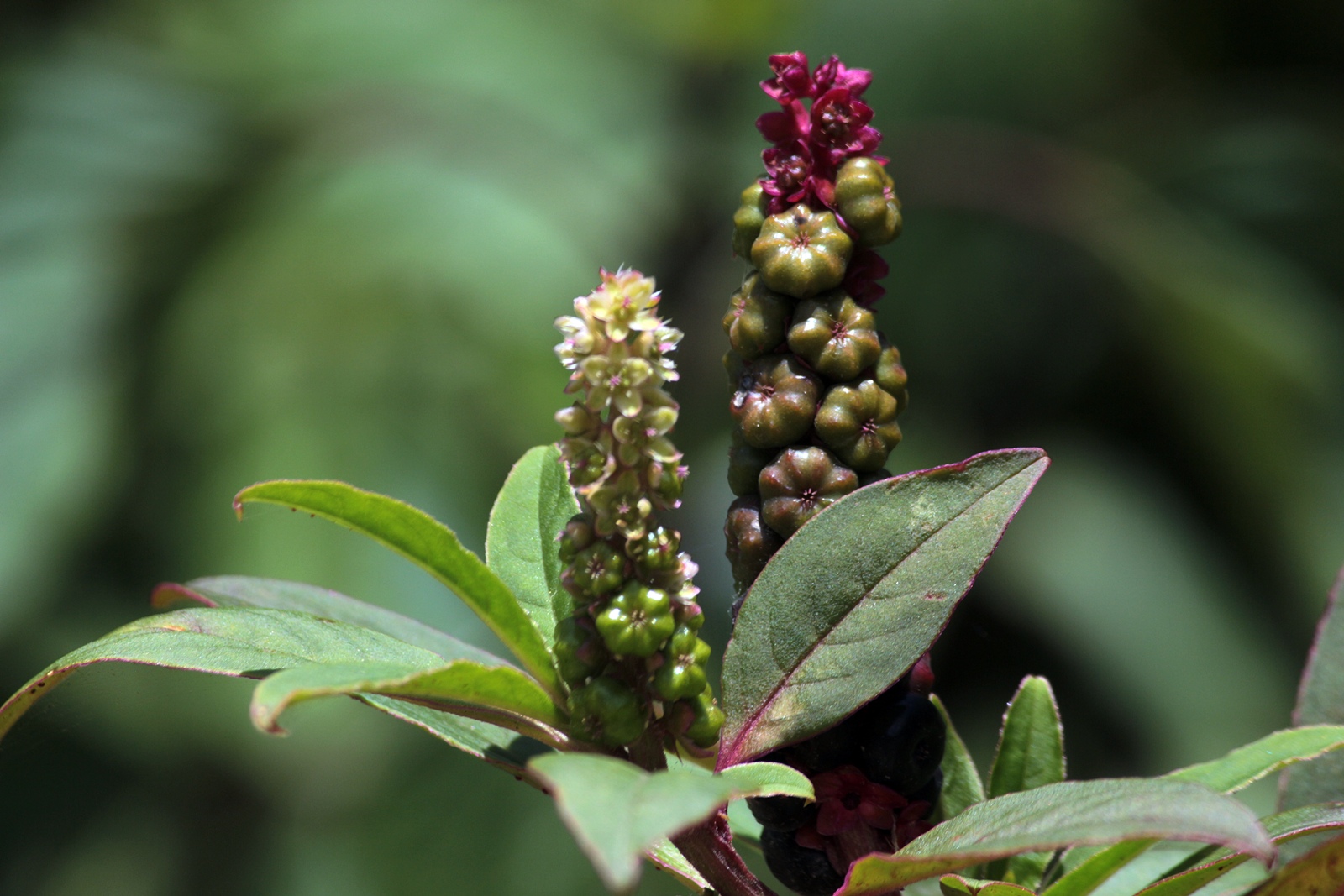
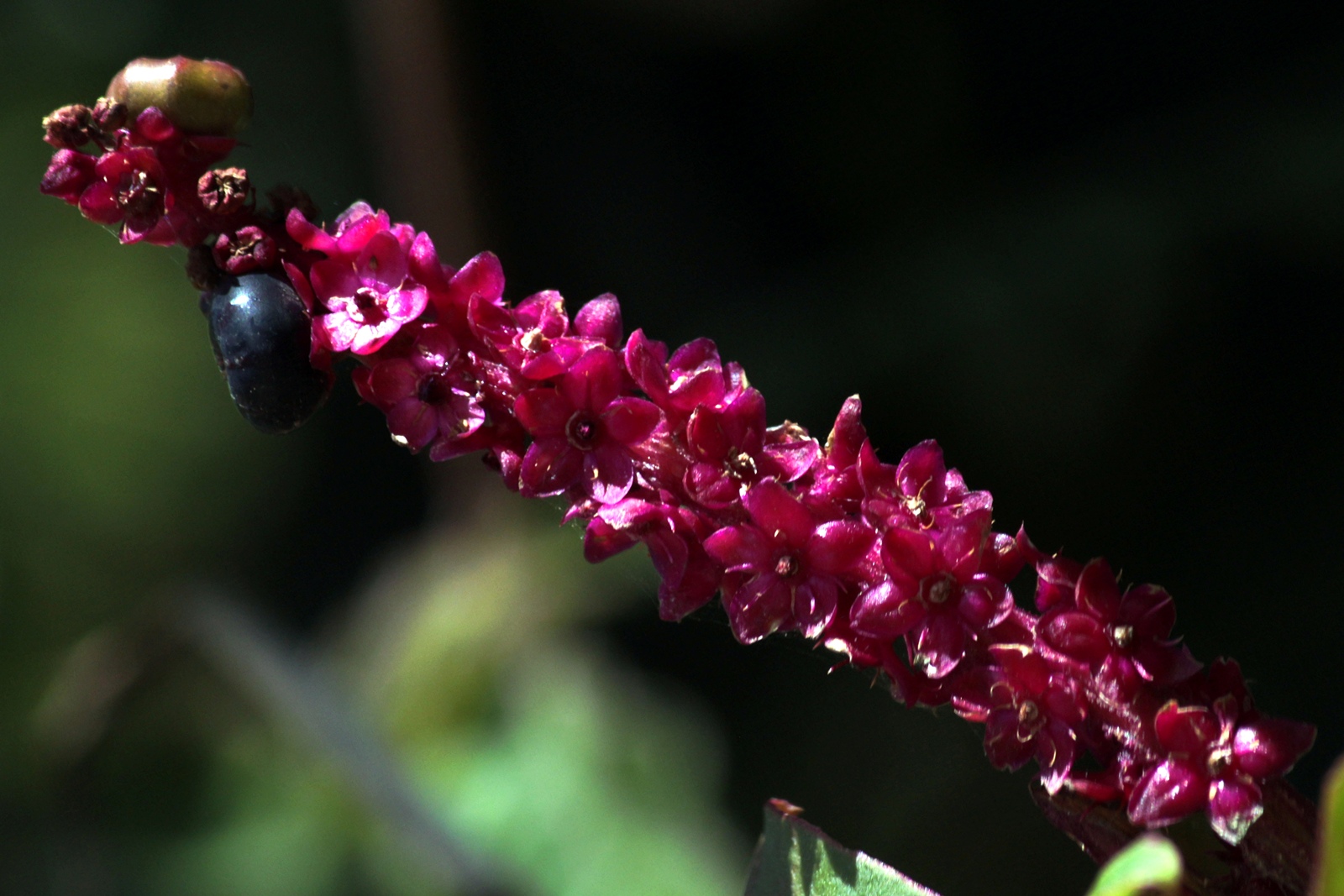
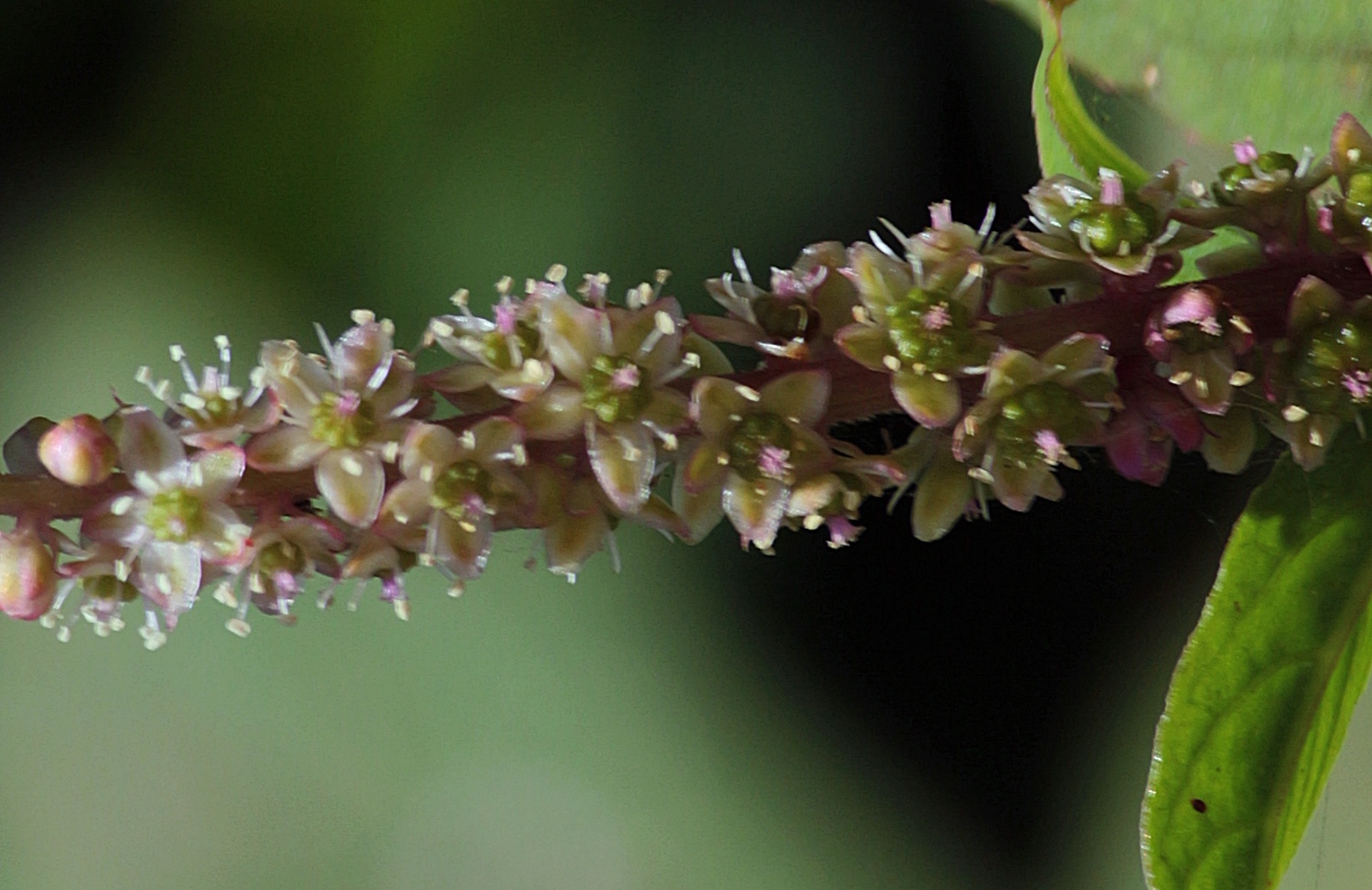
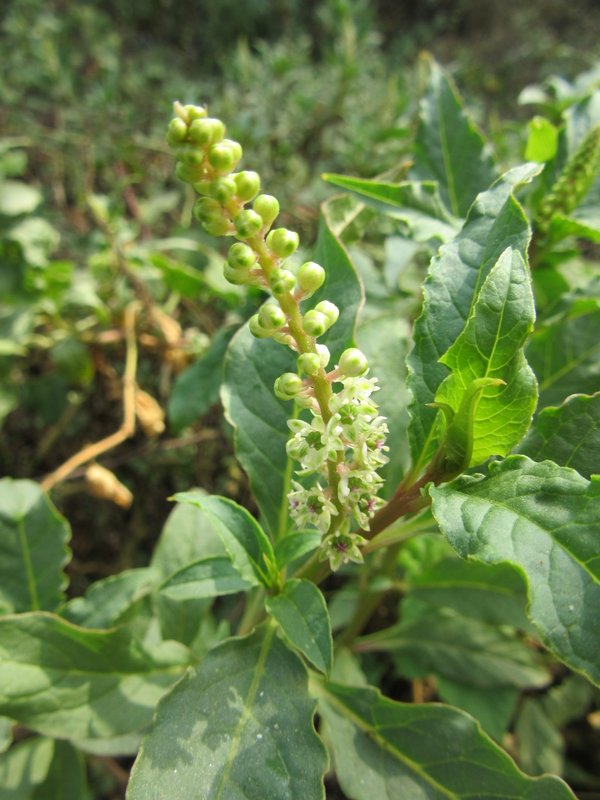
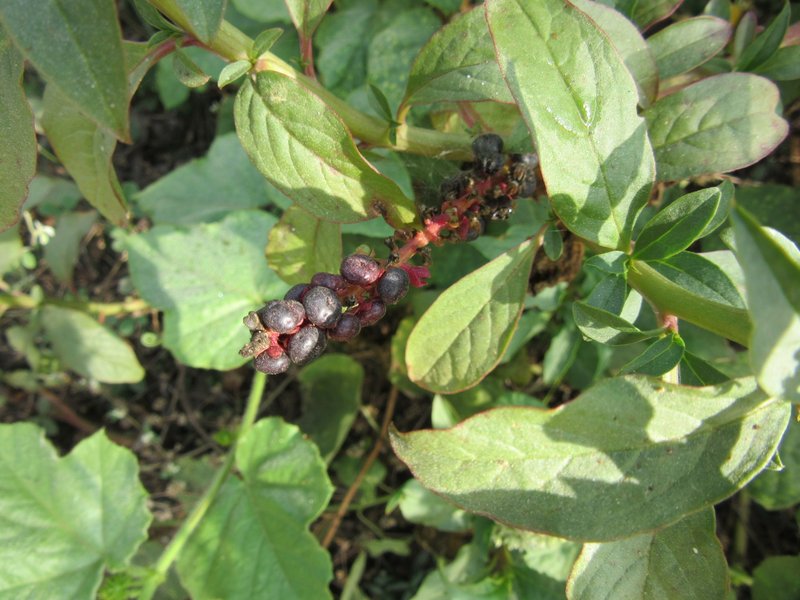
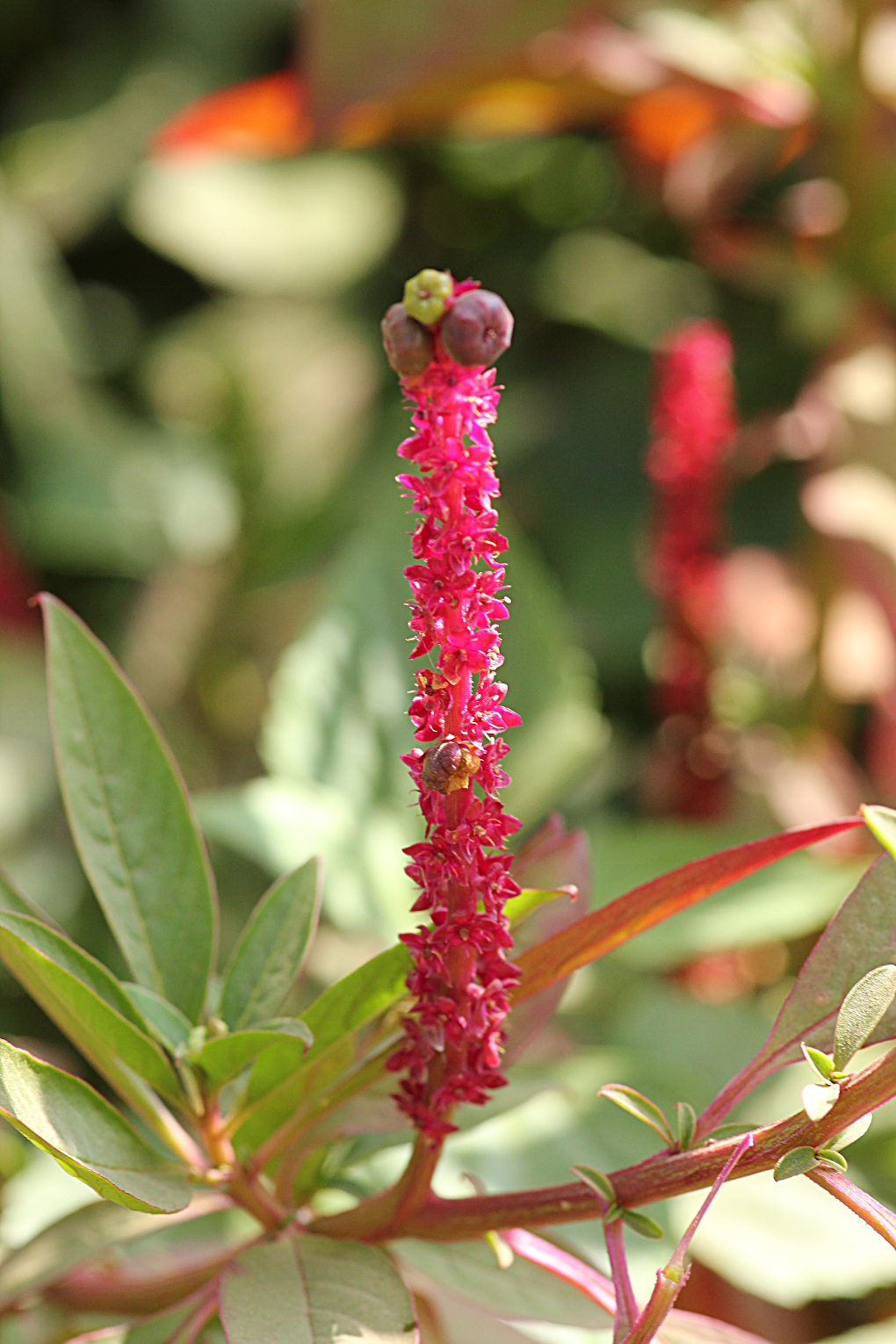
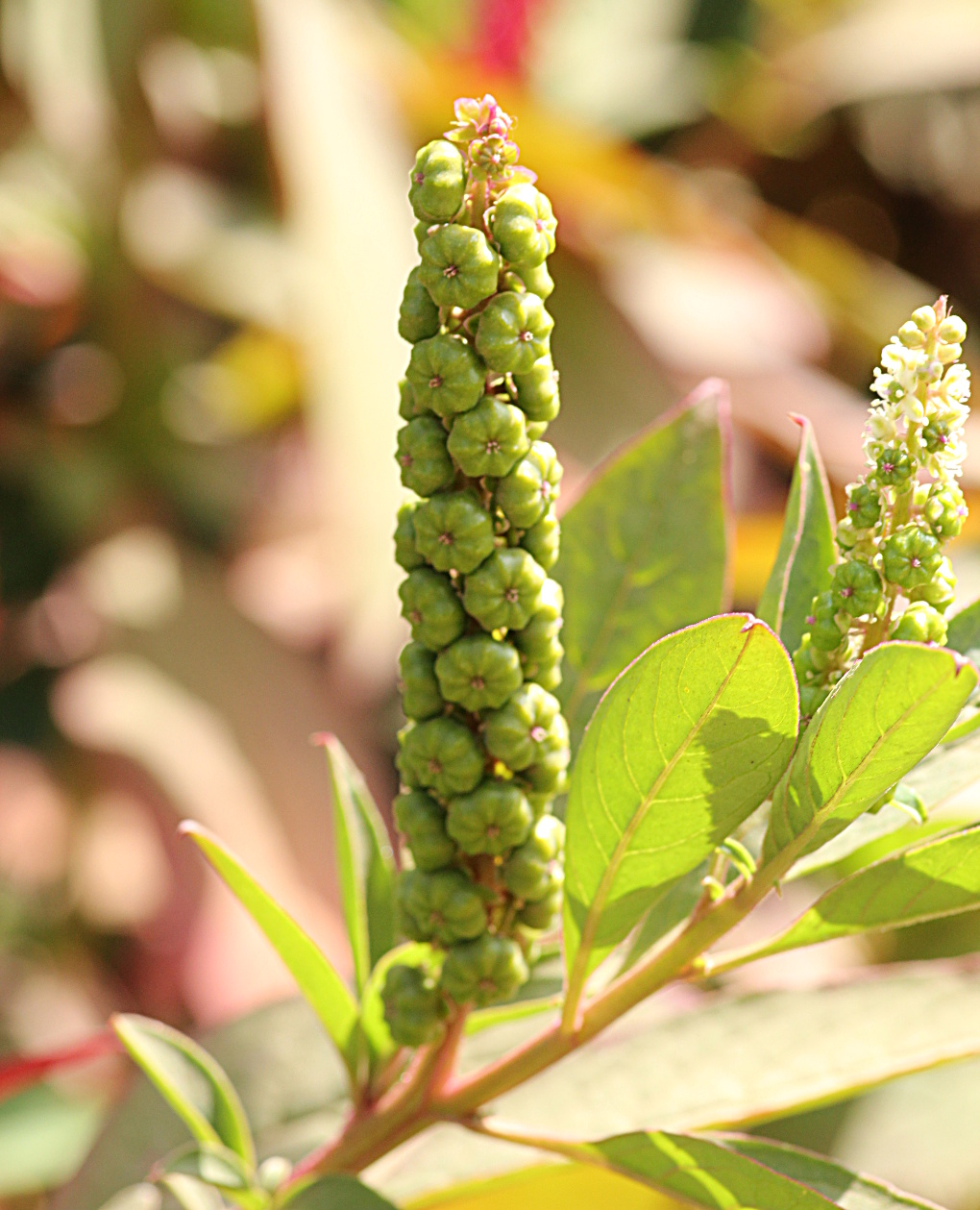
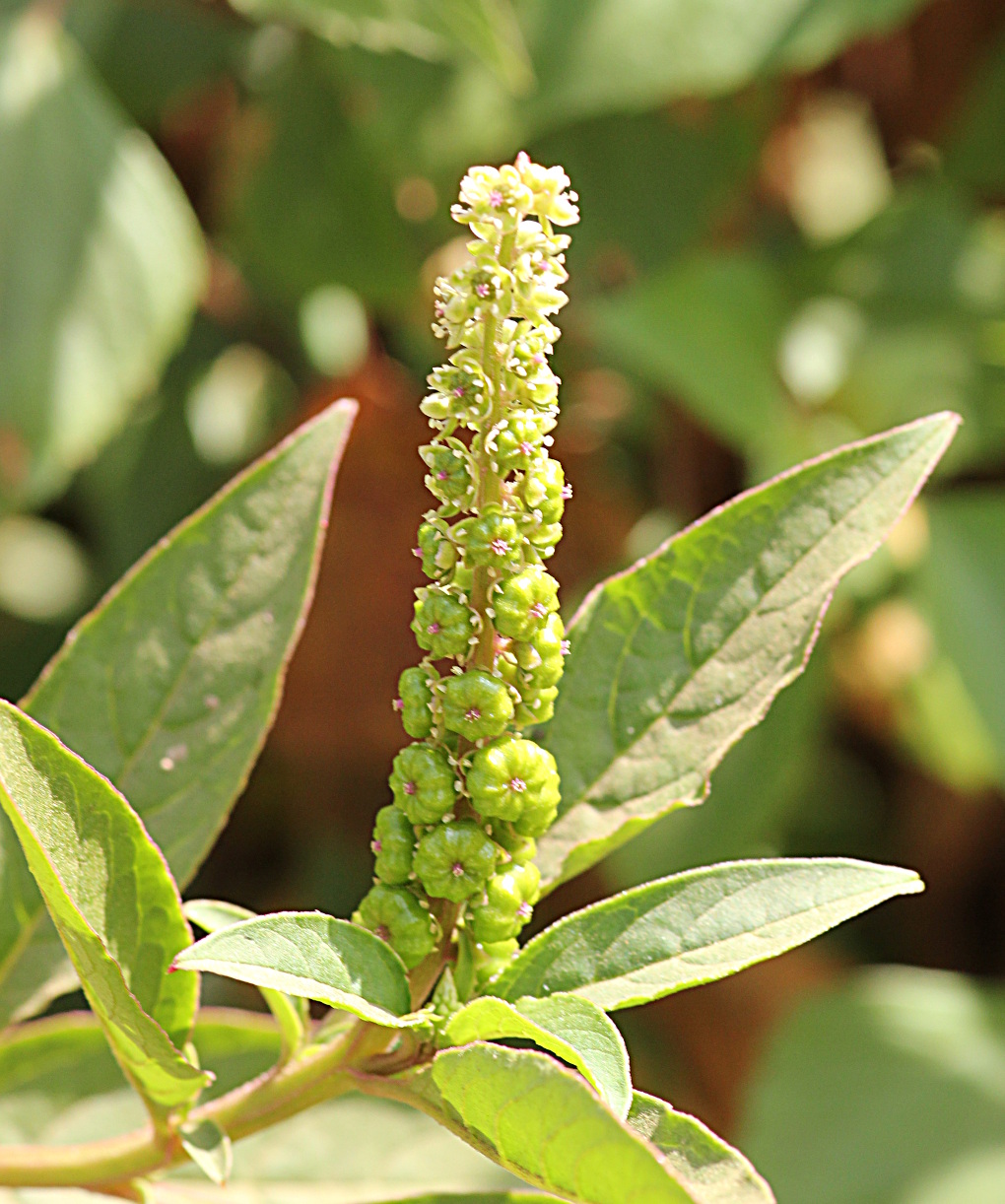
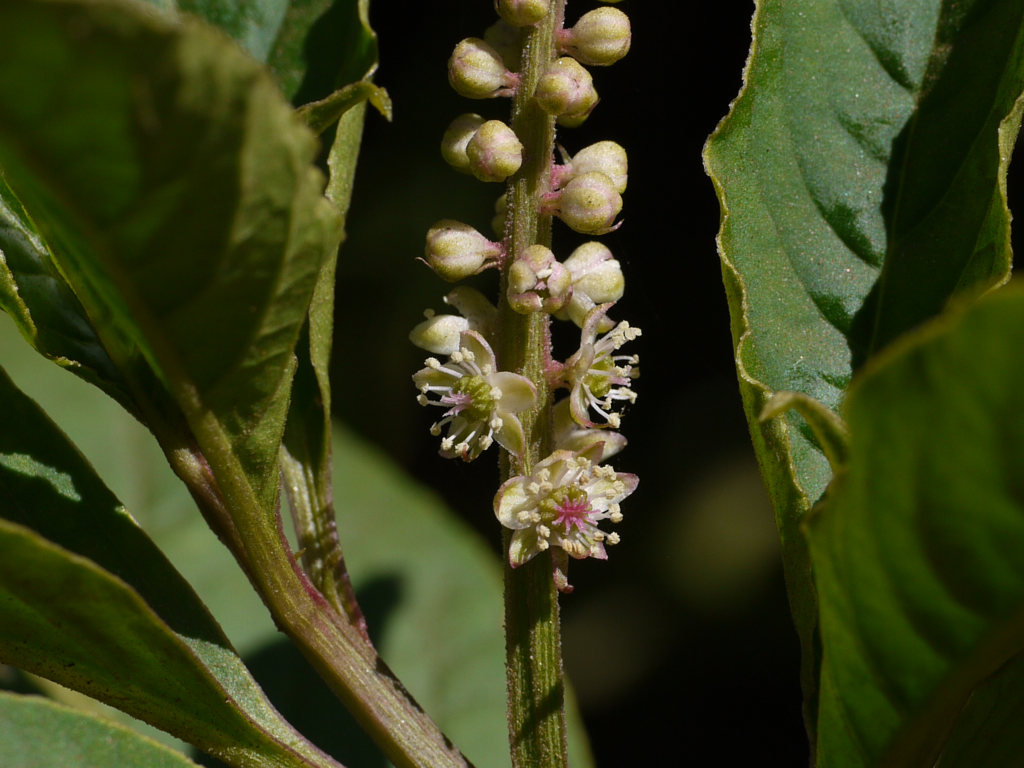
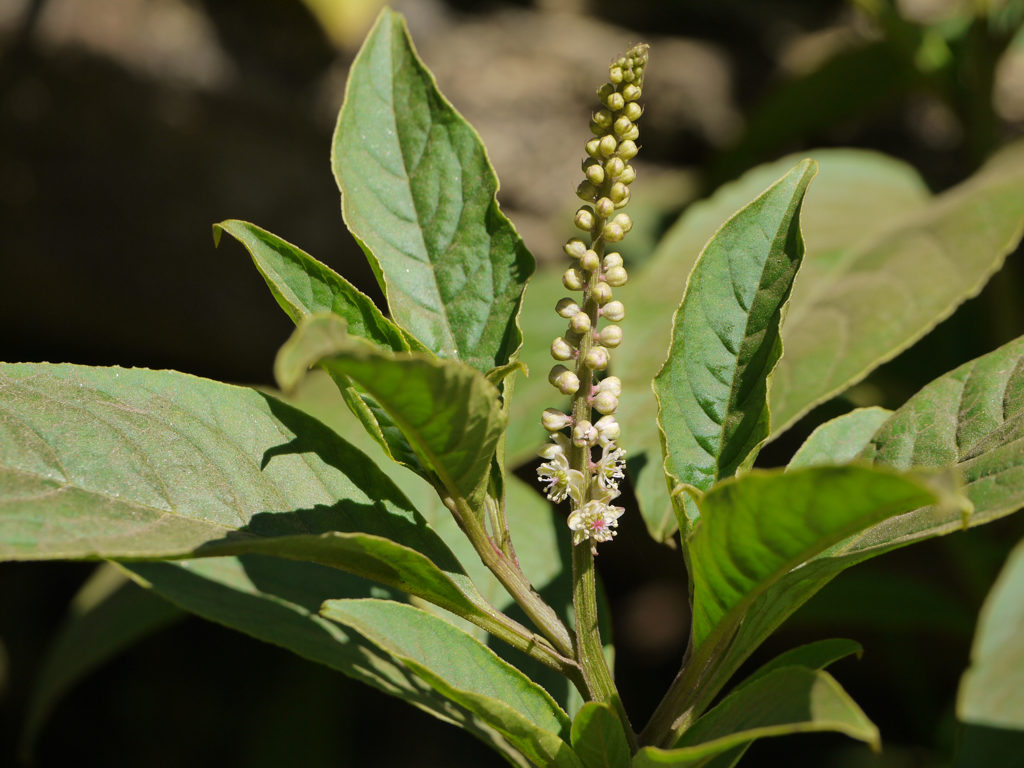
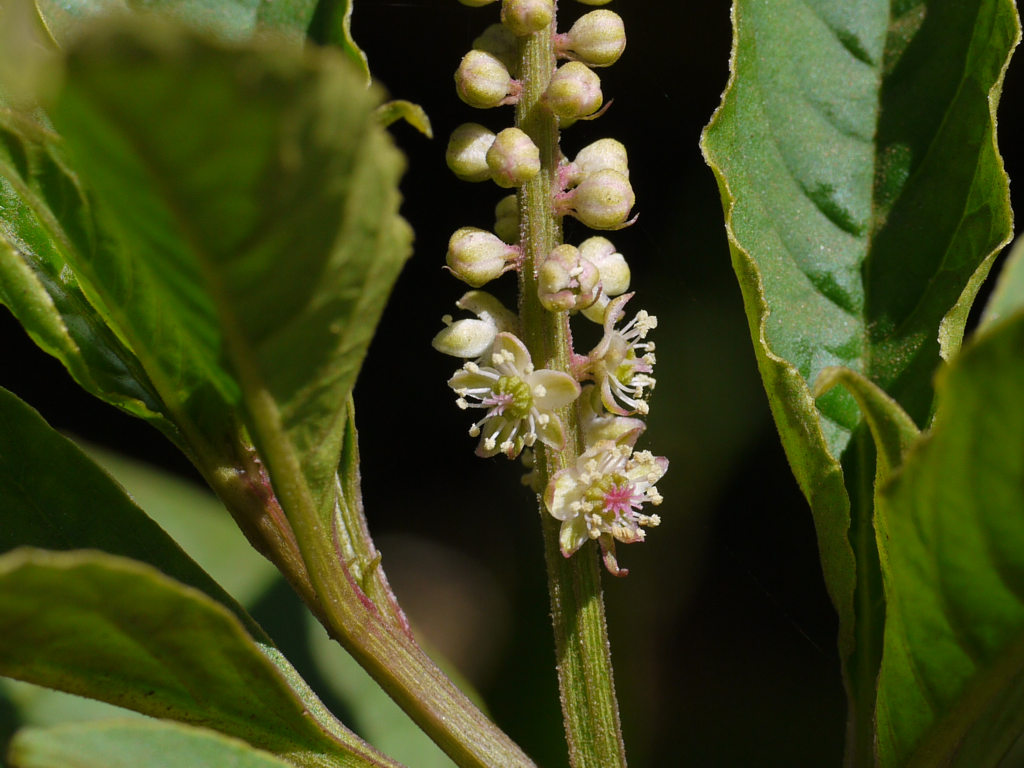
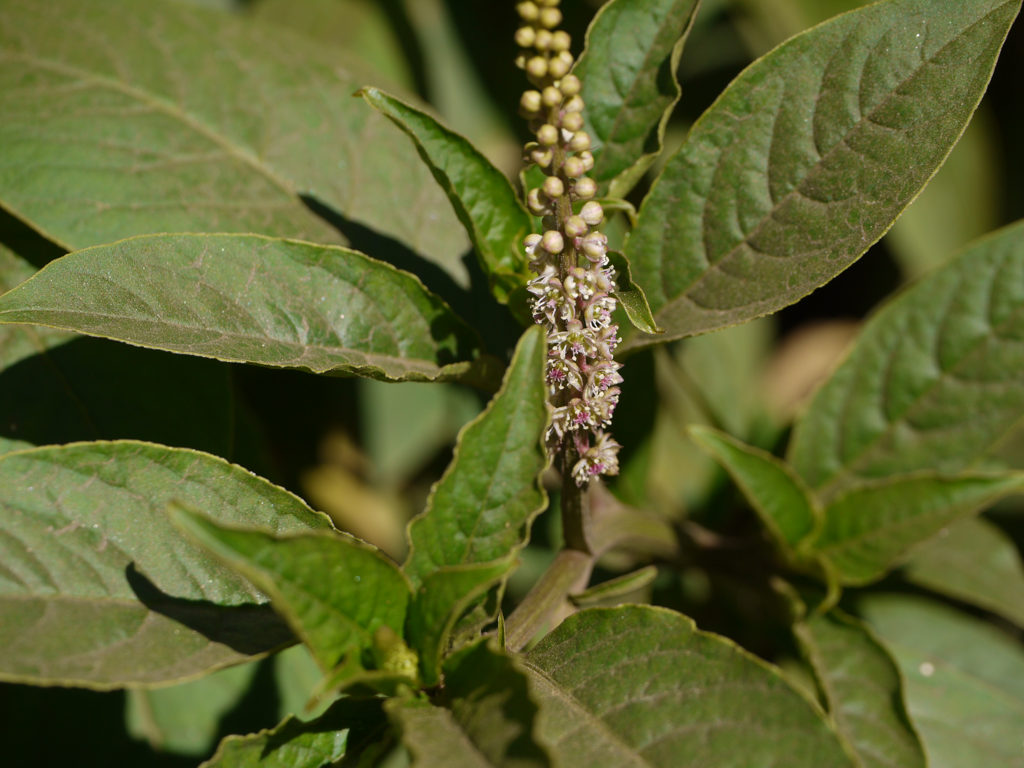
-Inkweed (Phytolacca octandra) flowers are borne on very short stalks (i.e. pedicels) only 2-3 mm long and usually have 7-8 stamens (upto 10 in one whorl as per Keys at Flora of North America). Their ‘petals’ (i.e. tepals or perianth segments) turn red and persist on the developing fruit. The mature fruit are relatively small (4-6 mm across) and usually have eight slight lobes (i.e. they usually contain eight seeds).
-American pokeweed (Phytolacca americana) flowers are borne on relatively long stalks (i.e. pedicels) 5-10 mm long and usually have 10-11 stamens (from 10 to 22 in two whorl as per Keys at Flora of North America). Their ‘petals’ (i.e. tepals or perianth segments) turn red and persist on the developing fruit. The mature fruit are relatively large (5-11 mm across) and have ten or eleven slight lobes (i.e. they contain ten or eleven seeds).
-Venezuelan pokeweed (Phytolacca rivinoides) flowers are borne on relatively long stalks (i.e. pedicels) 7-12 mm long and have 9-14 stamens. Their ‘petals’ (i.e. tepals or perianth segments) fall off as the fruit begin to mature. The mature fruit are relatively small (5-6 mm across) and have 12-16 slight lobes (i.e. they contain 12-16 seeds).
.
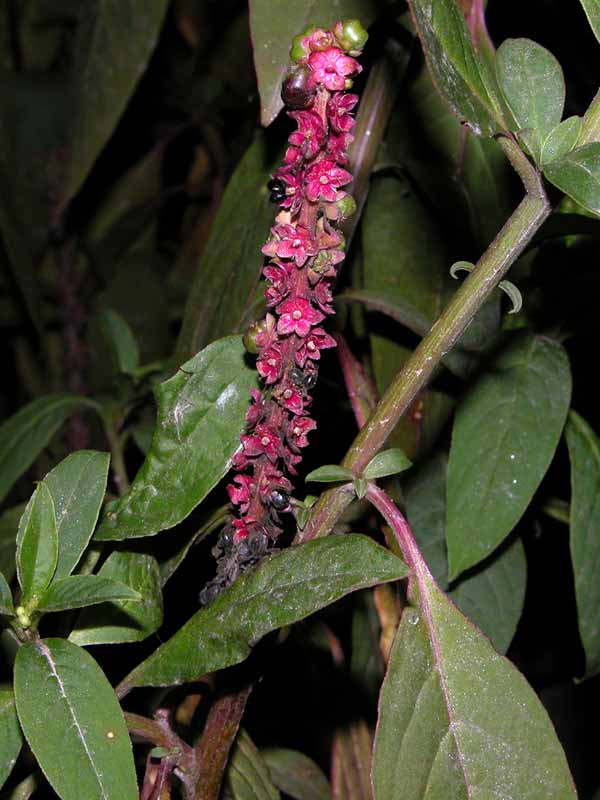 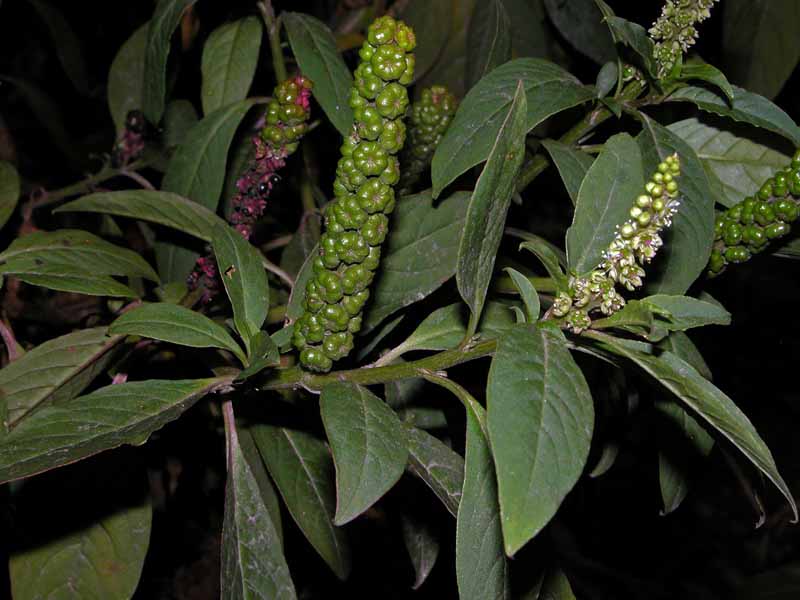 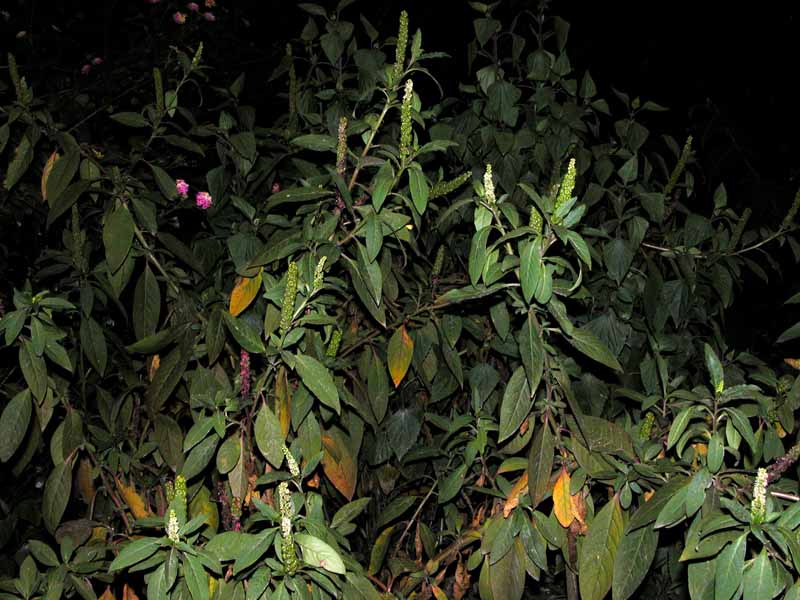 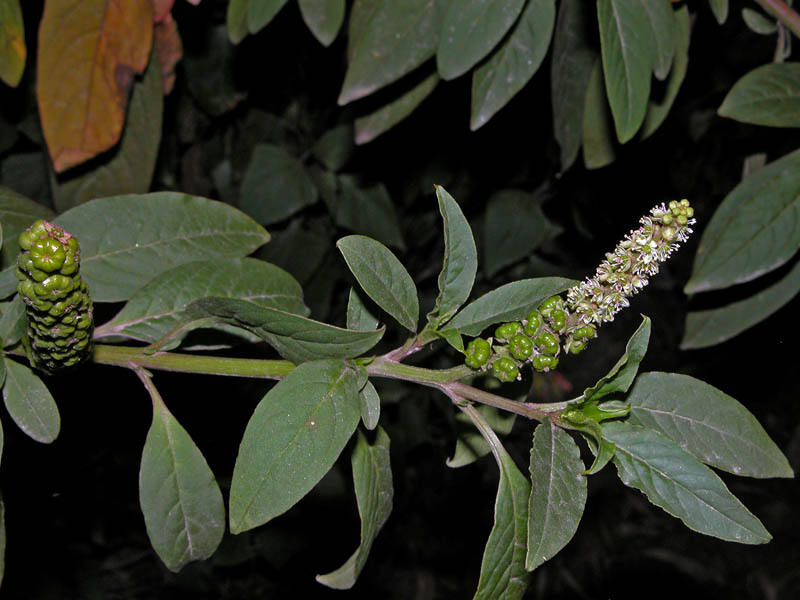 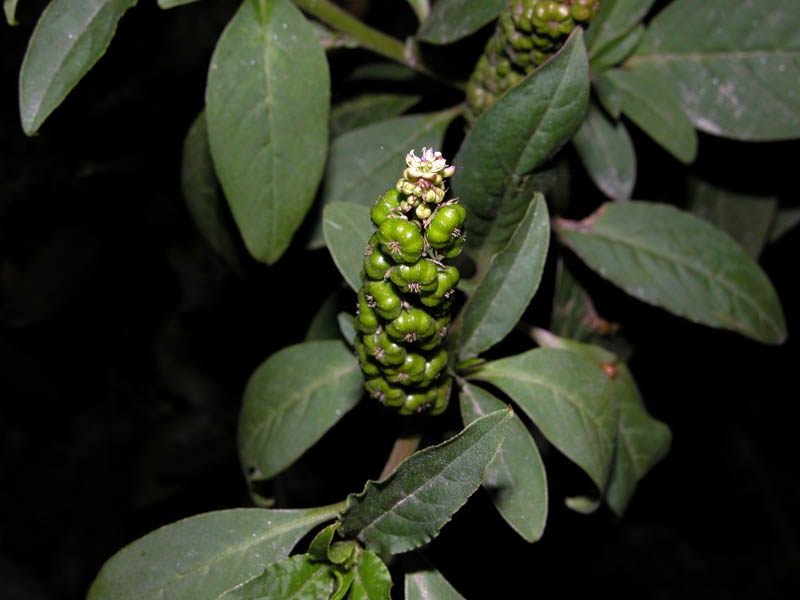 Plant for ID 15/12/09 SMP2 – efloraofindia | Google Groups : 7 posts by 3 authors. Attachments (5) For ID Near Munnar Kerala DEC 09 Looks to me as Phytolacca sp, but I wonder if it can grow there It is Phytolacca octandra L. grows mostly in higher altitudes Thanks … Searched on Google to find more pictures. Found some.  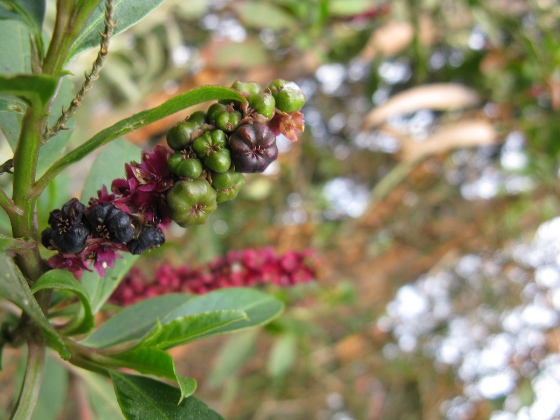 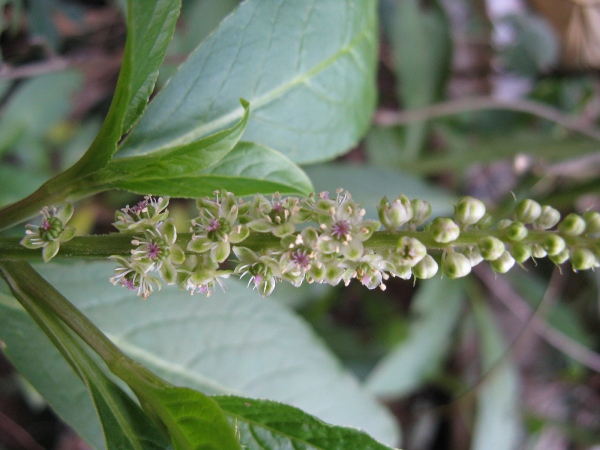 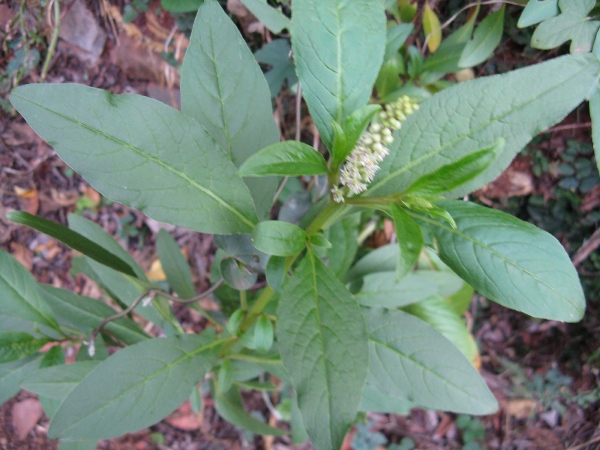 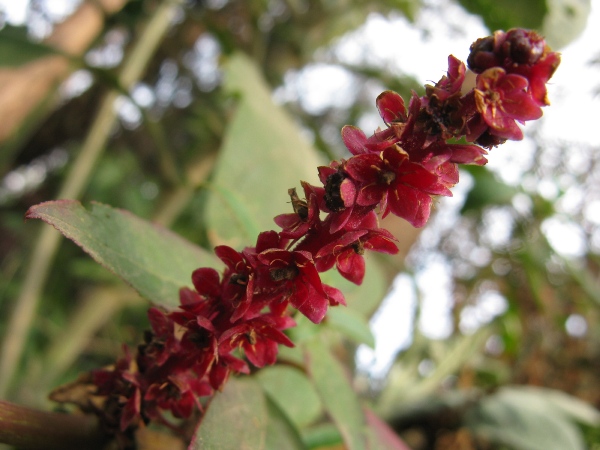 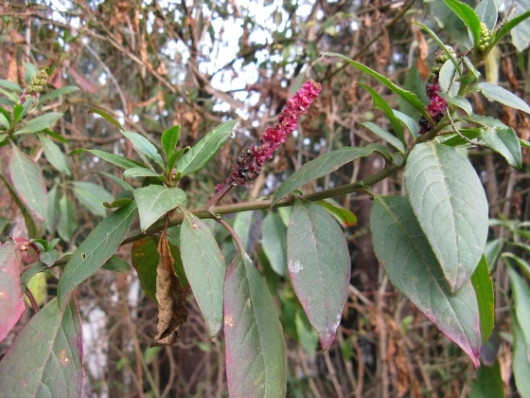 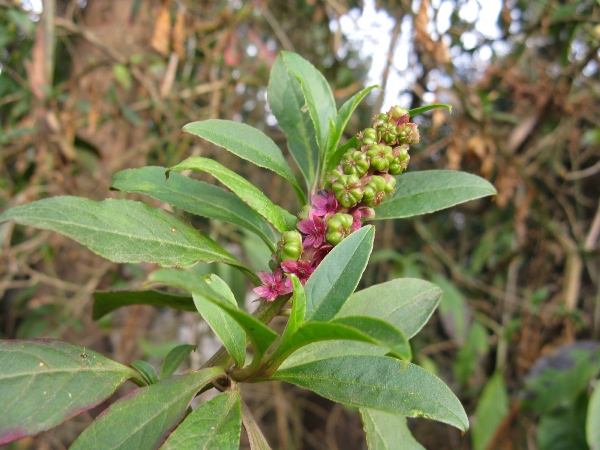 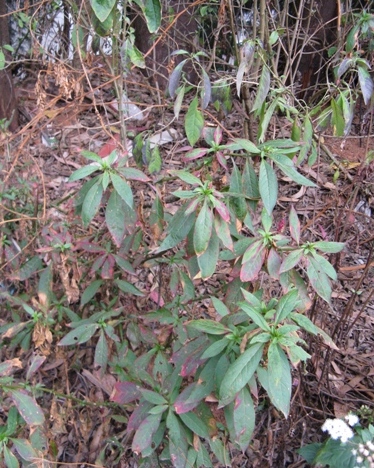 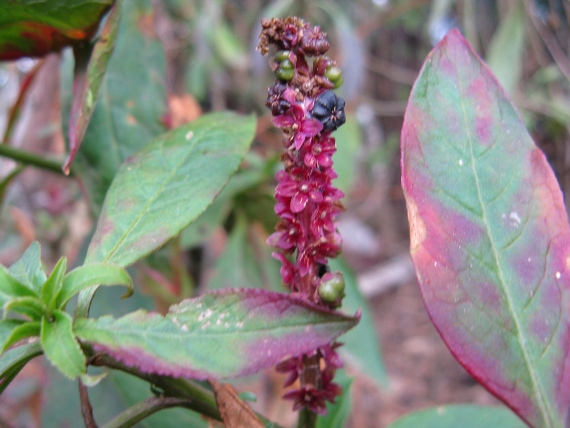 Shrub from Ooty for identification 250411MK2: 6+ 3 images.
Please help me to id this shrub commonly seen in the roadsides of Ooty, Nilgiris.
A wild guess. Can this be Phytolacca octandra? Phytolacca octandra is also a suggestion from me as … indicated. Attaching some more photographs from the same location. Are these belong to same species as above (red-flowered)? Please clarify.
Plant for ID: request KERALA : 5 posts by 3 authors. Attachments (3)
Will be thankful if you kindly identify this. Please check for Phytolacca octandra (family: Phytolaccaceae).
Wild Plant For ID : Bangalore : 25JAN17 : AK-1 : 7 posts by 2 authors. Attachments (3)
Friends, my first post for this year. Pictures taken on the 7th of Jan,17. Phytolacca Species?
Phytolacca octandra?
http://www.flowersofindia.net/Tropical%20Pokeweed.html This plant could be Phytolacca acinosa. Experts, kindly validate. Images of this species at the following links, look different:
This herb was seen near Munnar.
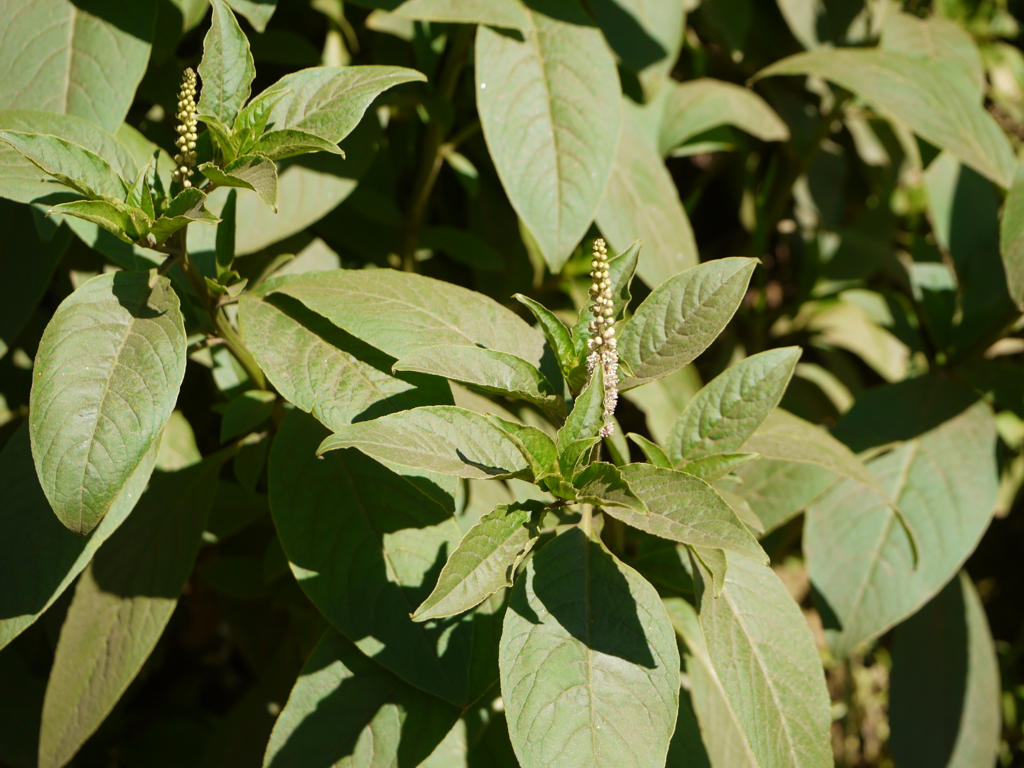
Botanical name: Phytolacca octandra Family: Phytolaccaceae Common name: Tropical Pokeweed,
Plant For ID : Bangalore : 27JAN17 : AK-10 : 7 posts by 2 authors. Attachments (4)
A wild plant seen in the first week of Jan,2017 near a lake. Phytolacca Species? But the berries look different, they are more rounded.
Could be Phytolacca americana? Thanks, …, for the id.
To me also it appears close to images at
I think Phytolacca icosandra L. as per details and keys herein and as per comparative images at Phytolacca Could we recheck this Phytolacca Species? … had suggested Phytolacca esculenta.
Phytolacca acinosa Roxb. looks correct ID ! My earlier reply: This was … reply to me earlier
“Notice joined carpels (more or less separate in P. acinosa). This should be P. esculenta. Similar with infl. drooping in fruit would be P. americana.”
Also, the two recent posts under this on the group have been mysteriously deleted. P. esculenta has now been merged with P. acinosa I think Phytolacca icosandra L. as per details and keys herein and as per comparative images at Phytolacca
Looks different from Phytolacca acinosa Roxb. Here is typical P. isocandra with more than 10 longer stamens Thanks, …, I have based my observations on efi site pages.
Here as per Catalogue of life, Phytolacca octandra L. is considered a syn. of Phytolacca icosandra L.
Also both are considered the same as per
The Plant List Ver. 1.1 is based on WCSP (under review).
150819EPT7 : 4 posts by 3 authors. Attachments (3)- around 400 kb each.
Presenting flower for ID help
Location : Kodaikanal
Elevation : 2133 m
Habitat : Way side
Taken on Jan 2019 found outside a house gate.
Phytolacca octandra indian pokeweed. all parts are poisonous, . Shrub for Id -ID08012024SH3: 5 high res. images. Shrub for Id pl.
Location – Ooty, Tamilnadu
Date – December 2023 3 sps. of Phytolacca are found in TN . P. americana, dioica and octandra. . 584 ID wild plant: 14 high res. images. Please compare between Phytolacca octandra L. and Phytolacca dioica L. Yes, it is Phytolacca octandra dear …, thank you very much for ID my plant Place: Ooty town (~ 7250 ft asl), Tamilnadu
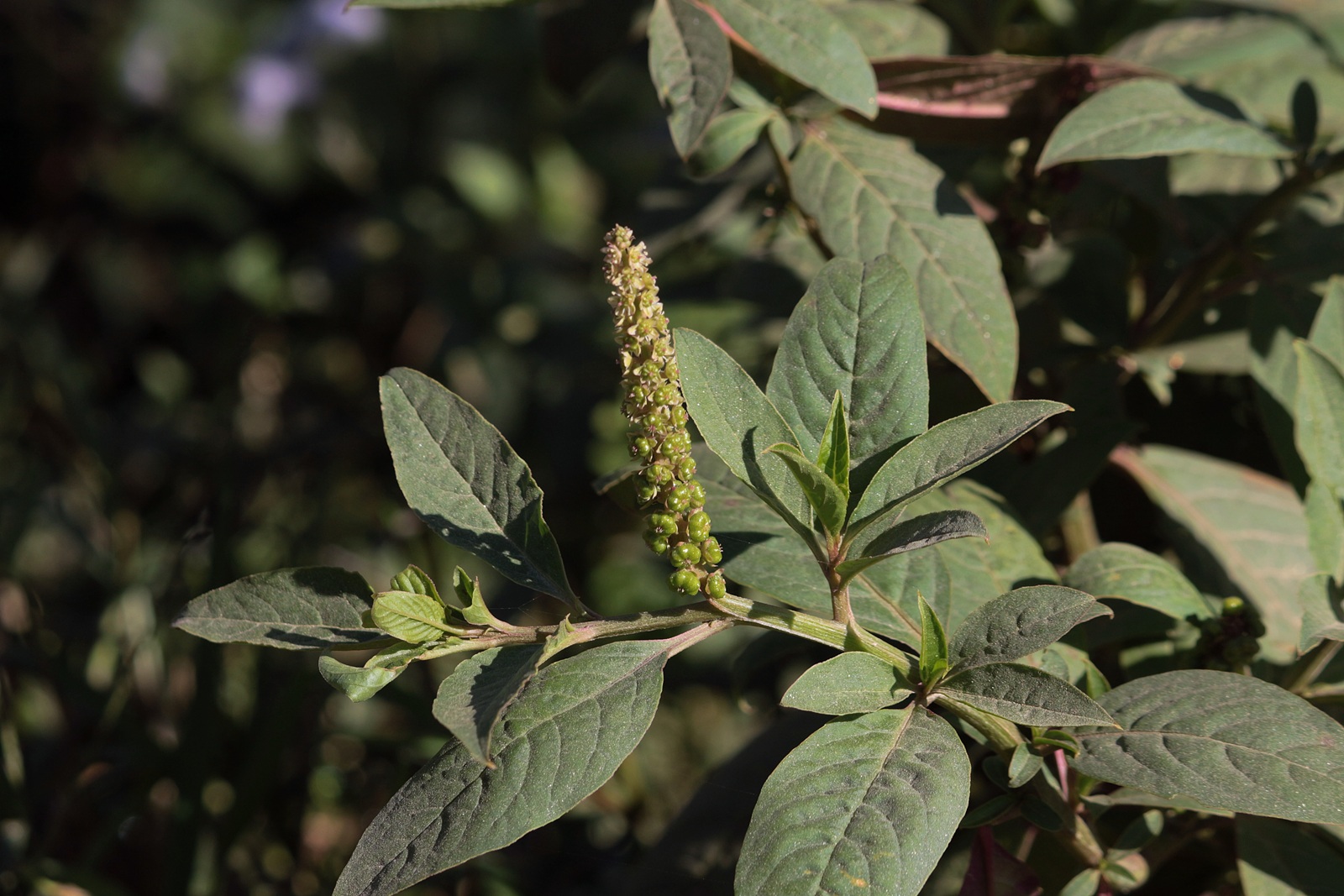
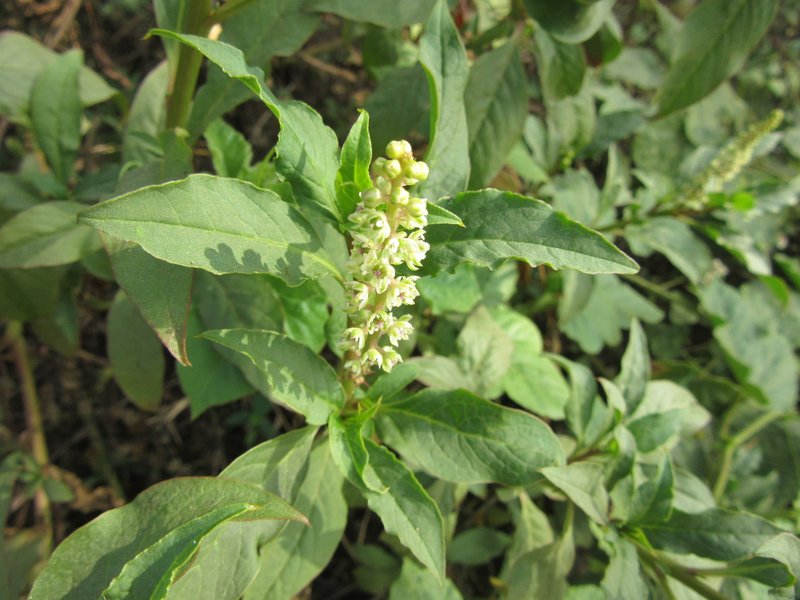
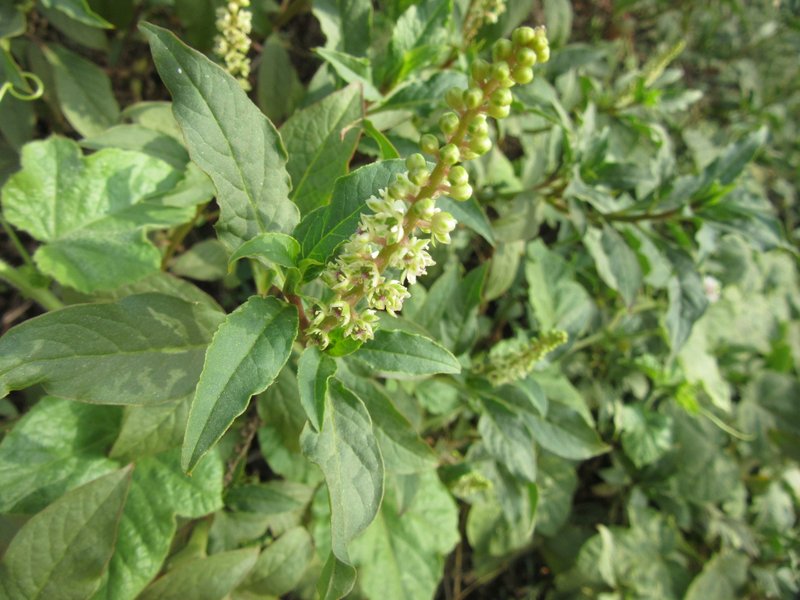
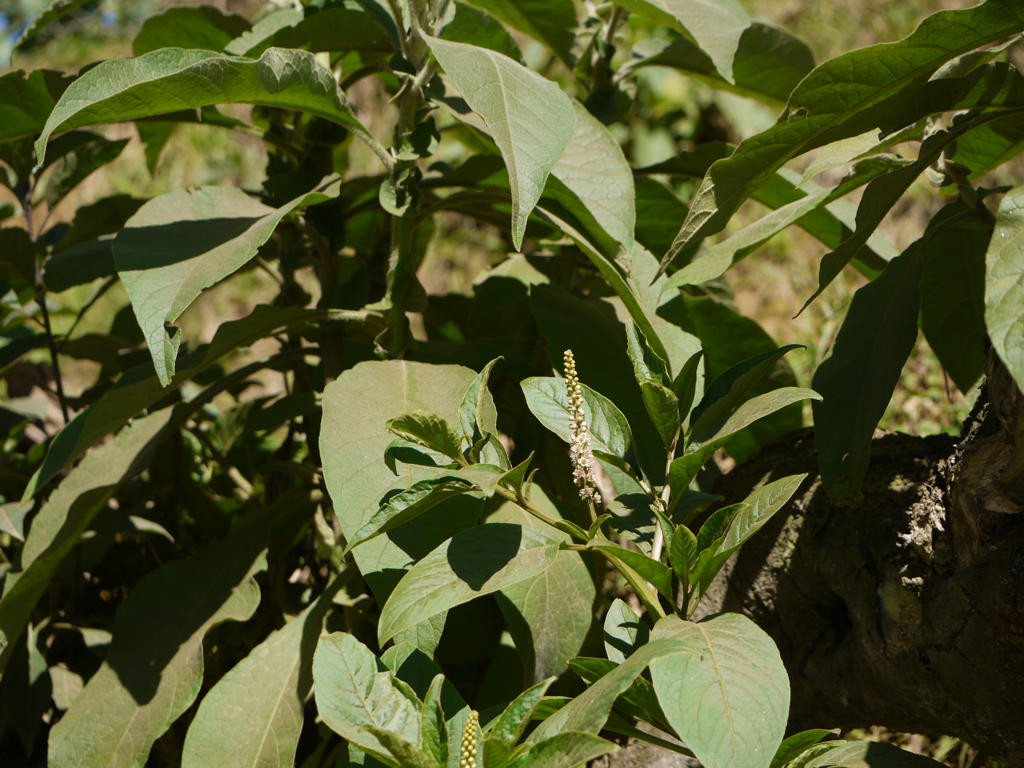
Time: November 16, 2011 at 9.30am Habit: small erect herb Habitat: growing along roadside Plant: standing about a metre high, often found 2 – 3 plants together Inflorescence: about 9 – 12 cm Flower: about 3-5 mm across To me it looks like some Phytolaccaceae sp. I think P. americana: flowers spaced, stamens 10-12 in number I think it should be https://efloraofindia.com/efi/phytolacca-octandra/ as per description and keys herein. Yes, many many thanks … Missed to update this post; it was validated as Phytolacca octandra L. in iNaturalist. . Phytolacca octandra L. :: The Nilgiris :: Jan 28, 2026 · 8:16 AM IST: 8 images. Phytolacca octandra L.
The Nilgiris :: Jan 28, 2026 · 8:16 AM IST
along Ooty – Kotagiri Highway, about 2131 m asl . Phytolacca octandra L. :: The Nilgiris :: Feb 1, 2026 · 03:03 PM IST: 5 images. Phytolacca octandra L.
The Nilgiris :: Feb 1, 2026 · 03:03 PM IST
Marappalam, about 957 m asl
. References:
|
Phytolacca octandra
Updated on June 8, 2026