
Carissa carandas L., Mant. Pl. 1: 52 1767. (Syn: Arduina carandas (L.) Baill.; Arduina carandas (L.) K. Schum.; Capparis carandas (L.) Burm.f.; Carissa salicina Lam.; Echites spinosus Burm.f.; Jasminonerium carandas (L.) Kuntze; Jasminonerium salicinum (Lam.) Kuntze);
.
kar-ISS-uh — Latinized form of Indian vernacular name for this genus … Dave’s Botanary
kuh-RAN-das or ka-RAN-duhz — Latinized form of the Konkani / Marathi name (करांदा karanda) of this plant … compiled from the web
.
commonly known as: Bengal currant, karanda • Ahom: কৰ্জা টেঙা karja tenga • Assamese: কৰ্জা টেঙা korja tenga • Bengali: করমচা karamcha • Dogri: बड्डा गरना badda garna, बागी गरना baagi garna • Gujarati: કરમદી karamdi • Haryanvi: करौंदा karaunda • Hindi: बलालक balalak, डिण्डिम dindim, करौंदा karaunda, कृष्ण krishna, पाकफल pak-phal, सुषेण sushen • Kannada: ಅವಿಗ್ನ avigna, ಗರ್ಜಿ garji, ಹರೀಕಳಿವಿ harikalivi, ಕಳವೆ kalave, ಕಮರಿಕೆ kamarike, ಕಣಬೆ kanabe, ಕರಮರ್ದ karamarda, ಕರಂಡ karanda, ಕರವಡೀ karavadi, ಕರಿಚೆ kariche, ಕವಳ kavala, ಕೊರಿಂಡ korinda, ಕೃಷ್ಣಪಾಕಫಲ krishna-paakaphala, ಸುಷೇಣ sushena • Kol: कनुवान 𑢪𑢫𑢵𑢾𑢫 kanuwan • Konkani: ಕಾರಾಂಜ kaaraanja, काण्टां kantam, करवंदी karvandi • Kurukh: कनुवान কনূবান କନୁୱାନ kanuwan • Malayalam: കാരക്ക kaarakka, കാരപ്പഴം kaarappazham, കളാവു kalaavu, കരണ്ടകം karantakam, കരിമുള്ളി karimulli, കറുത്തചെറി karuthacheri, ക്ലാവ് klavu • Marathi: करांदा karanda, कारिंदा karinda, करवंद karvanda • Nepali: करौँदा karaundaa, करौँजि karaunji • Odia: ଆଙ୍କୁକୋଳି ankukoli, କରମର୍ଦ୍ଦ karamardda, କରନ୍ଦା karanda, ନଳିନ nalina, ପାକ କୃଷ୍ଣpaka krushna, ରୋଚନ rochana, ସକଣ୍ଟକ sakantaka, ସୁଷେଣ sushena, ସୁଷ୍ମ sushma • Pahari: गारींगा garinga, गोठो gotho, गुरणा gurna, करौंदा karaunda, तिमुखिया timukhia • Punjabi: ਕੌਂਦਾ karaunda • Rajasthani: करोंदा karonda • Sanskrit: अविग्न avigna, डिण्डिम dindima, करमर्द karamarda, करमर्दी karamardi, कराम्बुक karambuka, कृष्ण krshna, कृष्णपाक krshnapaka, क्षीरफल kshiraphala, नलिनदल nalinadala, पाककृष्ण pakakrshna, पाकफल pakaphala, पाणिमर्द panimarda, फलकृष्ण phalakrshna, फलपाक phalapaka, सुषेण shushena, वनामल vanamala, वरालक varalaka, वराम्र varamra, वारिवर varivara, वश vasha, विघ्न vighna • Santali: ᱡᱟᱹᱱᱩᱢ janum, ᱠᱟᱸᱲᱣᱟᱠ karwak, ᱠᱟᱸᱲᱣᱟᱛ karwat • Tamil: களாக்காய் kalakkay, பெருங்களா perunkala • Telugu: కలివెచెట్టు kalive-chettu, ఓకచెట్టు oka-chettu, పెద్దకలివి pedda kalivi, పెద్దవాక్కాయ pedda vaaka-kaaya, వాకకాయ vaaka-kaaya • Tulu: ಕರಂಡೆ ಪುಳಿಮರ karande pulimara • Urdu: بلالك balalak, ڐنڐم dindim, کروندا karaunda, کرشن krishna, پاک پھل pak-phal, سشين sushen
Names compiled / updated at https://dineshvalke.blogspot.com/2026/08/carissa-carandas-l.html
.
As per efi thread :
C. carandas C. spinarum
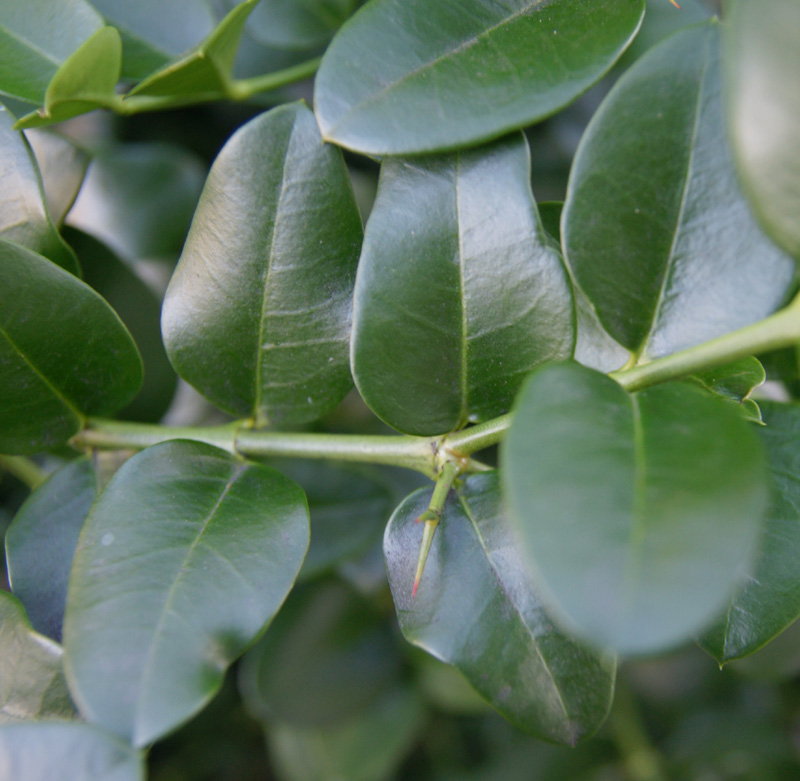 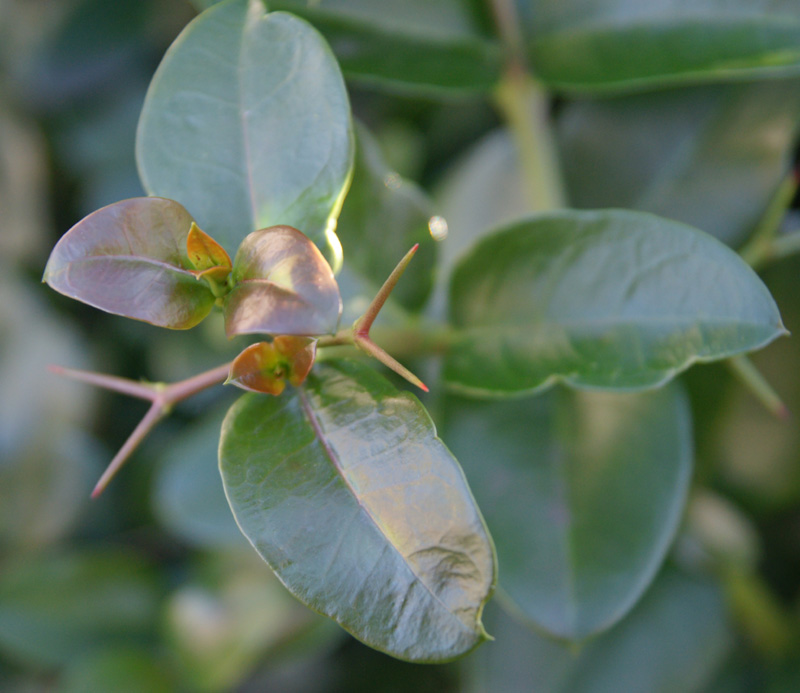 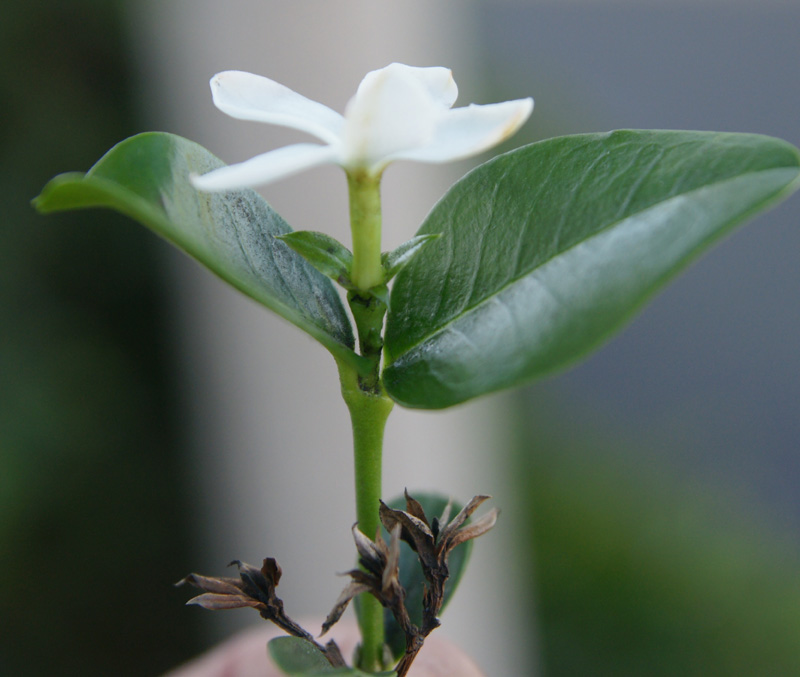 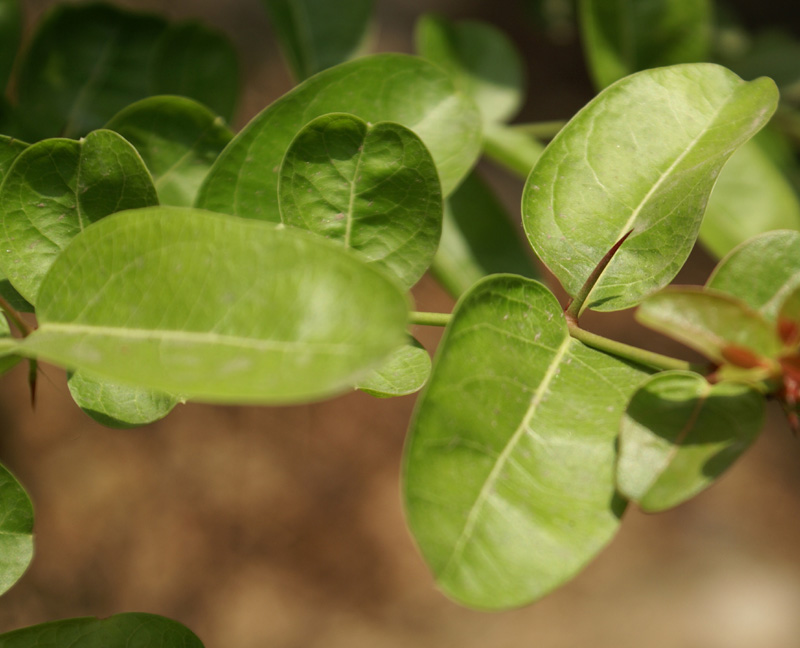   |
Fruits & Vegetables Week: Carissa carandas, the Karonda:
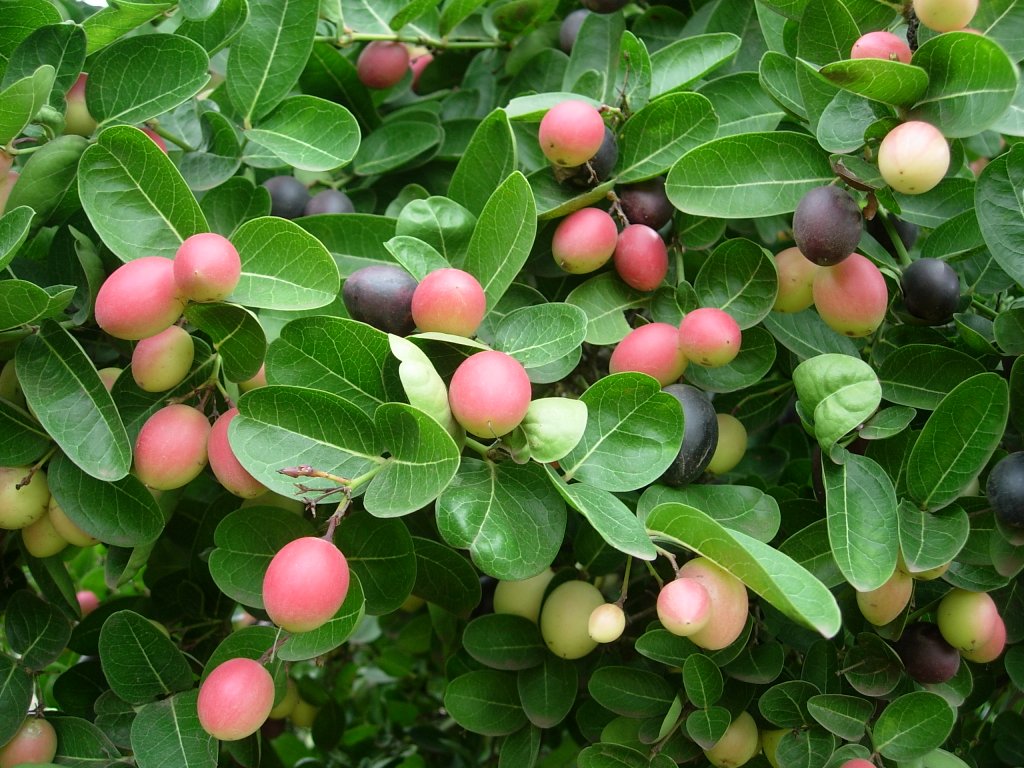
Carissa carandas, the Karonda used as fruit, for pickling and toppings. Photographed from Delhi and LA (USA)
– We use the unripe fruit to make pickles and the ripe one is very sweet called “Kali maina“. During our childhood days, we used to eat lots of this fruits mixed with salt as it was easily available outside our school gate. Along with we also used to get lots of Carambolas and salted tamarind. Now all these are rarity as children prefers packaged eatables from stores.
The ripe fruit in Marathi we call “Kali maina“. It is very tasty. I will send a photo, if I see any in the market or near schools.
After the upload of Carissa macrocarpa today by .. and .., I have come to realise that out of the above five photographs uploaded by me, the first two from Delhi belong to Carissa carandas, where as thelast four from L A belong to C. macrocarpa.
‘Now all these are rarity as children prefers packaged eatables from stores. ‘
Very true … They also do not play (with) marbles or gilli-danda any longer, have fancy ‘uniforms’ and shoes for the football, cricket etc..That’s not all, they carry 2 or more (tennis) racquets when they come to play at the gymkhana! (carrying extra racquets for a match is understandable).
Coming back to Karonda.. we used pluck and eat the fruit straight of the tree, had one in our old house. Another favorite was (jungli) badam I am almost willing to bet that these simple pleasures of life have bypassed our current city bred youngsters (different in the small town / rural areas).
Mouth watering…. Kali maina..is a poetical Marathi name for Karvanda…. you know what .. we were having plants of both Karvand and tamarind called Chincha in Marathi, outside our school so use to collect it after school.. free and fresh.. to eat with salt and use to get beaten by Mom …thats also for free.. for coming home late
hahaha
it was fun ..now a days very few plants are left that too in forest not near school and true children like to eat packed food
Sweet memories of sweet little age… we were lucky to live in clean environment…nothing was artificial or fake
Children now have to face neck to neck competition.. that too not clean …just rat race with lot of politics within…. i really feel bad about
Fruits used for pickles in Tamil Nadu.
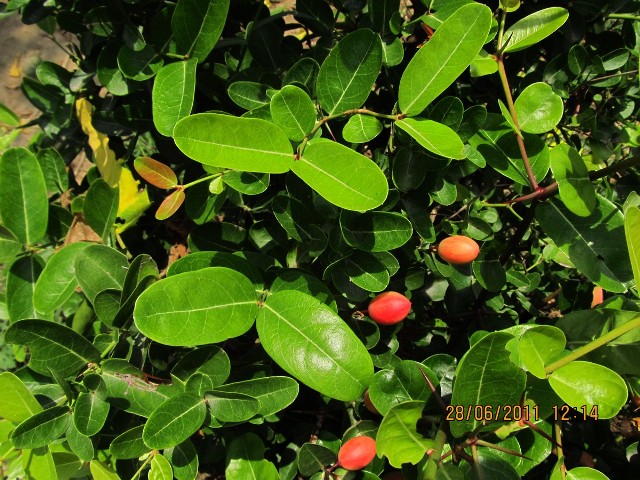 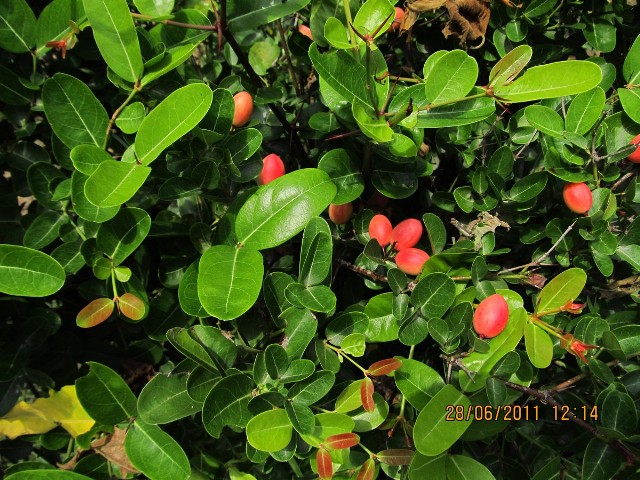    |
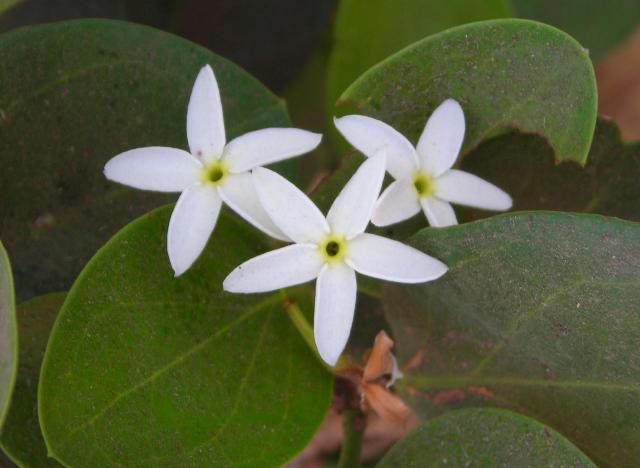
Flora of Panipat- Carissa carandas from Herbal Garden samalkha:
Carissa carandas
From Herbal garden Samalkha panipat
Family
Apocynaceae
Also known as Karonda
cultivated
fruits used to make pickles
just bought some Karamada fruits and made chutney, yum!
 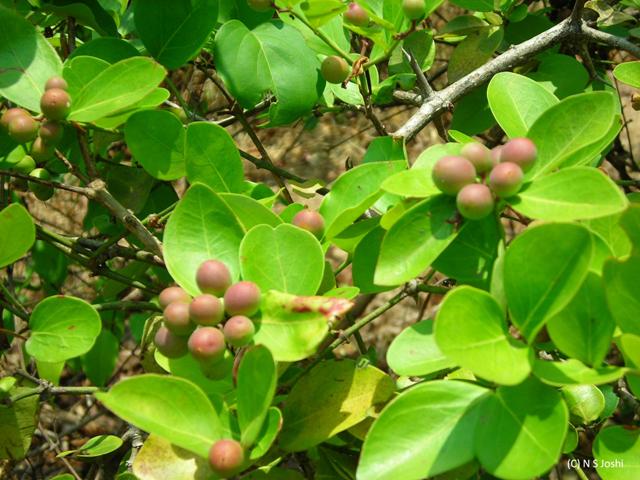 |
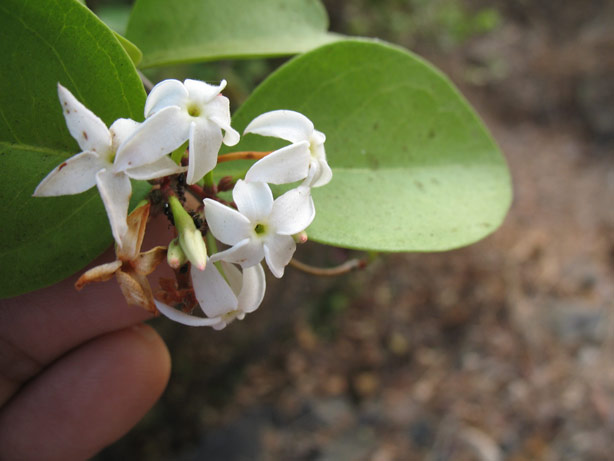
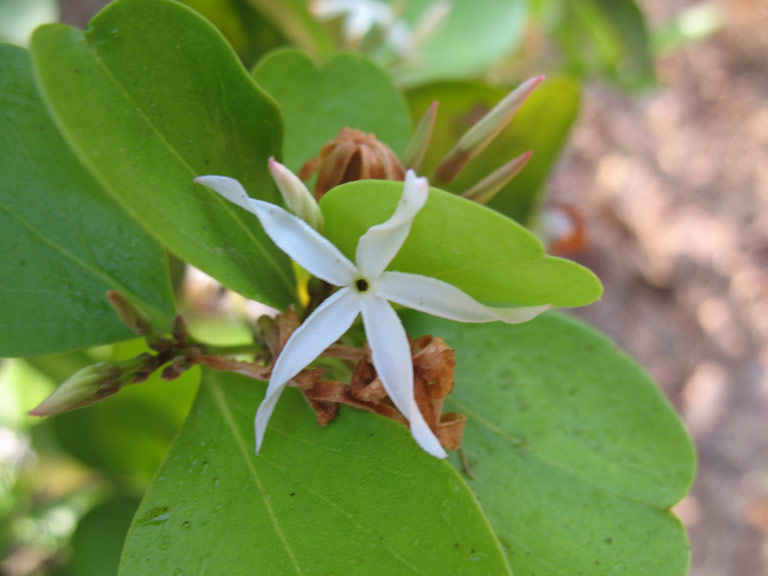
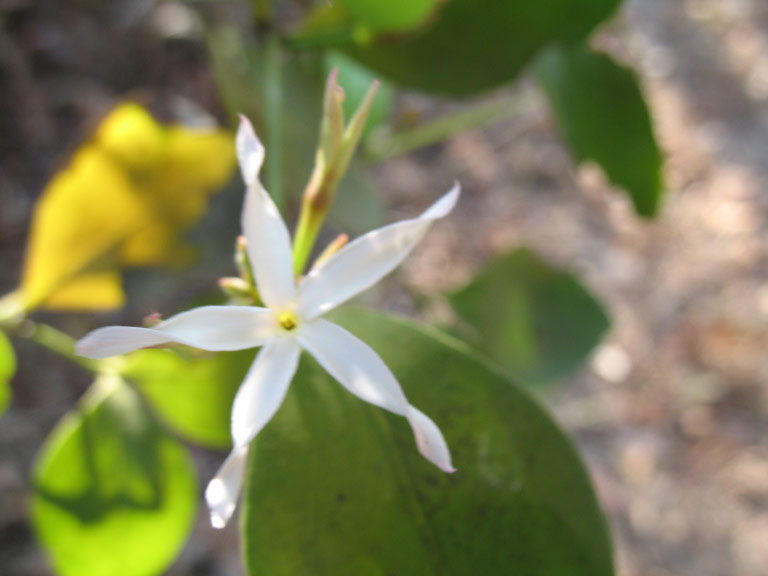
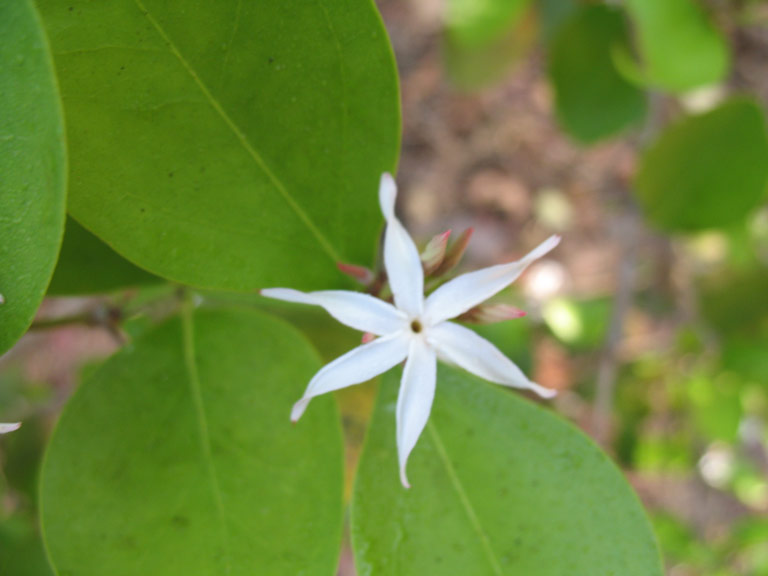
KAS Week ::(Karonda – 03/10/2012 – NJ):
Karonda (Karvand – Marathi)
Found in abundance on roadsides near kas from May end to June.
Scientific name please, as there is some confusion in names. There was a long discussion recently on a plant uploaded by …
Its Carissa carandas from Kas
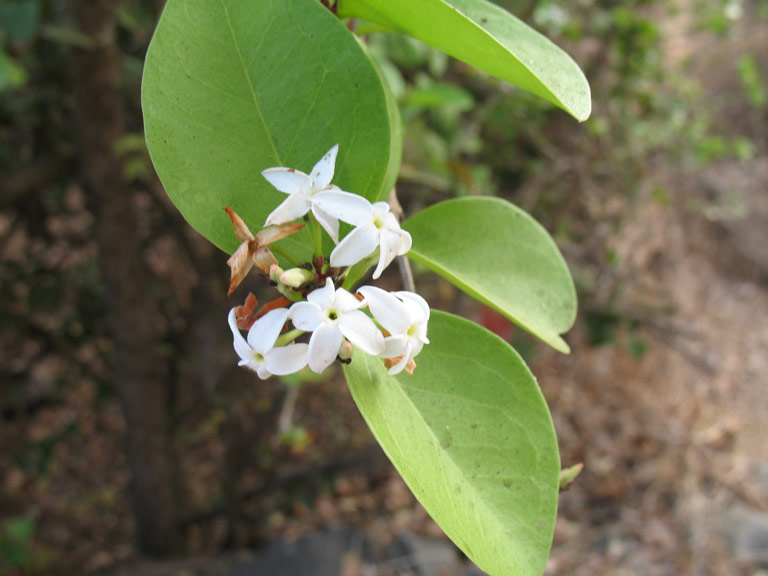 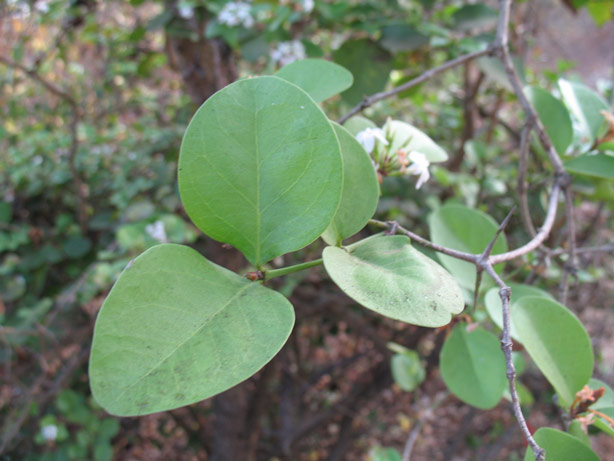 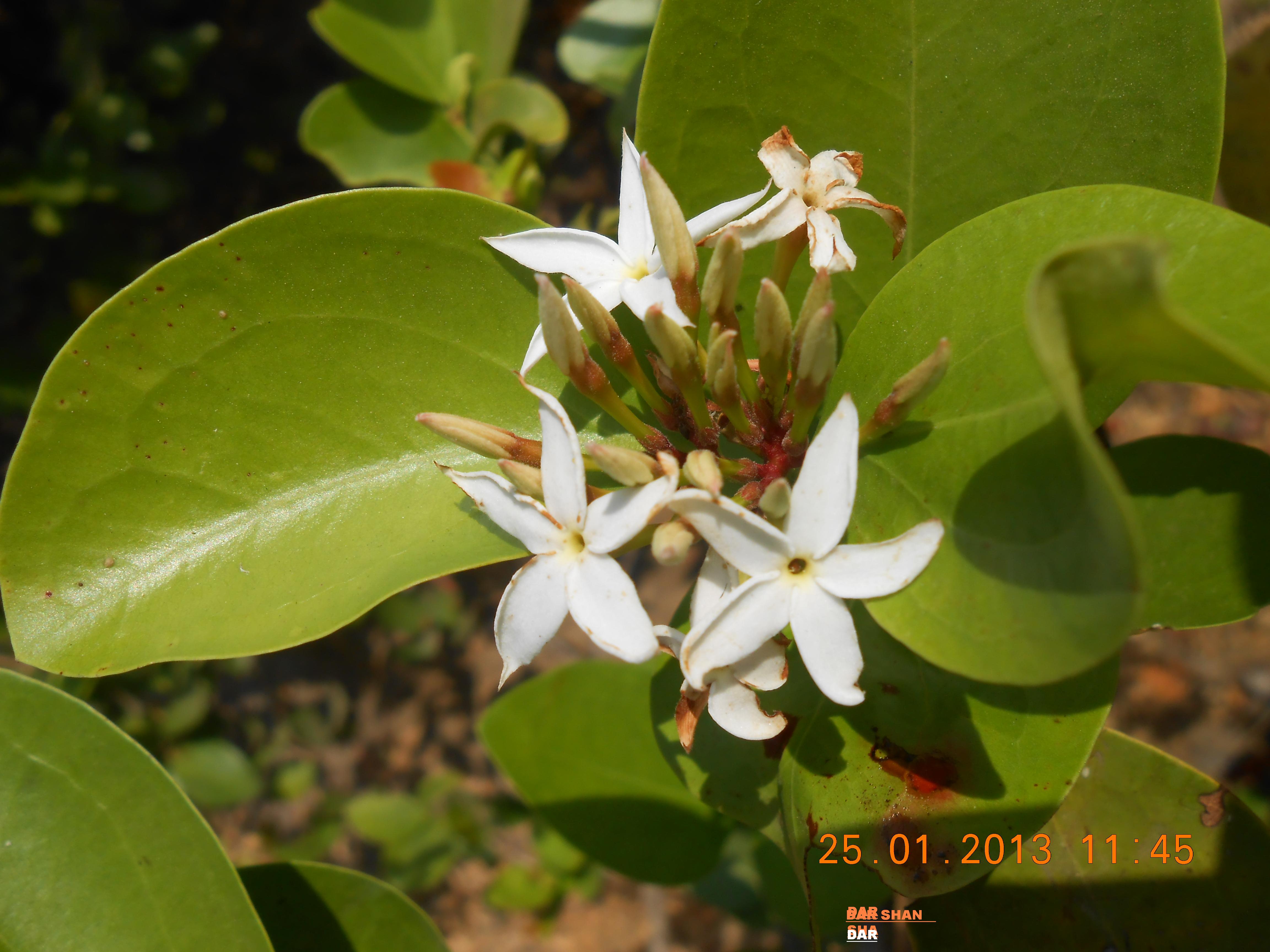     |
Karvanda for ID : SPC-027 & SPC-028 : 08-03-2013 : Baroda : 6 images. 6 posts by 3 authors.
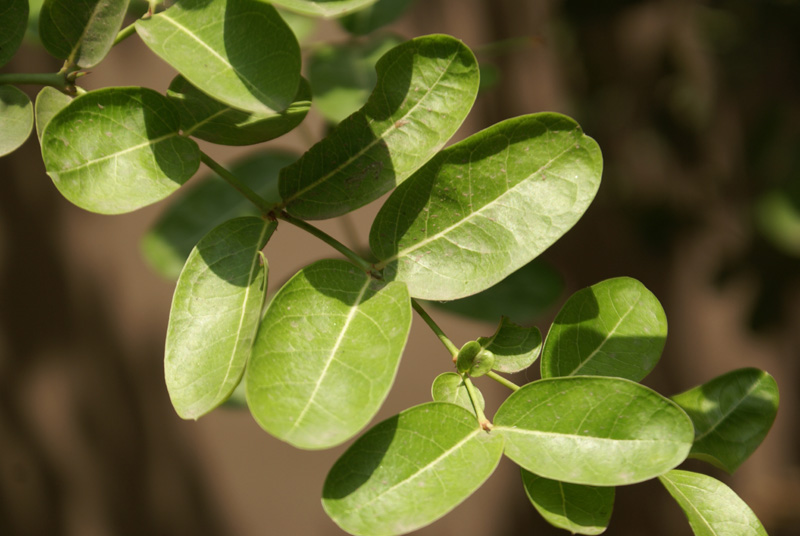
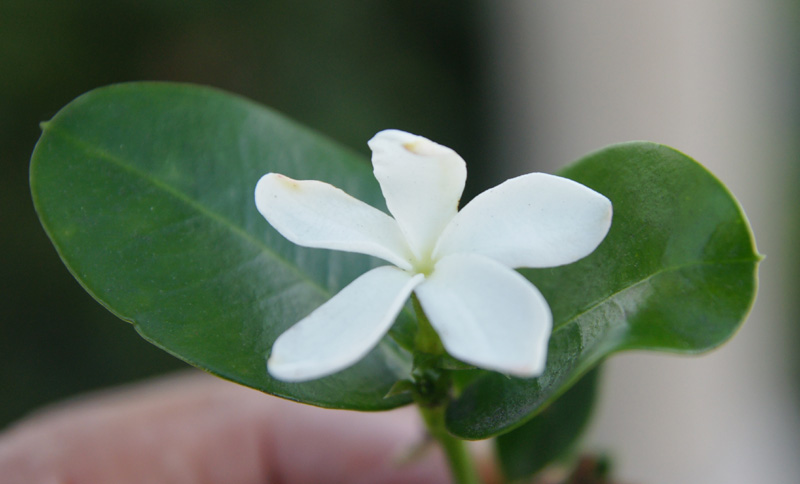
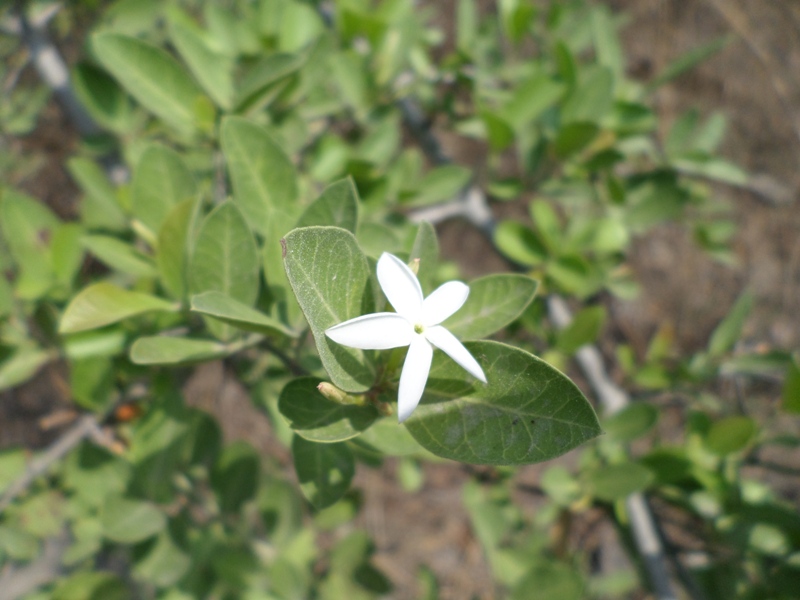
Please help to id the species of these Karvanda bushes. The first three photographs are from one shrub and the last three are from another one. My confusion stems from the difference in the shape of the flower petals in the first three images as compared to the last three… few of the flowers of the shrub in the last three images had 6 petals, is this normal?).
Could this be Carissa congesta
Carrisa caranda
iam not quite sure but it seems to me that the first three photos are of Carrisa opaca, and the others of carrisa
carranda, sending photo taken by me
I have a feeling that the 1st three photographs are of a different species than the last three.
 |
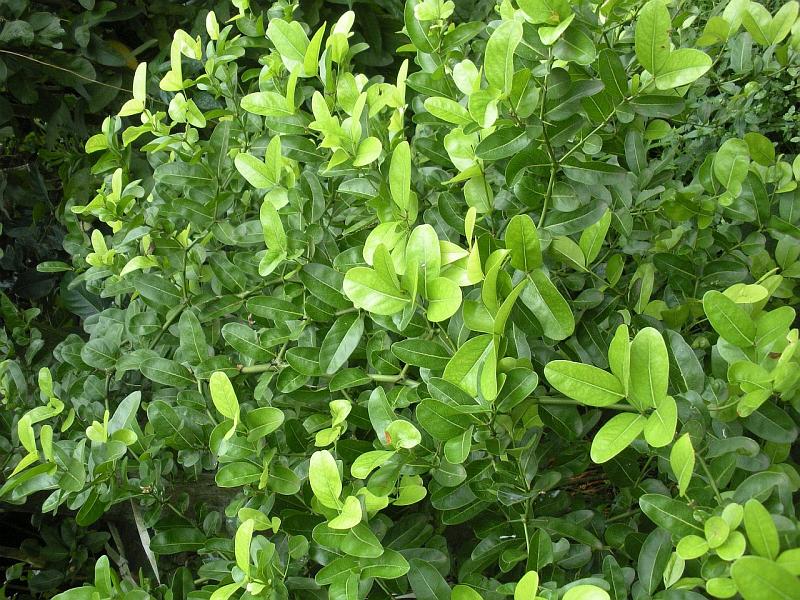
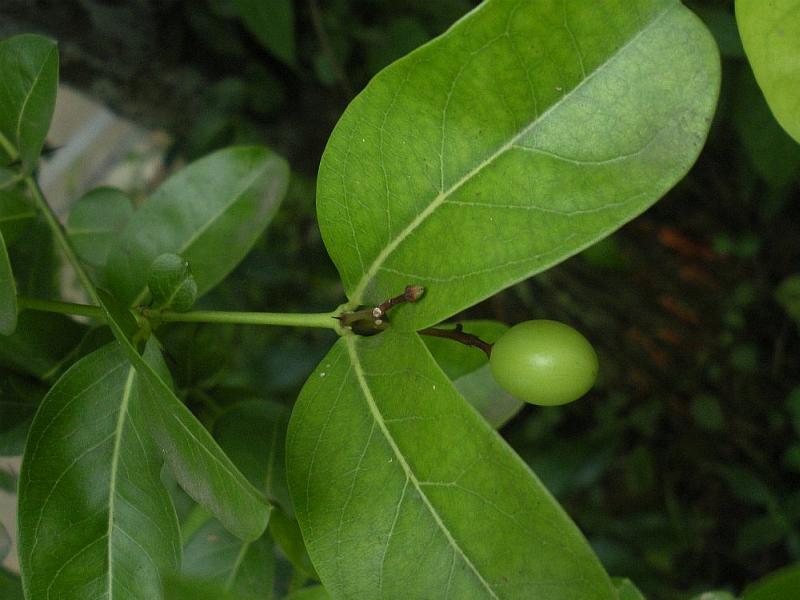
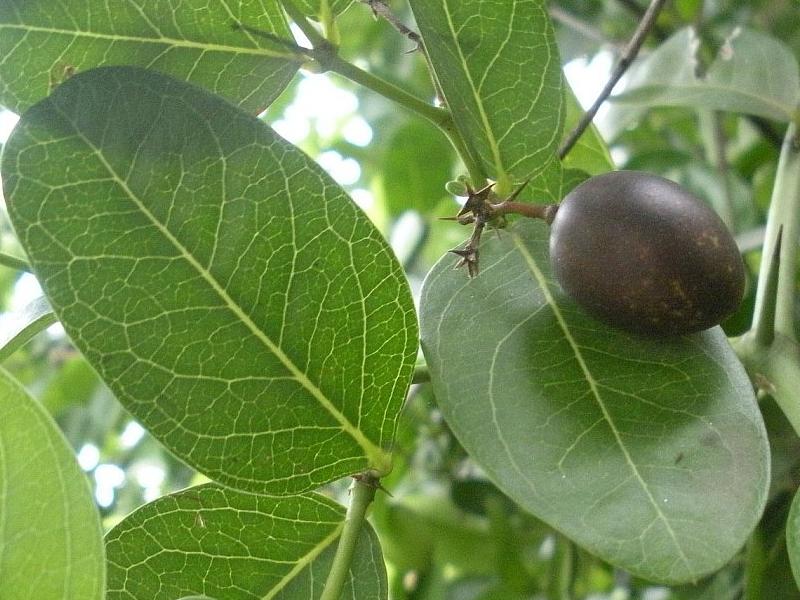
Tree Identification ???? : 3 posts by 3 authors. Attachments (1).
Place Hyderabad
24th May 2014
What is the habit of the plant, a tree or a climber?
Carissa carandas
   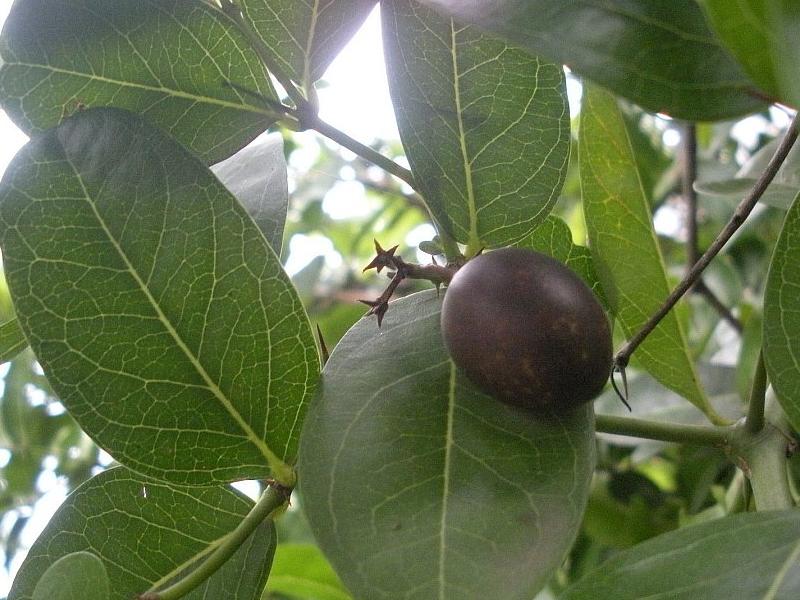 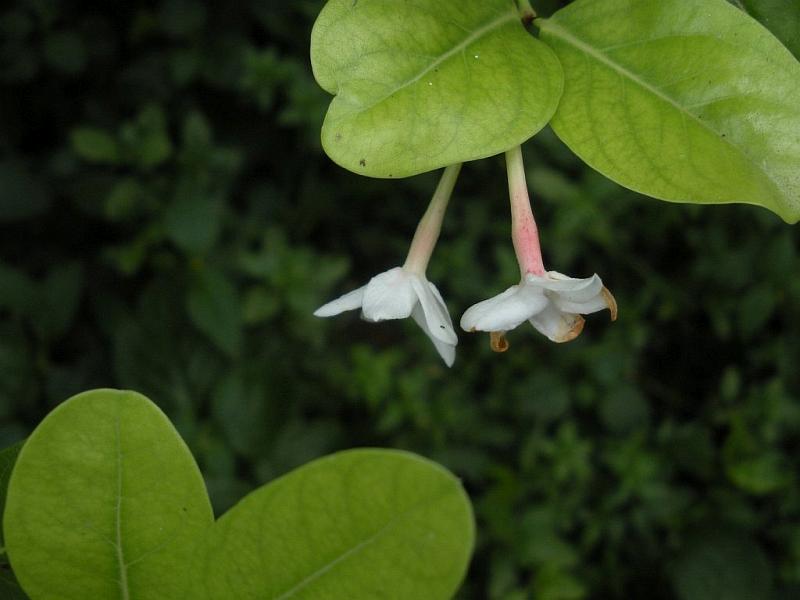 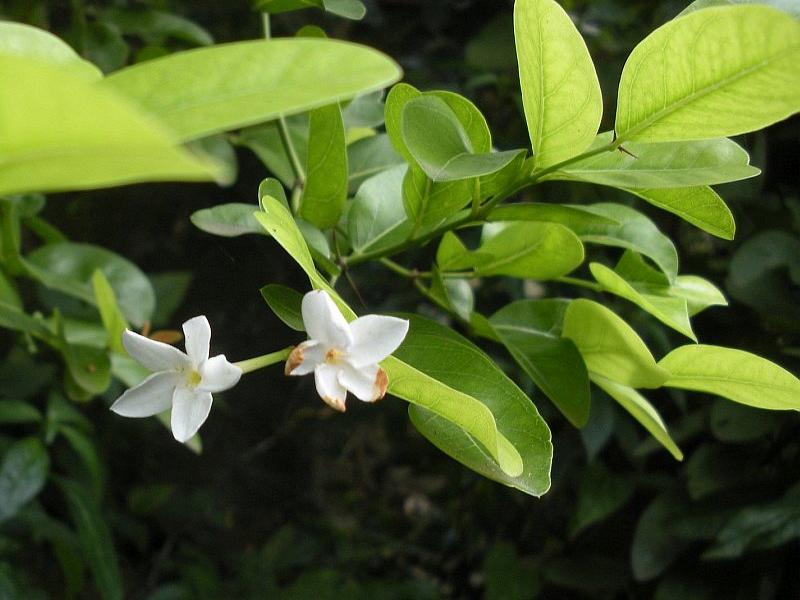 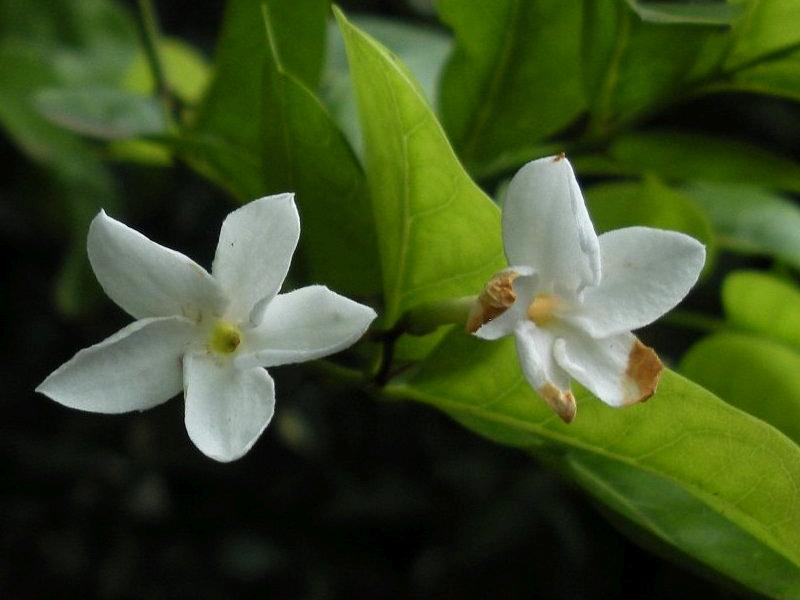 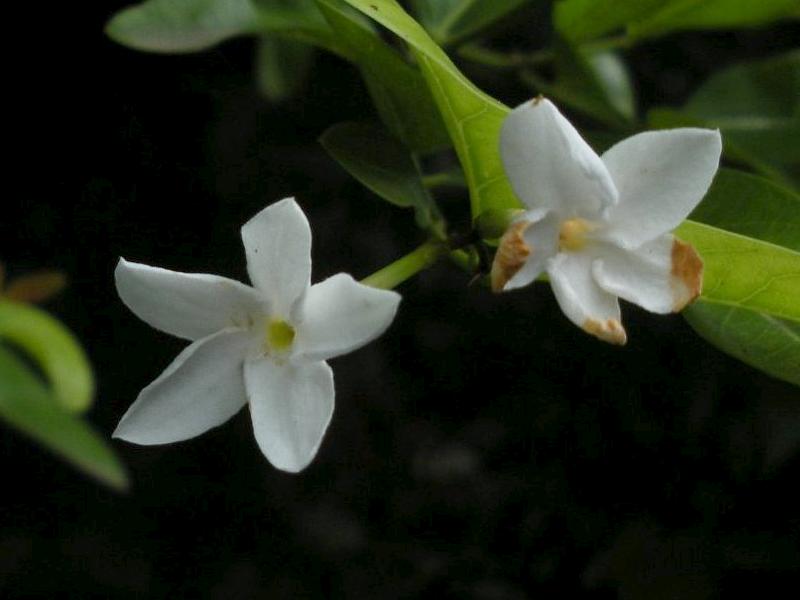 |
Photographed on 23-Aug-2012
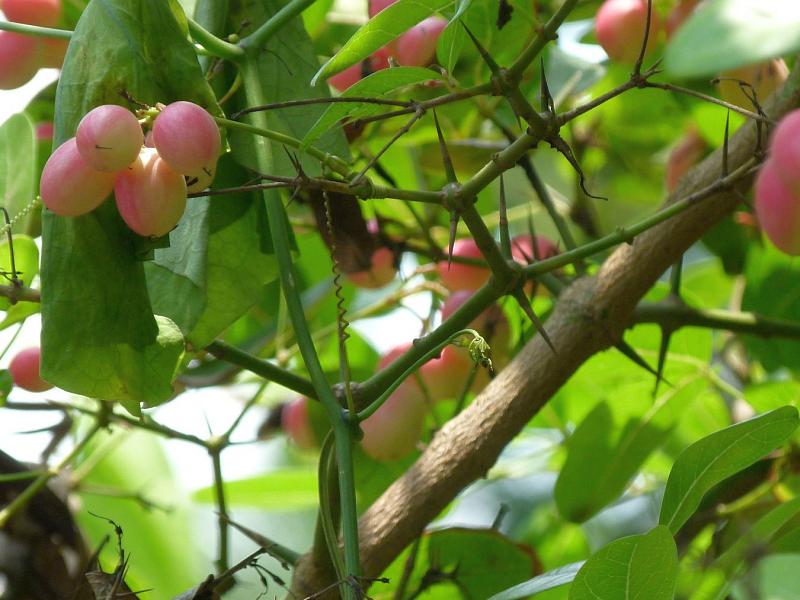 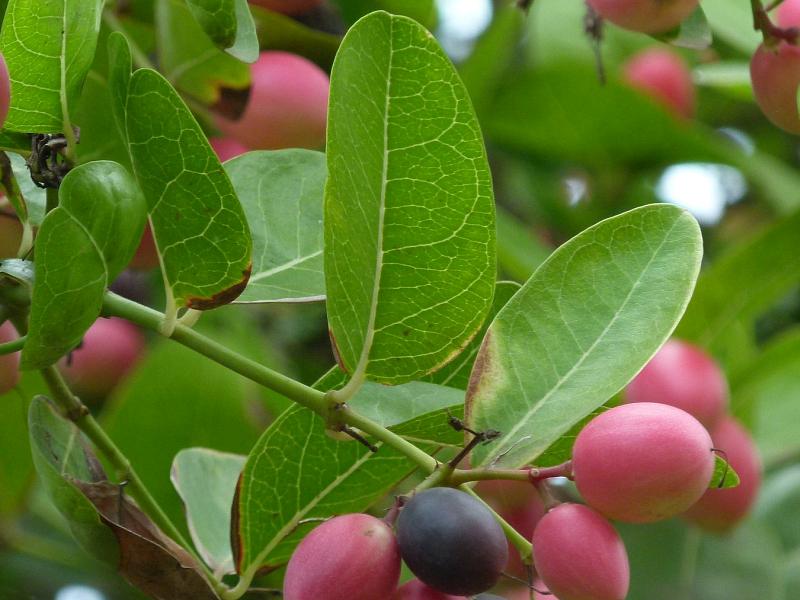 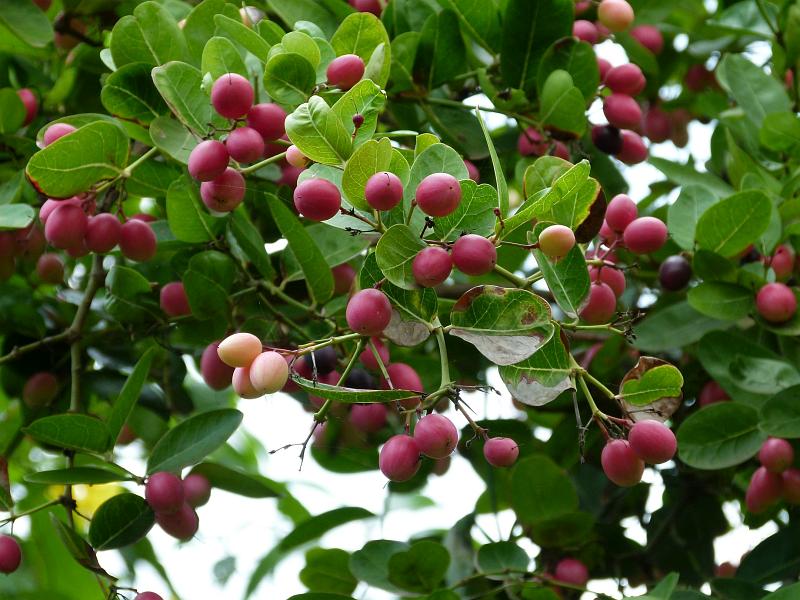 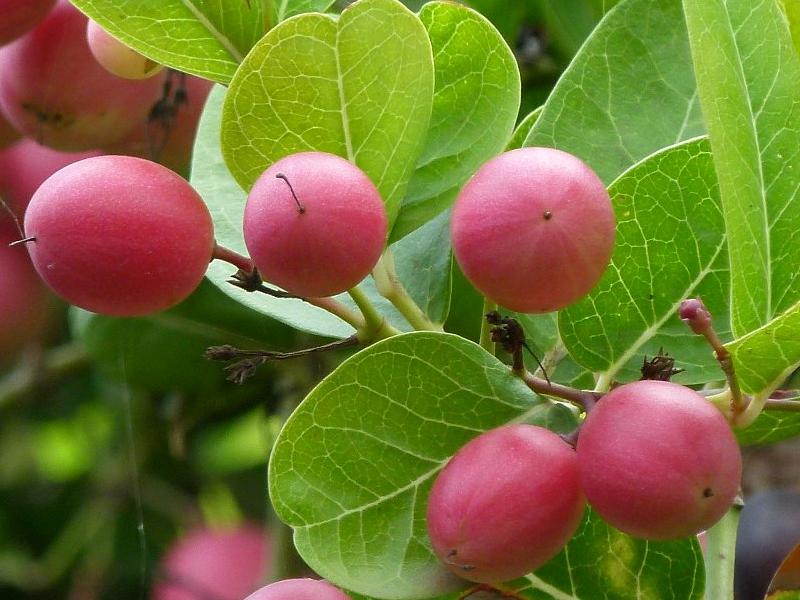 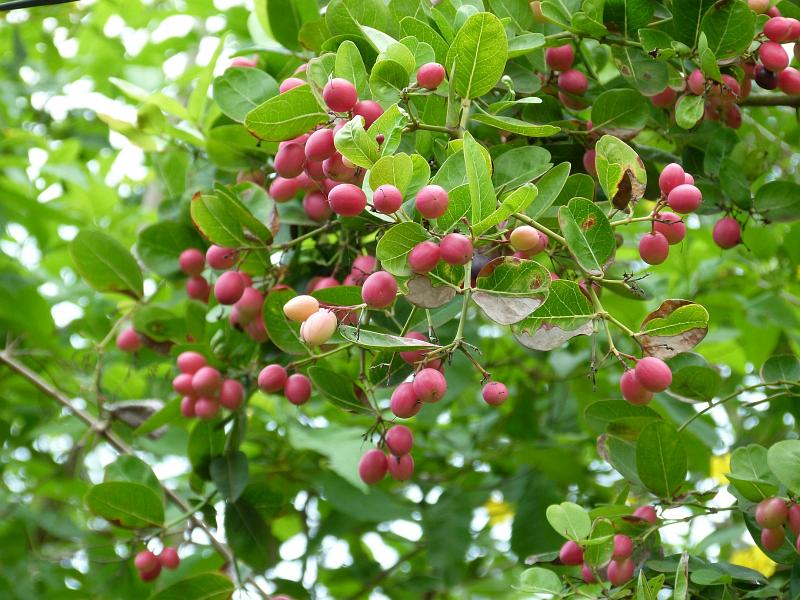 |
Photographed on 02-06-2013
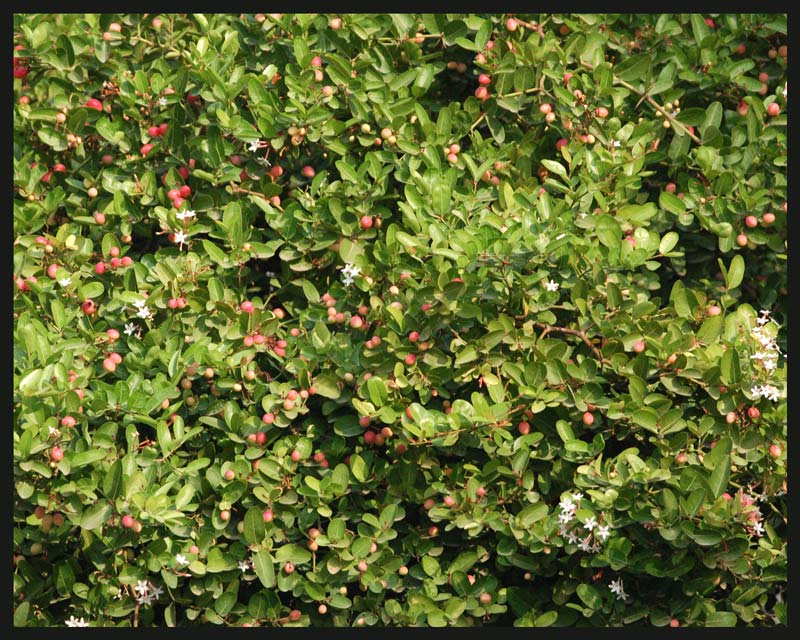 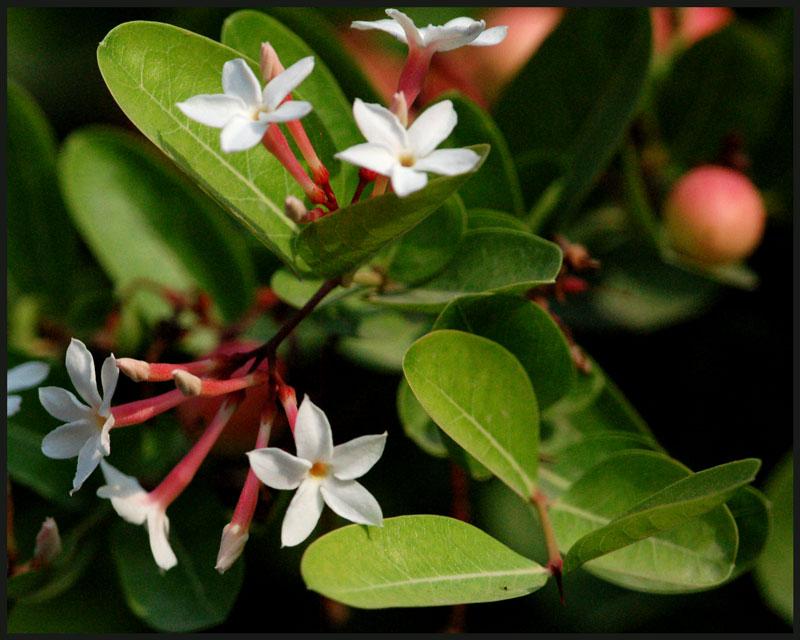 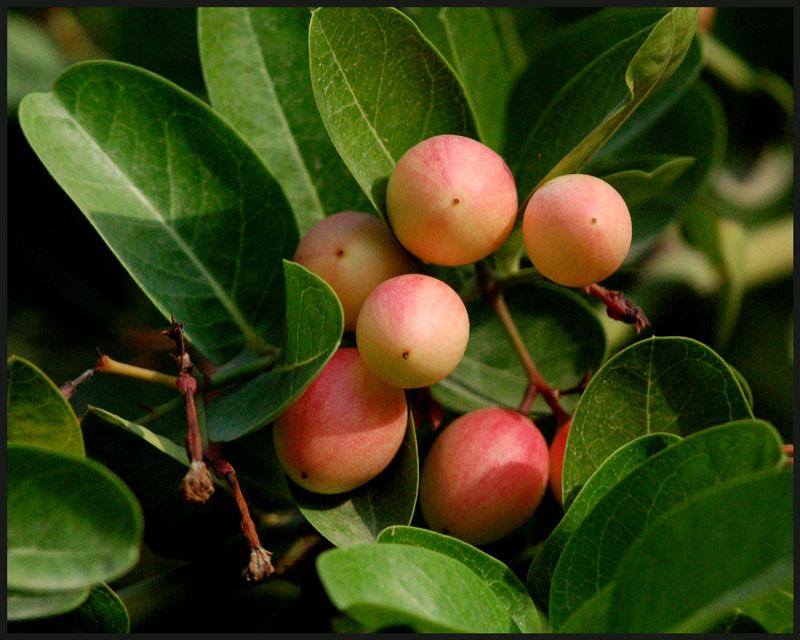 |
A nicely flowering and fruiting tree (or should I call a bush) near my residence, taken on 2.6.8
the fruit is also worn in hair by women.
The specimen in the picture is Carissa congesta var. albida locally called Safed Karvand. It was first reported from Purandhar by Fr.Santapau where it was used to adorn ladies’ hats.
It is now often grown as an ornamental in gardens.
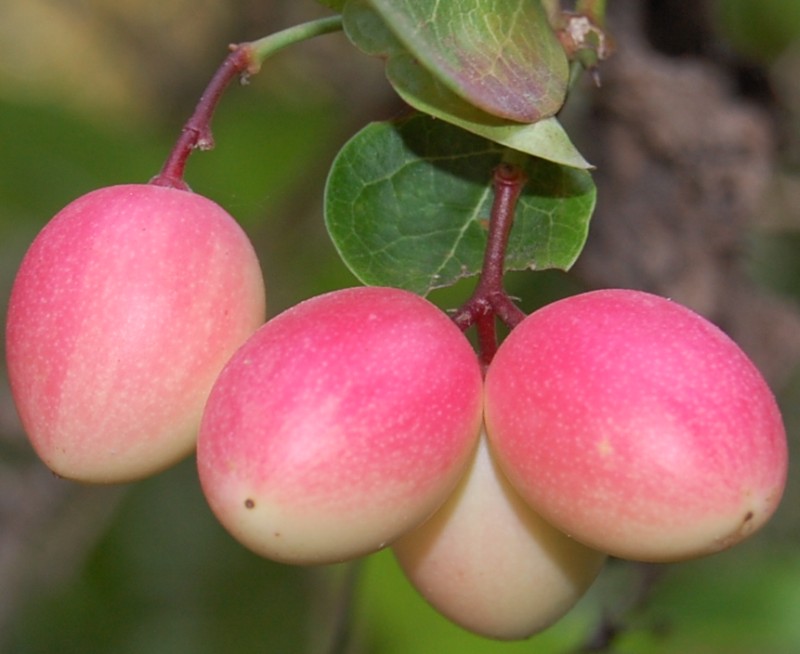 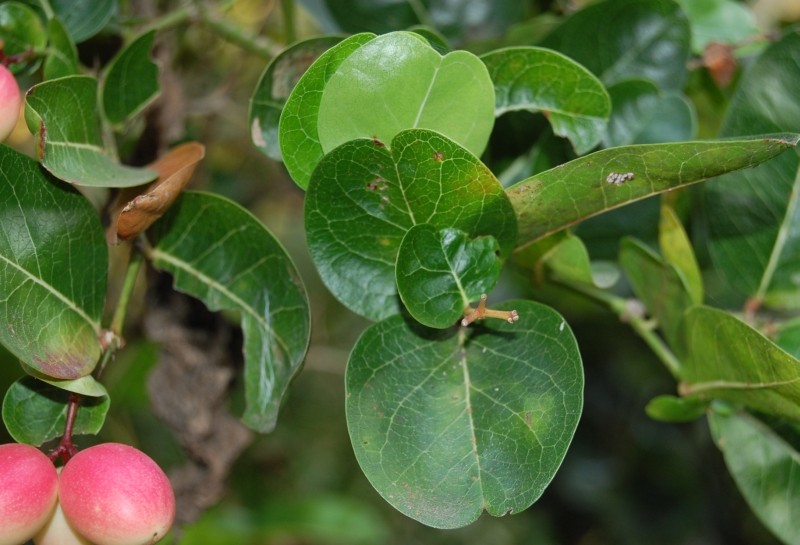 |
|
Date/Time : |
1 Jan 2009 05:22PM |
|
Location- Place, altitude and GPS: |
Angamali, Kerala |
|
Habitat- garden/ urban/wild/type: |
Town, Backyard, Garden |
|
Plant Habit-tree/shrub/climber/herb: |
Small Tree |
|
Height/length: |
8-10 feet |
|
Leaves-type/shape/size: |
Heart shape, Alternate (?), 5cms |
|
Inflorescence type /size: |
– |
|
Flowers-size/colour/calyx/bracts: |
–
|
|
Fruits type-shape/size/seeds: |
Pink, Size comparable with Jamoon fruit |
it is Carissa karandas– Karonda.
… remembering … gave me the ID … Carissa congesta var.albida … hoping it must be it … please search in earlier posts.
I also think this is Carissa carandas in Bengali we call it “Karamcha” now avilable in market used to make chutney and Etc.
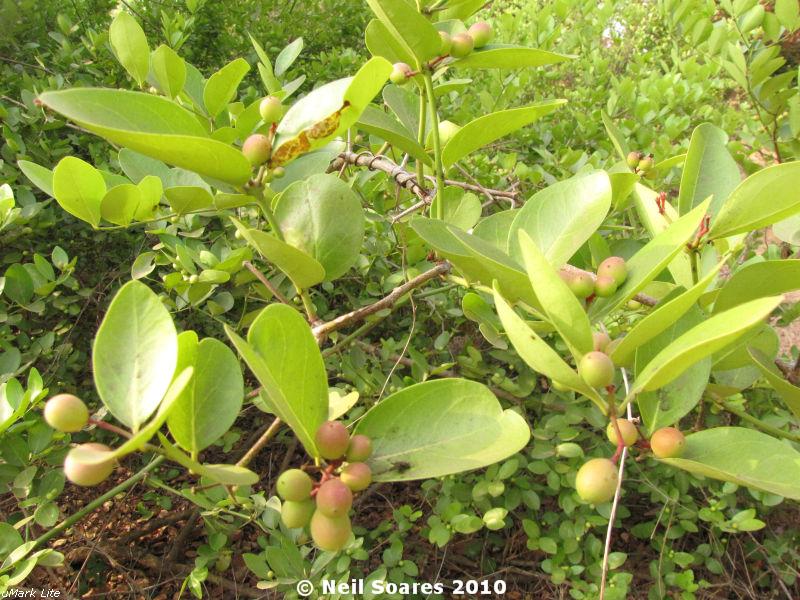 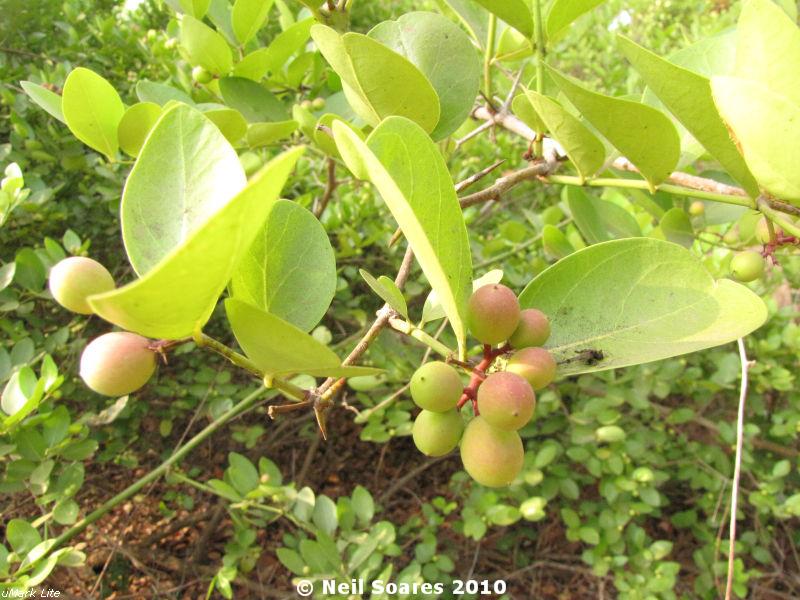 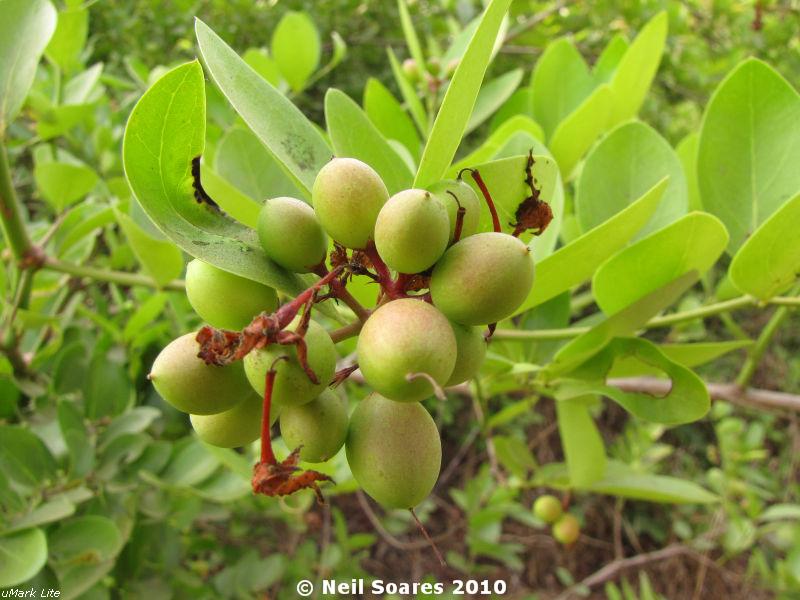 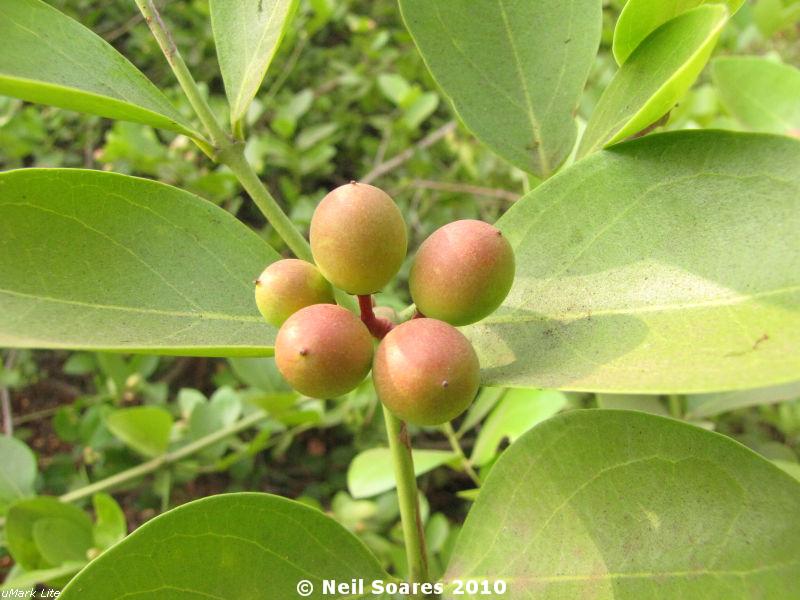 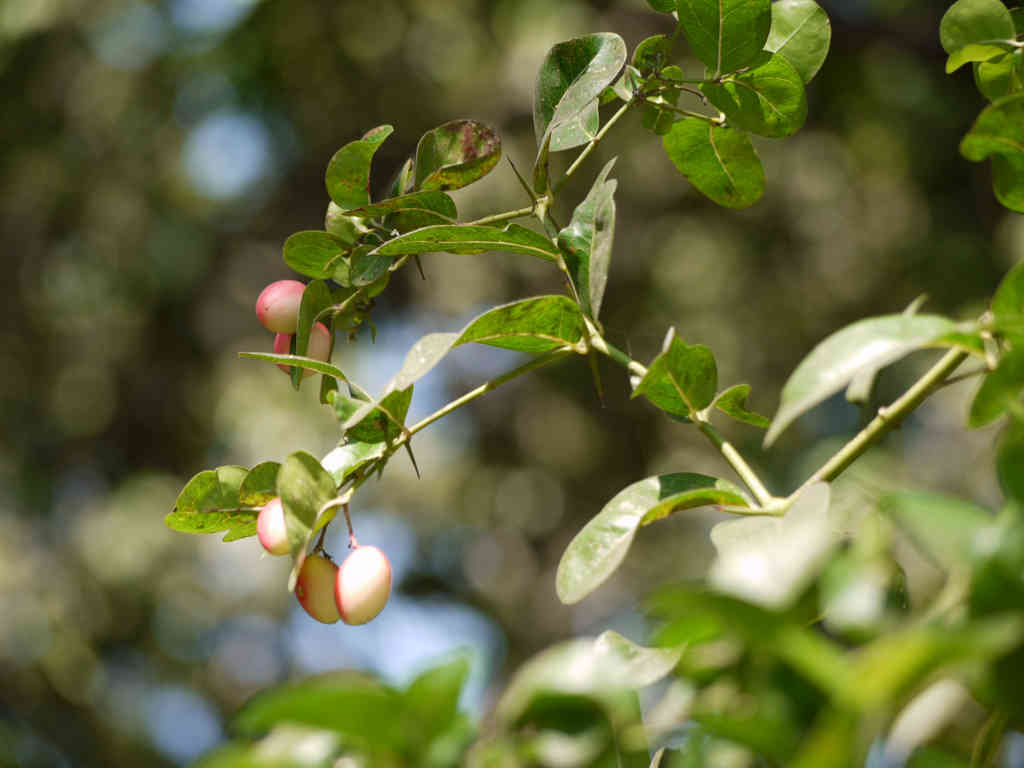 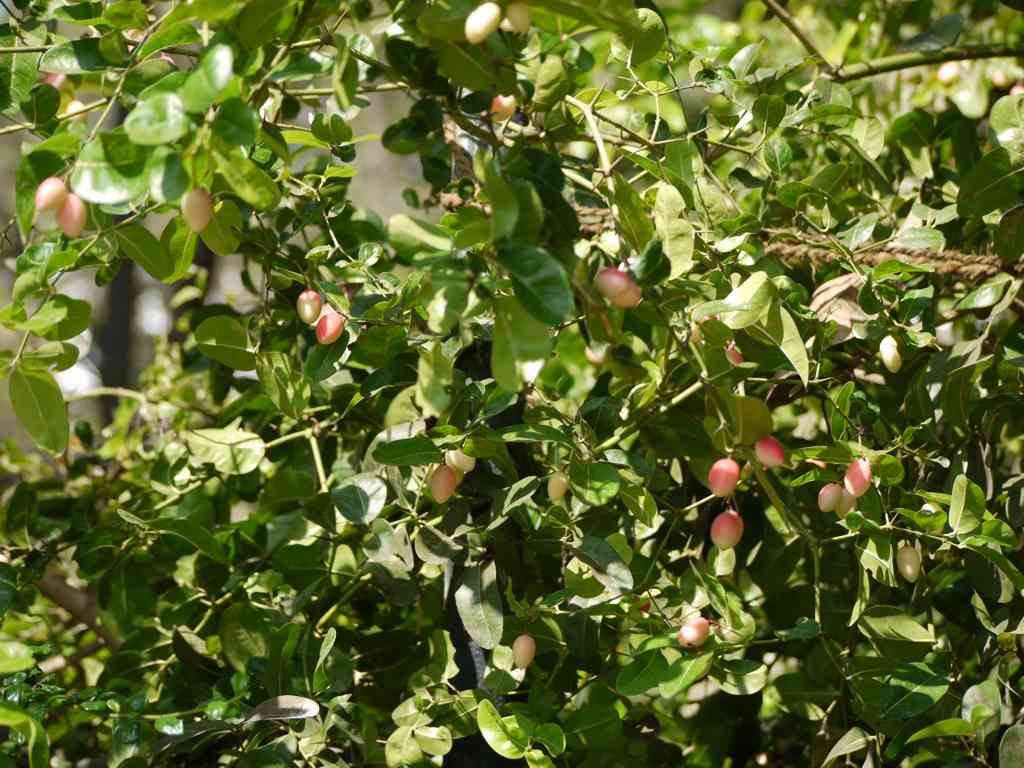 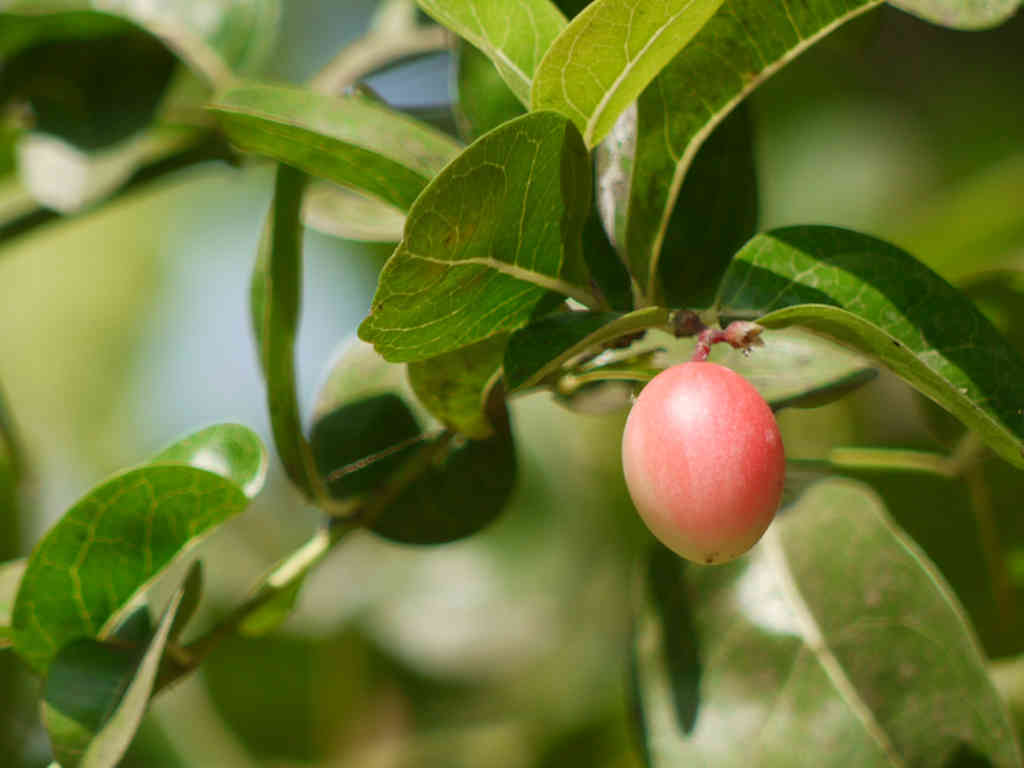 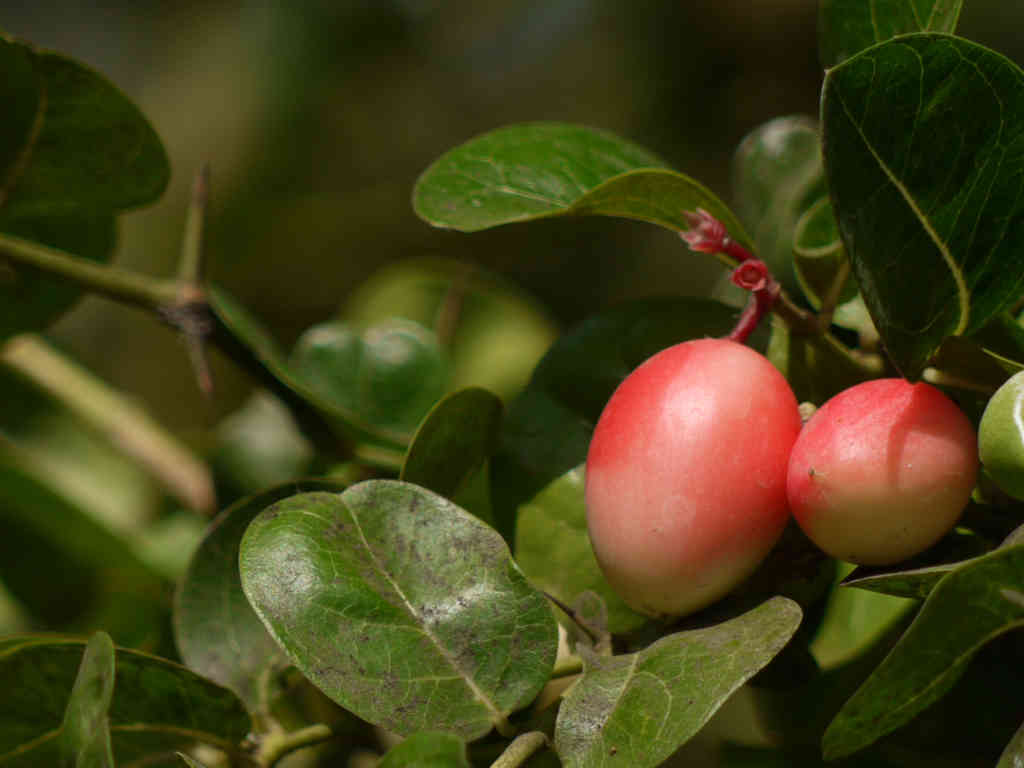 |
ID please … looks like some species of Carissa, would it be C. congesta ?
Date/Time : May 15, 2010 at 3.08pm IST
Location Place : Veermata Jijabai Bhonsale Udyan (Nursery)
Altitude : 13 m
GPS : 18°58’38.49″N, 72°50’17.86″E
Habitat : garden
Type : …
Plant
Habit : shrub
Height : about 3 m
Length : – not a climber –
Leaves
Type : simple, margin entire, slightly wavy, oppositely arranged, some single, short petioled (about 3 – 5 mm)
Shape : oval, rounded at both ends
Size : about 2 x 1.5 inches
Inflorescence
Type : terminal corymbs
Size : do not know
Flowers
Size : do not know
Colour : do not know
Calyx : do not know
Bracts : – no bracts –
Fruits
Type : berry
Shape : ellipsoid, rounded ends, faintly tipped.
Size : .about 1.5 – 2 cm
Seeds : do not know
Other Info
Fragrance : do not know
Pollinator : do not know
Uses : edible.
yes we in bengali call it KARAMCHA use to make chutney extremely sour to taste
I think C carandas
Used for making Achar, known as Karonda
It is Carissa congesta var. albida. Please check the archives of this group for our previous discussion on this.
Just to add. It was first discovered by Fr.Santapau in the market place of a village in Purandhar. It has since been introduced in most gardens as an ornamental. Sprigs were used to adorn the hats of young women.
Many thanks … for validating my query.
Actually had got surprised when one of my flickr contacts, posed a doubt of this plant being Carissa !!
… ID clarified my thinking: why must wild and abundant C. congesta, be cultivated at a nursery.
It is called Karbanda and when it is ripe called Kaali Maina.
more info on Carissa
http://www.worldagroforestrycentre.org/sea/Products/AFDbases/af/asp/SpeciesInfo.asp?SpID=18030
Carissa congesta [Carvanda] is fruiting extensively in Shahapur right now. Sending a few photographs. Attachments (4)
called karaunda in hindi. Makes a delicious pickle. Also used as the ‘sour’ ingredient in chutneys. This is also coloured and preserved in sugar syrup and sold n the Indiam market as Glaced cherries for akes/puddings etc.
Carissa congesta (var. albida) … is commonly known as: ………..
Yes, this is C. carandas–Karonda. Chatni, picle and sweet and savour vegetable is made out of this fruit.
5. Ripe fruit reddish-purple 5. Ripe fruit shining black
Many thanks … for resurfacing my post.
The post in eFI group that you have pointed, has keys provided by … He concludes by saying “Things are not very clear seeing lot of variability and confusion in literature but for me most features especially leaves and young fruit go with C. carandas“.
There is lot of variability and confusion; status of C. congesta is not clear. Let us hope some one sorting this genus comes forward and puts his / her thoughts too.
You can see a large number of synonyms for this species at WCSP link
Also pursue other threads in Carissa carandas
Many thanks … Will make relevant changes in my flickr notes.
This is Carissa cogesta [Wight] var. albida [Sant]. Please check this link for our previous discussion on this
If you pursue other threads in Carissa carandas, you will certainly feel that the current post is of Carissa carandas
Please check Dr. Almeida’s ‘ Flora of Maharashtra’, Vol. 3.
 |
the fruit is also worn in hair by women.
The specimen in the picture is Carissa congesta var. albida locally called Safed Karvand. It was first reported from Purandhar by Fr. Santapau where it was used to adorn ladies’ hats.
It is now often grown as an ornamental in gardens.
5. Ripe fruit reddish-purple 5. Ripe fruit shining black
For me the ID is correct. It is known as Kalakkai in Tamil and used for pickles.
 |
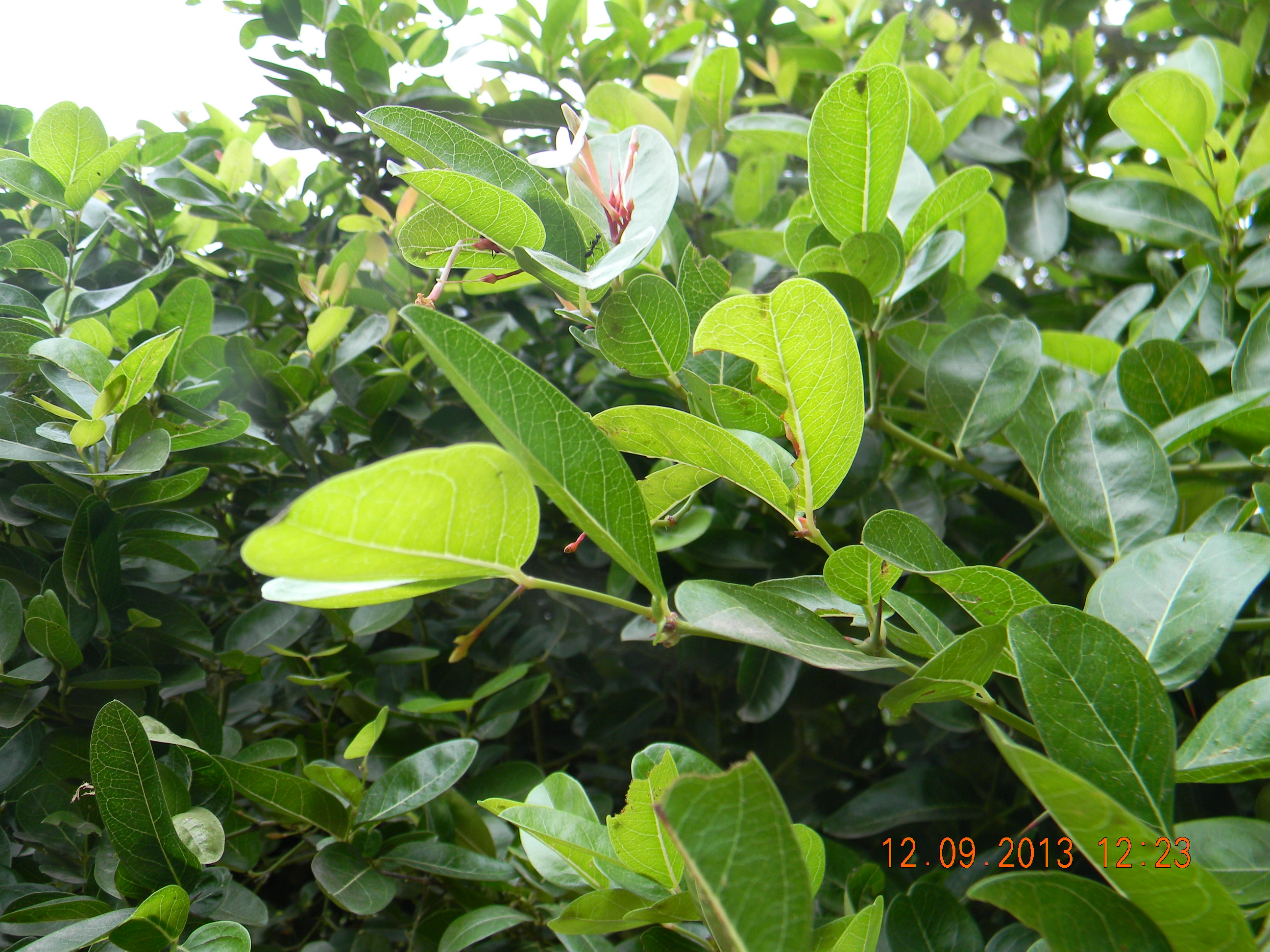
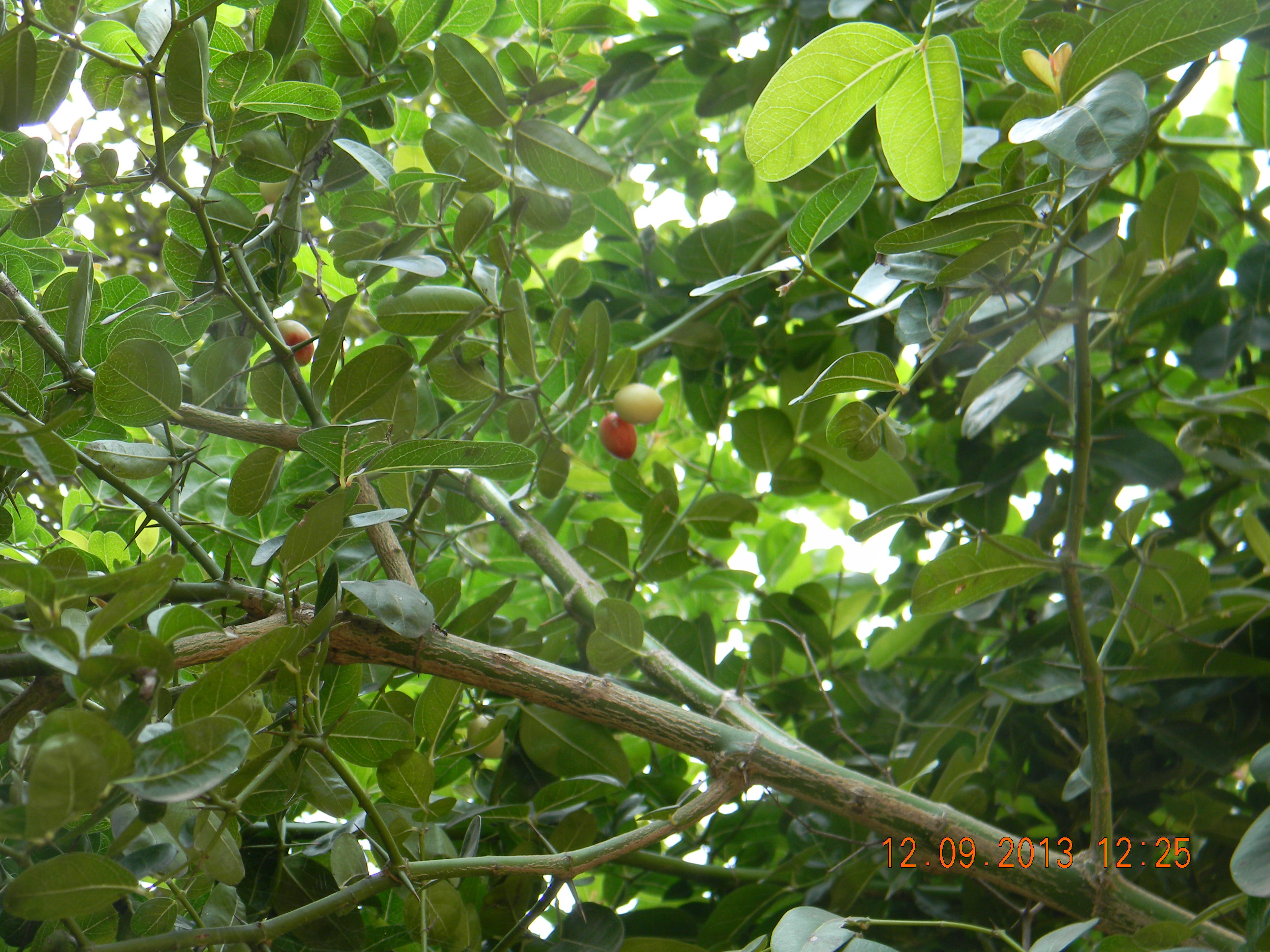
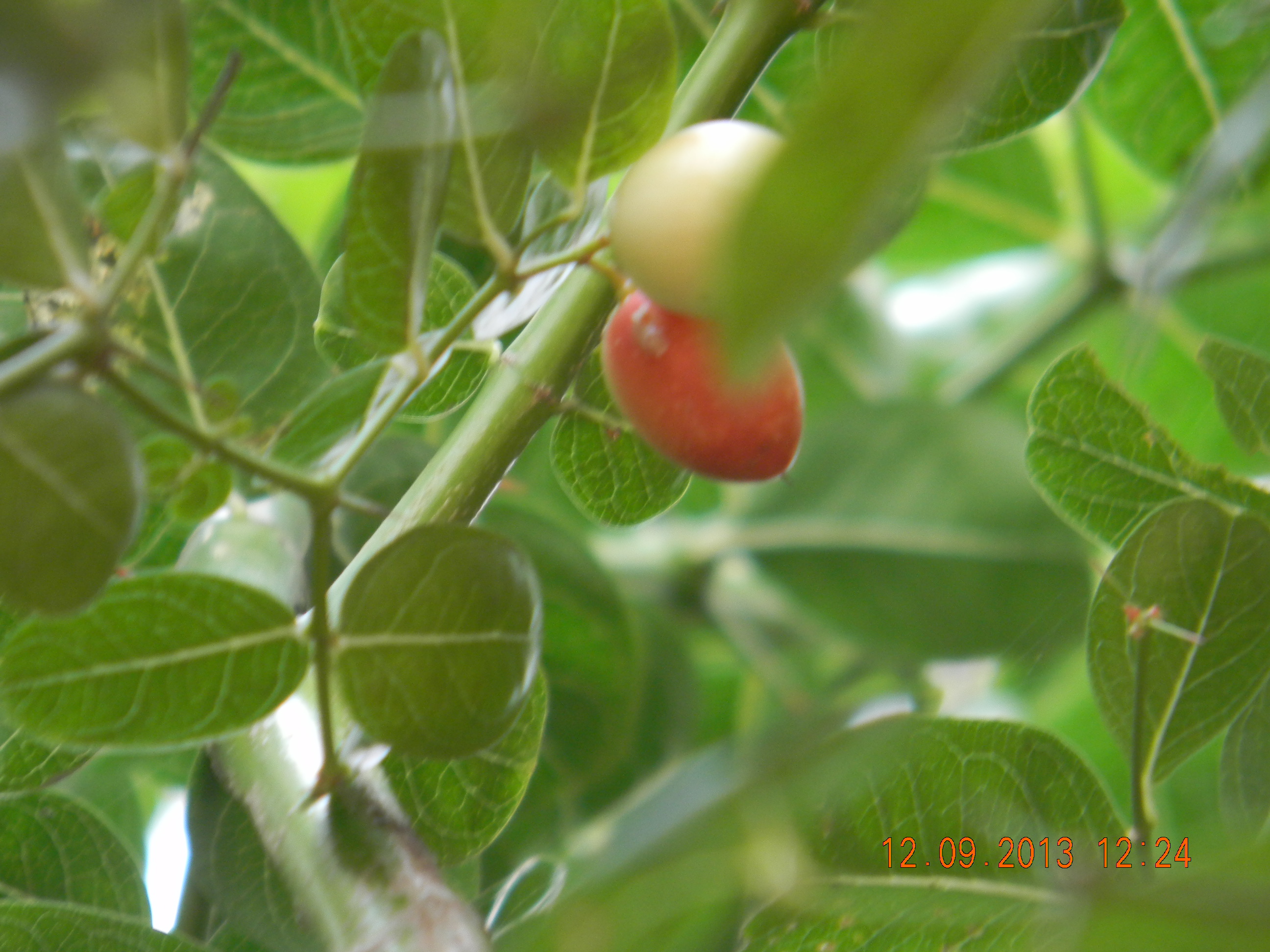
With the on going discussion on Carissa, I am posting this old picture taken in Nasik on the 8th of Sept,2009.
Experts, kindly validate.
Is it not Carissa carandas?
   |
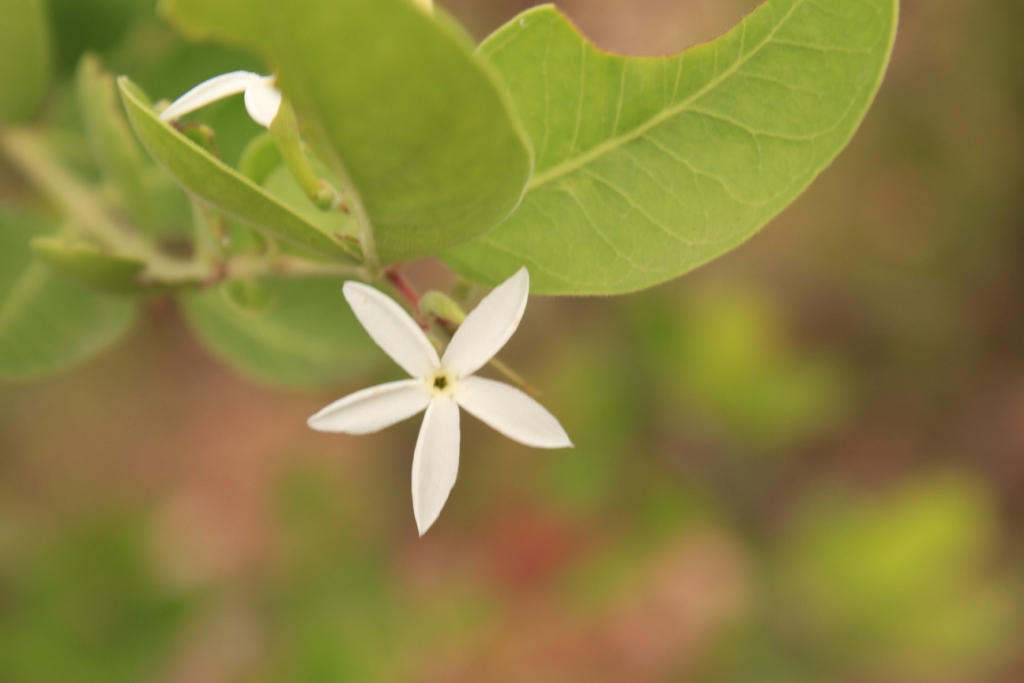 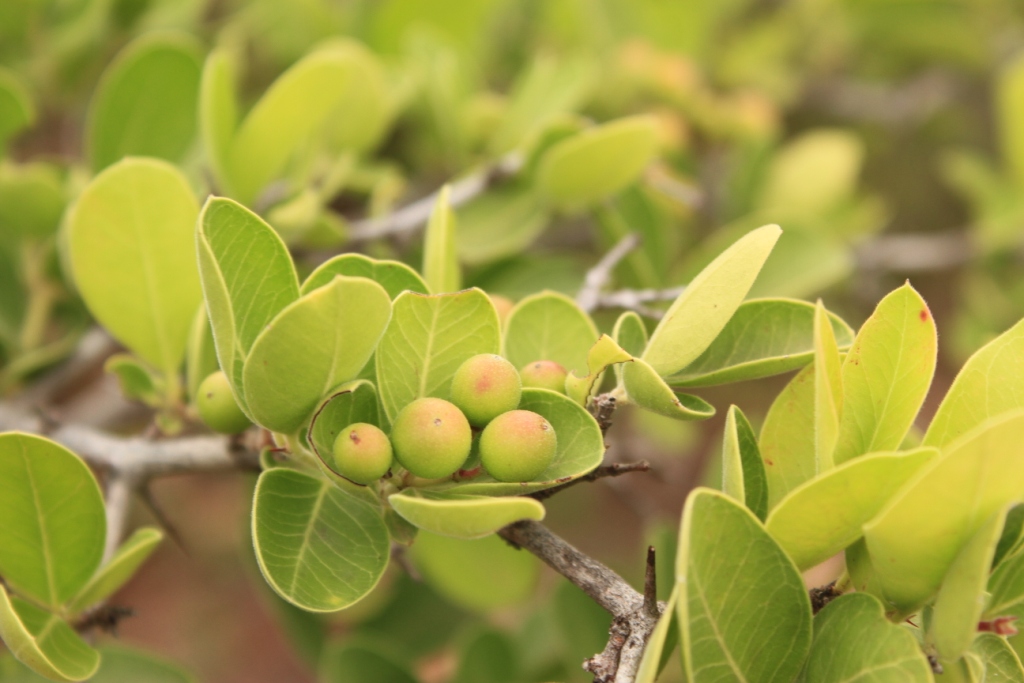 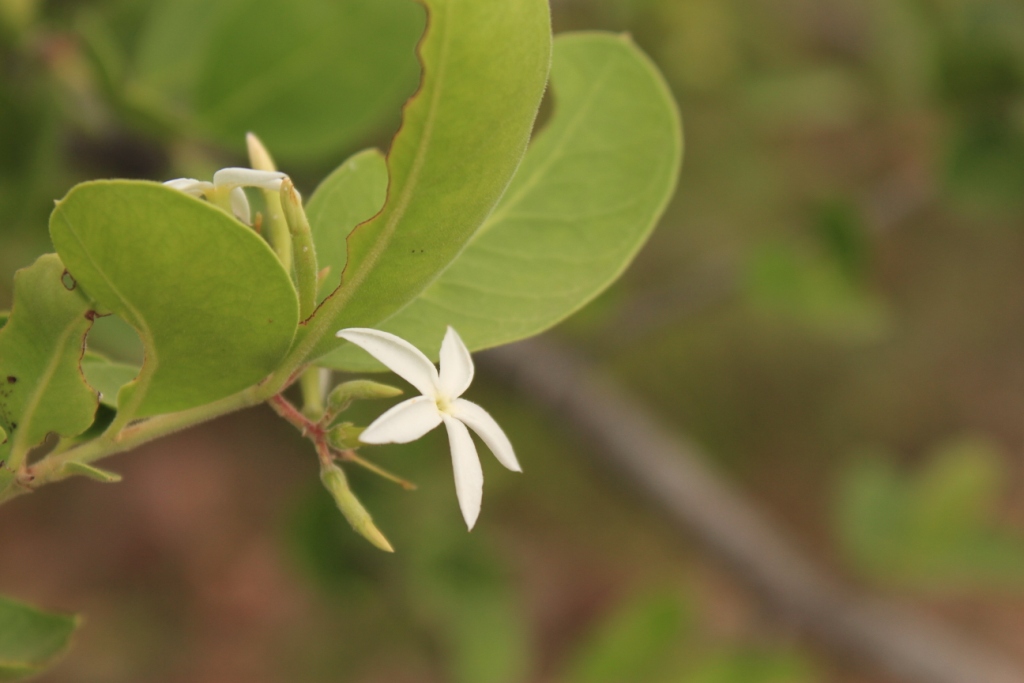 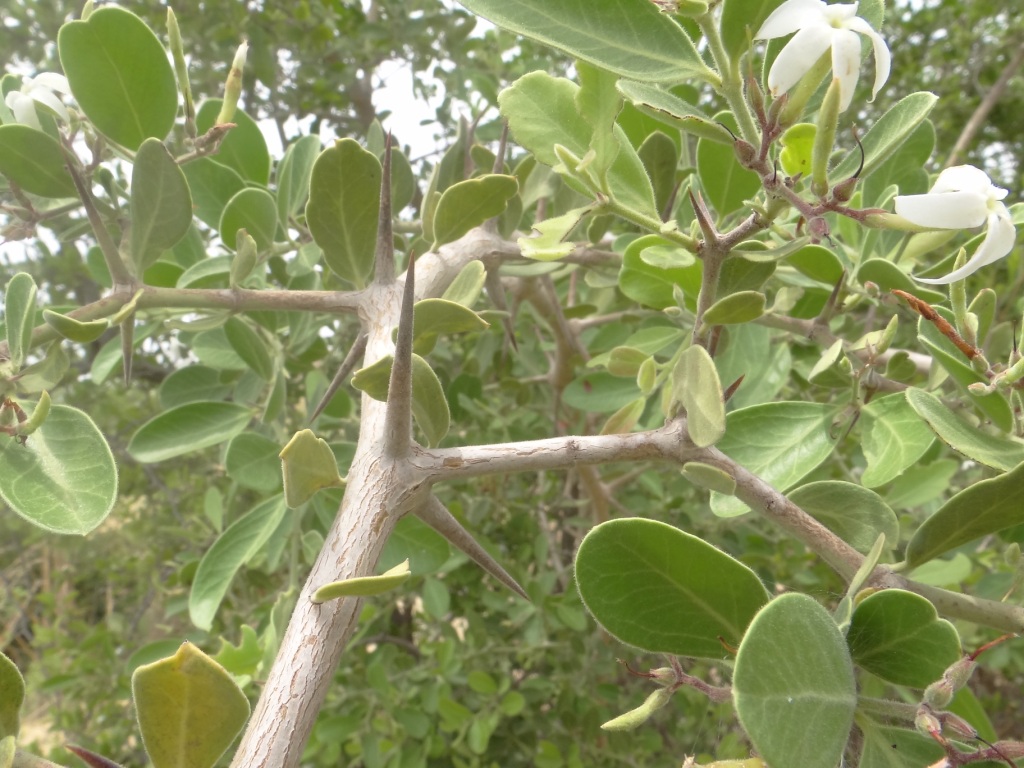 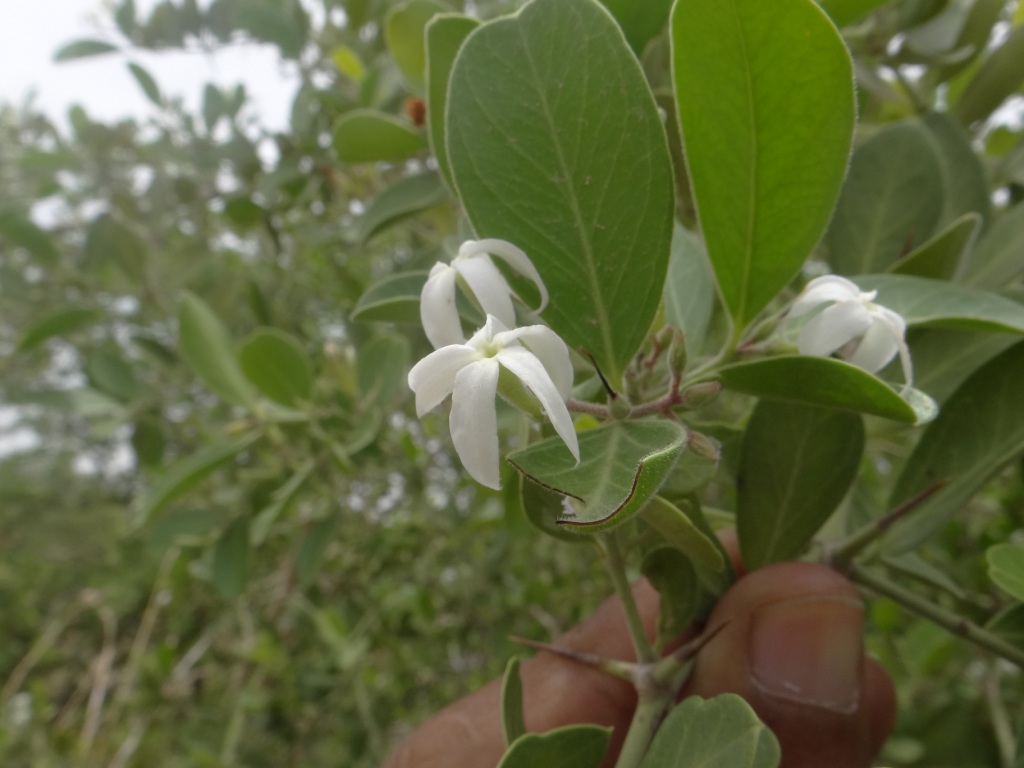 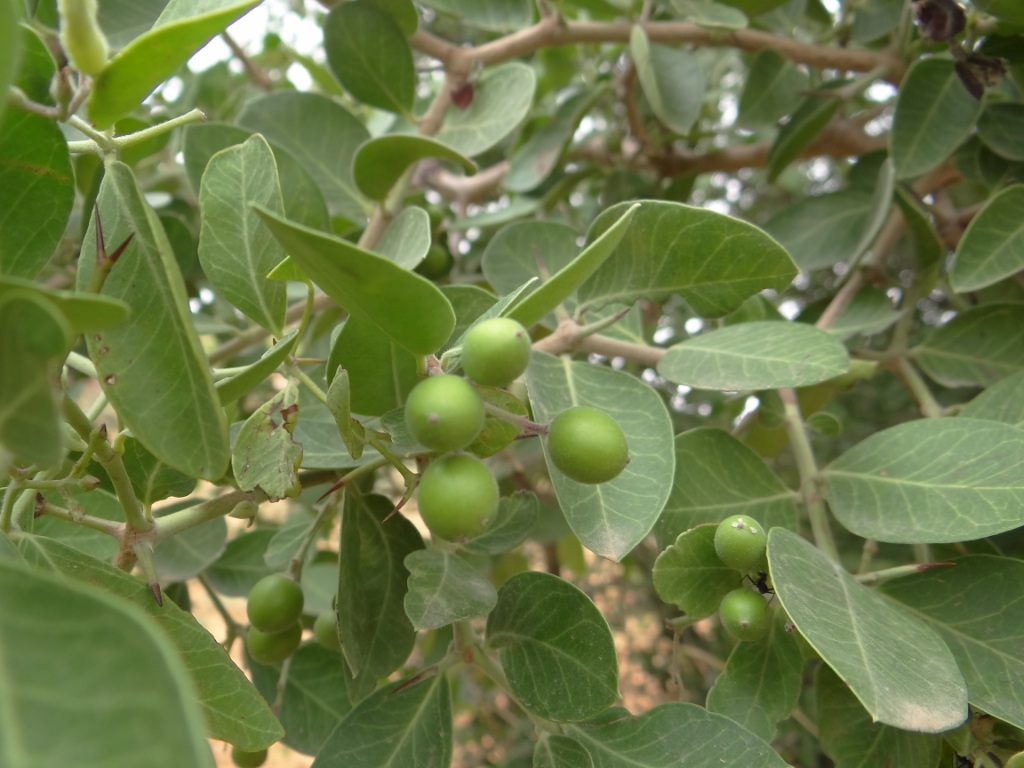 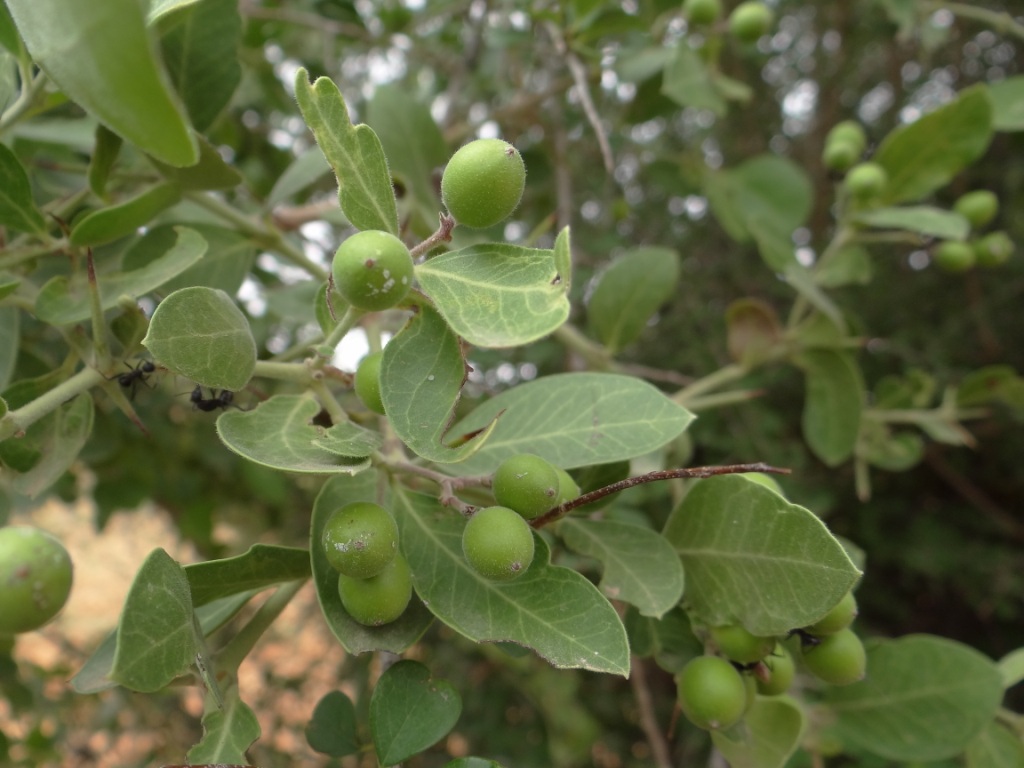 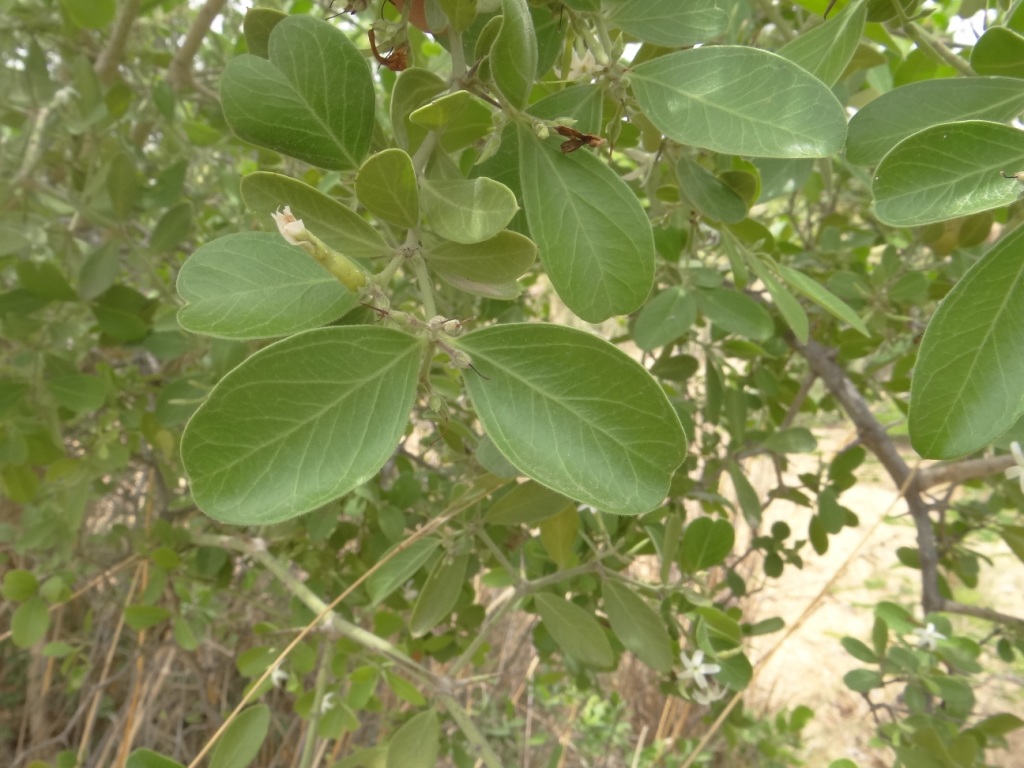     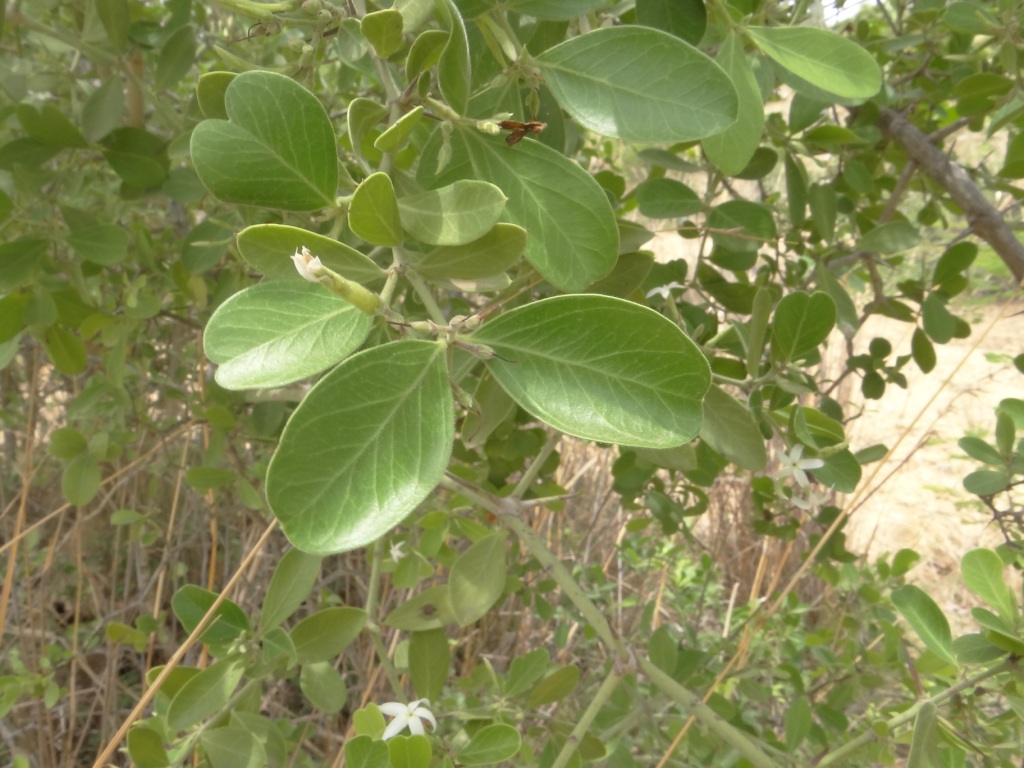 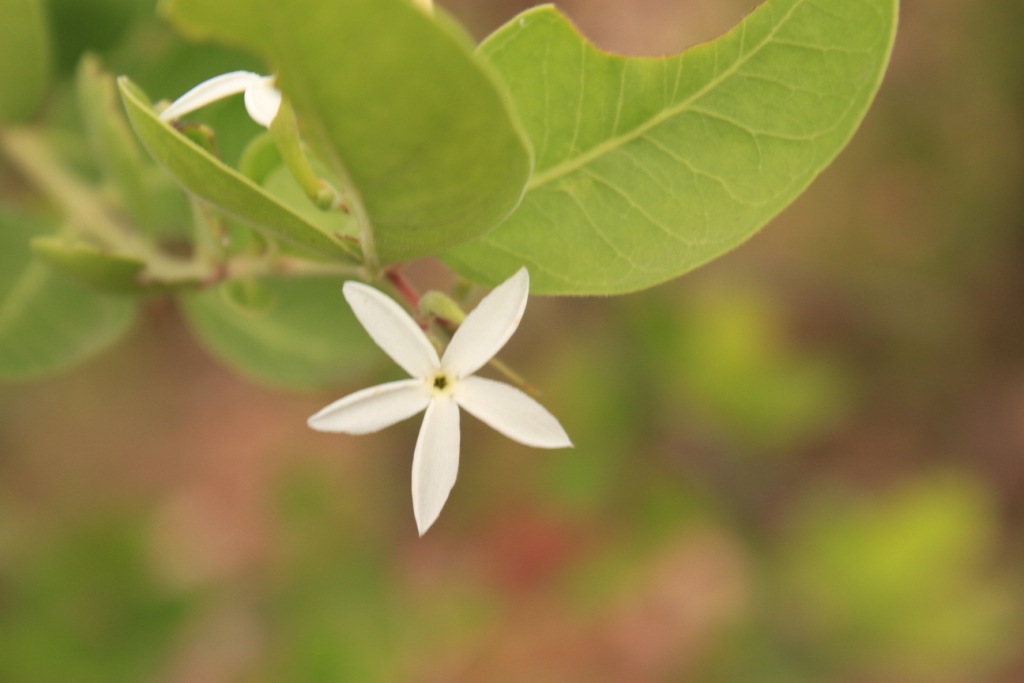 |
Please help me identify this plant.
It is Carissa spinarum. The fruit is edible when ripe, you must have eaten it! It is known as karuanda.
To me it appears like Carissa carandas L. as per keys herein.
yes it is Carissa carandas L.,
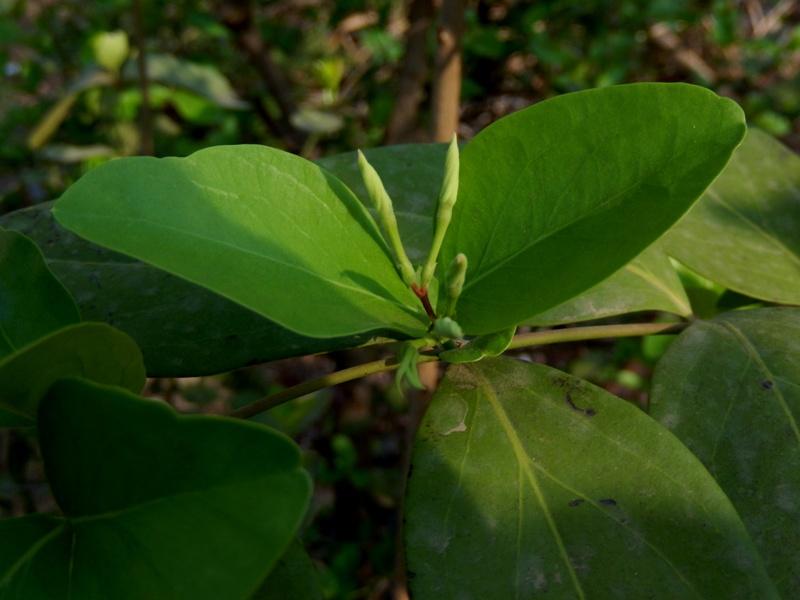 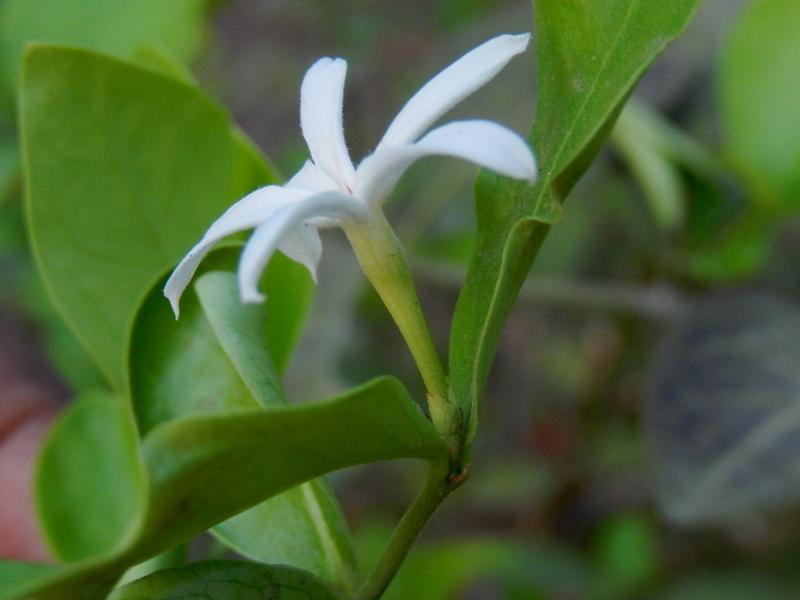 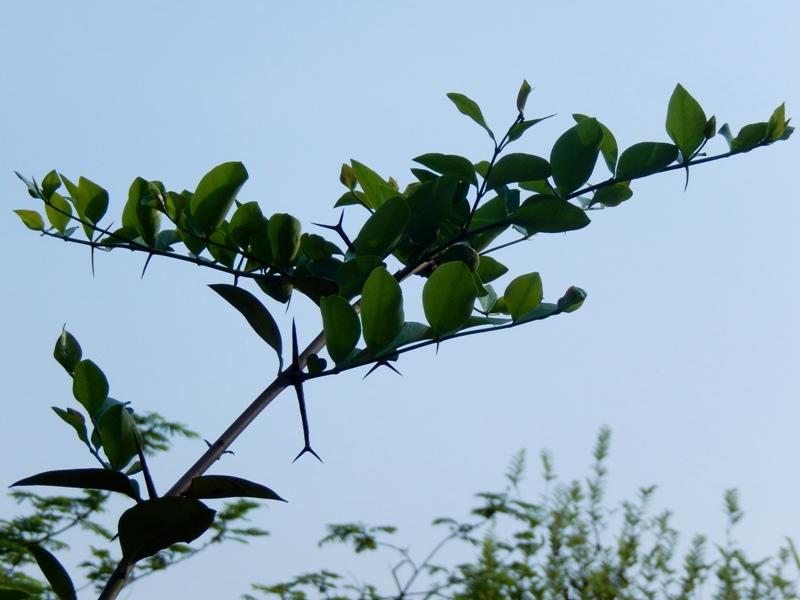 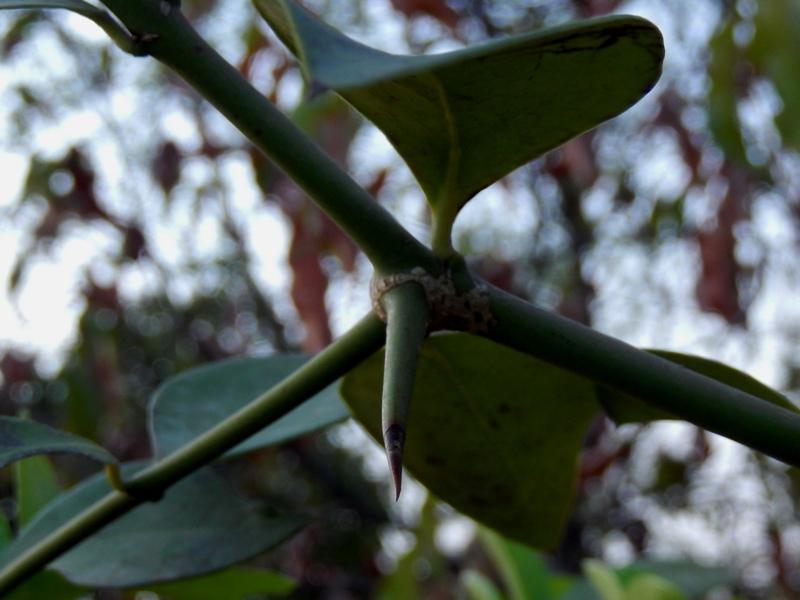 |
For ID010618SG : 3 posts by 3 authors. Attachments (4)
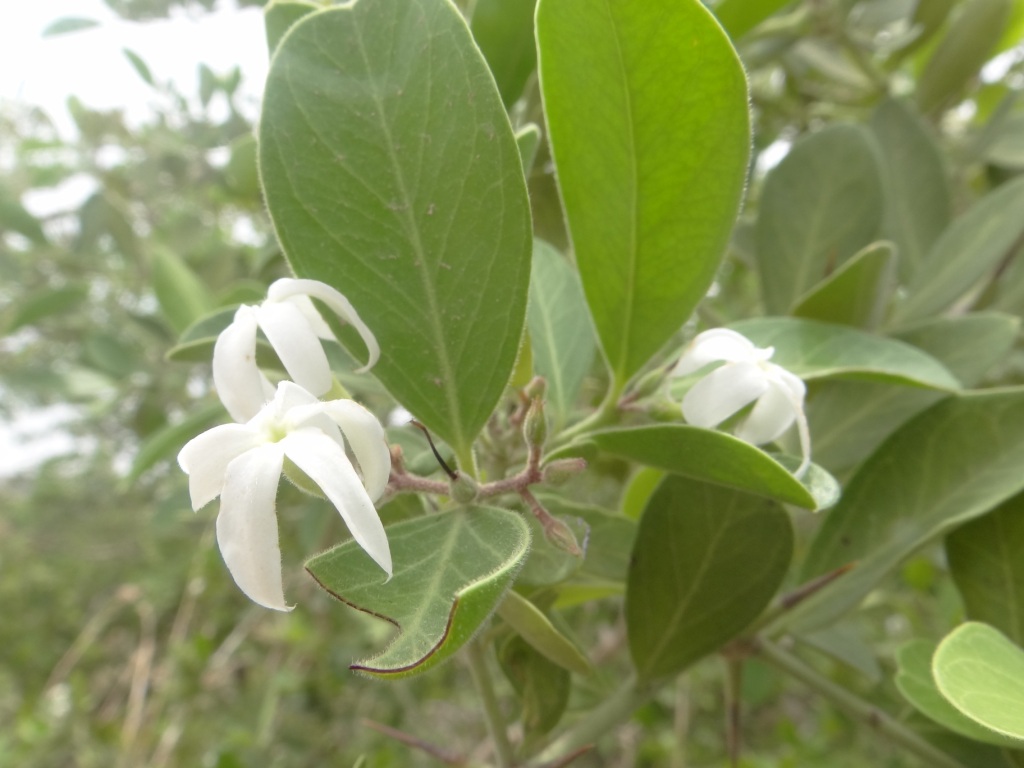
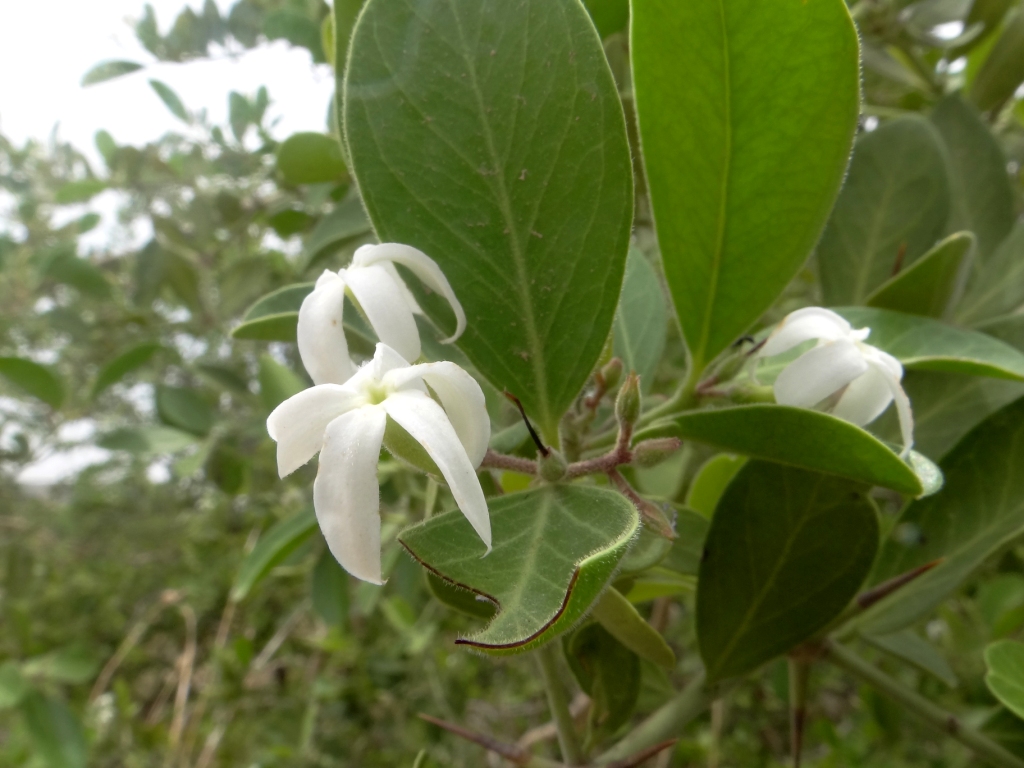
Please help ID this spreading bush having big thrones. Flower smells like jasmine. Leaves have milkey latex.
Carissa sp. only Apocynaceae. Check local floras from the collected locality.
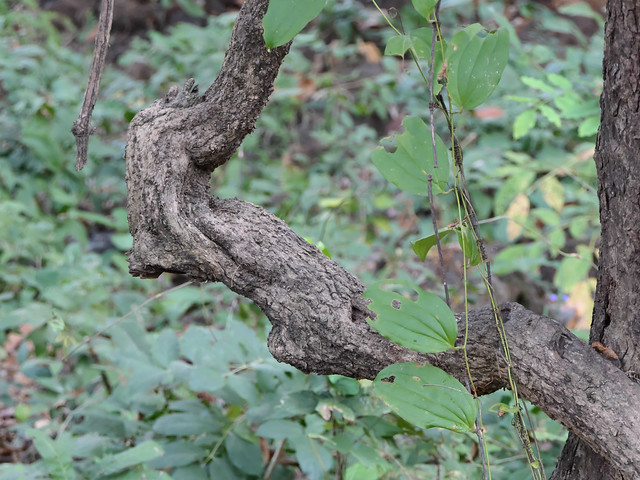
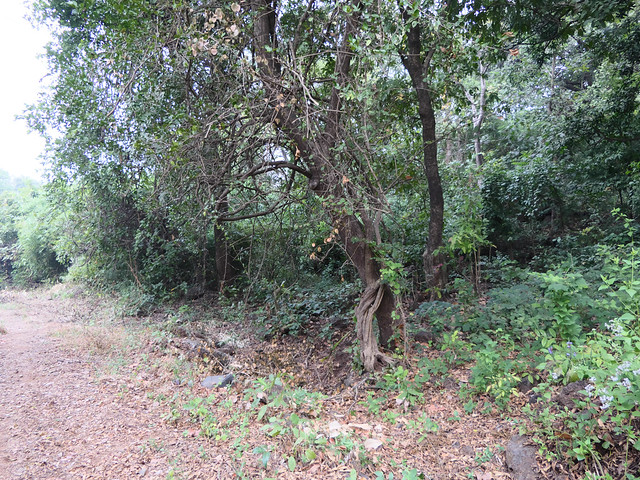
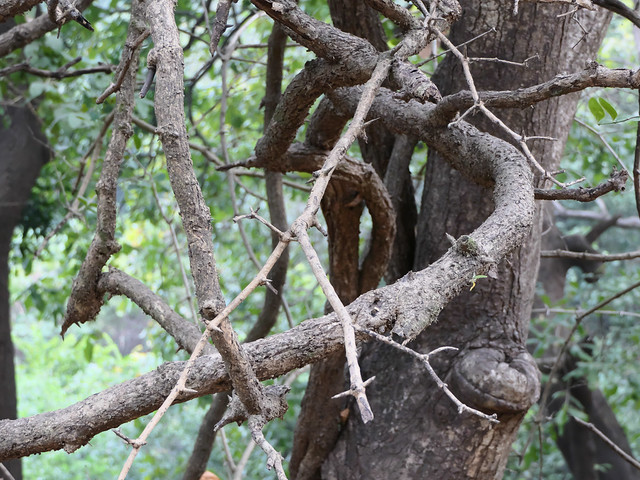
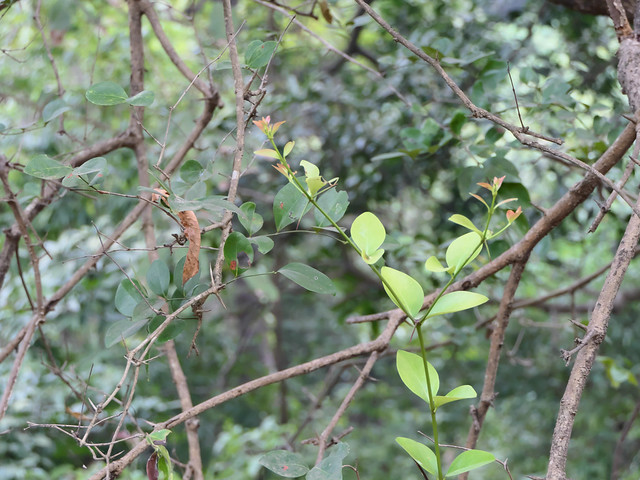
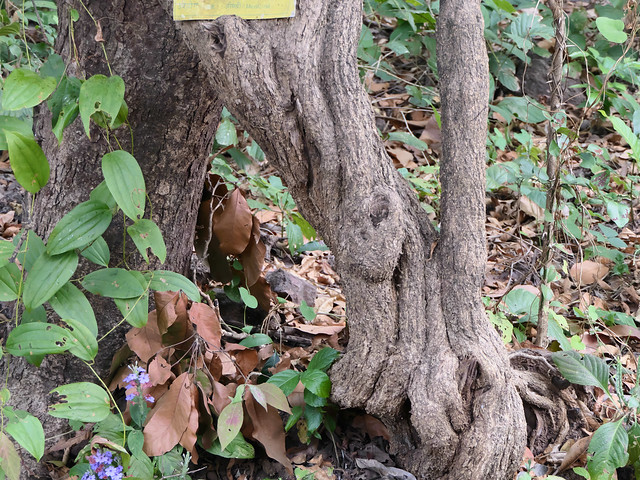
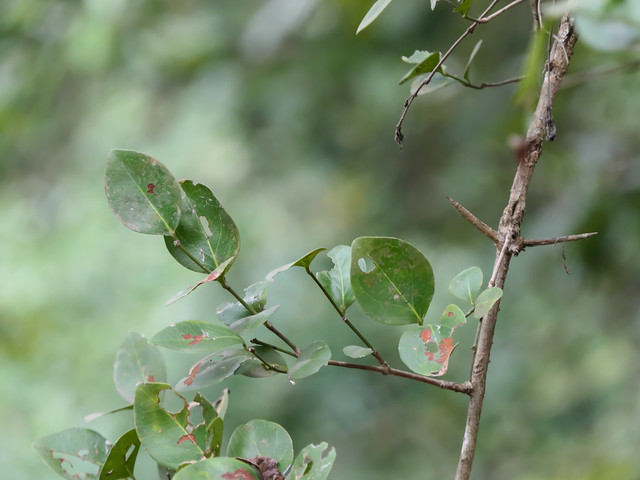
Nagla forest … part of Sanjay Gandhi National Park
Carissa carandas L.
.
Carissa karandas from Delhi-GS13052022-2: 3 very high res. images.
Splitting up the old thread in which I had mixed up the two species
3. C. spinarum: Lateral veins 3-5 pairs, corolla lobes 5-7 mm long, shorter than tube, fruit globose, 5-12 mm
.
location/date: (1) Tropical Forest Research Institute, Jabalpur, Madhya Pradesh, February 1993; (2, stem) University of Agricultural Sciences campus, Bangalore, July 1997
.
Carissa carandus from Andhra university Botanical Garden, Visakhapatnam, Andhra Pradesh on 12/04/2024
.
Please help with the Nepali name(s) of Carissa carandas L.
Nepali Name : करौंदा Karaudaa
Inserting the “n” that inadvertently got missed in करौंदा Karaunda.
Correct : करौँदा Karaundaa
.
Carissa carandas L.
kuh-RAN-das or ka-RAN-duhz — Latinized form of the Konkani / Marathi name (करांदा karanda) of this plant … compiled from the web
commonly known as: Bengal currant, karanda • Ahom: কৰ্জা টেঙা karja tenga • Assamese: কৰ্জা টেঙা korja tenga • Bengali: করমচা karamcha • Dogri: बड्डा गरना badda garna, बागी गरना baagi garna • Gujarati: કરમદી karamdi • Haryanvi: करौंदा karaunda • Hindi: बलालक balalak, डिण्डिम dindim, करौंदा karaunda, कृष्ण krishna, पाकफल pak-phal, सुषेण sushen • Kannada: ಅವಿಗ್ನ avigna, ಗರ್ಜಿ garji, ಹರೀಕಳಿವಿ harikalivi, ಕಳವೆ kalave, ಕಮರಿಕೆ kamarike, ಕಣಬೆ kanabe, ಕರಮರ್ದ karamarda, ಕರಂಡ karanda, ಕರವಡೀ karavadi, ಕರಿಚೆ kariche, ಕವಳ kavala, ಕೊರಿಂಡ korinda, ಕೃಷ್ಣಪಾಕಫಲ krishna-paakaphala, ಸುಷೇಣ sushena • Kol: कनुवान 𑢪𑢫𑢵𑢾𑢫 kanuwan • Konkani: ಕಾರಾಂಜ kaaraanja, काण्टां kantam, करवंदी karvandi • Kurukh: कनुवान কনূবান କନୁୱାନ kanuwan • Malayalam: കാരക്ക kaarakka, കാരപ്പഴം kaarappazham, കളാവു kalaavu, കരണ്ടകം karantakam, കരിമുള്ളി karimulli, കറുത്തചെറി karuttacheri, ക്ലാവ് klavu • Marathi: करांदा karanda, कारिंदा karinda, करवंद karvanda • Nepali: करौँजि karaunji • Odia: ଆଙ୍କୁକୋଳି ankukoli, କରମର୍ଦ୍ଦ karamardda, କରନ୍ଦା karanda, ନଳିନ nalina, ପାକ କୃଷ୍ଣpaka krushna, ରୋଚନ rochana, ସକଣ୍ଟକ sakantaka, ସୁଷେଣ sushena, ସୁଷ୍ମ sushma • Pahari: गारींगा garinga, गोठो gotho, गुरणा gurna, करौंदा karaunda, तिमुखिया timukhia • Punjabi: ਕੌਂਦਾ karaunda • Rajasthani: करोंदा karonda • Sanskrit: अविग्न avigna, डिण्डिम dindima, करमर्द karamarda, करमर्दी karamardi, कराम्बुक karambuka, कृष्ण krshna, कृष्णपाक krshnapaka, क्षीरफल kshiraphala, नलिनदल nalinadala, पाककृष्ण pakakrshna, पाकफल pakaphala, पाणिमर्द panimarda, फलकृष्ण phalakrshna, फलपाक phalapaka, सुषेण shushena, वनामल vanamala, वरालक varalaka, वराम्र varamra, वारिवर varivara, वश vasha, विघ्न vighna • Santali: ᱡᱟᱹᱱᱩᱢ janum, ᱠᱟᱸᱲᱣᱟᱠ karwak, ᱠᱟᱸᱲᱣᱟᱛ karwat • Tamil: களாக்காய் kalakkay, பெருங்களா perunkala • Telugu: కలివెచెట్టు kalive-chettu, ఓకచెట్టు oka-chettu, పెద్దకలివి pedda kalivi, పెద్దవాక్కాయ pedda vaaka-kaaya, వాకకాయ vaaka-kaaya • Tulu: ಕರಂಡೆ ಪುಳಿಮರ karande pulimara • Urdu: بلالك balalak, ڐنڐم dindim, کروندا karaunda, کرشن krishna, پاک پھل pak-phal, سشين sushen
known for / parts made use of: fruits, roots, leaves, bark, milky latex, the thorns & whole shrub (living fence) … compiled from the web
botanical names: Carissa carandas L. … homotypic synonyms: Arduina carandas (L.) Baill. • Jasminonerium carandas (L.) Kuntze • Capparis carandas (L.) Burm.f. … heterotypic synonyms: Carissa salicina Lam. • Echites spinosus Burm.f. • Jasminonerium salicinum (Lam.) Kuntze … and more at POWO, retrieved July 29, 2026
Links listed as references in the notes below, may not remain valid permanently. Portals / websites have a tendency to re-organize / revise their content, leading to change in URLs of pages in their site. Some sites may even close down at their own will. The bits about the languages of India mentioned below are merely some bare facts gathered from the internet; just enough to satisfy curiosity about “where” could the listed names be best prevalent in India. All English transliterated names to be taken sensu amplo.
- Wikipedia – The Free Encyclopedia … (accessed: July 29, 2026)
- Name coined during the colonial era — the clusters of dark, ripe berries heavily resemble true European currants (Ribes); it grew abundantly across the Bengal Presidency. … compiled from the web.
- Flowers of India … (accessed: July 29, 2026)
- Ethnobotanyofnortheastindia (2020 onwards). Database of names of useful plants of north-east India – developed by the members of ethnobotanyofnortheastindia Google-site … (accessed: August 01, 2026)
- XOBDO – Your gateway to multilingual knowledge and resources … (accessed: August 01, 2026)
- Biswas, Sailendra. Samsad Bengali-English dictionary. 3rd ed. Calcutta, Sahitya Samsad, 2000.
- PRAIN, DAVID – BENGAL PLANTS – VOL. II
- The Useful Plants of India (CSIR, Publications & Information Directorate)
- উইকিপিডিয়া – একটি মুক্ত বিশ্বকোষ … Wikipedia – The Free Encyclopedia … (accessed: July 31, 2026)
- Many thanks to OM Prakash Vidyarthi for help with these names … facebook
- વનસ્પતીઓ ના ગુજરાતી તથા બોટનીકલ નામ ની યાદી :: સંકલન કર્તા વૈધ શ્રી કે,જે,ઝાલા … (downloaded: 19 Jan 2026)
- Haryana Forest Flora – A Comprehensive Database of Ligneous Plants of Haryana (India) … (accessed: August 01, 2026)
- Department of Bio Sciences, Maharshi Dayanand University (2002) – Medicinal plants of some districts of Haryana an ethnobotanical survey :: Chapter 4 – Shodhganga :: a reservoir of Indian theses @ INFLIBNET … (downloaded: Feb 9, 2022)
- Platts, John T. (John Thompson). A dictionary of Urdu, classical Hindi, and English. London: W. H. Allen & Co., 1884.
- Kittel, Ferdinand. Kittel’s Kannada-English dictionary. Rev. and enl. ed. [Madras] University of Madras, 1968-1971.
- Alar – an authoritative Kannada-English dictionary corpus created by V. Krishna
- Five Hundred Indian Plants by Messrs. C. Stolz and G. Plebst, Basel Mission, Mangalore … (downloaded: Nov 24, 2024)
- Alar – an authoritative Kannada-English dictionary corpus created by V. Krishna
- Alar – an authoritative Kannada-English dictionary corpus created by V. Krishna
- Kittel, Ferdinand. Kittel’s Kannada-English dictionary. Rev. and enl. ed. [Madras] University of Madras, 1968-1971.
- Alar – an authoritative Kannada-English dictionary corpus created by V. Krishna
- Subrahmanya, Prasad K – Exploration and elucidation of traditional medicinal plants of erstwhile Tulunadu and surrounding area of Kerala and Karnataka :: Chapter 4 :: Shodhganga – a reservoir of Indian theses @ INFLIBNET
- Five Hundred Indian Plants by Messrs. C. Stolz and G. Plebst, Basel Mission, Mangalore … (downloaded: Nov 24, 2024)
- Kittel, Ferdinand. Kittel’s Kannada-English dictionary. Rev. and enl. ed. [Madras] University of Madras, 1968-1971.
- Subrahmanya, Prasad K – Exploration and elucidation of traditional medicinal plants of erstwhile Tulunadu and surrounding area of Kerala and Karnataka :: Chapter 4 :: Shodhganga – a reservoir of Indian theses @ INFLIBNET
- Five Hundred Indian Plants by Messrs. C. Stolz and G. Plebst, Basel Mission, Mangalore … (downloaded: Nov 24, 2024)
- A forest flora of Chota Nagpur including Gangpur and the Santal-Parganahs by Haines, Henry Haselfoot, 1867-1943
- Five Hundred Indian Plants by Messrs. C. Stolz and G. Plebst, Basel Mission, Mangalore … (downloaded: Nov 24, 2024)
- Dalgado, Daniel Gelanio. Flora de Goa e Savantvadi: catalogo methodico das plantas medicinaes, alimentares e industriaes. Portugal, Imprensa Nacional, 1898. … (downloaded: 21 Sept 2020)
- V D Vartak (1966) – Enumeration of plants from Gomantak India with a note on botanical excursions to the Castlerock area :: Chapter 5 :: Shodhganga :: a reservoir of Indian theses @ INFLIBNET
- V D Vartak (1966) – Enumeration of plants from Gomantak India with a note on botanical excursions to the Castlerock area :: Chapter 5 :: Shodhganga :: a reservoir of Indian theses @ INFLIBNET
- The term करवंदी karvandi is utilized primarily by field foragers and foresters to designate the living, thorny, sprawling shrub itself as it grows in the wild scrub terrain, as such the plant’s habit is considered feminine. The term करवंदो karvando is triggered when referring specifically to the harvested individual berry. … compiled from the web.
- A forest flora of Chota Nagpur including Gangpur and the Santal-Parganahs by Haines, Henry Haselfoot, 1867-1943
- कनुवान kanuwan (Devanagari in Jharkhand); কনূবান kanuwan (Bengali script in West Bengal); କନୁୱାନ kanuwan (Odia script in Odisha)
- Note on Indigenous Typography: While modern cultural revival movements utilize the specialized Tolong Siki alphabet for the Kurukh language, the entry here is anchored via Devanagari, Bengali, and Odia scripts to mirror the historical geographic distribution of the Oraon communities across Jharkhand, West Bengal, and Odisha. This ensures digital cross-compatibility across all web-browsing frameworks while avoiding modern font-mapping artifacts. … compiled from the web.
- Subrahmanya, Prasad K – Exploration and elucidation of traditional medicinal plants of erstwhile Tulunadu and surrounding area of Kerala and Karnataka :: Chapter 4 :: Shodhganga – a reservoir of Indian theses @ INFLIBNET
- കാരക്ക kaarakka — derived from the standard Malayalam noun, historically used to designate a dried date (Phoenix dactylifera). The application of this name to Carissa carandas represents a brilliant visual analogy born out of rural foraging cultures. When the green berries reach peak maturity, they shrivel slightly on the spiny branches, losing their glossy pink hue and darkening into a deep, wrinkled, oblong midnight-purple or brownish-black format. Because these clusters of dried, wild-ripened berries bear an uncanny physical resemblance to small strings of dried dates, indigenous foraging communities natively branded them as the “forest dates” — Kaarakka. … compiled from the web.
- ക്ലാവ് klavu — a traditional Malayalam noun representing the natural green-blue patina, oxide, or verdigris that forms on copper and bronze alloys over time. Metaphorically, it describes the distinctive chalky, bluish-green matte bloom that coats the unripe berries before full maturation. Practico-domestically, the highly acidic juices of the raw fruit and leaves were anciently deployed by rural households as a natural cleansing scour to polish brassware and chemically strip away metallic tarnish (klavu). … compiled from the web.
- വിക്കിപീഡിയ – സ്വതന്ത്രസർവ്വവിജ്ഞാനകോശം … Wikipedia – The Free Encyclopedia … (accessed: July 31, 2026)
- കാരപ്പഴം kaarappazham — a deeply authentic, traditional Malayalam vernacular compound name, derived by uniting the ancestral Dravidian descriptor കാര kaara (a thorny scrub-bush) with പഴം pazham (ripe fruit). It is quite an eminent colloquial term preserved in the oral traditions and rural foraging cultures of Kerala. … compiled from the web.
- Gundert, Hermann. A Malayalam and English dictionary. Mangalore, London, C. Stolz; Trübner & Co., 1872.
- Nazarudeen, A., Shareef, S. M., Kalesh, K. S., Salim, M., Hussain, A., Shaju, T., Rajvikraman, R., & Prakashkumar, R. (2022). Wild and lesser-known fruit germplasm in JNTBGRI: An approach for ex-situ conservation. – Indian Horticulture, 67(3). … (downloaded: Oct 30, 2024)
- കരിമുള്ളി karimulli — a classic descriptive compound name uniting the Dravidian roots: കരി kari, meaning “black, dark, or charred” with മുള്ളി mulli, meaning “thorny plant” or “thorn-bearer”. … compiled from the web.
- Enchanting India – Medicinal Plants Of India … (accessed: July 31, 2026)
- വിക്കിപീഡിയ – സ്വതന്ത്രസർവ്വവിജ്ഞാനകോശം … Wikipedia – The Free Encyclopedia … (accessed: July 31, 2026)
- കറുത്തചെറി karuttacheri literally translates to “Black Cherry”. A modern descriptive colloquial compound name combining കറുത്ത karutta (black) and ചെറി cheri (cherry). … compiled from the web.
- The name directly reflects the fruit’s physical transformation upon full maturation, where the clusters turn a glossy, deep purple-black. Crucially, the name carries significant commercial weight in Kerala; Carissa carandas berries are traditionally processed, de-seeded, and candied to manufacture the ubiquitous “glacé cherries” used across the South Indian baking industry. … compiled from the web [↗].
- Molesworth, J. T. (James Thomas). A dictionary, Marathi and English. 2d ed., rev. and enl. Bombay: Printed for government at the Bombay Education Society’s press, 1857.
- The Journal of the Bombay Natural History Society Vol II (1887)
- Molesworth, J. T. (James Thomas). A dictionary, Marathi and English. 2d ed., rev. and enl. Bombay: Printed for government at the Bombay Education Society’s press, 1857.
- Molesworth, J. T. (James Thomas). A dictionary, Marathi and English. 2d ed., rev. and enl. Bombay: Printed for government at the Bombay Education Society’s press, 1857.
- The Gazetteer Department – Maharashtra State … महाराष्ट्रातील वनस्पतीशास्त्र आणि वनसंपदा … (downloaded: Sep 5, 2020)
- The Journal of the Bombay Natural History Society Vol II (1887)
- The Useful Plants of India (CSIR, Publications & Information Directorate)
- करवंद karvanda refers to the fruit or berry, while करवंदी karvandi refers to the thorny, sprawling shrub.
- Turner, R. L. (Ralph Lilley), Sir. A comparative and etymological dictionary of the Nepali language. London: K. Paul, Trench, Trubner, 1931.
- Survey of edible plants for human consumption in south Odisha, India, International Journal of Emerging Technologies and Innovative Research. ISSN:2349-5162, Vol.7, Issue 12, page no. pp277-296, December-2020
- Praharaj, G.C. Pūrṇṇachandra Orḍiā bhāshākosha: a lexicon of the Oriya language. Cuttack: Utkal Sahitya Press, 1931-1940.
- Green Audit Report — Swami Vivekanand Government College, Ghumarwin, District Bilaspur (H.P.) … (accessed: August 01, 2026)
- Singh, Maya. The Panjabi dictionary. Lahore: Munshi Gulab Singh & Sons, 1895.
- While Bhai Maya Singh’s dictionary guides the reader with the Hindi-aligned English transliteration “karauṇdá“, a strict linguistic decryption of the Gurmukhi script entry ਕੌਂਦਾ reveals it is explicitly spelled and pronounced as Kauṇdā. In the everyday spoken language of the Punjab plains, the tongue drops the interior ‘R’ sound, compressing it into the sleek, punchy local variant Kauṇdā. … compiled from the web.
- R. P. Kanther – DOMINANT FLORA OF PALI-DISTRICT, RAJASTHAN, INDIA J. Indian Bot. Soc., Vol. 100 (1&2) 2020:01-15 … (downloaded: Jun 15, 2024)
- Learn Sanskrit – पठत संस्कृतम् – शब्दकोशः
- A forest flora of Chota Nagpur including Gangpur and the Santal-Parganahs by Haines, Henry Haselfoot, 1867-1943
- Campbell, A., of the Santal mission A Santali-English dictionary Pokhuria, India : Santal Mission Press, 1899
- University of Madras. Tamil lexicon. [Madras], University of Madras, 1924-1936.
- The Useful Plants of India (CSIR, Publications & Information Directorate)
- களாக்காய் kalakkay — a descriptive compound uniting the ancient Tamil generic base களா kala — used to designate the Carissa genus with காய் kay, denoting a raw, unripe fruit. … compiled from the web.
- University of Madras. Tamil lexicon. [Madras], University of Madras, 1924-1936.
- பெரு peru or பெரும் perum = large, big; களா kala represents the Carissa genus. While the strictly wild, aggressively thorny cousin Carissa spinarum was labeled சிறுங்களா sirunkala due to its diminutive leaves and tiny, sparse berries, the larger, semi-cultivated, fleshy-fruited Carissa carandas was naturally designated as பெருங்களா perunkala. … compiled from the web.
- Brown, Charles Philip. A Telugu-English dictionary. 2nd ed. Madras: Promoting Christian Knowledge, 1903.
- Flora Andhrika – Plant Wealth of Andhra Pradesh, India … (accessed: July 31, 2026)
- FRLHT’s ENVIS Centre on Medicinal Plants … (accessed: July 31, 2026)
- Männer, A – Tulu-English and English-Tulu dictionary – Mangalore, Basel Mission Press (1886-8)
- Five Hundred Indian Plants by Messrs. C. Stolz and G. Plebst, Basel Mission, Mangalore … (downloaded: Nov 24, 2024)
- or ಕರಂಡೆ ಕಾಯಿ karande kaayi … Subrahmanya, Prasad K – Exploration and elucidation of traditional medicinal plants of erstwhile Tulunadu and surrounding area of Kerala and Karnataka :: Chapter 4 :: Shodhganga – a reservoir of Indian theses @ INFLIBNET
- ಕರಂಡೆ ಕಾಯಿ karande kaayi = name given to the raw fruit. ಕರಂಡೆ karande = generic name for all species of Carissa shrub; ಕಾಯಿ kaayi = vegetable, in this context the raw, unripe fruit. These are harvested from the wild, most notably for domestic pickle making.
- Platts, John T. (John Thompson). A dictionary of Urdu, classical Hindi, and English. London: W. H. Allen & Co., 1884.
- compiled from the web.
Names compiled / updated at https://dineshvalke.blogspot.com/2026/08/carissa-carandas-l.html
Karuthacheri is the correct English spelling. ‘Klavu’ in Malayalam means the green precipitate or getting rust on bronze and this like metals.
Have made the Karuthacheri correction in my notes; will shortly publish it.
- One transcribed Malayalam name spelling corrected;
- Nepali name spelling revised …
.
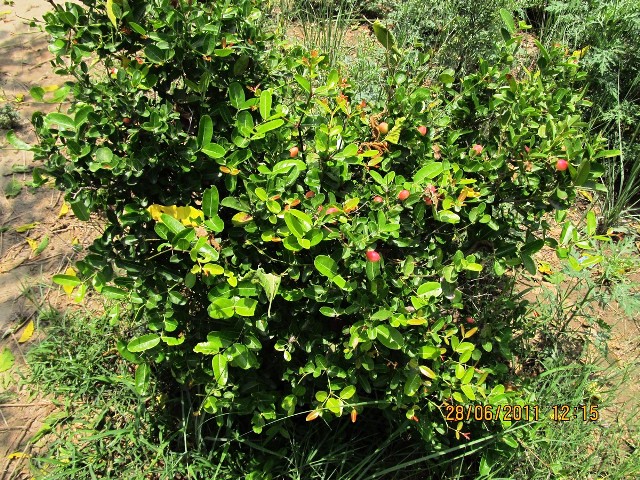
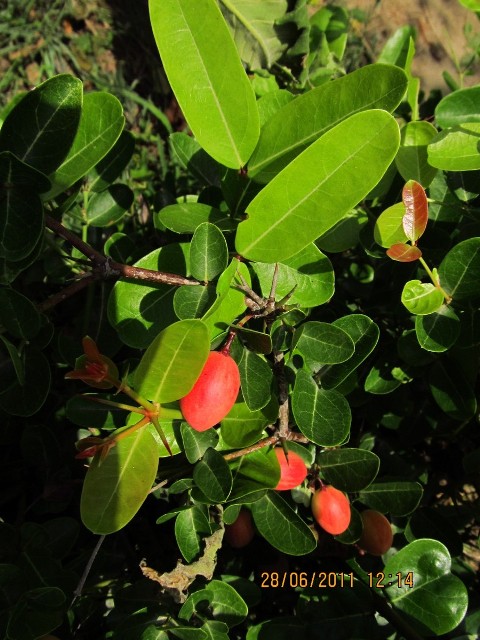
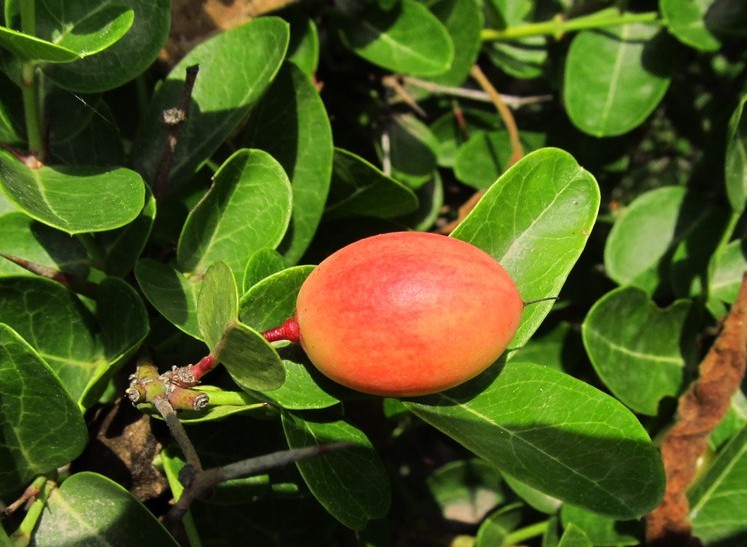
efloraindia: 041111 BRS117:
Pl. find the attached file conatin photo of Carissa carandas.
Location NBNP Garden, Anaikatti, Coimbatore Dist.,
Rather than C.carandas, it appears to be closer to C.congesta which is more popular as an ornamental fruit than the sweeter taste of the former. The fruits are seldom used for hair decoration in Maharashtra by ladies. However, an expert may please confirm the identification.
Nice Catch of ‘Karonda’ used for making Pickles
I think both Carissa carandas and C.congesta are one and the same . Hence, the correct citation could be C.carandas syn. C.congesta. Please see the link for reference : http://www.worldagroforestry.org/sea/products/afdbases/af/asp/SpeciesInfo.asp?SpID=18030
.
.