
|
Phyllanthus gardnerianus (Wight) Baill., Étude Euphorb.: 628 (1858) (syn: Diasperus miquelianus (Müll.Arg.) Kuntze; Macraea gardneriana Wight; Phyllanthus gardneri Thwaites; Phyllanthus miquelianus Müll.Arg.; Phyllanthus patens Miq. ex Müll.Arg.; Phyllanthus virgatus var. gardnerianus (Wight) Govaerts & Radcl.-Sm.) as per POWO;
. Phyllanthus simplex var. gardnerianus (Wight) Müll.Arg., Linnaea 32: 33 1863. (syn: Macraea gardneriana Wight; Phyllanthus gardneri Thwaites [Illegitimate]; Phyllanthus gardnerianus (Wight) Baill.; Phyllanthus virgatus var. gardnerianus (Wight) Govaerts & Radcl.-Sm.; Phyllanthus virgatus var. oblongifolius Müll.Arg.) as per The Plant List; . S. India, Sri Lanka as per POWO; ,
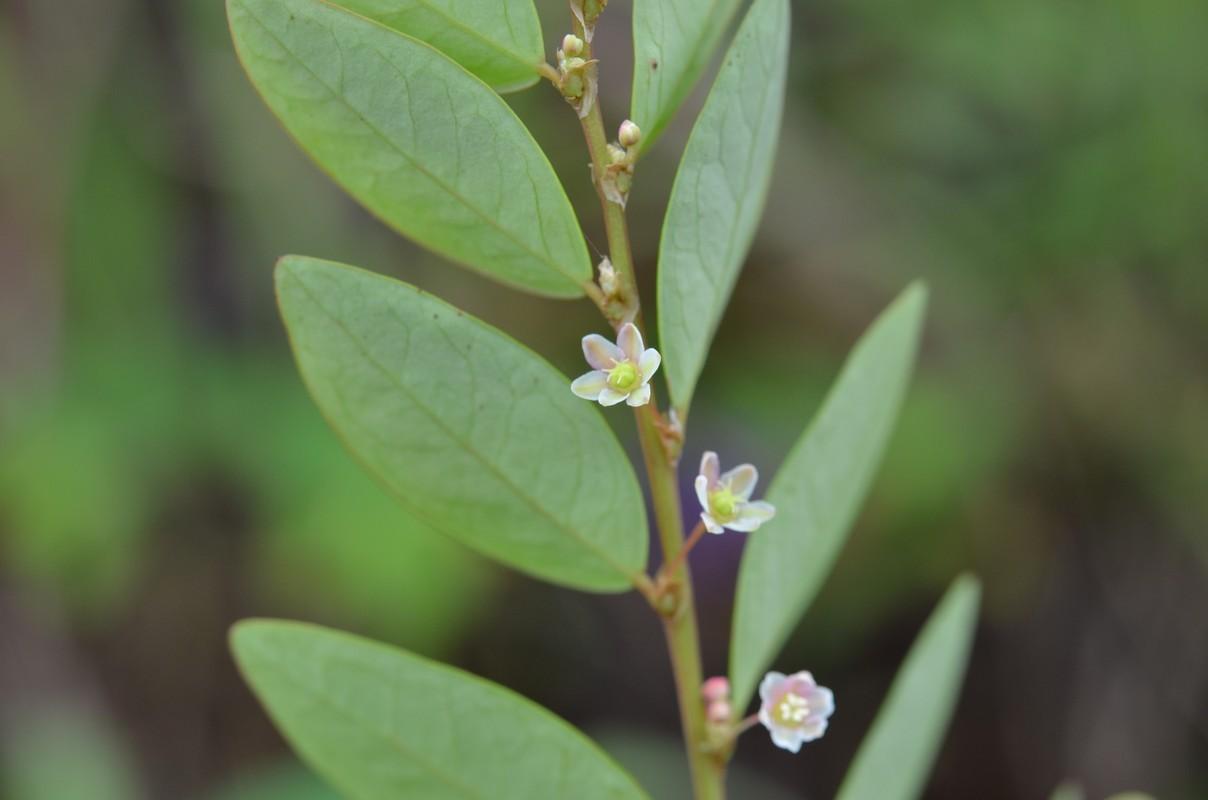
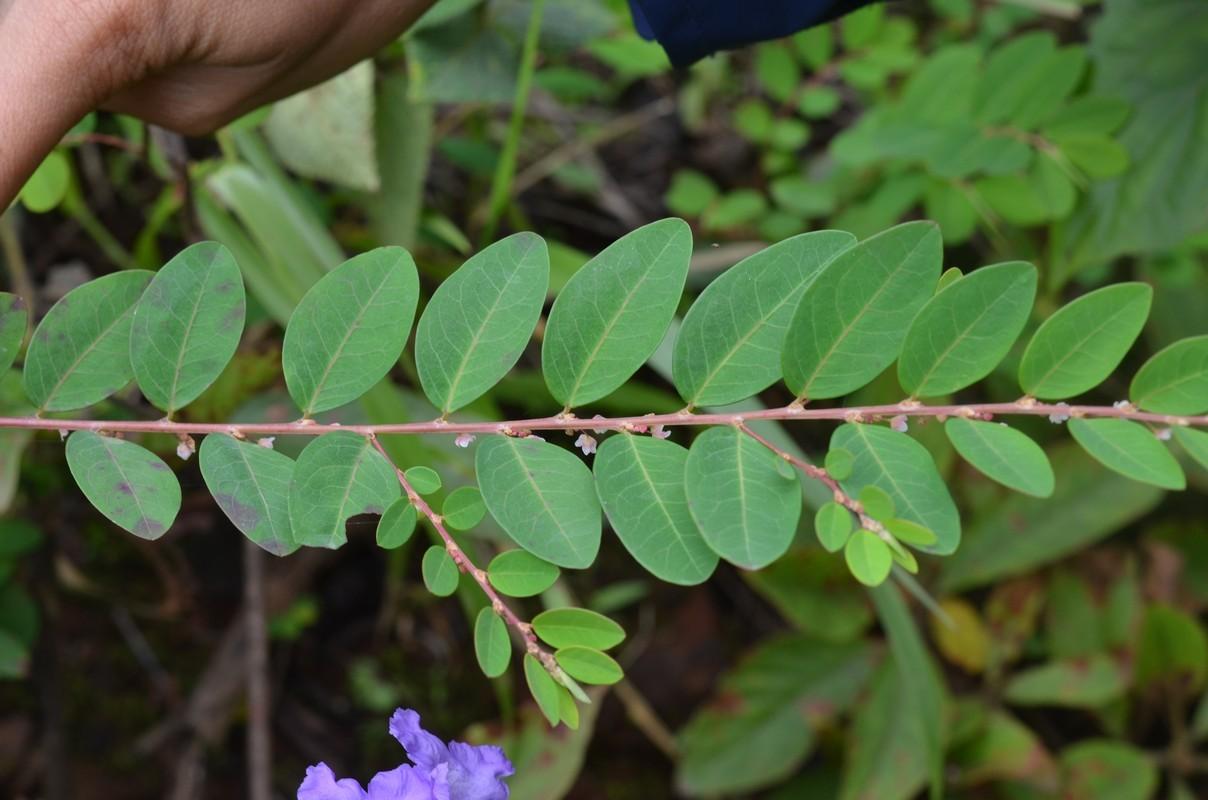
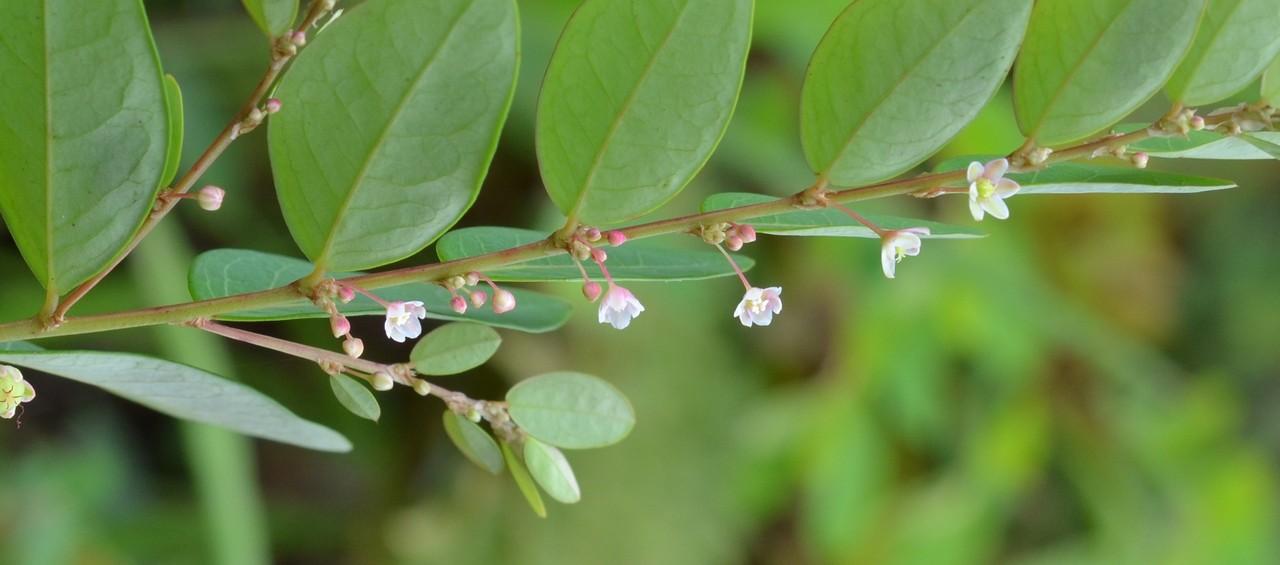
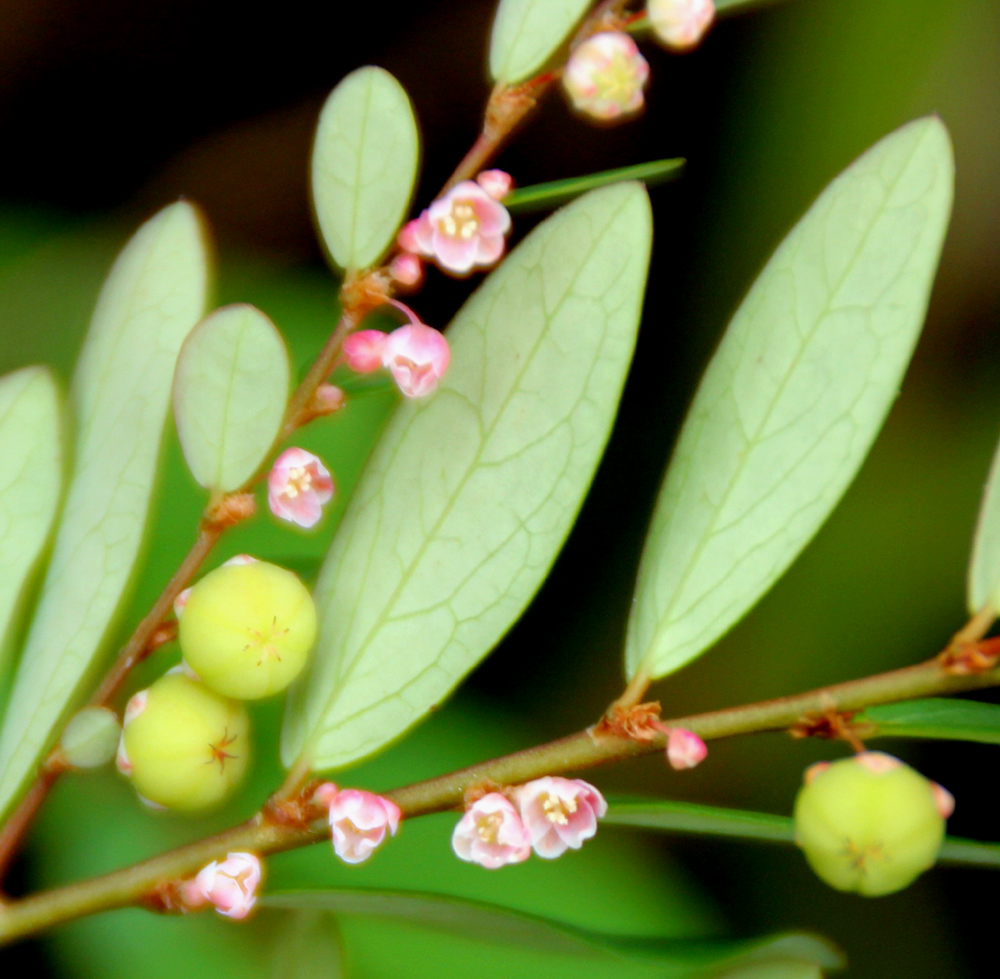
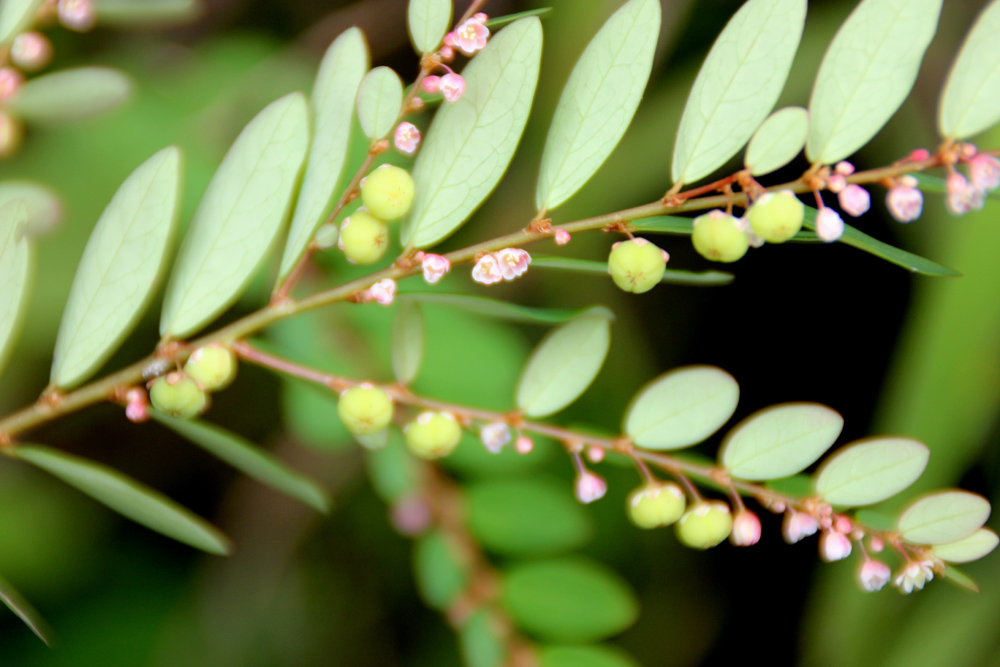
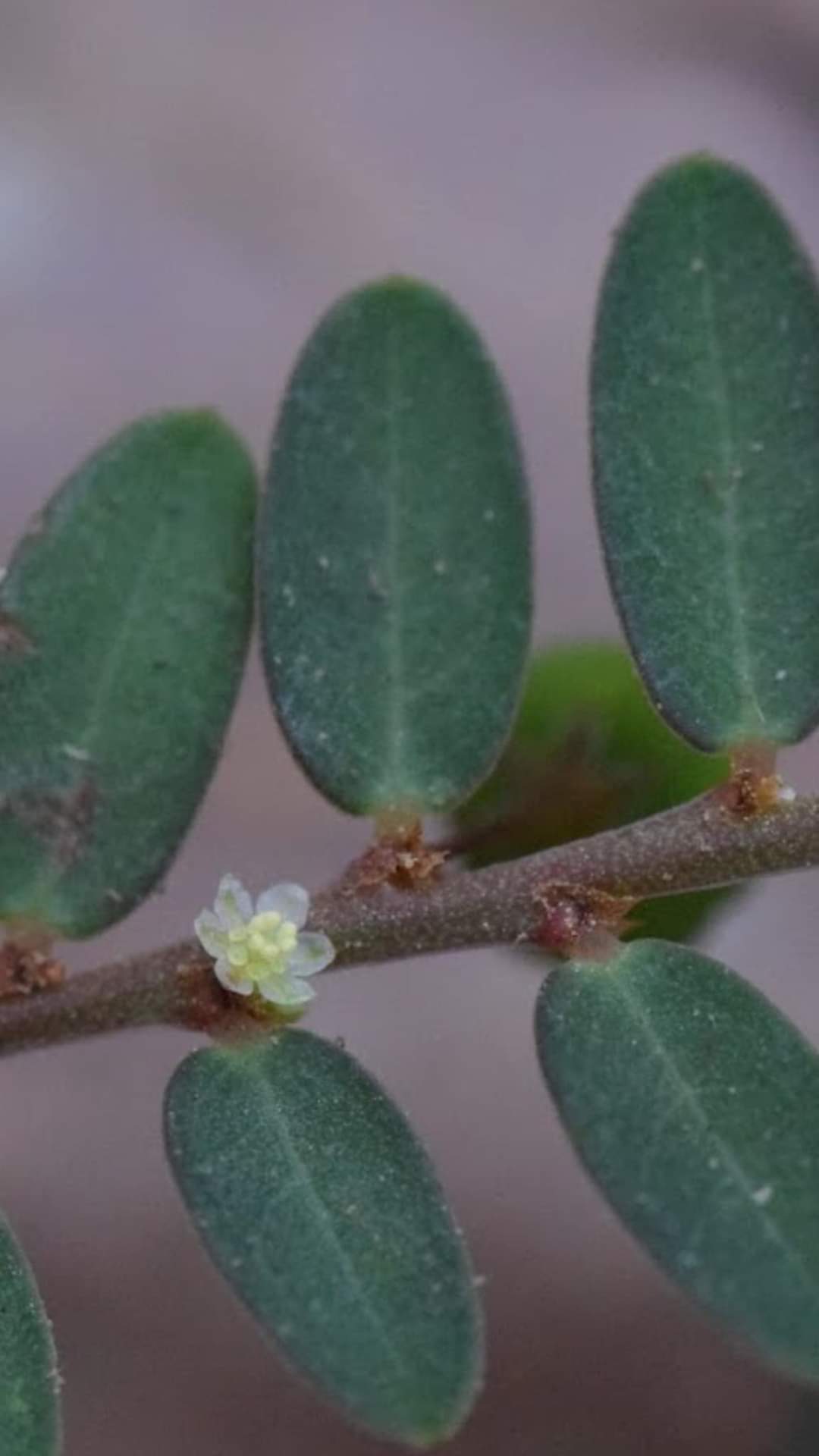
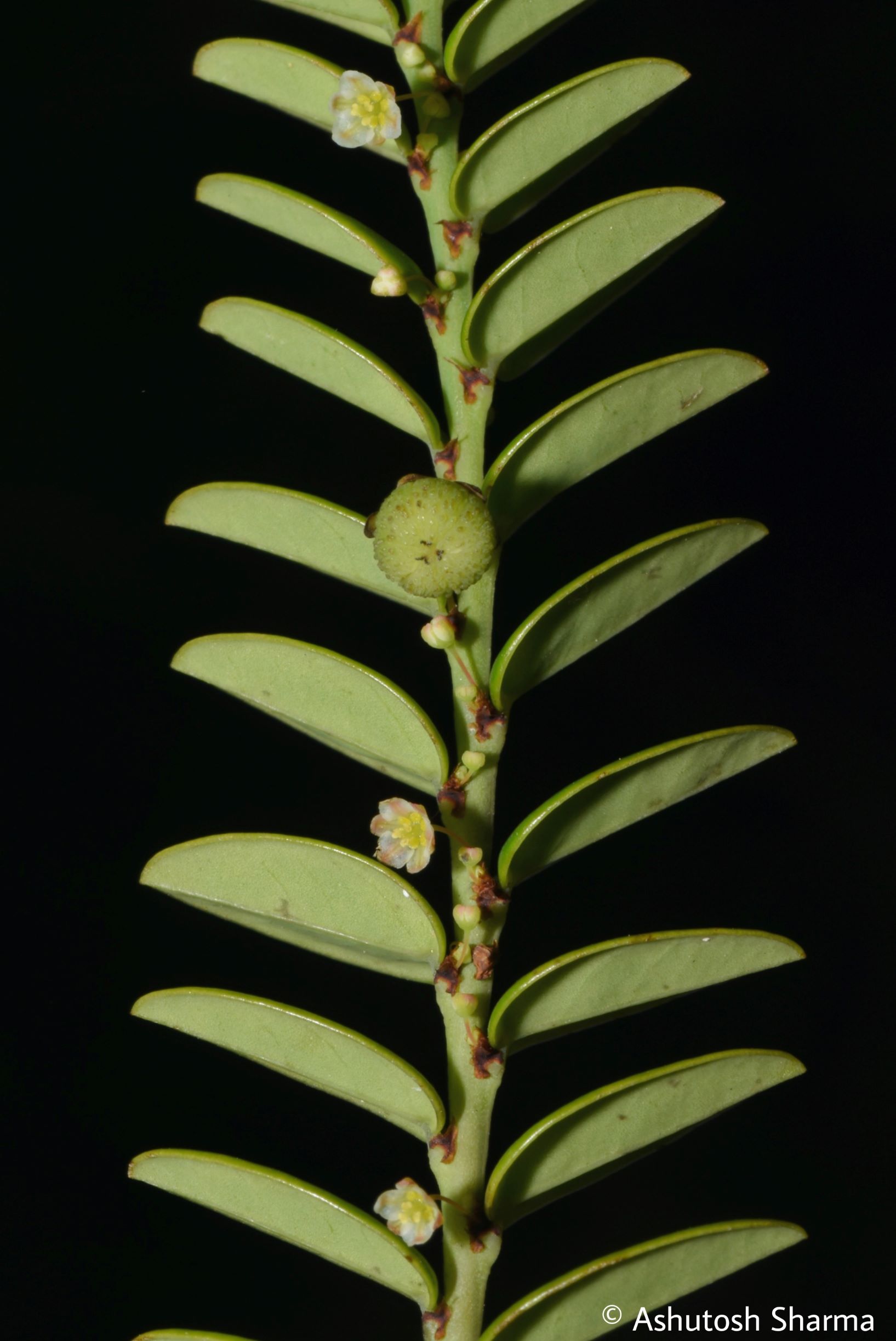
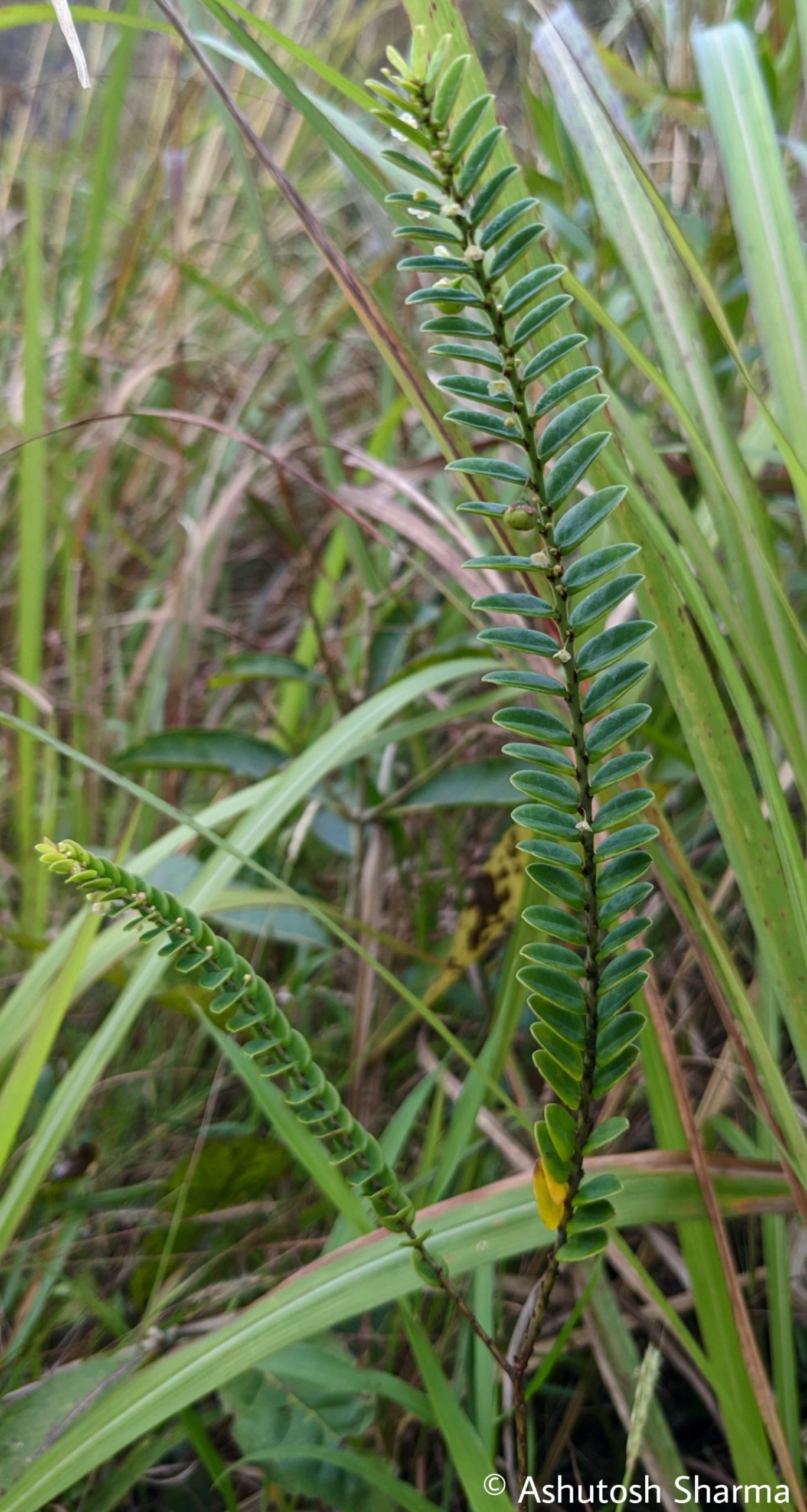
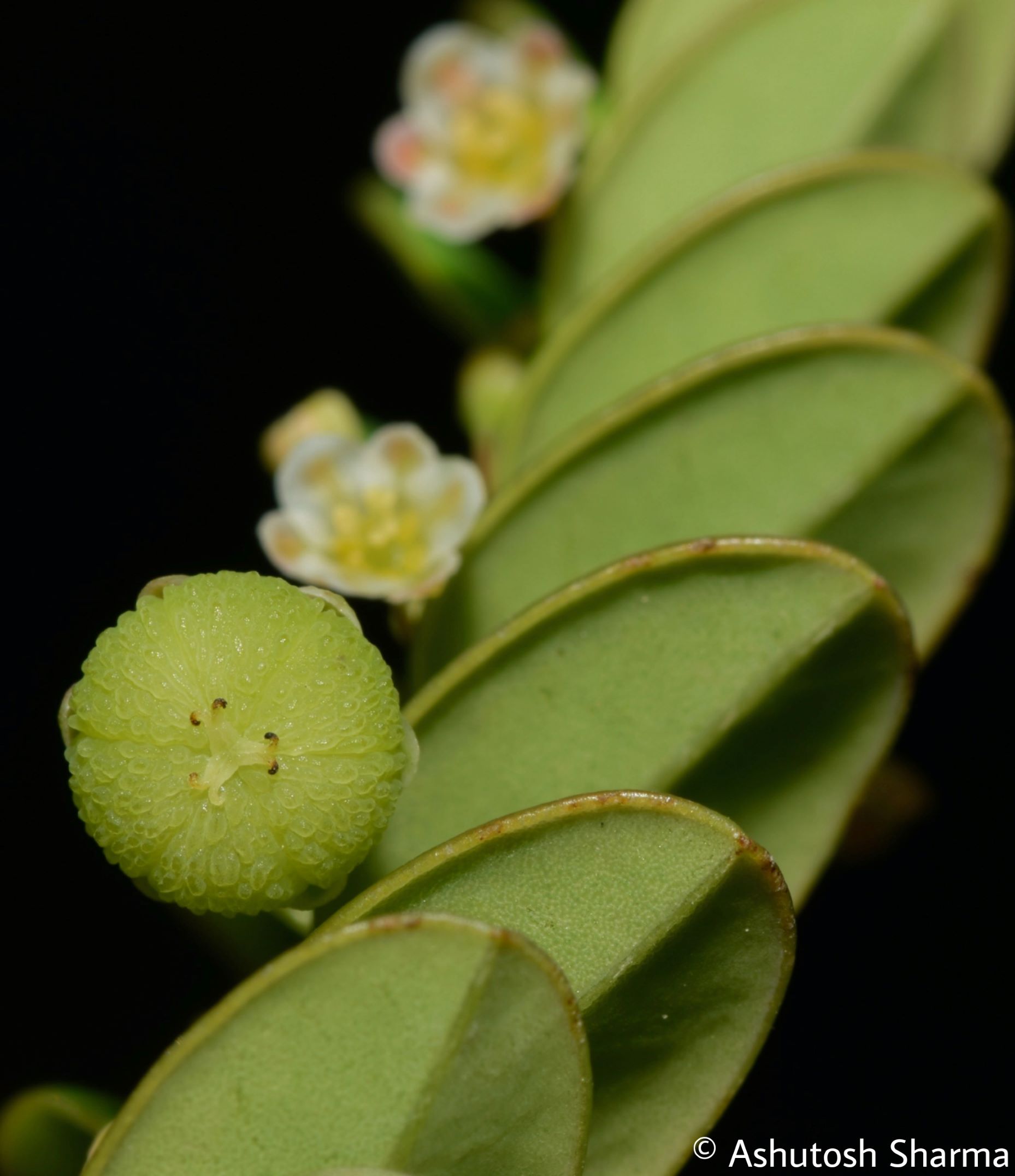
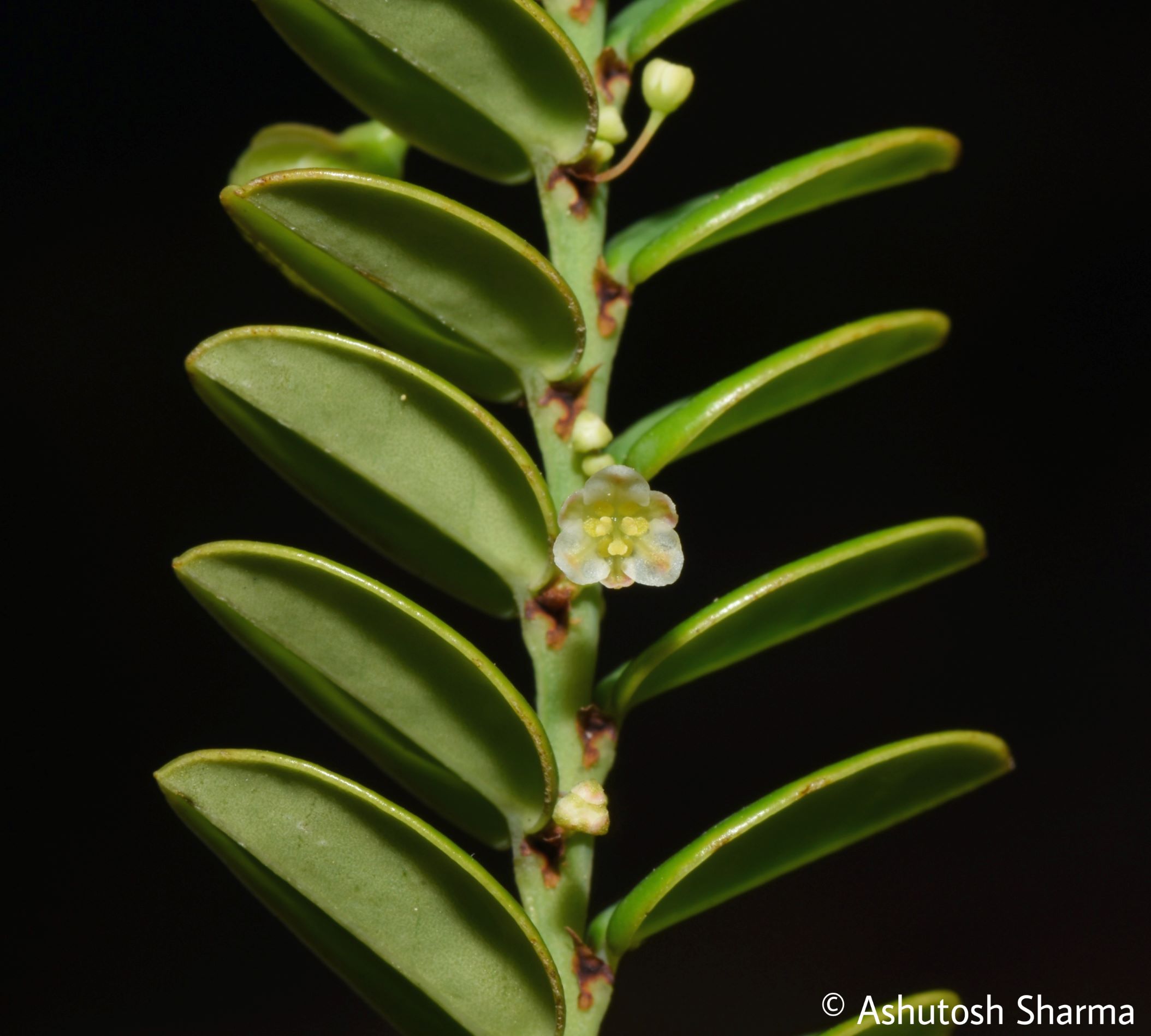
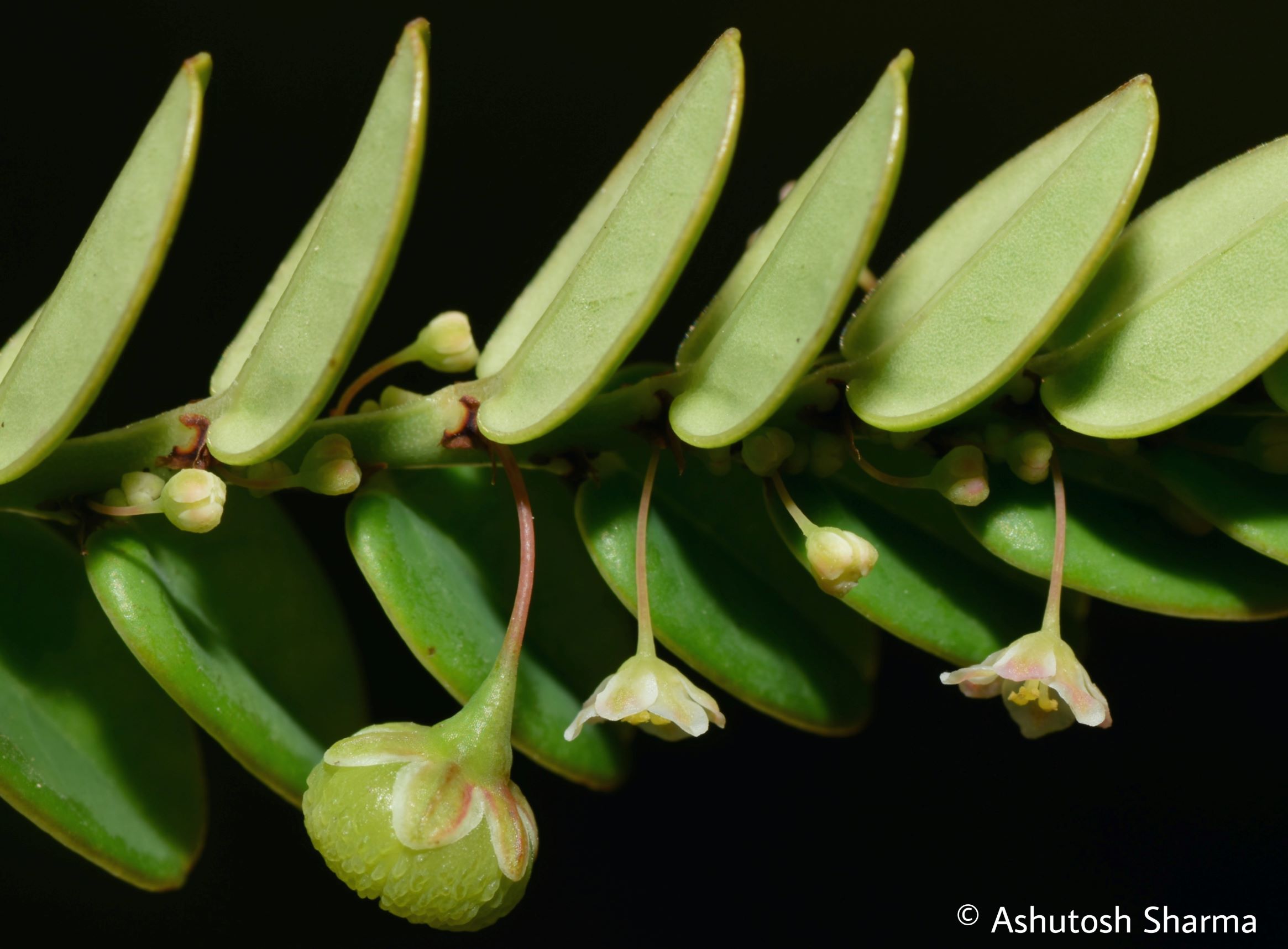
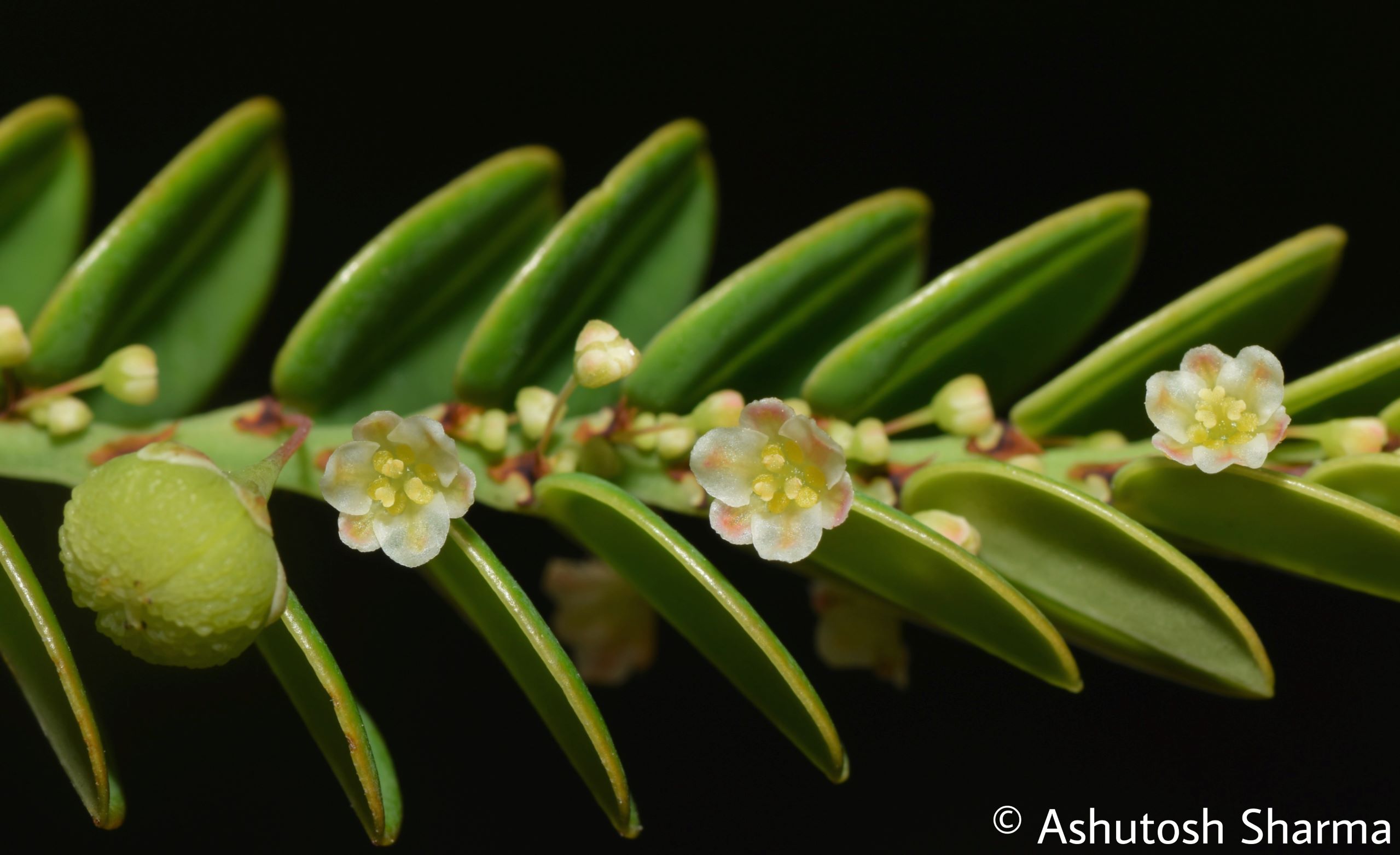
Erect herbs, glabrous, leafy branchlets scabrous. Leaves 14-18 x 6 mm, 21-30 pairs on lateral branchlets, oblong, acute at both ends, serrulate, nerves 8-10 pairs; petiole to 1 mm long; stipule ovate, cordate at base, decurrent on either sides. Female flowers sessile, solitary; sepals 5 or 6, 1 mm long, ovate, acute. Male flowers solitary, subsessile; sepals ovate. Capsule 3 x 3 mm, rugose; seeds 6, 2 x 1.5 mm, trigonous, transversally strongly ridged connected with minute parallel crossbars. Flowering and fruiting: July-November
Moist deciduous and semi-evergreen forests and grasslands
Paleotropics
(Attributions- Dr. N Sasidharan (Dr. B P Pal Fellow), Kerala Forest Research Institute, Peechi
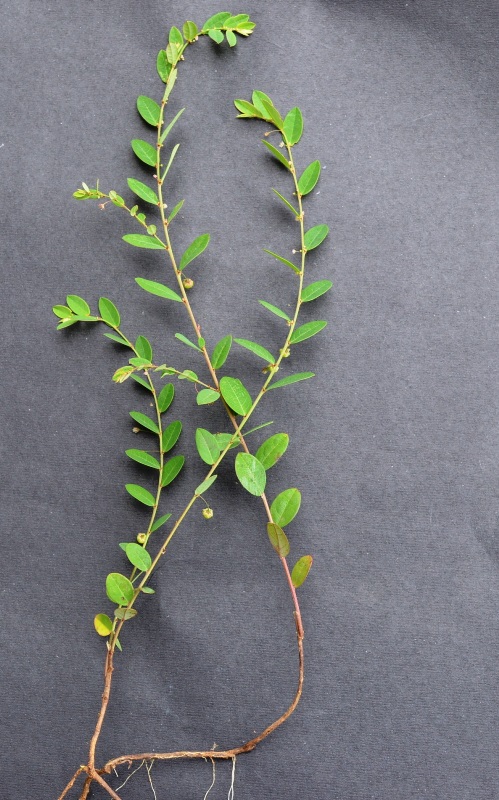 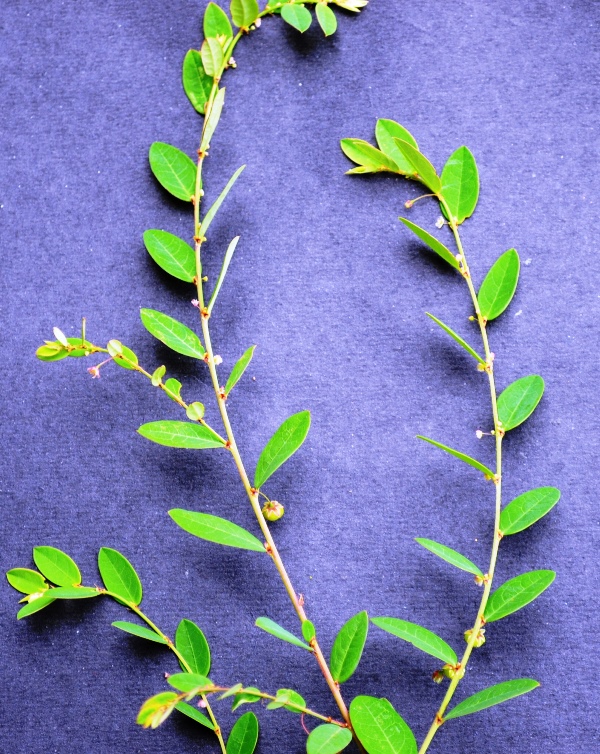 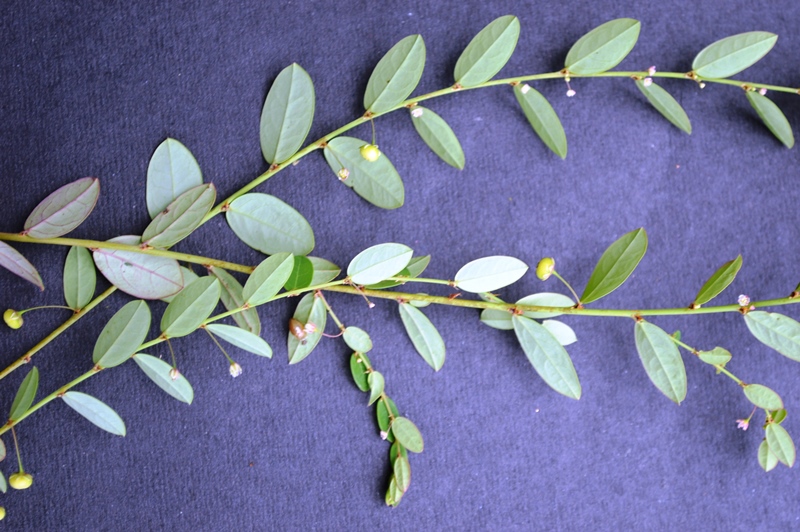 Phyllanthus virgatus var. gardnerianus (Wight) Govaerts & Radcl.-Sm SN June 8 : 3 posts by 2 authors.
Attachments (3).
Phyllanthus virgatus var. gardnerianus (Wight) Govaerts & Radcl.-Sm; (= P. gardnerianus)
Wild herb from Coonor area of Nilgiris Thanks, … P. virgatus var. gardnerianus (Wight) Govaerts & Radcl.-Sm. (& Phyllanthus gardnerianus (Wight) Baill.) is Phyllanthus simplex Retz. var. gardnerianus (Wight) Müll. Arg. as per Flora of India Vol 23 (2012) (Editors N. P. Balakrishnan, T. Chakrabarty, M. Sanjappa, P. Lakshminarsimhan & P. Singh- by Botanical Survey of India).
We have followed Webster in adopting the name P. simplex.
ANSEPT50 Phyllanthus sp. for ID : 6 posts by 4 authors. Attachments (4).
Chikamagalur-Kemmangudi Road It seems Phyllanthus reticulatus P. reticulatus is not matching sir. The plant I have found lacks the 5 calyx lobes and pubescent branches seen in P. reticulatus..
P. gardnerianus perhaps? I can think of no other species than Phyllanthus reticulatus for the present. Okay sir, thank you. While seeing the unresolved mails, I came across this post. I think you are right in determining this as Phyllanthus gardnerianus, also treated as P. simplex var. gardnerianus. Good photography.
Phyllanthus sp. from Chikamagalur for ID-GS06012020-2 : 5 posts by 3 authors. Attachments (2)
Please help with ID. Phyllanthus sp. from Chikamagalur Mullayaingiri Road, Bangalore. September 26, 2015. … has suggested Phyllanthus gardnerianus, another one not in our database Both Catalogue of life and World Flora online consider it as Phyllanthus virgatus var. gardnerianus (Wight) Govaerts & Radcl.-Sm. CoL and POWO mentioned distribution in India ! . Kindly suggest name of this Phyllanthus : (Mixed thread): 7 posts by 2 authors. Attachments (1) the picture from Flowers of India is of Phyllanthus urinaria. I missed asserting about it in my above response.
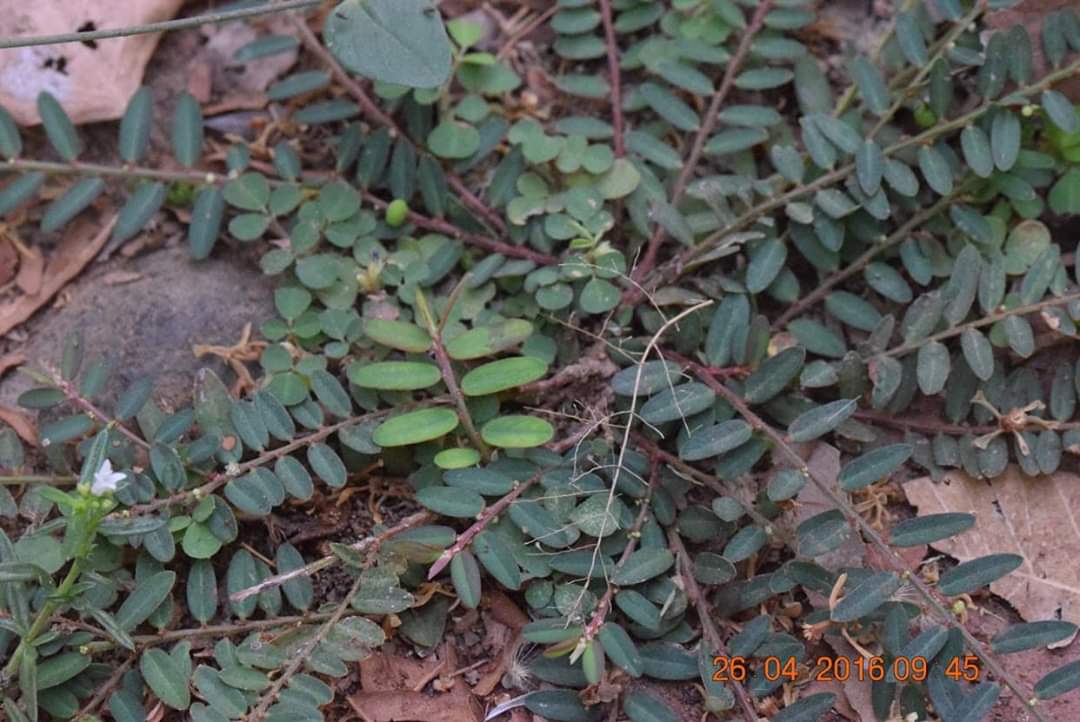
to me the posted plant (3 attached pictures) do not look P. urinaria to me. The leaves of posted plant do not seem to have a clear tip that I know for P. urinaria. The prostrate habit is unique. The subsessile flowers and fruits point to P. urinaria which is an erect herb. The problem can be solved only if … can collect specimens for further studies. This should be Phyllanthus gardnerianus instead. .
I think this is the first field photographs of this rare endemic. Thanks …, yes definitely these are the first and only photographic evidence of this rare endemic Phyllanthus species. I am sorry for misguiding you!
This is not at all P. rangachariarii. Just now I noticed that the male sepals are 6.
The characters of the plant point to very close alliance to Phyllanthus clarkei in almost all characters. But I have some doubts because P. clarkei in not known from peninsular India so far and the leaves here are stiffly coriaceous. The glands in male flowers appear to be 6 instead of 3.
So, please study your plant very carefully once again and compare with P. clarkei (now called Cathetus clarkei). Even closer to P. gardnerianus but leaves sessile and thickly coriaceous. Thanks for pointing the mistake in id. You are absolutely correct it can’t be Phyllanthus rangachariarii owing to the characters you mentioned i.e. 6 perianth and glands in male flowers instead of 4 in P. rangachariarii). Additionally my plant is much smaller is height not taller than 2 feets while P. rangachariarii is a much bigger shrub upto 2 metre tall.
I also checked type material images available on BSI virtual herbarium, confirming the same.
https://ivh.bsi.gov.in/phanerogams/Pyllanthus+rangachariarii This must be Phyllanthus narayanswamii Gamble
Under shrub upto 2 metre tall. Leaves alternative,sessile, elliptic coriaceous with thickened recurved margins. Perianth lobes 6 with 6 small glands in male flowers. Fruit capsule globose with verrucose glands. All these characters are matching with Phyllanthus narayanswamii Gamble So our plant is Phyllanthus narayanswamii Gamble, which is already reported from the Agasthyamala Biosphere Reserve where I have clicked this plant.
… I hope the identity is correct now! Syn. of Phyllanthus virgatus G.Forst. ? ? Looks different from images at Someone recently united P. narayanswamii under P. virgatus but kept P. gardnerianus distinct. Bouman et al. (2022) maintained all as distinct. I am fully confused here. P. virgatus is a Pacific species while P. simplex is Asian. Someone recently informed me that P. narayanswsmii is distinct from P. gardnerianus by habit, habitat and DNA data. Thanks for your valuable comments … I agree with your views and meanwhile someone clarify these 3 species based on field data combined with DNA/molecular studies, … in my opinion we should keep it as a separate species on our website under page Phyllanthus narayanswamii Gamble. I feel it is different from Phyllanthus narayanswamii as per Two persons, one from Delhi University and the other from IISC Bangalore had contacted me for initial identifications of their specimens for initiating molecular studies. Unfortunately none of them have published their findings yet. One person published a new species, P. palakondensis. The other person from Delhi shared me images from three localities of TN and AP and asked me to name them. I found that the supposed morphological differences between P. gardnerianus and P. narayanswamii are not standing good due to presence of intermediate plants (images). However, P. simplex stands separate for its much narrower and thinner leaves and presence of bisexual cymules, absent in the other two. What about its id as Phyllanthus macraei as per GBIF specimen and images at
https://efloraofindia.com/2011/04/09/phyllanthus-macraei/ ? This is not at all P. macraei. The image marked as A is Phyllanthus macraei Mull.Arg., now called Cathetus rheedei (Wight) R.W. Bouman. It still seems a mystery to me. This is only Phyllanthus narayanswamii Gamble, there should not be any doubts about its identity. The only doubt we have is about its status as a species (as discussed with …) as it is close to P. gardnerianus and P. simplex but this can be only resolved after molecular studies. What do you say?
Why images posted by … look so thick.
Why images of Phyllanthus narayanswamii look different as per https://efloraofindia.com/2021/03/10/phyllanthus-narayanswamii/ https://powo.science.kew.org/354846-1
http://flora-peninsula-indica.ces.iisc.ac.in/herbsheet.php?id=3940&cat=7 https://www.researchgate.net/publication/282182721: Notes_on_Phyllanthus_narayanaswamii_Gamble Euphorbiaceae_and_Dimeria_lawsonii_Hookf_Fischer Poaceae_-_from_the_state_of_Tamil_Nadu Images from https://www.researchgate.net/publication/ looks different compared to … images ! I think … may be able to resolve this issue. May be a new species in the making. That would be a great news … Any further discussions on this issue? I would like to see the images once again please. I am sending the link please.
This is Phyllanthus gardnerianus only. I think you are right, …
. References: |
Phyllanthus gardnerianus
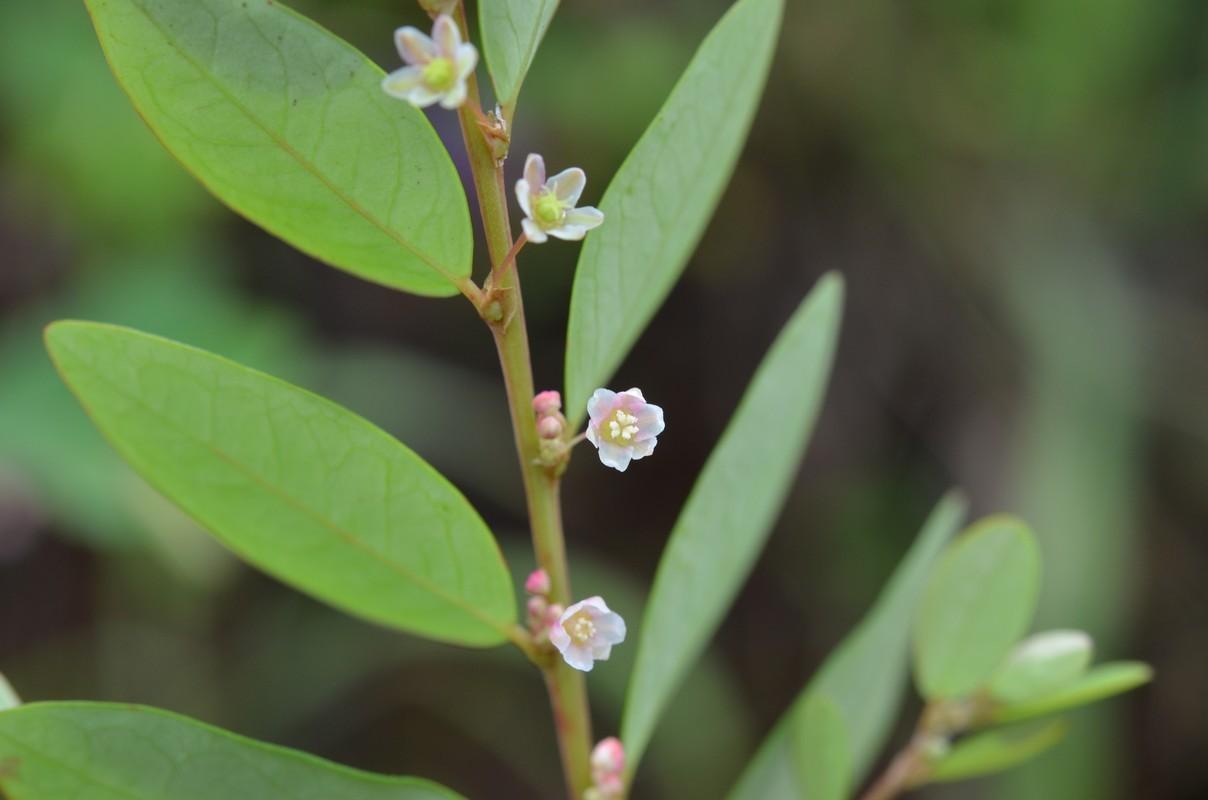

Updated on January 31, 2026